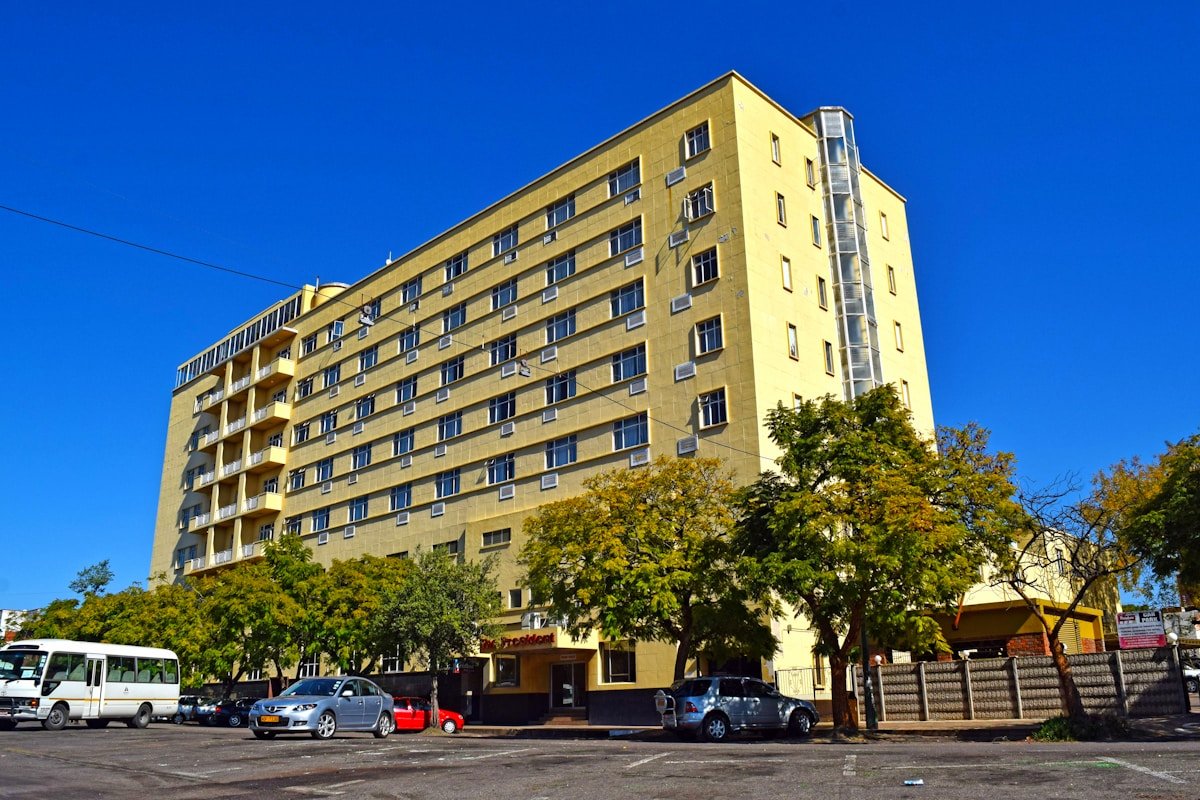
Bulawayo is the kind of city that rewards those who slow down. With wide, jacaranda-lined avenues laid out in colonial times, an intact Victorian railway station, and excellent museums, it has a quieter pace than Harare and a strong sense of its own identity rooted in Ndebele culture and history. For most visitors, Matobo Hills - Zimbabwe’s most culturally and historically significant landscape - is the primary reason to be here, but the city itself merits a day of exploration.
Matobo Hills National Park
Matobo Hills is one of the few places in Zimbabwe that genuinely requires three words to describe: granite, rhino, and history. The landscape is defined by the whalebacks and balancing rock formations of the Matobo granite - a 2,000-metre-high plateau of ancient stone pushed up over hundreds of millions of years and smoothed into shapes that tower over the surrounding bush.
Within this landscape lives one of the highest densities of white and black rhino in Africa. The Rhino Tracking experience, operated through African Bush Camps and the Matobo Hills Rhino Conservation programme, puts you on foot with trackers and armed rangers following radio-collared rhinos to within a few metres. The encounter, when it happens, is extraordinary - you are on the ground, no vehicle, with an animal that can weigh 2,000 kilograms at close range. Half-day rhino tracking costs approximately USD 90–120 per person as of 2026, depending on the operator. Book in advance as groups are kept deliberately small (maximum six people).
Beyond rhinos, Matobo Hills contains over 3,000 recorded San (Bushman) rock art sites - one of the highest concentrations in the world. The paintings at Nswatugi Cave and White Rhino Shelter are among the most accessible and impressive, with detailed polychrome images of eland, zebra, and human figures. Entry to the park is approximately USD 15 per person as of 2026.
Cecil Rhodes is buried at World’s View (Malindidzimu), the highest point in Matobo - a controversial historical site that nonetheless offers extraordinary views across the granite landscape. The Mzilikazi Burial Site (burial place of the Ndebele king Mzilikazi) is also within the park and carries deep cultural significance.
Natural History Museum of Zimbabwe
The Natural History Museum on Leopold Takawira Avenue in the Bulawayo CBD is one of the finest natural history museums in southern Africa. The geology and natural history wing covers Zimbabwe’s mining heritage (gold, chrome, platinum), palaeontology (including dinosaur specimens from the Karoo), and an extensive collection of regional insects, fossils, and minerals. The wildlife halls contain mounted specimens covering all of Zimbabwe’s major mammal species - the elephant display is particularly impressive in scale.
Entry costs approximately USD 5 per person as of 2026. Open Tuesday to Sunday, 09:00–17:00. Plan for at least two hours if you intend to move through the full collection.
Bulawayo Railway Museum
The Bulawayo Railway Museum at the historic Bulawayo Railway Station holds one of southern Africa’s most complete collections of historic steam locomotives. The museum traces the development of Zimbabwe’s railway network from the 1890s expansion under Cecil Rhodes through the Federation period to independence. Several working steam engines are preserved alongside passenger carriages from different eras.
A particular highlight is the presidential coach used by Cecil Rhodes during his travels through Rhodesia, preserved in its original configuration. Entry costs approximately USD 5 per person as of 2026. Open Monday to Friday, 08:00–16:00, and weekends by arrangement.
The railway station building itself, opened in 1904 in a Cape Dutch style, is worth photographing from the approach road.
Chipangali Wildlife Orphanage
Chipangali Wildlife Orphanage, approximately 25 kilometres east of Bulawayo on the Harare road, rehabilitates orphaned and injured wild animals - including lions, leopards, wild dogs, cheetah, serval, civets, and a large colony of meerkats. Many animals have been injured in human–wildlife conflict or rescued from poaching attempts and cannot be returned to the wild. The orphanage runs walking tours through the enclosures that allow close (but controlled) views of the resident animals.
Entry costs approximately USD 15 per person as of 2026. Open daily 08:00–17:00. This is primarily a welfare and rehabilitation operation; the animal experience reflects that - it is not a zoo or a safari, but the close encounters with otherwise-difficult-to-see species like wild dog and serval are genuinely impressive.
Bulawayo City Centre Architecture Walk
Bulawayo’s CBD retains an unusually intact collection of colonial-era buildings. The original street plan (designed with avenues wide enough to turn a full ox wagon) gives the city a spacious, unhurried feel. Key buildings include:
- City Hall (1940) on Leopold Takawira Avenue: a grand civic building with a Corinthian colonnaded entrance
- The State House (1894): the governor’s residence, built in brick during the establishment of Matabeleland
- Bulawayo Club (1895): the original gentlemen’s club for the colonial settlers, still operating
- Centenary Park: a formal park flanking the museum with established trees and quiet benches
A self-guided walk through the central blocks takes about 90 minutes. The Bulawayo City Council heritage office publishes a walking map, and some guesthouses have printed copies.
Khami Ruins
Khami Ruins, approximately 22 kilometres west of Bulawayo, is a UNESCO World Heritage Site and one of the largest stone ruins in Zimbabwe after Great Zimbabwe. Built between the 15th and 17th centuries as the capital of the Torwa state (successor to the Zimbabwe Kingdom), Khami features distinctive decorated daga (clay) walling and terraced platforms built onto a hillside. Finds from the site indicate active trade with Portugal and the East African coast during this period.
Entry is approximately USD 10 per person as of 2026. The site is rarely crowded and the hillside walk to the main platform takes about 20 minutes.
Getting Around Bulawayo
Bulawayo is compact enough to walk between the main central attractions (Natural History Museum, Railway Museum, City Hall). For Matobo Hills and Chipangali, you need a vehicle - rental cars are available from Avis and Europcar at Joshua Mqabuko Nkomo Airport, or arrange day-hire from local operators through your accommodation. A return transfer to Matobo from Bulawayo by private taxi costs approximately USD 40–60 depending on waiting time. If you would rather leave the logistics to someone else, guided Bulawayo tours include Matobo rhino tracking and city heritage walks with transport provided. For longer Zimbabwe itineraries involving multiple parks, travel insurance is worth arranging before you depart - especially for remote areas like Matobo and Hwange where medical facilities are limited.
For dining options during your visit, see our best restaurants in Bulawayo guide. For a place to stay while you explore, search hotels in Bulawayo on Booking.com.