Wildlife & Safari
Planning a Safari in Zimbabwe: Parks, Costs and Itineraries
How to plan a Zimbabwe safari: which parks for lion, elephant and rhino, sample 7–14 day itineraries, typical camp costs and the best months to book.
Safari
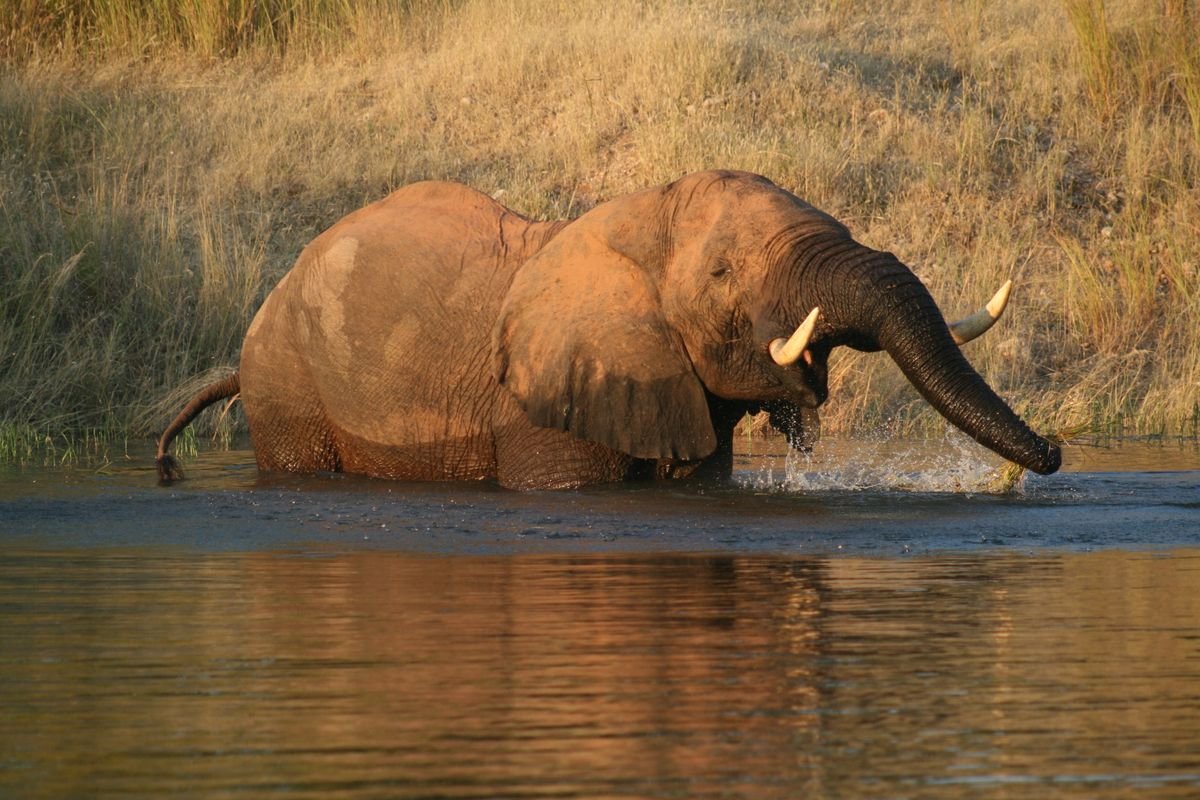
Zimbabwe is one of Southern Africa's strongest safari destinations. Hwange National Park holds one of the continent's largest elephant populations. Mana Pools, a UNESCO World Heritage Site on the Zambezi floodplains, is one of the few parks in Africa where walking safaris operate without fences or barriers between you and the wildlife. Gonarezhou ("place of elephants") in the southeast is raw, remote, and far less visited than its neighbours.
What sets Zimbabwe apart is the quality of guiding. The country's professional guide qualification (FGASA Level 3 equivalent) is among the most demanding in Africa. Walking safaris here are conducted by guides with years of bush experience. Canoe safaris on the Zambezi through Mana Pools offer a perspective that no vehicle-based game drive can match.
Hwange National Park is Zimbabwe's largest park and the primary Big Five destination. Entry costs USD 20 per person per day. The park supports one of Africa's largest elephant populations, estimated at around 40,000 to 45,000 animals - more than most countries have collectively. Hwange is also reliably productive for lion, wild dog, leopard, and a high density of waterhole species during the dry season. The best months are June to October, when water sources outside the park dry up and wildlife concentrates around Hwange's artificial waterholes. Most camps and lodges are in the Main Camp, Sinamatella, and Robins areas. National Parks accommodation at Main Camp runs from USD 30 to 80 per person per night; private lodges start at around USD 350 per person and go well above USD 1,000 at premium concessions.
Mana Pools National Park on the Zambezi floodplains is UNESCO World Heritage listed and widely regarded as Zimbabwe's finest wildlife experience. Entry costs USD 20 to 25 per person per day. The park is one of the few places in Africa where unguided walking is technically permitted, though walking with an armed ranger is strongly recommended. Canoe safaris through the park give access to sections unreachable by vehicle. Full operator packages including meals, canoes, and camping run approximately USD 250 to 450 per person per day. Mana Pools is only accessible between May and November when the seasonal roads are passable. The park is at its best in September and October when the Zambezi levels drop and wildlife concentrates near the river.
Gonarezhou National Park in the southeast is remote and undervisited, making it an excellent choice for travellers wanting a genuine wilderness experience without the busier camps found elsewhere. Entry costs USD 15 to 20 per person per day. The park is part of the Great Limpopo Transfrontier Conservation Area and shares unfenced borders with Kruger National Park in South Africa and Limpopo National Park in Mozambique. Elephant populations here are among the most impressive in the country. Access requires a 4WD and is best between May and October.
Matobo National Park near Bulawayo is the place to track white and black rhino on foot. The park holds one of Africa's most significant rhinoceros populations, built up through concerted conservation efforts since the 1990s. Entry costs USD 15 to 20 per person per day. Rhino tracking is conducted with licensed rangers and takes between two and four hours. The park is also known for its remarkable San rock art, which has been painted on granite overhangs for thousands of years. Cecil Rhodes is buried at World's View inside the park, a prominent granite promontory with panoramic views.
Lake Kariba, stretching 280km along the Zimbabwe-Zambia border, supports a distinct ecosystem. Matusadona National Park on the southern shore is best explored by boat and on foot along the shoreline. Buffalo, elephant, and hippo are common; lion are present but harder to find. Park entry costs around USD 20 per person per day. Houseboat safaris on Kariba combine fishing, game viewing, and sunset cruising and are a popular alternative to land-based safaris.
In-depth guides to Zimbabwe's national parks, game reserves, and safari experiences.
How to plan a Zimbabwe safari: which parks for lion, elephant and rhino, sample 7–14 day itineraries, typical camp costs and the best months to book.
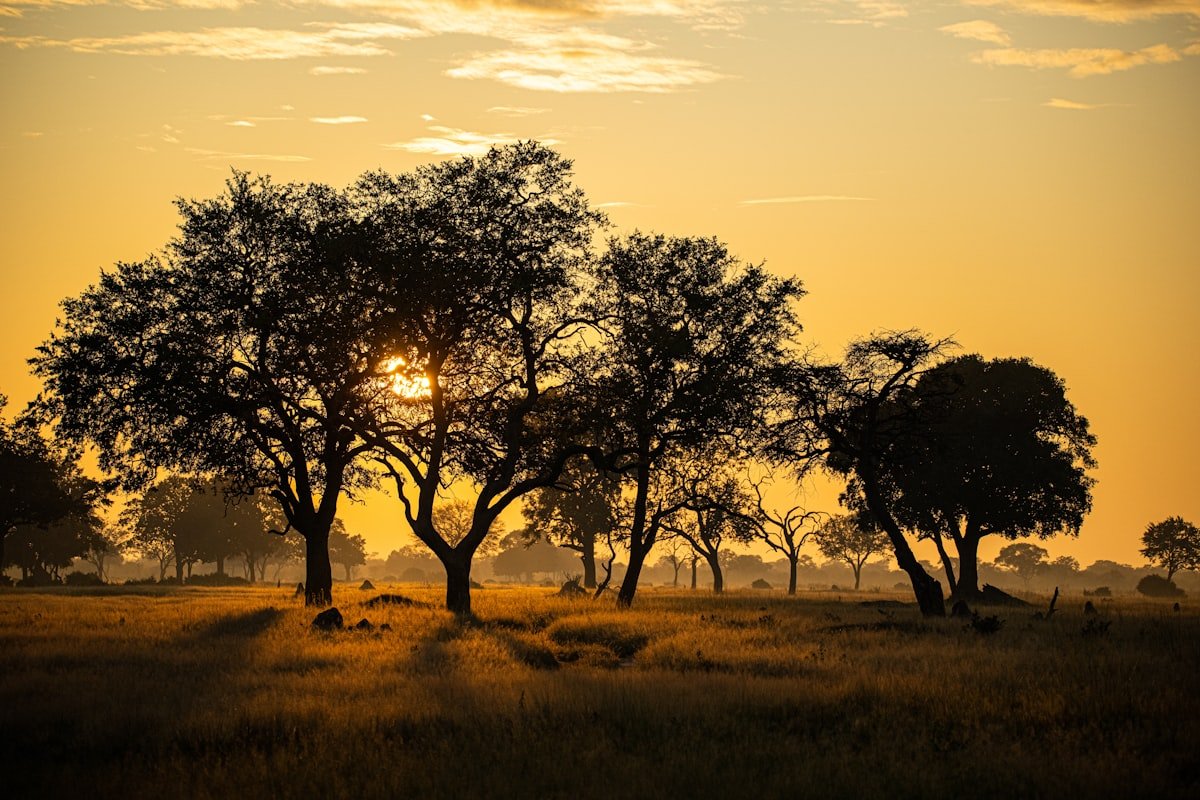
When to visit Hwange: dry season waterhole concentrations (June to October) vs green season wildlife. Month-by-month weather and game viewing breakdown.
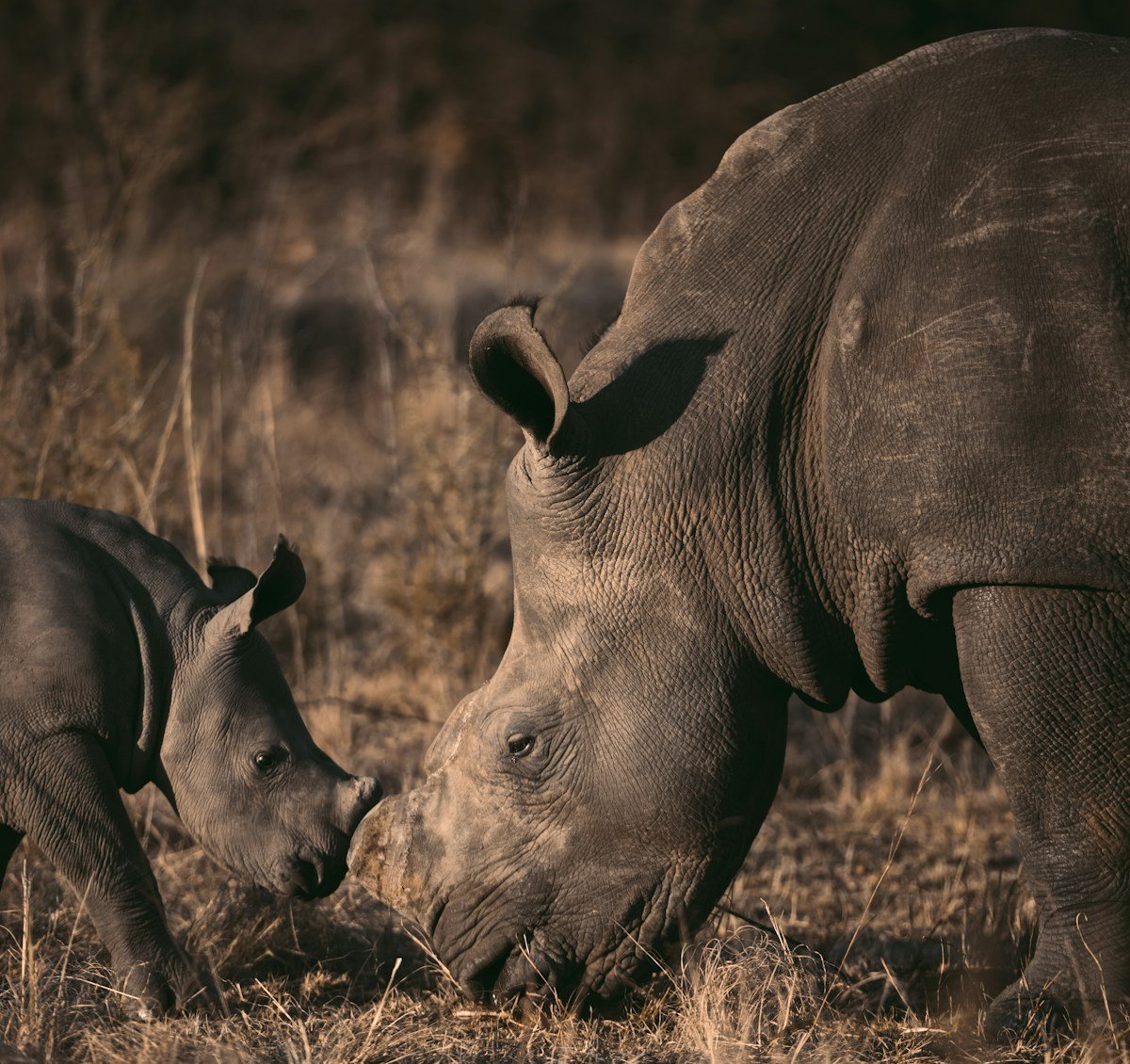
Track white and black rhino on foot in Matobo National Park: operators, fees, what to expect on a guided walk, and where to stay near Bulawayo.
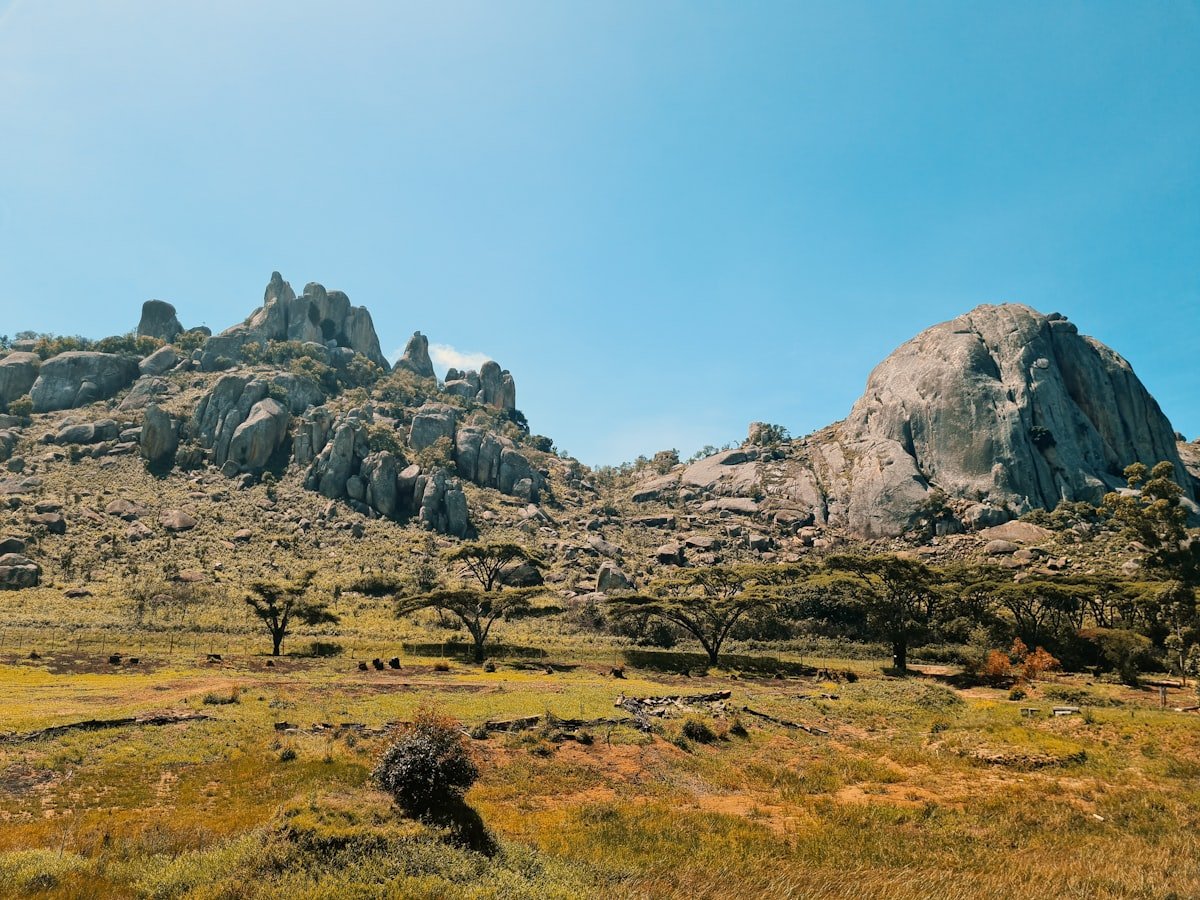
Matobo Hills visitor guide: San rock art at Nswatugi Cave, World's View, Chapman's Baobab, wildlife, entrance fees and day trips from Bulawayo.
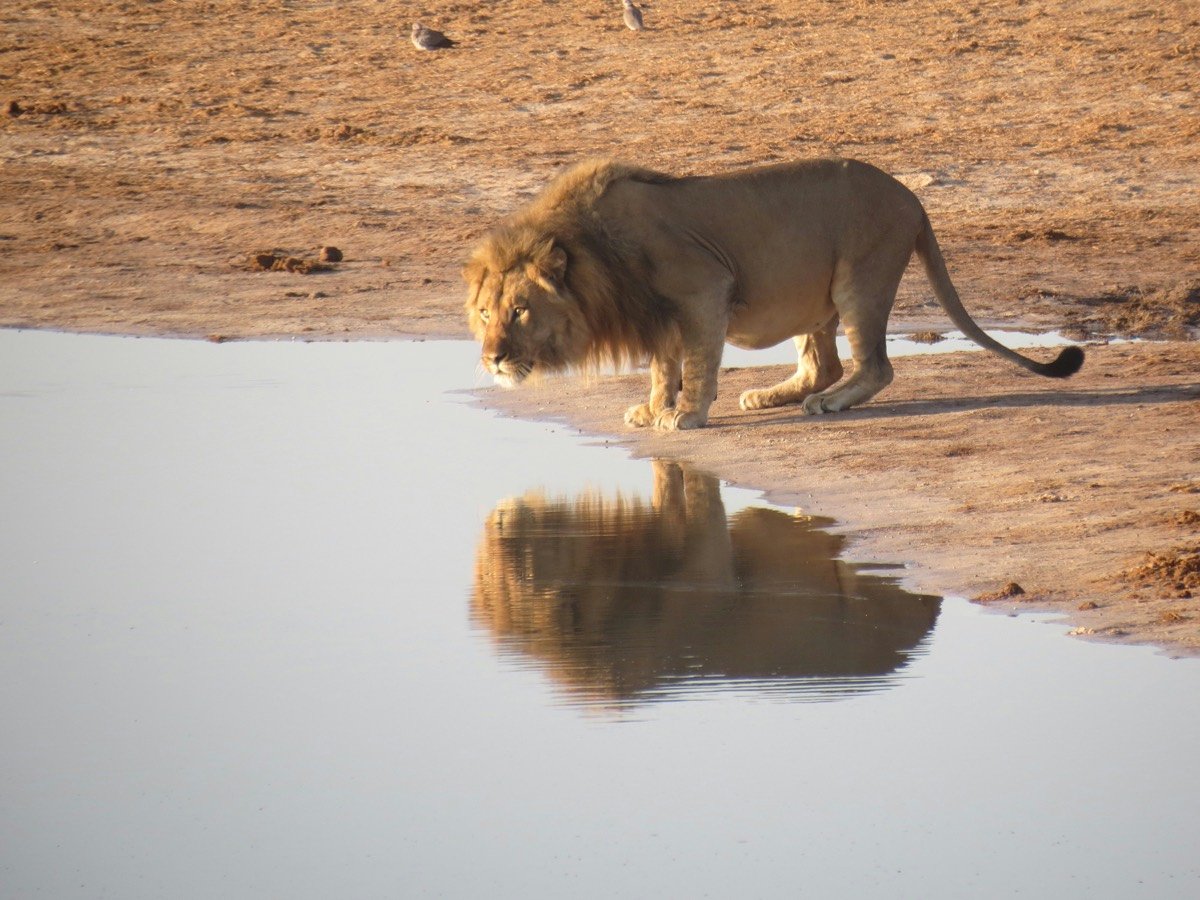
Zimbabwe safari guide: best parks, Big Five, costs from budget to luxury, and how to book. Hwange, Mana Pools, Matobo and more.
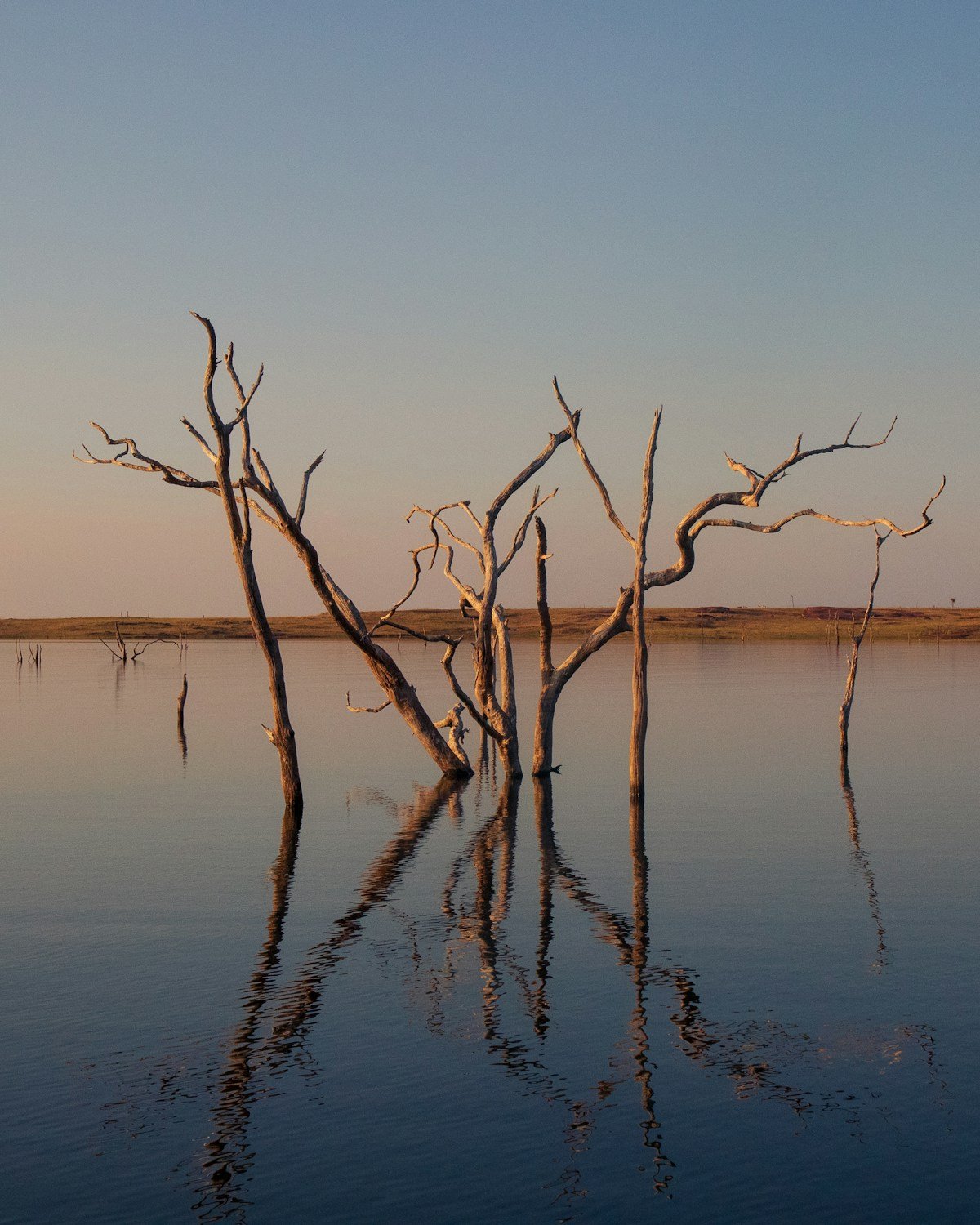
Lake Kariba: houseboat safaris, Matusadona walking safaris, Africa's finest tiger fish fishing, hippo and croc watching, and how to plan your.
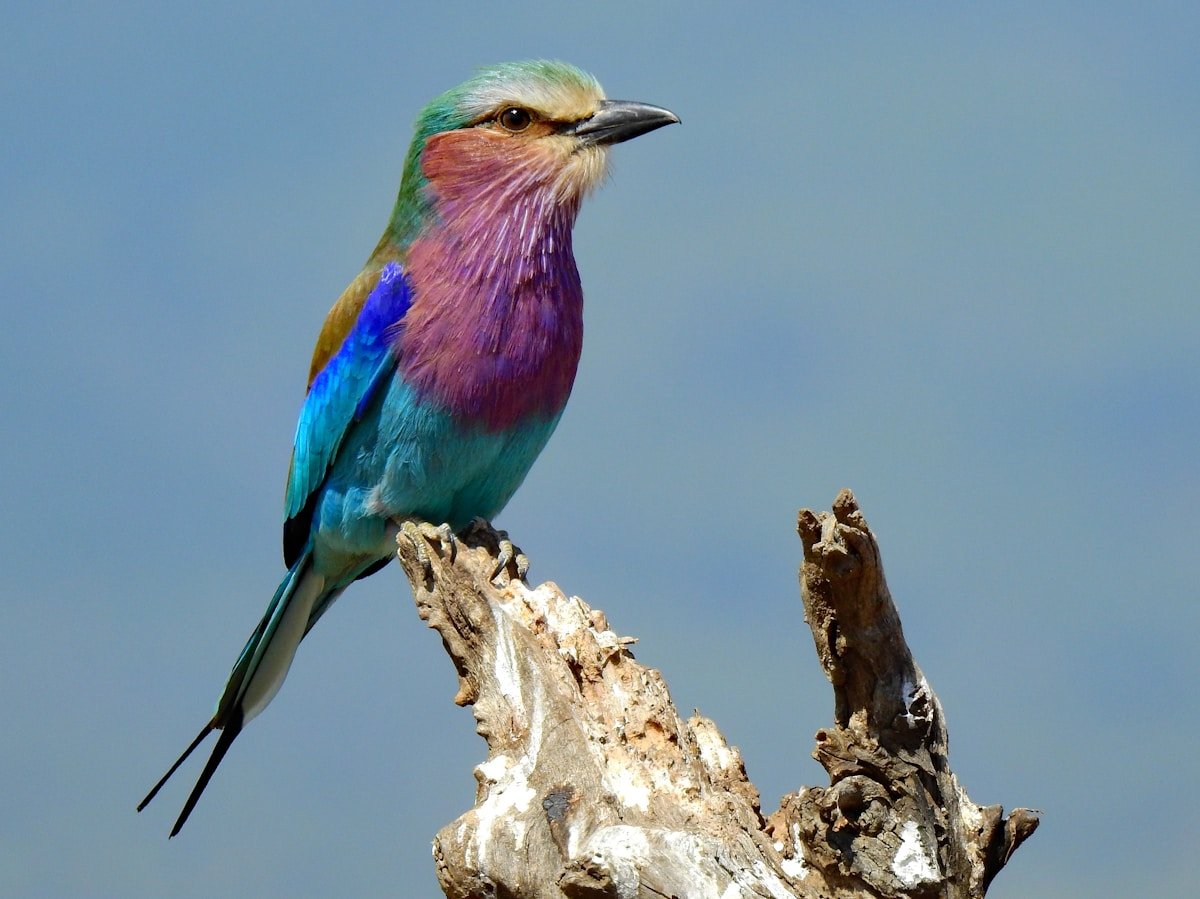
Zimbabwe records 670+ bird species across habitats from Zambezi floodplains to Eastern Highlands forest. Best birding sites, top species and when to go.
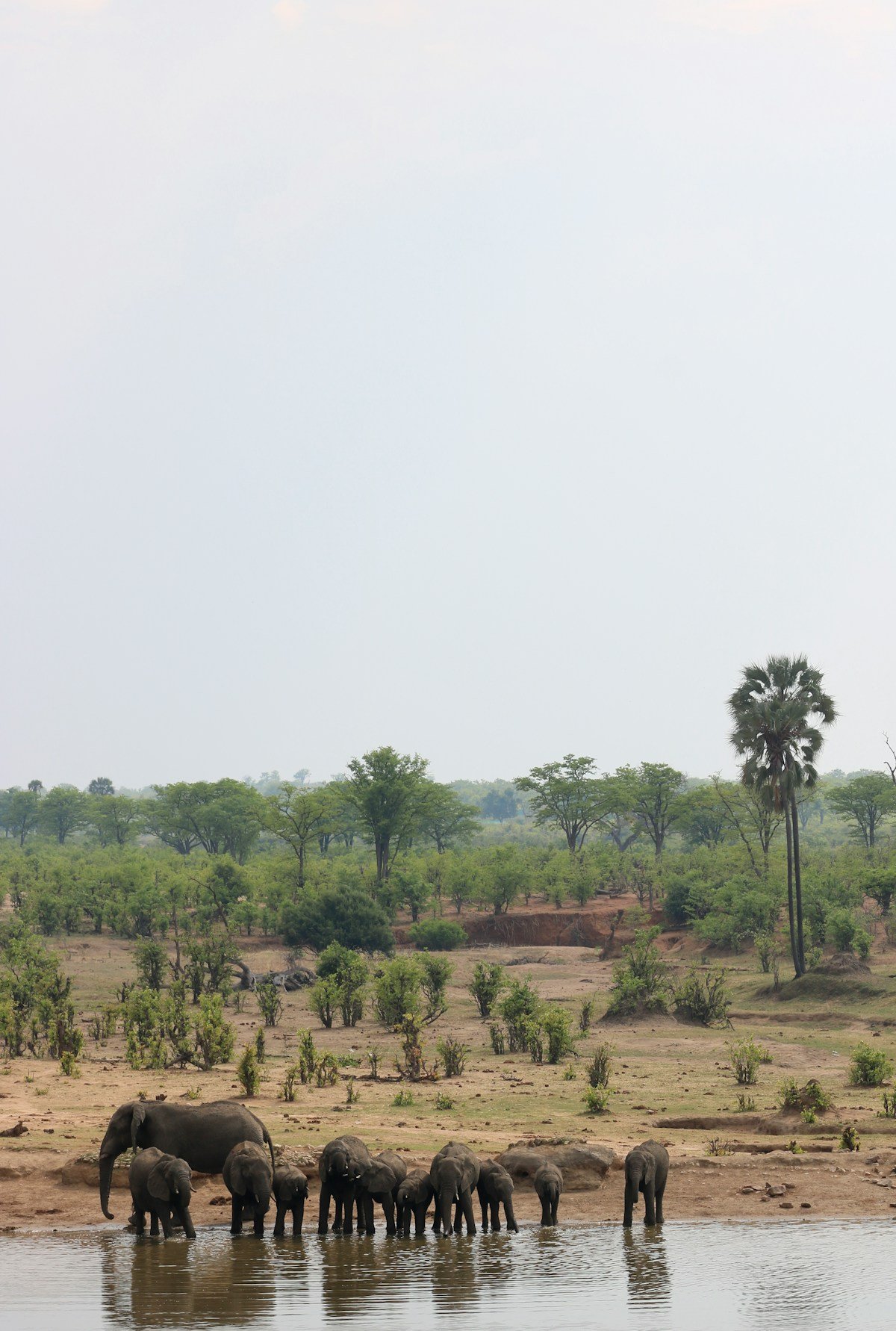
Zimbabwe's Big Five ecology and location guide: which parks lion, leopard, elephant, buffalo and rhino favour, with habitat notes and viewing strategy.
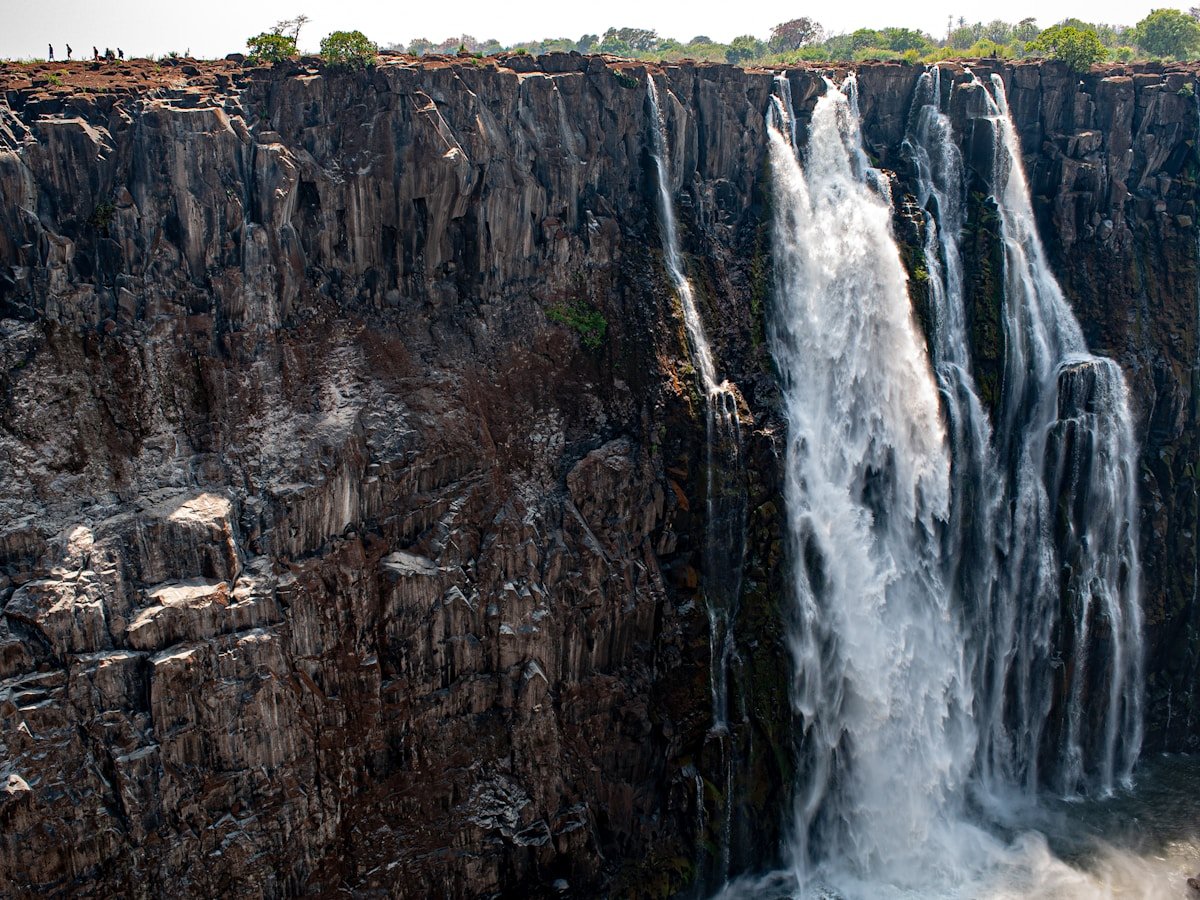
Beyond the waterfall: Zambezi National Park and river corridor offer game drives, elephant sightings, bird walks and Africa's finest river.
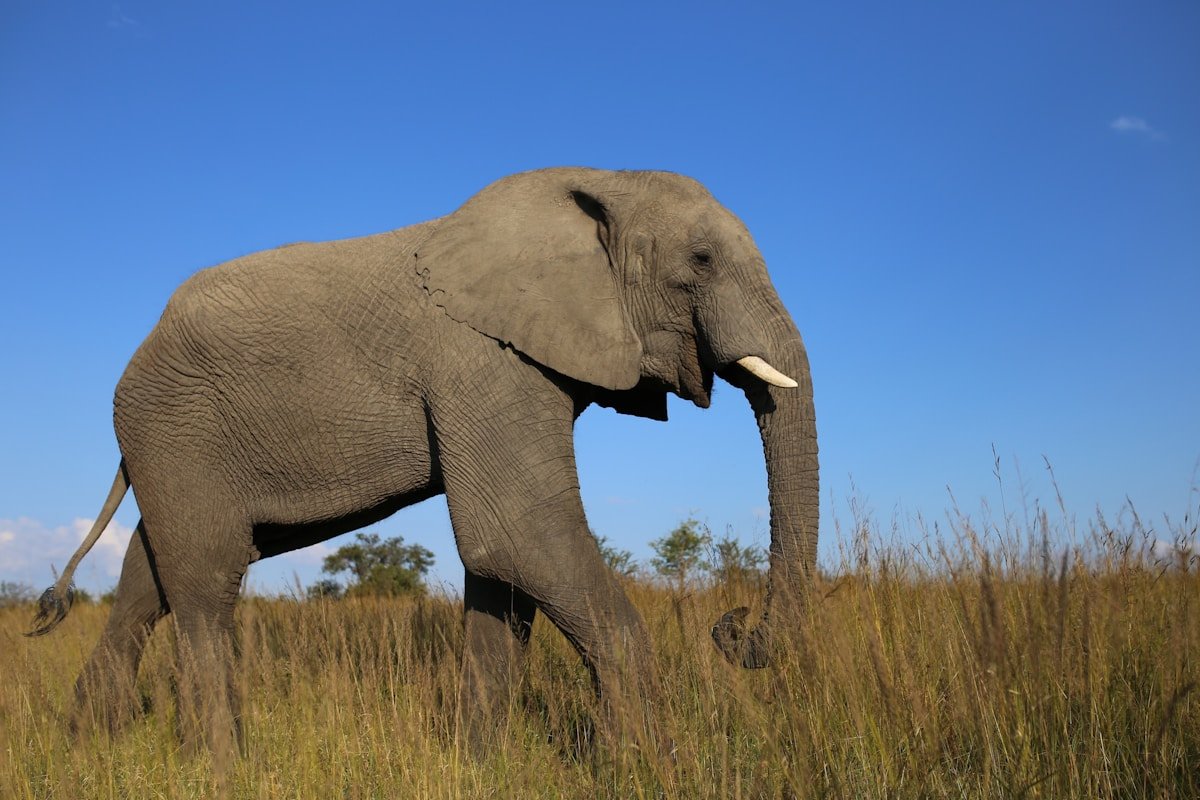
Mana Pools wildlife guide: elephant, lion, wild dog, hippo and leopard species - habitats, seasonal behaviour, and the Zambezi floodplain ecosystem.
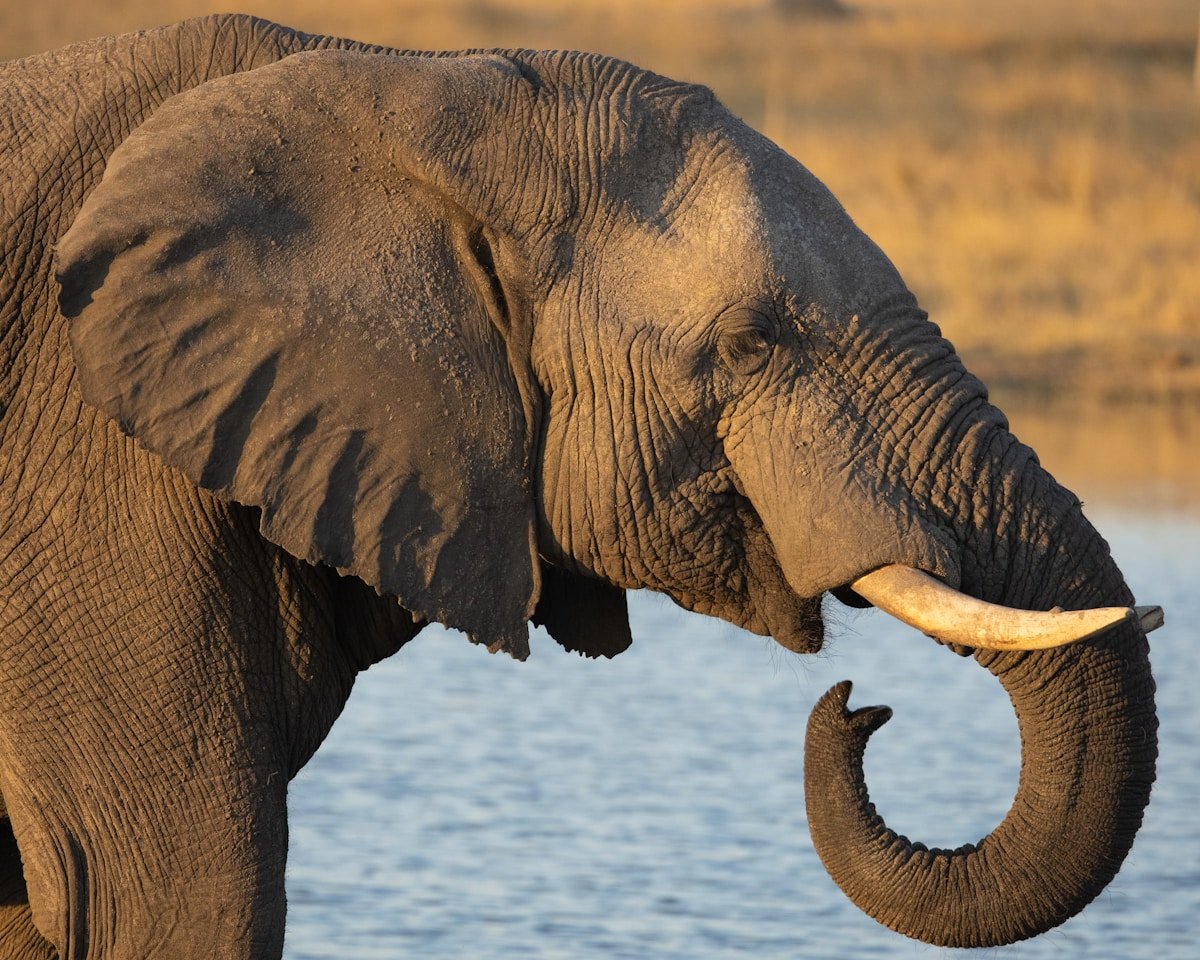
Hwange wildlife: elephant herds, lion prides, wild dogs and all Big Five species - habitat breakdown, behaviours, and seasonal patterns per species.
City-specific safari guides with lodge picks, game drive options, and booking advice.
Plan your safari