History & Heritage
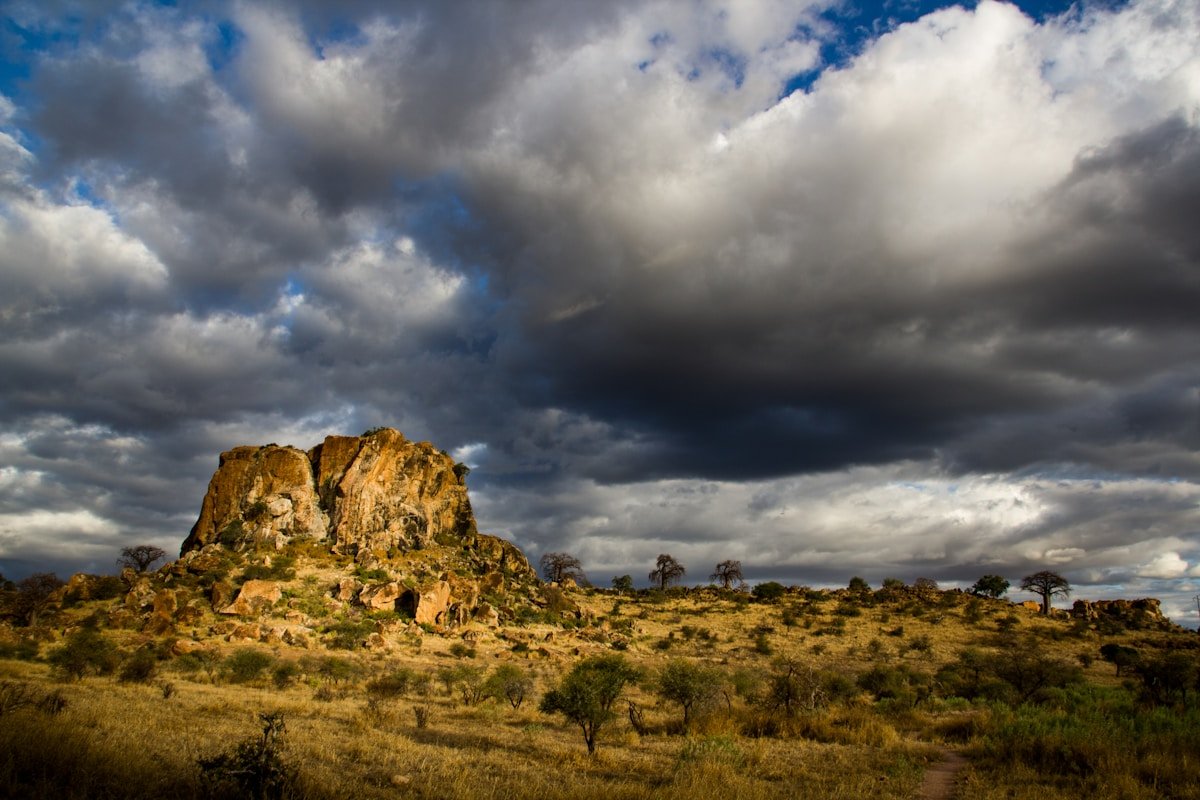
Cecil Rhodes Grave at View of the World, Matobo Hills
Cecil Rhodes chose the Matobo Hills as his burial site. Our guide covers the View of the World, colonial legacy, visiting hours and how to get.
Heritage
Zimbabwe takes its name from Great Zimbabwe, the largest stone structure in sub-Saharan Africa south of the Sahara. Built between the 11th and 15th centuries by the ancestors of the Shona people, this UNESCO World Heritage Site is the centrepiece of the country's pre-colonial history. The Zimbabwe Bird, carved from soapstone and found at the ruins, is the national emblem and appears on the flag, currency, and coat of arms.
Beyond Great Zimbabwe, the country holds Khami Ruins (another UNESCO site near Bulawayo), the San rock art galleries of Matobo Hills dating back over 2,000 years, and colonial-era sites from the Cecil Rhodes period. The history is complex, layered, and often contested - we aim to present it with accuracy and respect for all perspectives.
In-depth guides to Zimbabwe's historical sites, ruins, and cultural heritage.
Cecil Rhodes chose the Matobo Hills as his burial site. Our guide covers the View of the World, colonial legacy, visiting hours and how to get.
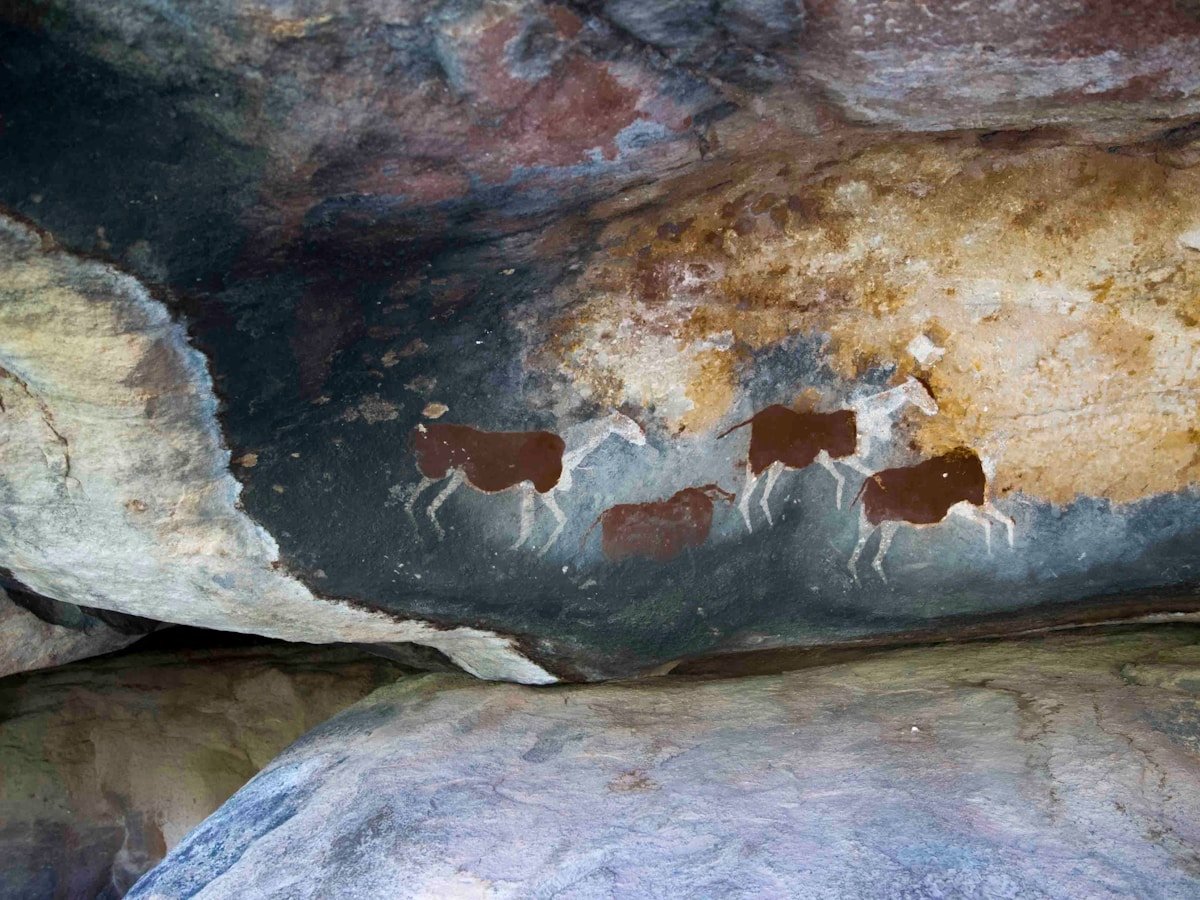
Matobo Hills San rock art guide: Nswatugi Cave, White Rhino Shelter and Bambata Cave explained, with visiting tips, photography rules and access details.
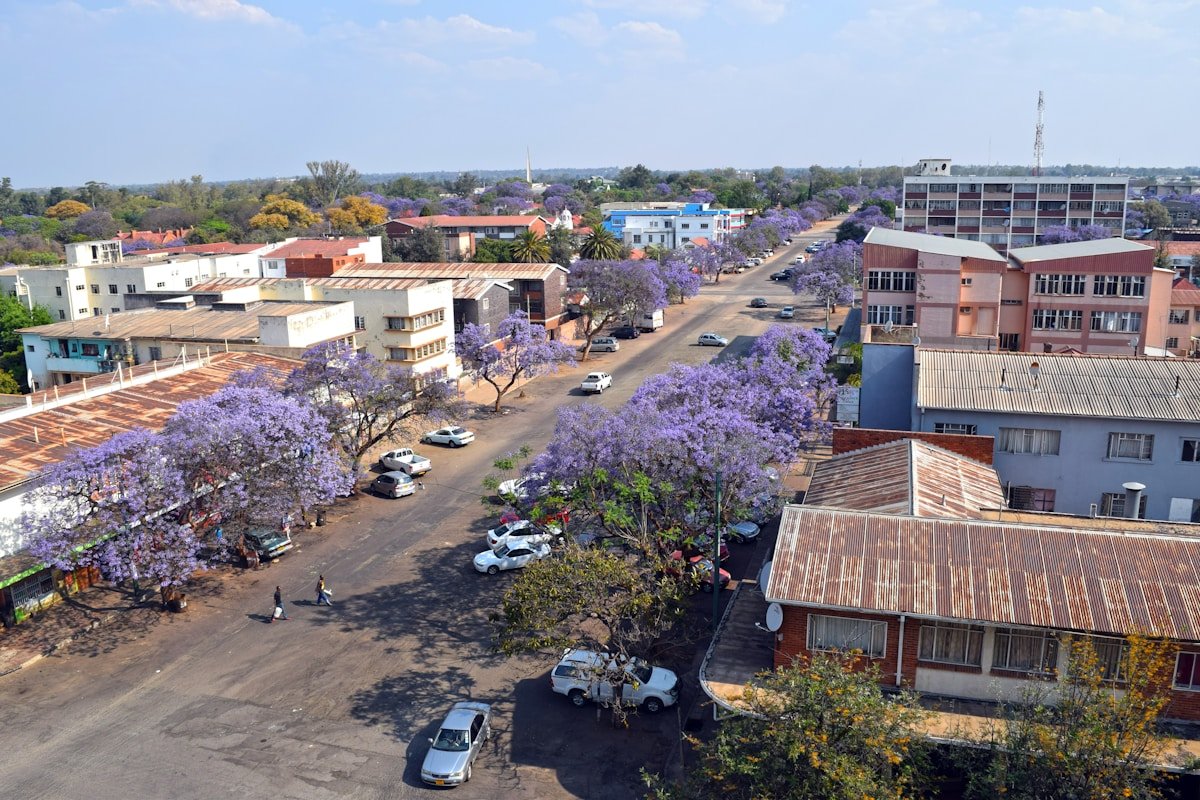
Khami Ruins near Bulawayo: a UNESCO World Heritage Site and former capital of the Torwa-Rozvi state. Entry fees, visiting tips, and what to see.
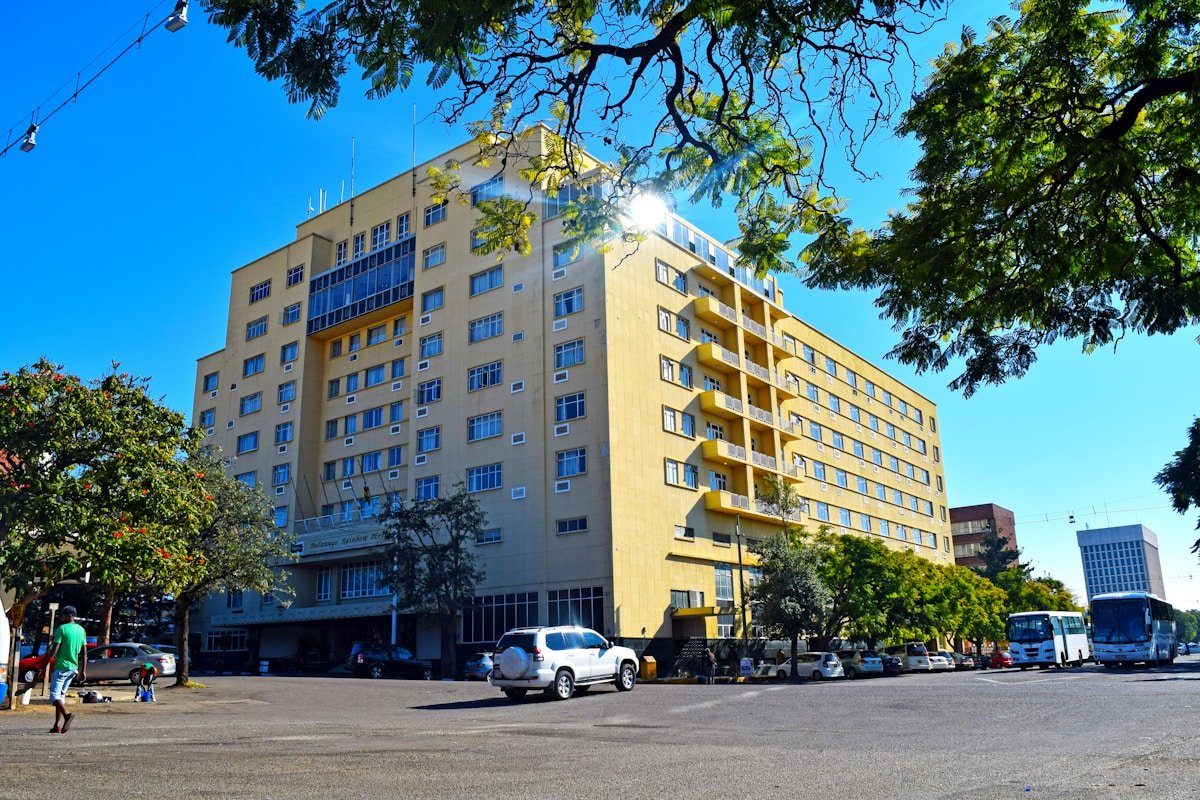
From British South Africa Company rule to Rhodesia, UDI, the liberation war and independence in 1980. Museums and historical sites included.
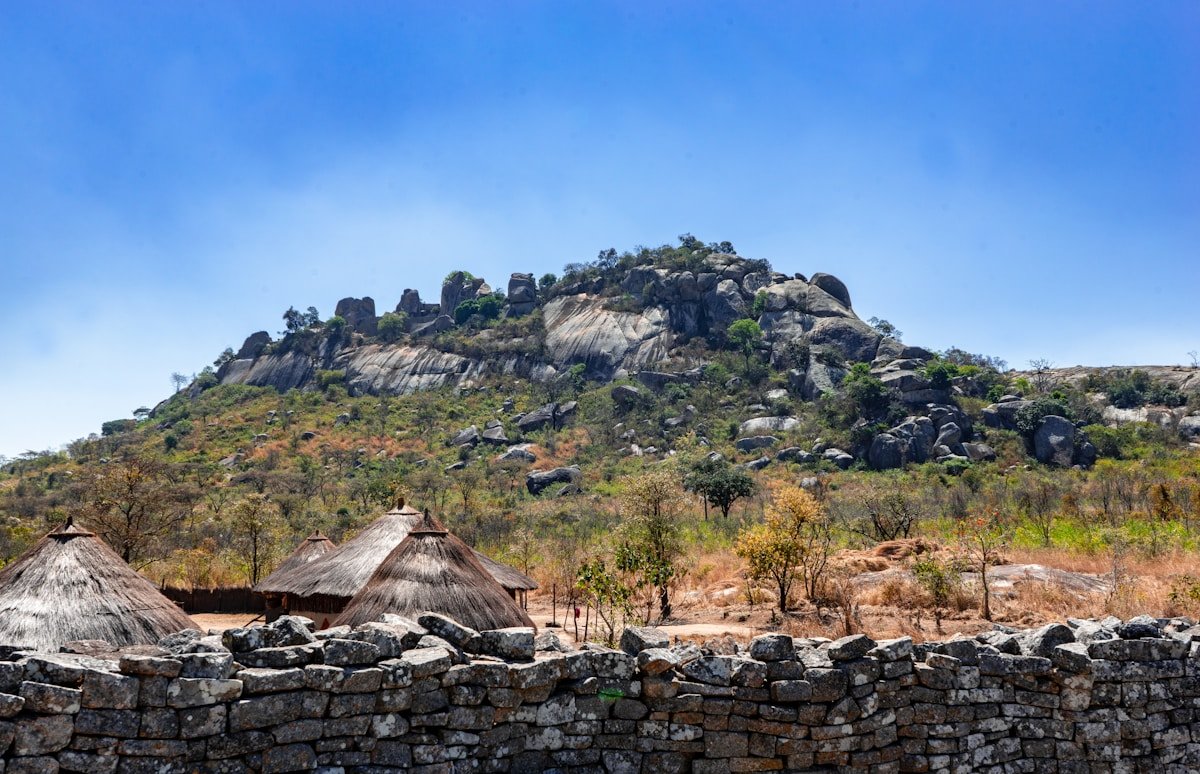
Great Zimbabwe: history of the medieval Shona kingdom, the stone enclosures built from 1100 AD, and why this UNESCO site gave the country its name.
Explore Zimbabwe's heritage