Harare
Harare is Zimbabwe's capital city and travel hub: National Gallery, Mukuvisi Woodlands, Avondale restaurants and hotels from $30/night.
Explore
Victoria Falls drops more water than any other waterfall on earth — the spray soaks you from 500 metres away and the rainforest on the Zimbabwe side stays permanently wet. Matobo Hills has the highest density of rock paintings in Africa and white rhino on foot with a guide. Hwange National Park has one of Africa's largest elephant populations; May to October gives the best game viewing as animals gather at waterholes. Each guide covers park entry fees, camp vs lodge costs, and honest advice on which activities are worth the premium.
Harare is Zimbabwe's capital city and travel hub: National Gallery, Mukuvisi Woodlands, Avondale restaurants and hotels from $30/night.
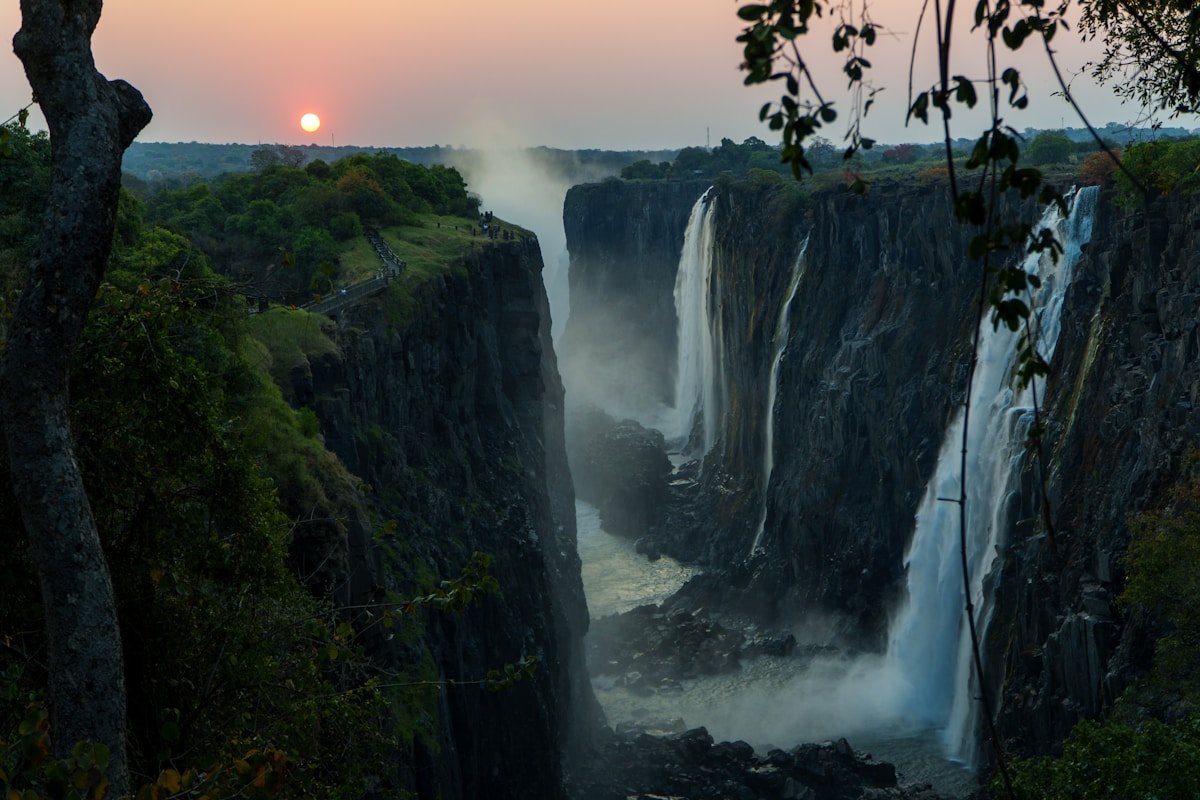
Gorge viewpoints, bungee jumping, helicopter tours, and white-water rafting highlight Zimbabwe's side of Victoria Falls - more access, fewer crowds.
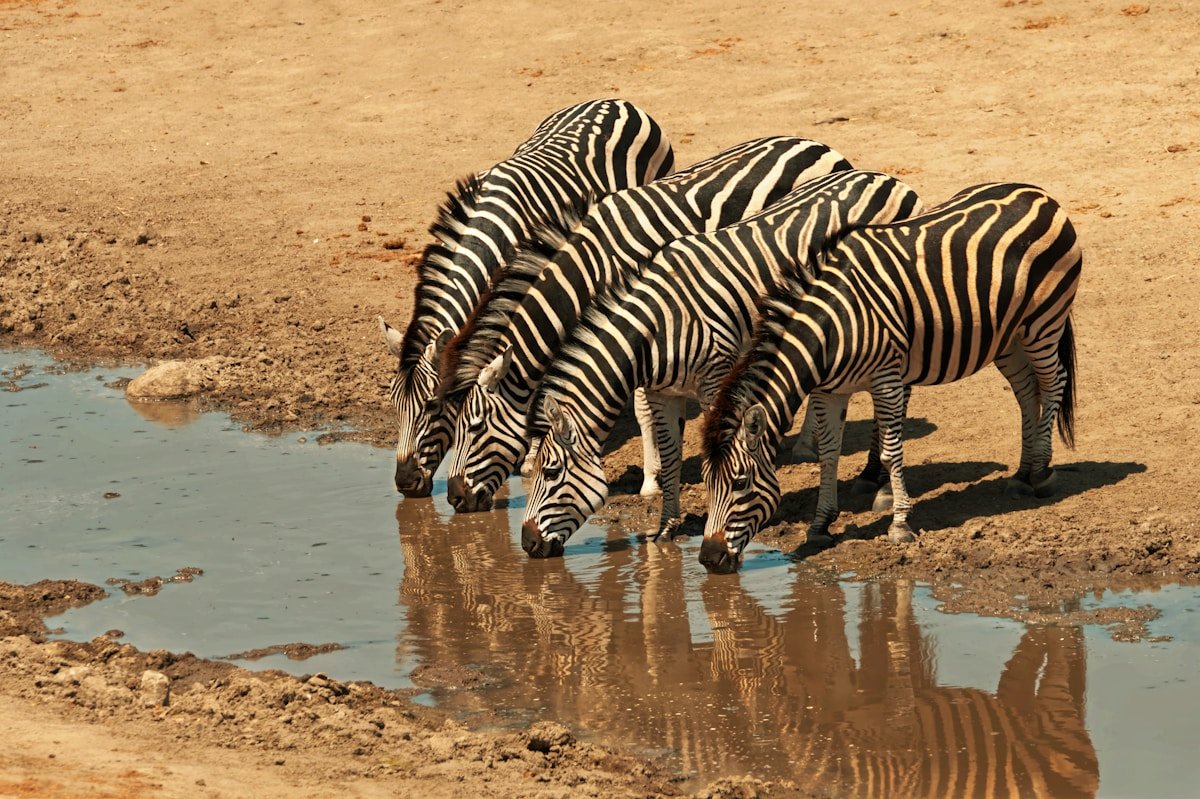
Bulawayo has Africa's finest natural history museum, Victorian streets, and the rhino-rich Matobo Hills just 35km south: an underrated Zimbabwe.
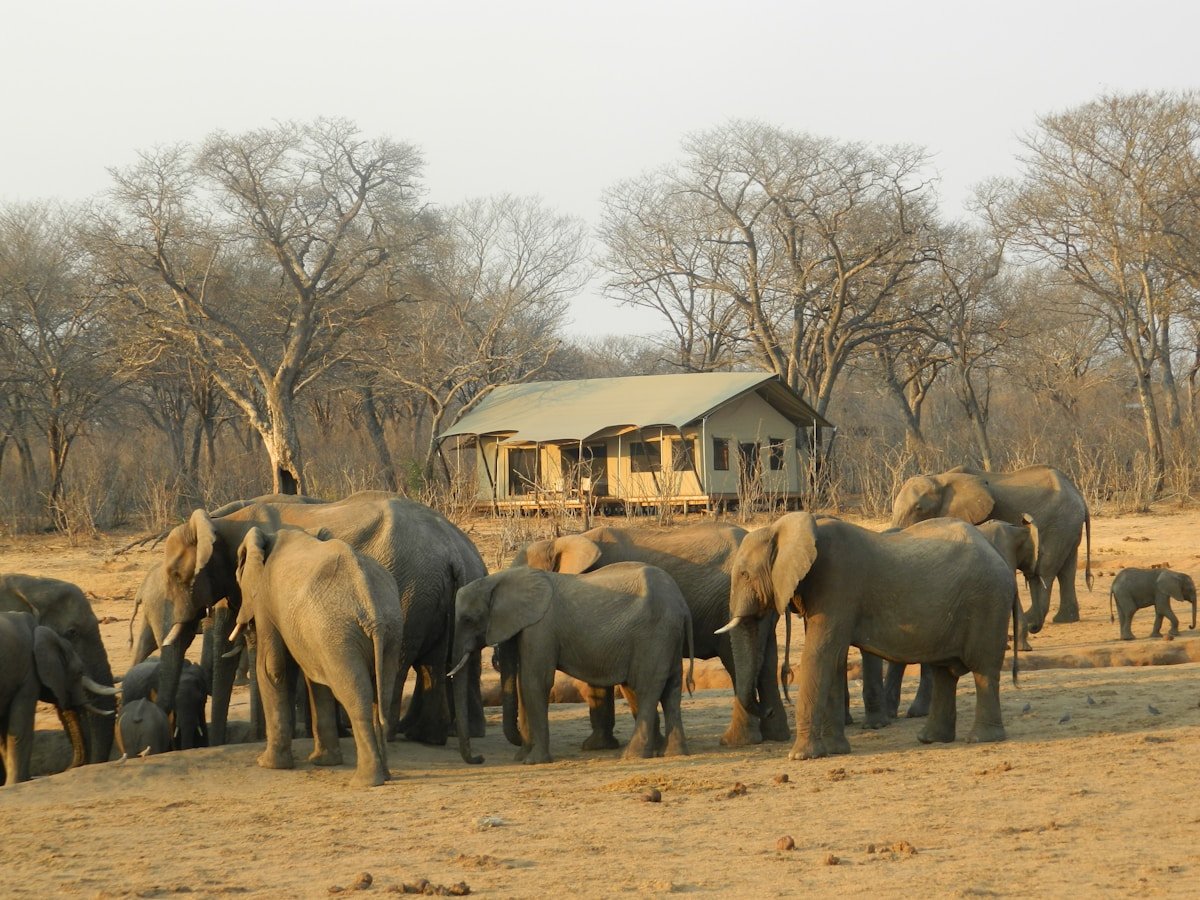
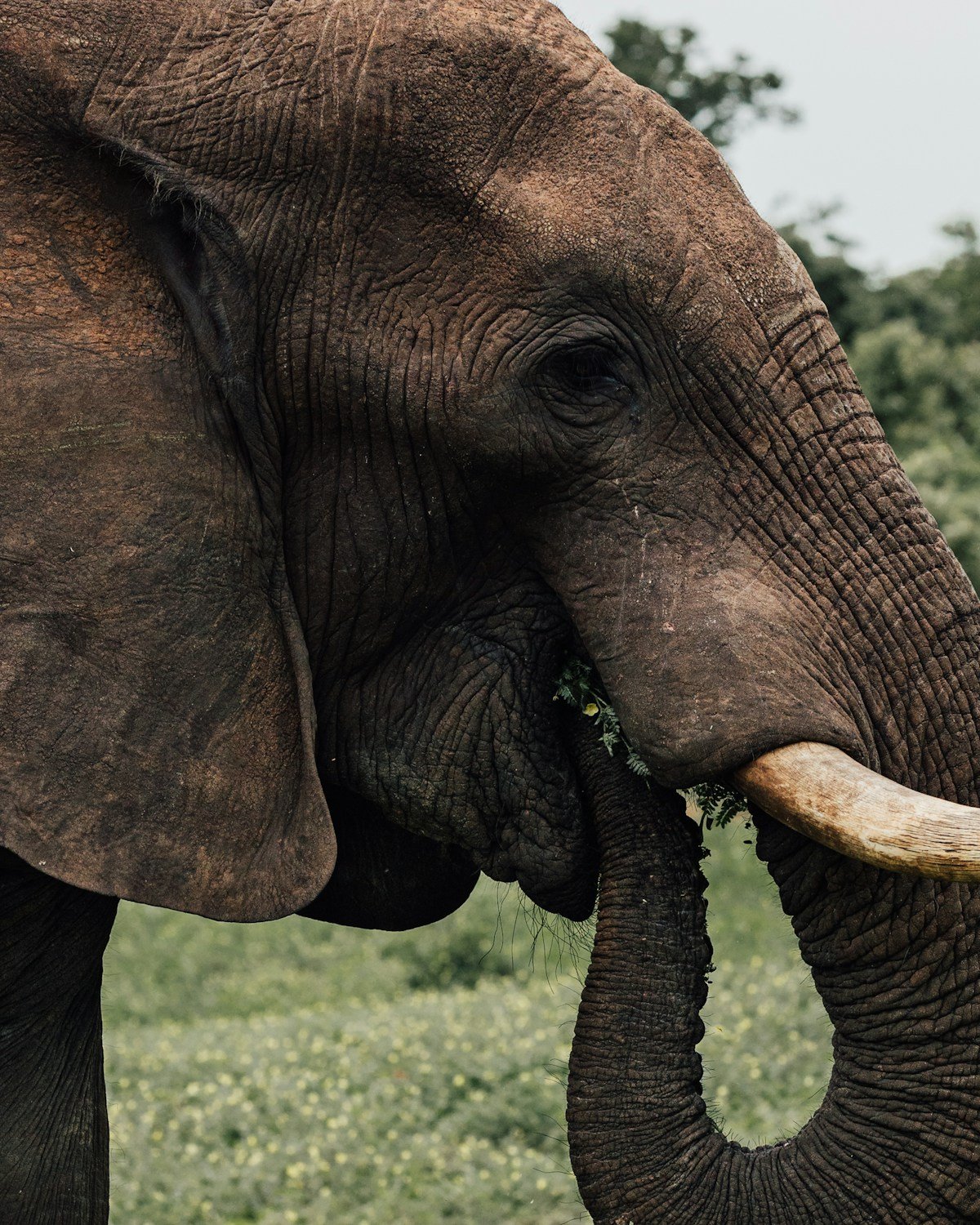
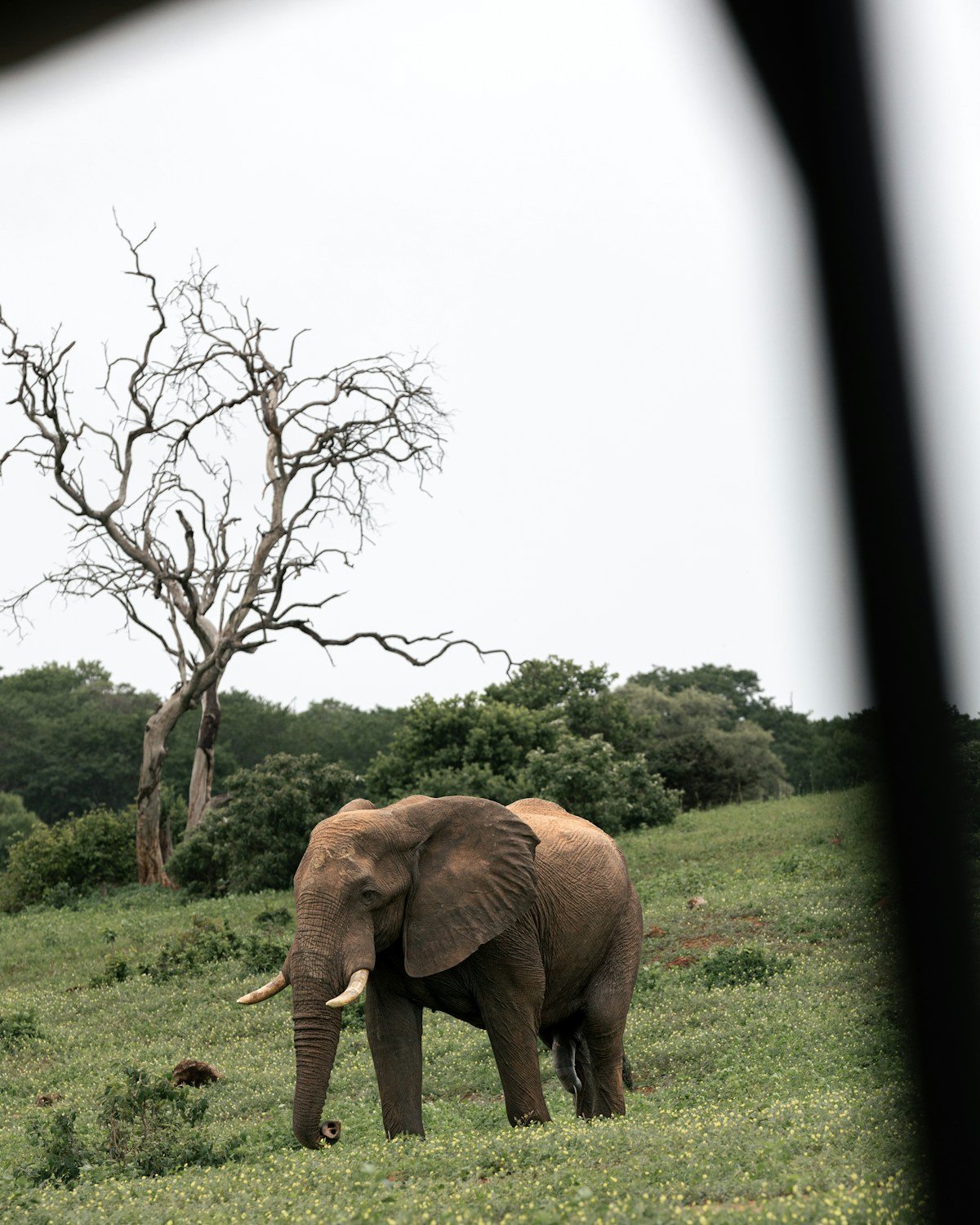
Hwange's 40,000 elephants are just the headline act. Wild dogs, lions, and 400 bird species make this Zimbabwe's most wildlife-dense national park.
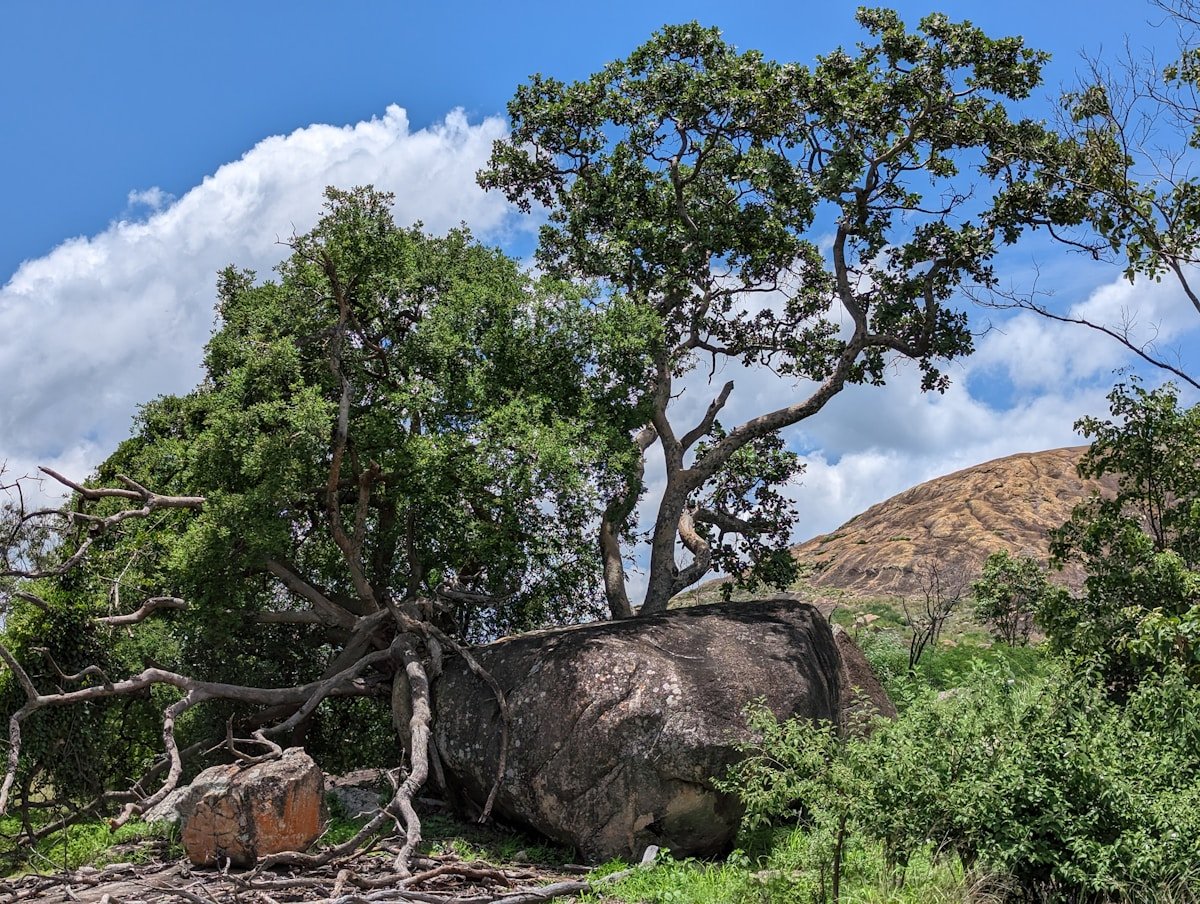
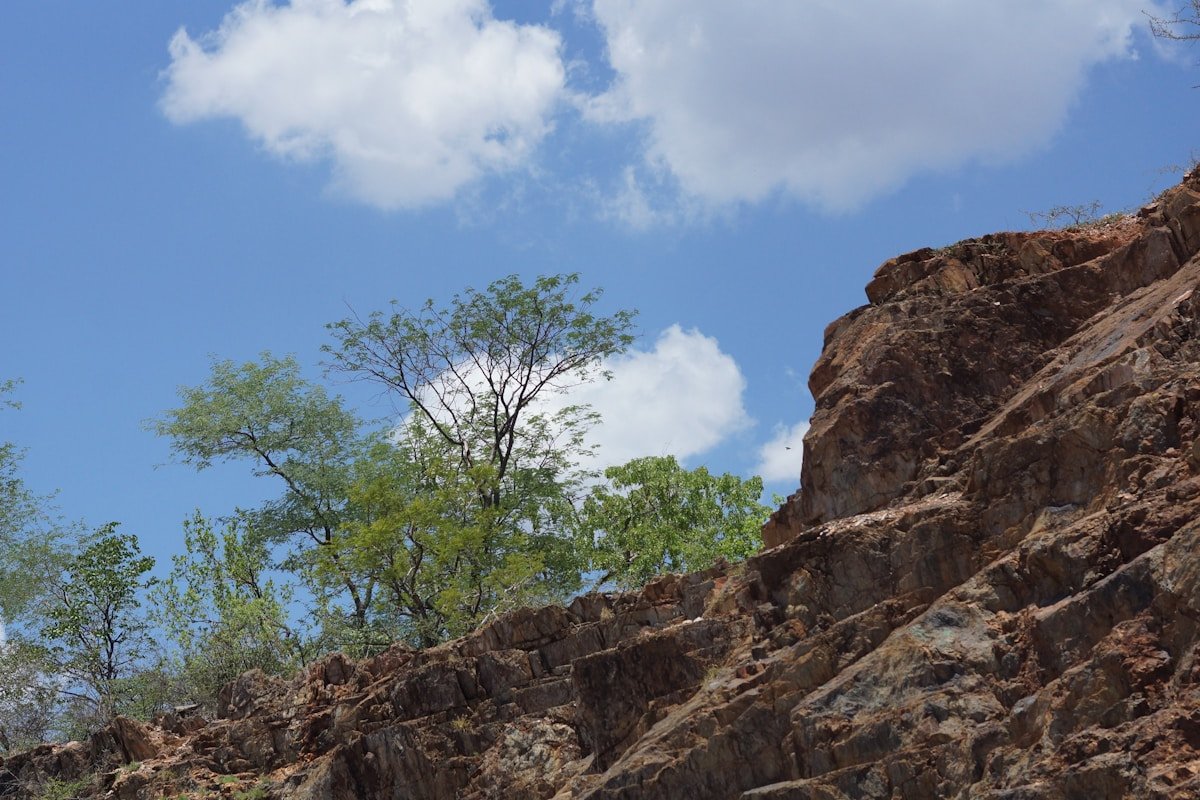
Matobo Hills: white rhino tracking, 3,000-year-old San rock art, and UNESCO granite domes - 35km south of Bulawayo with full visitor guide.
Towering granite walls built without mortar mark where an 11th-century city of 18,000 once stood. Great Zimbabwe is Africa's largest.
Base yourself in Masvingo for Great Zimbabwe's UNESCO ruins, then take a boat trip on Lake Mutirikwi for crocodile spotting and birdwatching.
Chimanimani rewards walkers who make the journey: high-altitude trails, cascading waterfalls, and raw mountain wilderness in Zimbabwe's far.
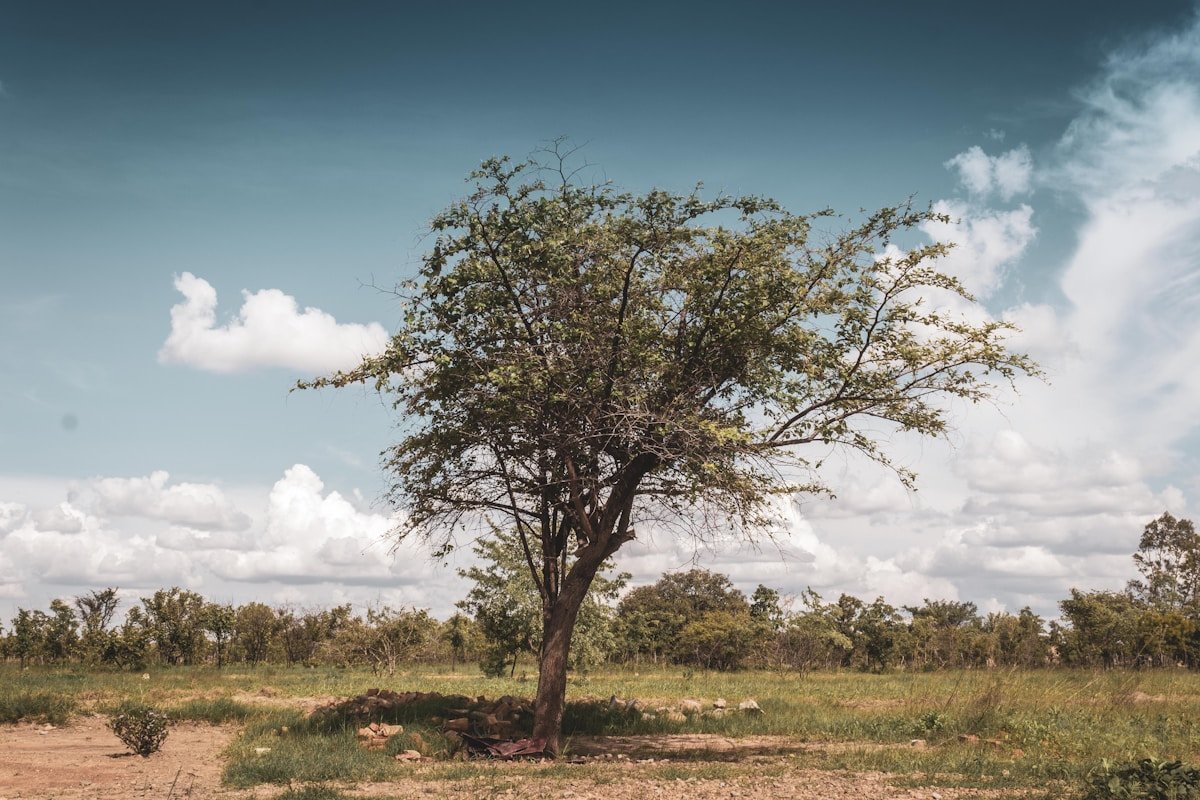
Mutare, Zimbabwe's Eastern Highlands gateway: day tours to Bvumba's botanical gardens, Nyanga mountain hikes, restaurants and getting there from Harare.
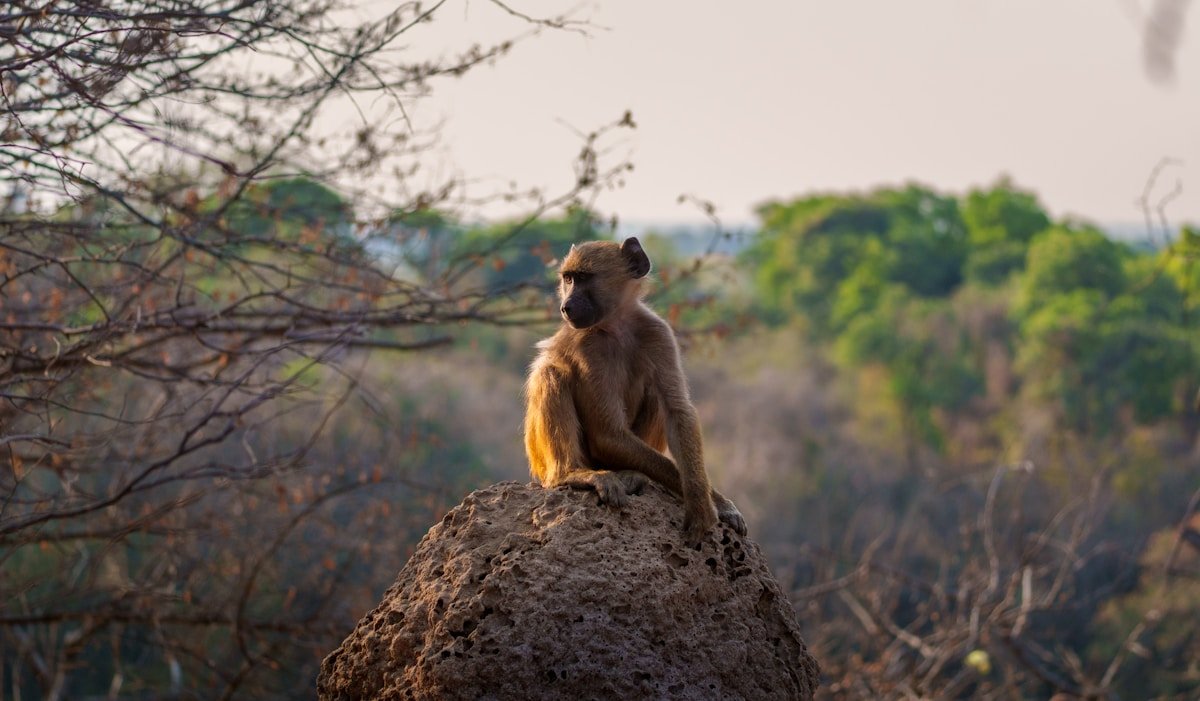
Zimbabwe's highest ground centres on Nyanga: climb Mount Nyangani, fish for trout in high-altitude streams, and stay by a log fire at Troutbeck.
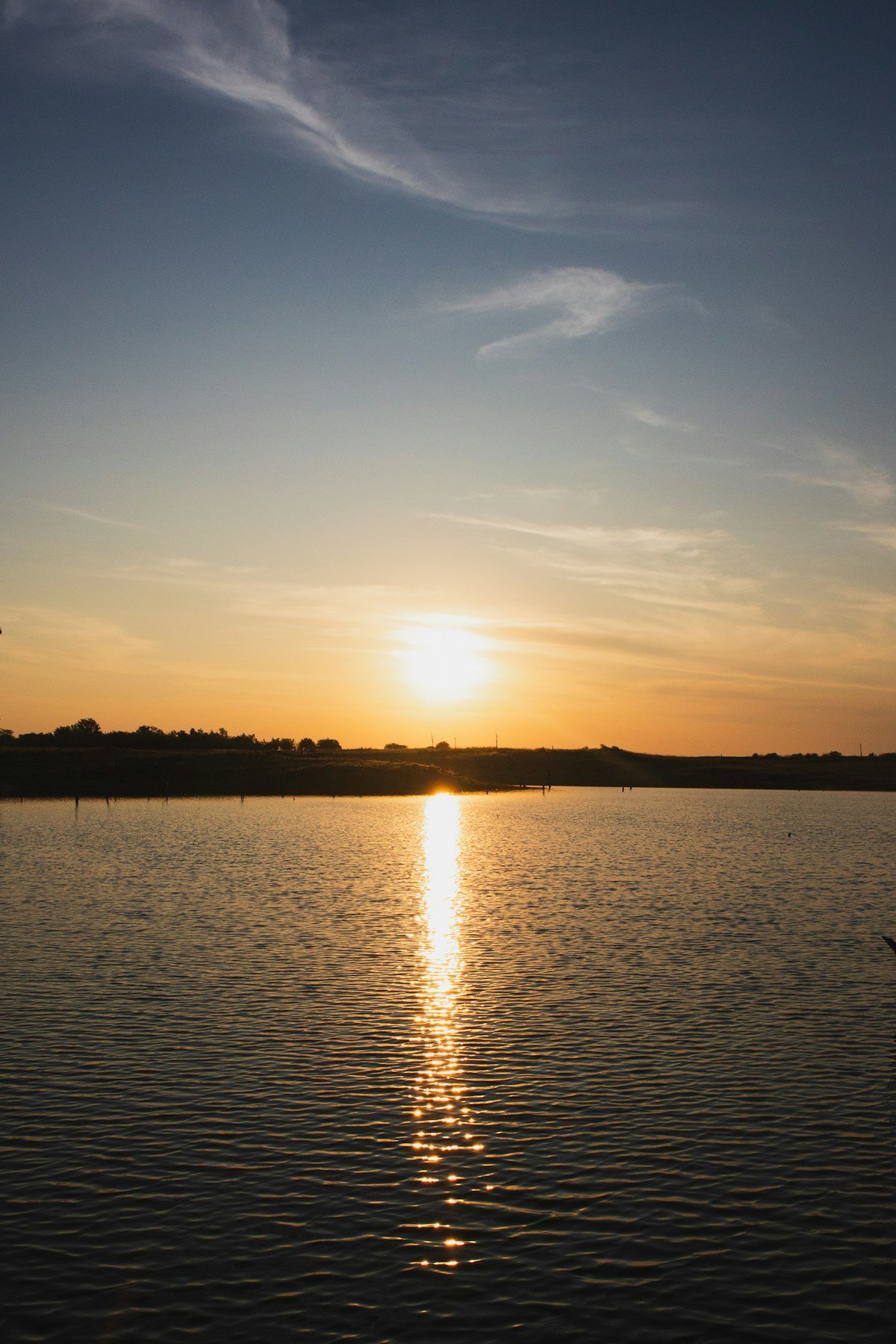
Africa's largest reservoir offers something no game drive delivers: hippos surfacing beside your houseboat at dusk and world-record tiger.
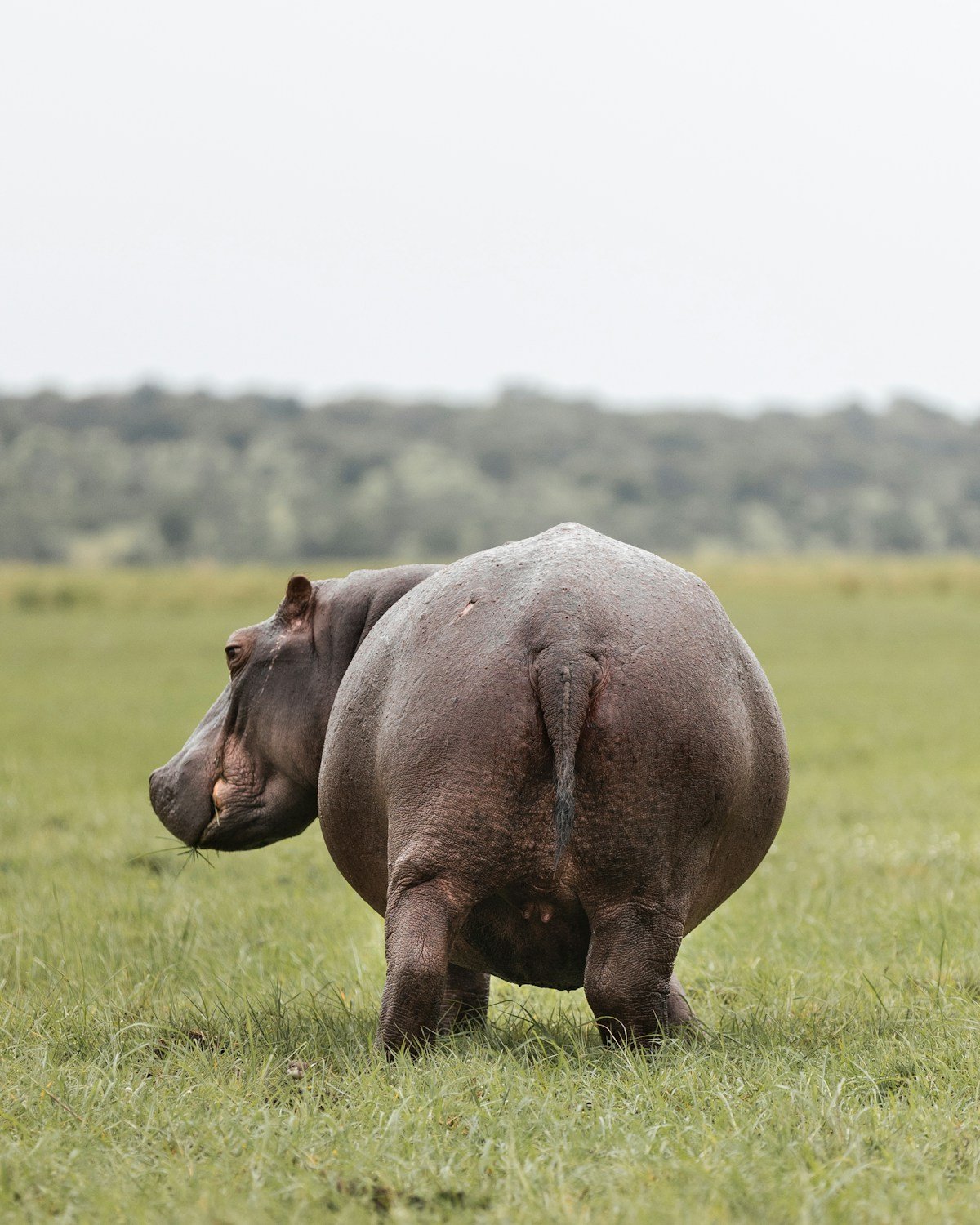
Walk among elephants without a guide, canoe past hippos on the Zambezi: Mana Pools is Zimbabwe's most unscripted safari and a UNESCO World.