Food & Drink
Where to Eat at Victoria Falls - Restaurants, Local Food
The best restaurants at Victoria Falls by price tier, local dishes to try, and where to eat on the Zambian side, a practical food guide for the Falls.
Zimbabwean Cuisine
Zimbabwean food is built around sadza, the maize porridge that anchors nearly every meal. What makes it interesting is not sadza itself but the relishes, stews, and grilled meats served alongside it. Peanut butter (dovi) appears in stews and greens in ways that visitors rarely expect. The braai (barbecue) culture is strong, and roadside grills produce some of the best-value grilled meat in Southern Africa.
Eating well in Zimbabwe is affordable outside of safari lodge dining. A plate of sadza and nyama at a local restaurant costs $2-5. Biltong and boerewors from good butcheries are significantly cheaper than in South Africa. Harare has the widest restaurant scene, including Indian, Chinese, and modern African cuisine. Victoria Falls caters more to tourists but still has good local food if you step away from the main strip.
Each city guide includes a dedicated food page covering must-eat dishes, local specialities, and where to eat them.
Eight foods and drinks that define the Zimbabwean table - from the daily staple to the braai classics.
The staple of Zimbabwean cuisine - a thick, stiff porridge made from white maize meal. Sadza is eaten with nearly every main meal, shaped into balls by hand and used to scoop up relishes, stews, and grilled meats. The taste is mild; the relish pairing defines the meal. Every household and restaurant has its own approach.
Beef, goat, and chicken grilled over open coals, typically served with sadza and a tomato-onion relish. Braai (barbecue) culture is strong across Zimbabwe, particularly in Harare and Bulawayo. Roadside grills serve nyama choma (charcoal-grilled meat) from as little as $2-3 for a generous plate.
A coiled beef and spice sausage brought by Southern African farming culture, now a staple at any Zimbabwean braai. Cooked over coals and served in a roll or alongside sadza. Available at butcheries, supermarkets, and roadside vendors across the country. Quality varies - Colcom is the most widely recognised brand.
Air-dried, cured meat (usually beef) seasoned with coriander, pepper, and vinegar. Zimbabwe produces some of Southern Africa's best biltong. Sold in strips or sliced at butcheries, petrol stations, and specialist vendors. A popular road-trip snack and pub accompaniment. Expect to pay $8-15 per kilogram.
Tiny dried sardine-like fish from Lake Kariba and Lake Tanganyika, fried crispy and served as a relish with sadza. A major protein source across Zimbabwe, particularly in rural areas. The dried fish are cooked with tomatoes, onions, and sometimes peanut butter. An acquired taste for visitors but central to the national diet.
A collective term for cooked leafy greens - typically rape (collard greens), covo, or pumpkin leaves - sauteed with tomato, onion, and sometimes peanut butter. Served as a side with sadza. Muriwo unedovi (greens with peanut butter sauce) is the most distinctively Zimbabwean preparation.
A rich stew made from peanut butter, tomatoes, onions, and usually chicken or beef. Served over sadza. Peanut butter (called dovi) is a defining ingredient in Zimbabwean cooking, used in stews, relishes, and vegetable dishes. The flavour is savoury, not sweet.
Zimbabwe's traditional sorghum beer, sold in distinctive green cartons. Thick, slightly sour, and low in alcohol (around 3-4%). Still brewed commercially by Delta Corporation using traditional methods. Available at bottle stores and beer halls across the country. An experience rather than a refined drink.
Zimbabwe's most diverse food city. Beyond traditional restaurants, Harare has a growing cafe culture in Borrowdale and Avondale, good Indian food (particularly in the Eastlea area), and upscale dining at places like Amanzi and The Fishmonger. The Mbare Musika market is the raw, unfiltered food experience.
Food guide to Harare →Bulawayo has a distinct food identity shaped by Ndebele cuisine and a strong braai culture. The city's butcheries produce excellent biltong and boerewors. Local restaurants serve generous portions of sadza ne nyama at prices well below Harare. The Bulawayo Club and surrounding area have a handful of more formal dining options.
Restaurants in Bulawayo →The most tourist-oriented food scene in Zimbabwe. The Lookout Cafe (overlooking the gorge) and The Three Monkeys are the best-known restaurants. For local food at local prices, head to Chinotimba township. Game meat (crocodile, impala, warthog) appears on several menus here and rarely elsewhere.
Restaurants in Victoria Falls →In-depth guides to the cuisine, restaurants, and food scene.
The best restaurants at Victoria Falls by price tier, local dishes to try, and where to eat on the Zambian side, a practical food guide for the Falls.
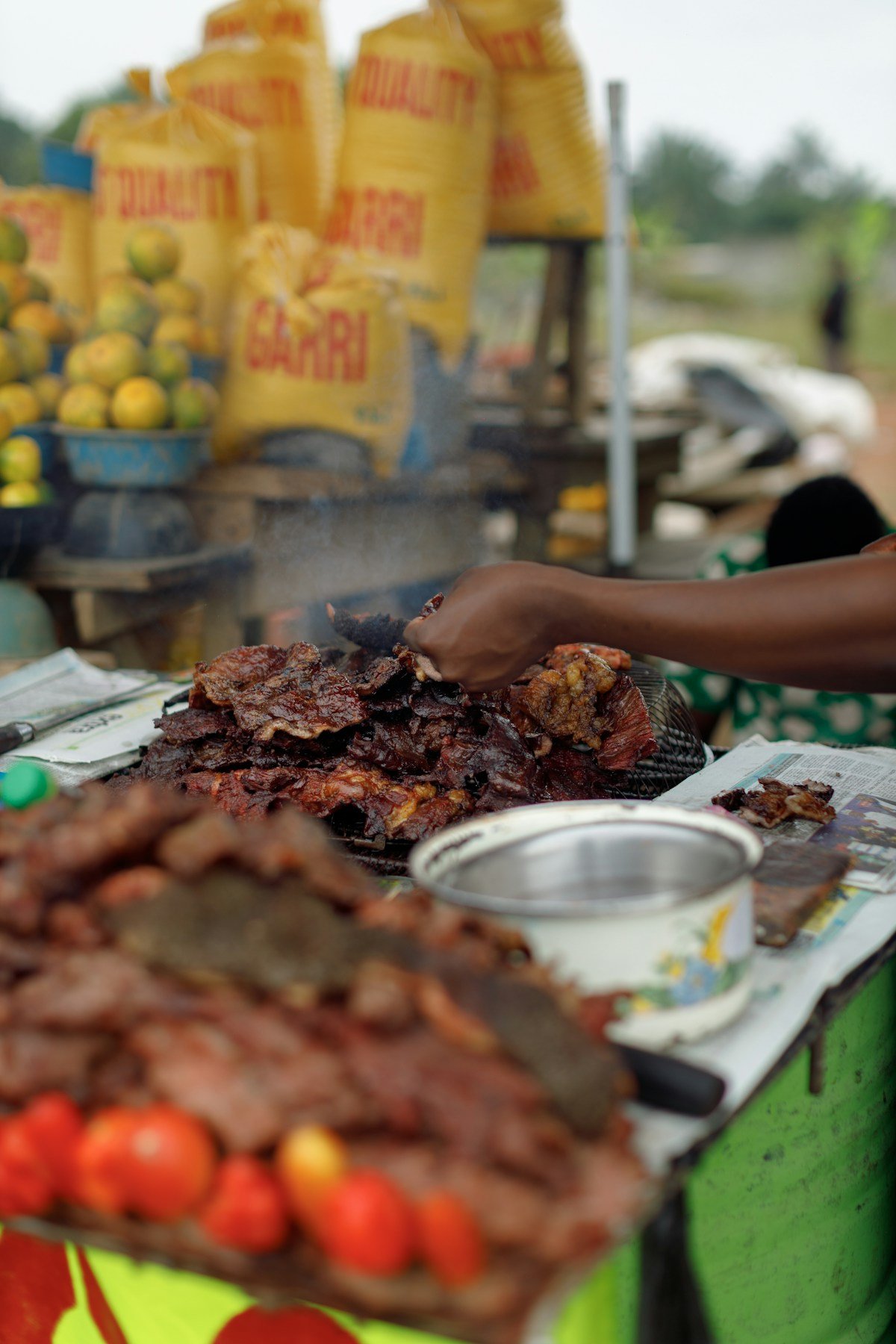
Zimbabwe street food: roasted maize, vetkoek and braai meat. Where to find it in Harare markets, what it costs and what to eat first.
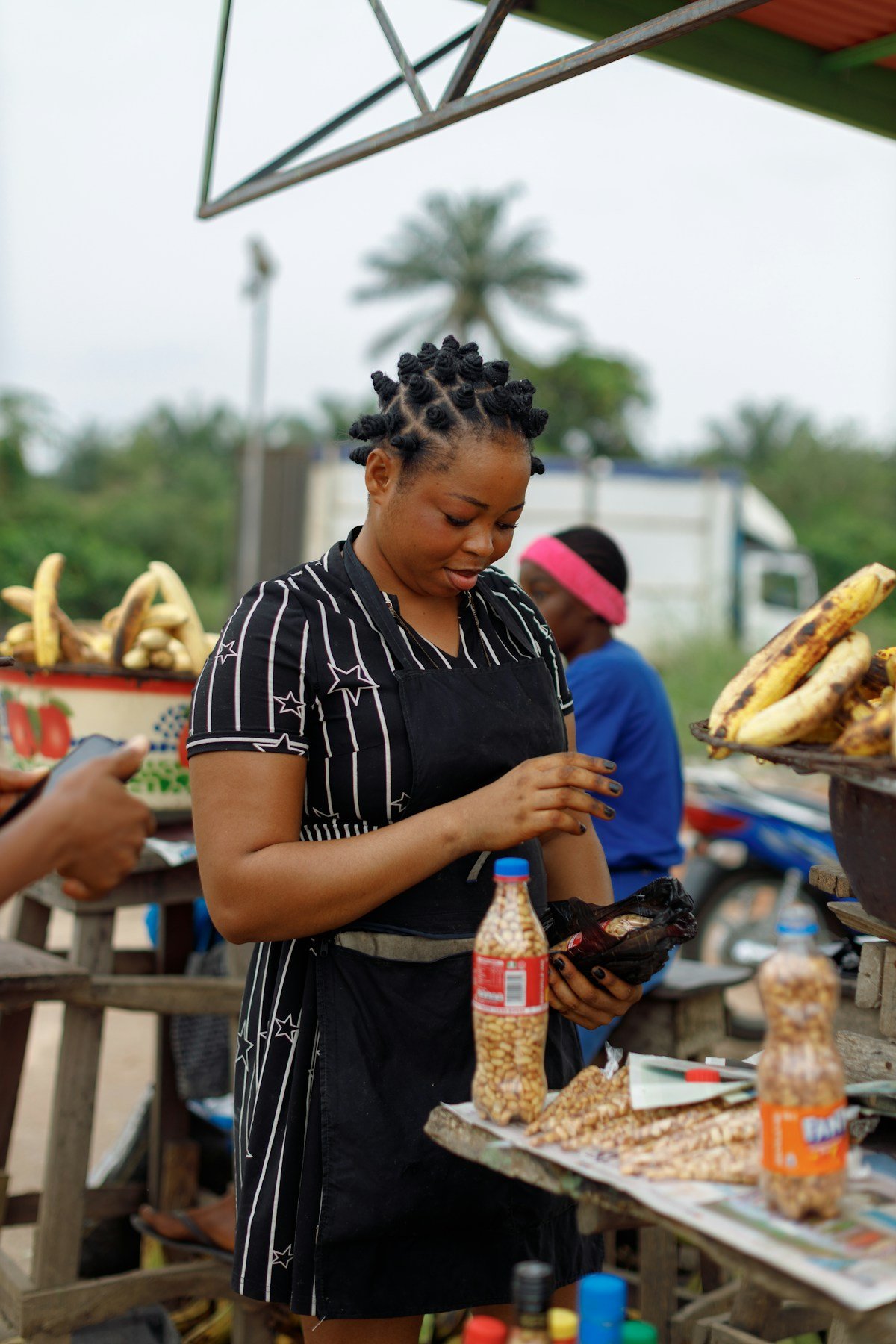
Zimbabwe's traditional foods: sadza, nyama choma, mopane worms, dovi and maputi; what to order, how it's cooked and where to eat it in Harare.
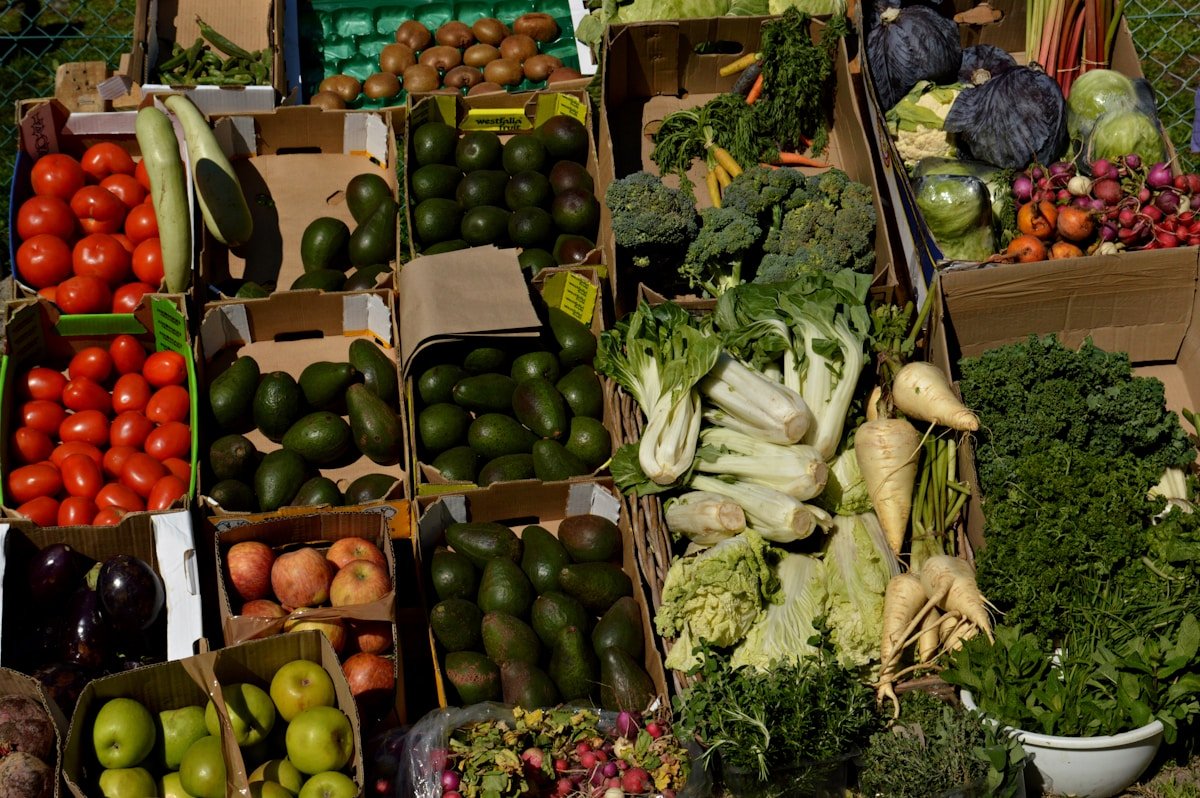
Zimbabwe is meat-heavy, but vegetarians eat well with the right dishes. Plant-friendly restaurants in Harare and Bulawayo, plus supermarket options.
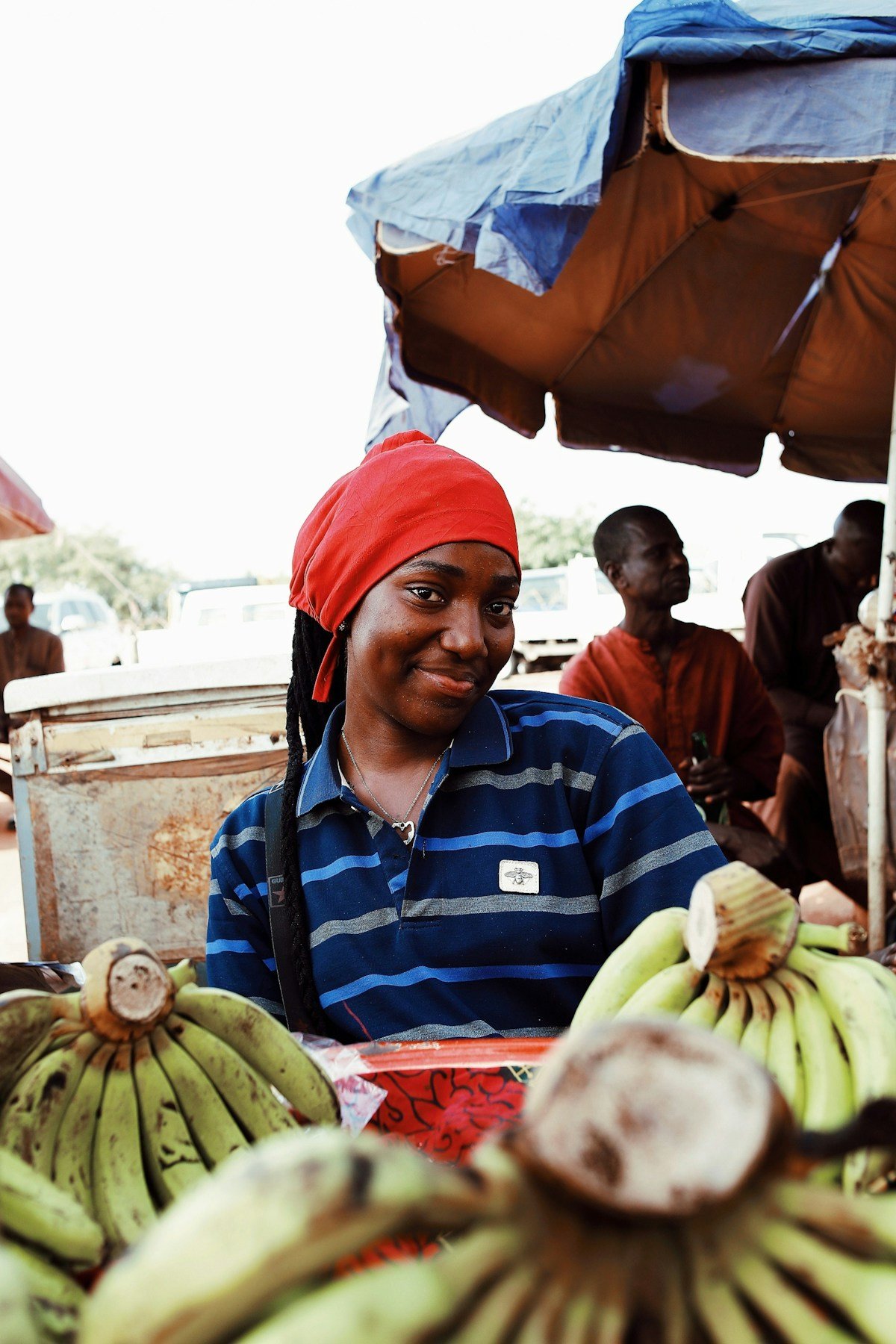
Zimbabwe's markets are where food culture comes alive: from Mbare Musika in Harare to Bulawayo's craft markets and Eastern Highlands produce.
Explore the food scene city by city