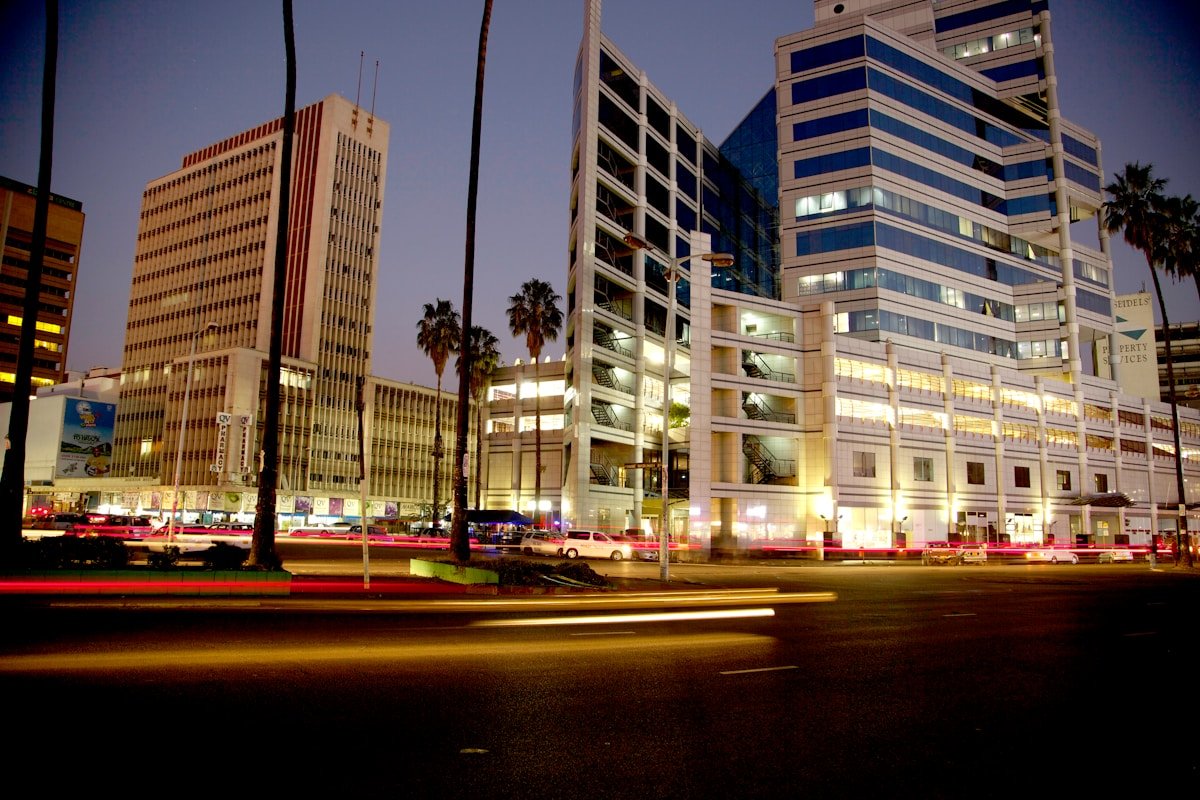
Harare is Zimbabwe’s capital and largest city - a sprawling mix of colonial-era avenues, chaotic markets, prosperous northern suburbs, and an unexpectedly strong arts culture. Most visitors use it as a transit hub for onward travel to Victoria Falls, Hwange, or the Eastern Highlands, but the city rewards a day or two of deliberate exploration. The food scene is among the best in southern Africa, and the stone sculpture and visual art traditions here are genuinely world-class.
Chapungu Sculpture Park
Chapungu Sculpture Park in the Msasa suburb is the best single destination in Harare. The park covers several hectares of garden and displays over 60 large-scale Shona stone sculptures in an outdoor setting - the work of Zimbabwe’s famous stone-carving tradition, which gained international recognition from the 1960s onwards. Sculptors including Henry Munyaradzi, Nicholas Mukomberanwa, and Locardia Ndandarika are represented. Viewing the work in an outdoor garden setting, with sculptures emerging from planted rocks and trees, is a completely different experience from seeing them in a gallery.
Entry costs approximately USD 5 per person as of 2026. Open Monday to Saturday, 09:00–17:00. The adjacent Chapungu crafts shop sells smaller pieces at fixed prices and the quality is high - genuine work by the same carvers, not imported curios.
National Gallery of Zimbabwe
The National Gallery on Julius Nyerere Way in the CBD houses one of southern Africa’s better permanent collections of contemporary African art and Zimbabwean sculpture. The rotating exhibitions have featured work by international artists as well as the dominant names in Zimbabwean stone sculpture. The permanent collection includes significant examples of Shona sculpture and traditional Ndebele craft work.
Entry costs approximately USD 3 per person as of 2026. Open Tuesday to Sunday, 09:00–17:00. The gallery gift shop stocks a curated selection of prints and craft items. The café in the courtyard is a pleasant lunch stop.
Mbare Musika Market
Mbare Musika is Harare’s main urban market - a sprawling, partly covered complex about 3 kilometres south of the CBD that functions as the city’s wholesale produce centre and retail hub for second-hand goods, fabrics, and household items. It is chaotic, crowded, and entirely authentic. Arrive between 08:00 and 11:00 when the produce stalls are at their busiest. You will find towers of watermelons, pyramids of tomatoes, sacks of dried beans, fresh herbs, second-hand clothes sorted by category, cassette tapes, and hand-painted signboards.
A visit here with a local guide is worthwhile - the scale and sensory overload can be disorienting without context. Several community tour operators in Harare (including Dzidza Arts and Mbizi Arts) run structured Mbare tours with guides who can explain what you are seeing and introduce you to specific traders. You can also compare guided Harare tours that include market visits alongside other city highlights. Expect to pay approximately USD 25–40 for a guided two-hour tour as of 2026.
National Botanical Gardens
The National Botanical Gardens on Fifth Street (about 4 kilometres north of the CBD in the Greendale area) cover 67 hectares of landscaped garden with over 900 indigenous Zimbabwean plant species, including baobab trees, wild figs, and a dedicated succulent collection. The garden is quiet on weekday mornings, well-maintained, and popular with bird enthusiasts - over 100 bird species have been recorded here. Entry is approximately USD 3 per person as of 2026. Open daily 08:00–17:00.
The gardens also house the Zimbabwe National Herbarium, a research institution with a significant botanical reference collection.
Borrowdale Brooke and the Northern Suburbs
The Borrowdale area (about 12 kilometres north of the CBD) is Harare’s most prosperous suburb, home to upmarket shopping centres, good restaurants, and the Borrowdale Racecourse. The racecourse holds meetings roughly monthly; checking the Zimbabwe Thoroughbred Racing schedule in advance is worthwhile if the timing works. The Ascot complex near Borrowdale Racecourse has several well-regarded restaurants.
The Village shopping centre in Borrowdale and Sam Levy’s Village (a few hundred metres away) are where most expats and middle-class Harare residents shop, eat, and get coffee. It is not a “typical Zimbabwe” experience by any means, but it is comfortable and gives you a different read on the city than the CBD.
Harare International Festival of Arts (HIFA)
HIFA is Zimbabwe’s largest cultural event, typically running for six days in April or May at venues across the CBD and at the Harare Gardens. The festival draws theatre, dance, music, and circus acts from across Africa and internationally, alongside local Zimbabwean performers. In years when HIFA runs, it is worth planning a visit around it. Tickets for individual shows from approximately USD 10–25; day passes from approximately USD 30 as of 2026. Check the HIFA website for current programming.
The Harare Gardens (adjacent to the HIFA main stage in season) are worth visiting year-round - a 35-hectare park in the CBD with manicured lawns, a small lake, and a bandstand used for weekend events and gatherings.
Chinhoyi Caves Day Trip
Chinhoyi Caves, approximately 115 kilometres north of Harare on the Karoi Road (about two hours by car), are one of Zimbabwe’s most unusual natural sites. A system of limestone caverns drops down to a pool of brilliant cobalt-blue water called the Sleeping Pool - the colour comes from the limestone-filtered water reflecting the sky through a natural opening above. The caves are associated with historical significance for the Shona people, and a path system allows you to walk through the main chambers and out to the poolside viewing area.
The site is managed as Chinhoyi Caves National Park. Entry is approximately USD 10 per person as of 2026. Open daily. No swimming is permitted in the main pool. Fuel up in Harare before leaving - petrol availability along this highway is unreliable.
Heritage Adventure Park Zip Line
For something more active, Heritage Adventure Park (approximately 30 kilometres northeast of the city centre near Epworth) operates Zimbabwe’s most accessible urban zip line. The course runs through a granite kopje landscape, with multiple zip lines of varying lengths giving good views across the highveld bush. It is a notably different experience from the adrenaline-focused Zambezi activities further west - the setting is quieter and the crowd younger and more local than tourist.
Sessions run daily from approximately 09:00–17:00. Expect to pay in the USD 20–40 range per person as of 2026. The park also has abseiling and bush walks making it a solid half-day activity. It is best reached by private taxi or arranged driver from Harare - standard fare is approximately USD 15–25 return with a wait.
Book the Harare Zip Line on GetYourGuide - the verified product includes equipment and a guided session on the zip line course.
Getting Around Harare
Harare’s public commuter taxis (kombis) are cheap but crowded and routes can be confusing without local knowledge. For sightseeing, use private taxis or rideshares (Vaya Africa is Zimbabwe’s main rideshare app). Negotiated fares with local taxi operators for day touring are usually good value - expect approximately USD 20–40 for a half-day city tour by private taxi. Staying connected as you move around the city is straightforward with a Zimbabwe eSIM loaded before you land.
For eating options during your stay, see our best restaurants in Harare guide. For a place to stay while you explore, search hotels in Harare on Booking.com.