Mana Pools: Walking Safaris, Canoes & UNESCO Wilderness
Walk among elephants without a guide, canoe past hippos on the Zambezi: Mana Pools is Zimbabwe's most unscripted safari and a UNESCO World.
Guides for Mana Pools
Mana Pools National Park occupies 2,196 square kilometres of lower Zambezi floodplain in northern Zimbabwe - a UNESCO World Heritage Site and Biosphere Reserve. The park takes its name from the four main pools (mana means “four” in Shona) left behind when the Zambezi shifted its course and abandoned ancient river channels. These permanent pools draw wildlife in extraordinary concentrations through the dry season.
Mana Pools is widely regarded as one of Africa’s finest wilderness safari destinations - not for luxury facilities or easy access, but for the quality and intensity of wildlife encounters, the freedom to walk, and the scale of the Zambezi landscape. It draws a specific type of visitor: those who value genuine wilderness over comfort, and who understand that the remoteness and simplicity are part of the experience.
The Wildlife
The lower Zambezi corridor is one of Africa’s most productive wildlife areas. Elephant populations here are large - herds of 50–100 are common on the floodplains, and individual bulls are so habituated to visitors that close-range encounters on foot are routine. The famous “standing elephants” of Mana - bulls that rear up on their hind legs to reach Albida tree pods - are a behaviour almost unique to this population, documented by photographers and filmmakers for decades.
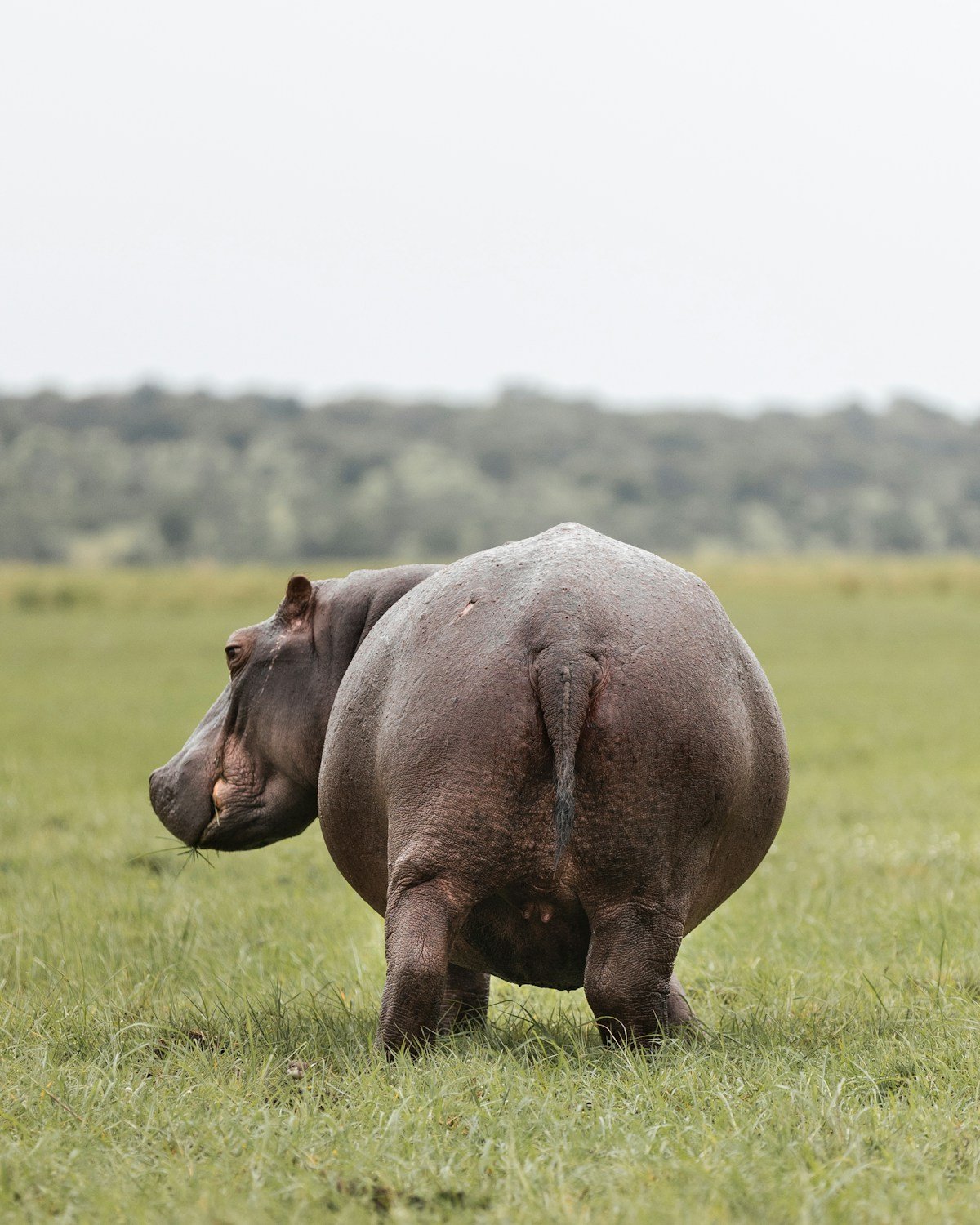
Buffalo herds of 500–1,000 move through the park seasonally. Lion prides hold territories along the river; leopard are present but less commonly seen. Wild dog - painted dogs - have a significant presence and are one of the park’s exciting unpredictable sightings. Hippo pools dot the river and the main pools; hippo in the hundreds. Crocodile populations along the Zambezi are substantial.
Birdlife is exceptional: the floodplains attract raptors in impressive diversity, and the broad-leafed woodland holds species difficult to find elsewhere in Zimbabwe.
Activities
Walking without a guide is legally permitted for registered Mana Pools visitors - the park’s defining characteristic. In practice, walking confidently in elephant and lion country requires experience and composure. Most camps and lodges provide morning guided walks as their standard activity; walking alone is for those with serious prior Africa experience.
Canoe safaris on the Zambezi are Mana Pools’ signature experience. Paddle downstream over 3–5 days, camping on sandbanks, watching hippos and elephant drink at the water’s edge, fishing for tiger fish. Operators including Goliath Safaris and Safari Consultants arrange guided multi-day canoe expeditions - prices from approximately $400–600 USD per person per day, all-inclusive. This is not a budget activity, but for the experience it delivers, it represents genuine value. You can also browse Mana Pools and Zimbabwe wilderness tours for shorter guided excursions and fly-in day trip options.
Game drives are run morning and evening from all camps. Night drives require a licensed guide and are available from most commercial camps. The main pools loop - accessible to self-drive visitors with a 4WD - is highly productive at dusk.
Fishing for tiger fish is popular from October to December at the start of the season. Operators can arrange fishing-focused programmes.
Where to Stay
Ruckomechi Camp (Wilderness Safaris) is the park’s most established luxury camp - 10 tents on the Zambezi riverfront, outstanding guiding team, rates from approximately $800–1,200 USD per person per night, fully inclusive. The riparian forest setting is one of Zimbabwe’s finest.
Vundu Camp is a smaller, more intimate camp from Wilderness Safaris with a similarly elevated guiding reputation. Similar pricing to Ruckomechi; booking well in advance is essential.
John’s Camp (Natureways) is a more accessible option for budget-conscious safari travellers - a classic unfenced bush camp with an emphasis on canoe activities. Rates from approximately $350–500 USD per person per night, all-inclusive. The camp’s canoe programme is among the best-managed in the park.
Nyamepi Main Camp (National Parks) offers basic self-catering chalets and camping for independent travellers. Chalets approximately $40–60 USD per unit per night; camping approximately $15 USD per person per night. Bring all supplies from Harare or Chirundu - there are no shops. Entry fees: approximately $30 USD per person per day plus $10 USD per vehicle. For those looking to compare all available accommodation around Mana Pools, Search lodges and camps near Mana Pools on Booking.com.
Getting There
By air: The most practical option. Charter operators including Wilderness Air and Tropic Air run scheduled safari circuits from Harare (approximately 1.5 hours), Kariba (45 minutes), and Victoria Falls. One-way charter fares from Harare approximately $250–350 USD per seat on scheduled departures. Private charters are significantly more.
By road from Harare: Approximately 350km - a 5–6 hour drive, including the final rough approach road from Marongora village. 4WD is required for the last section, especially in soft sand areas. Self-drive visitors must be entirely self-sufficient; no fuel or shops in the park.
By road from Chirundu (on the Zambia border): 70km of rough track requiring 4WD. Possible but slow - 2–3 hours on this section alone.
Practical Notes
The park is closed in the wet season (typically November to April) due to road conditions and flooding. The exact closing and opening dates are determined by Zimbabwe National Parks annually - check current status before planning.
Malaria risk is high in Mana Pools. Anti-malarials, long clothing at dusk, and strong DEET repellent are essential. Travel insurance for Zimbabwe is non-negotiable for a destination this remote - there are no medical facilities in the park and emergency evacuation to Harare is the only option for serious injuries or illness.
Self-drive visitors must carry all food, water, and fuel. There is no shop or fuel at Nyamepi - the nearest services are at Marongora (at the park boundary) and Chirundu town. A quality first-aid kit and spare tyre are non-negotiable.
Mobile signal is absent throughout the park. Emergency communication is via the Nyamepi camp office HF radio.