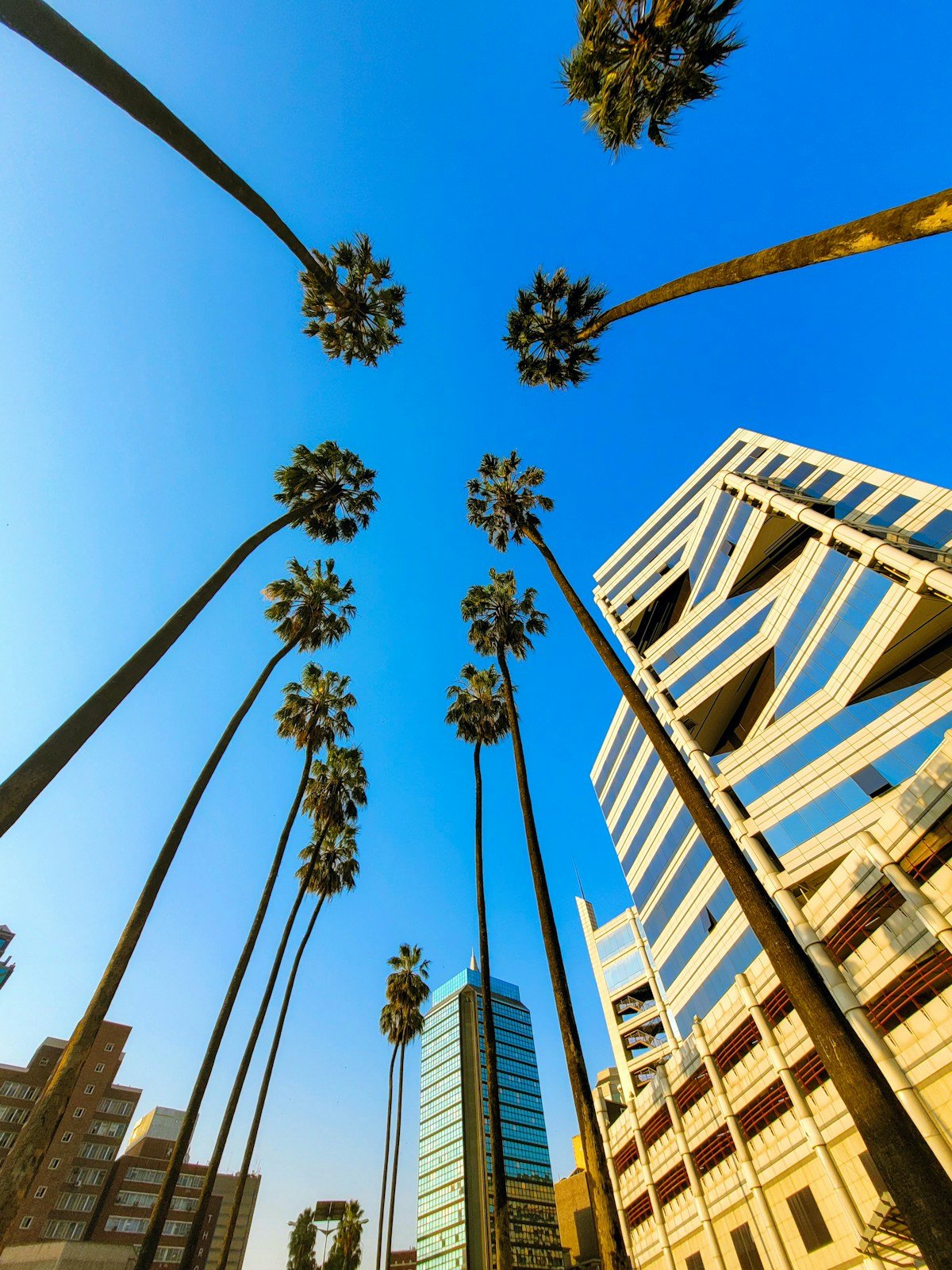
Harare does not appear on most digital nomad destination lists, and that is part of its appeal. While Kenya’s Nairobi and South Africa’s Cape Town attract the bulk of Africa’s remote working crowd, Harare offers a quieter, more personal experience: a tree-lined city with an improving cafe scene, adequate internet infrastructure in its northern suburbs, and a cost base that rewards those willing to move beyond the obvious choices.
This is not Bali or Lisbon. Harare has real infrastructure challenges, an unpredictable power grid that requires generators and UPS backups, and a WiFi landscape that varies enormously between locations. But for the traveller already visiting Zimbabwe for safari or adventure and wanting to work through a few days between destinations, Harare has everything needed to stay productive.
Internet and Connectivity
Fibre-to-the-premises internet exists in Harare’s northern suburbs and business districts, operated primarily by ZOL Zimbabwe and TelOne. Speeds at well-connected coworking spaces and cafes reach 30-60 Mbps download in ideal conditions. The more common experience is 10-25 Mbps with occasional drops, which handles video calls, cloud uploads, and most development work comfortably.
The most reliable method is to combine a venue with good fibre plus an Econet Wireless or NetOne 4G LTE SIM as backup. Econet is the most reliable mobile network in Harare and covers the northern suburbs well. Data packages can be purchased in bundle form at any Econet shop, service station, or supermarket. A 10GB bundle costs approximately USD 12 as of 2026. If you want connectivity sorted before you land, a Zimbabwe eSIM can be activated before your flight - useful for navigating the airport and finding your transfer on arrival.
Load shedding (scheduled power cuts) remains a feature of life in Harare. Rotational outages of 4-8 hours per day are not uncommon. Any coworking space worth using will have a generator or solar backup. Check this before committing to a day pass.
Coworking Spaces
Impact Hub Harare is the most established coworking space in the city, affiliated with the global Impact Hub network. Located in a business park in the CBD fringe area, Impact Hub offers hot desks, dedicated desks, and a community of local entrepreneurs and NGO workers. Day passes from approximately USD 20 as of 2026, monthly memberships from approximately USD 200. The space has reliable generator backup for load shedding, good fibre connectivity, and meeting rooms for video calls. Coffee on-site is basic; most members walk to nearby cafes for lunch.
The Beehive Coworking in Avondale is a smaller space with a community atmosphere. Hot desks available on a drop-in basis from approximately USD 15 per day as of 2026. The Avondale location is more convenient for visitors staying in that suburb, and the space has a kitchen, printing, and a more relaxed atmosphere than the more corporate Impact Hub. Generator backup is in place.
Workbox Zimbabwe has locations in both Avondale and the CBD. Monthly memberships start from approximately USD 150 as of 2026 for unlimited hot desk access. Day passes at approximately USD 18. The spaces have strong internet connectivity (ZOL fibre) and operate generator backup.
Cafes and Informal Work Spots
For short working sessions, several Harare cafes offer a practical environment:
- Wild Geranium Cafe in Avondale has WiFi, excellent coffee, and reliable power. A popular choice for working mornings among Harare’s professional community. Expect to spend approximately USD 4-8 for coffee and a snack
- Amanzi Cafe at the Amanzi Lodge in Borrowdale has strong WiFi and a pleasant garden terrace. Works well for meetings and longer afternoon sessions
- The Terrace at Sam Levy’s Village in Borrowdale is a cafe-restaurant complex within a shopping centre that has multiple outlets, reliable WiFi access, and consistent power
Most cafes in the northern suburbs do not enforce a minimum spend per hour, but ordering food and drink for sessions over two hours is standard courtesy.
Accommodation for Digital Nomads
For short stays (under a week): Bronte Hotel in Avondale or Amanzi Lodge in Borrowdale. Both have reliable WiFi in rooms, comfortable work environments, and easy access to the cafe scene. Budget approximately USD 80-150 per night including breakfast.
For longer stays (one week or more): apartment rentals in Borrowdale or Avondale offer kitchen facilities and better value than hotels. Short-term furnished apartments run approximately USD 800-1,500 per month as of 2026 and typically include DSTV, fibre internet, and domestic help. Facebook groups for Harare expats list available units. For a broader range of short-stay options in the northern suburbs, search hotels in Harare on Booking.com to compare guesthouses, serviced apartments, and hotels by location and price.
Getting Around
Uber operates reliably in Harare’s northern suburbs. A trip from Avondale to the CBD costs approximately USD 3-5 as of 2026. Car hire from approximately USD 50 per day gives more flexibility for exploring the city and running errands. Driving in Harare is straightforward in the northern suburbs; the CBD can be congested during peak hours.
Costs Summary (as of 2026)
| Item | Approximate Cost (USD) |
|---|---|
| Coworking day pass | USD 15-25 |
| Monthly coworking membership | USD 150-300 |
| Mid-range guesthouse per night | USD 70-100 |
| Coffee and snack at cafe | USD 4-8 |
| Restaurant dinner (good quality) | USD 12-20 per person |
| Uber across city | USD 3-8 |
| Econet 10GB data bundle | USD 12 |
Practical Considerations
Visa: most Western passport holders can enter Zimbabwe on a visa on arrival (USD 50 for a single-entry 30-day visa as of 2026, extendable to 90 days). See our full Zimbabwe visa guide for details on extensions and the KAZA Univisa option.
Banking: card payments work at major hotels, restaurants, and Sam Levy’s Village. USD cash remains the dominant payment method in most smaller cafes, markets, and taxis. Bring USD cash from home or withdraw from Stanbic or Standard Chartered ATMs in the northern suburbs.
Healthcare: Avenues Clinic in the CBD is Harare’s best private hospital and maintains international standards. Medical travel insurance is essential - coverage should include medical evacuation to South Africa, which may be necessary for serious emergencies.
On weekends, Harare is a good base for day trips and cultural exploration - guided Harare tours cover Chapungu Sculpture Park, the National Gallery, and Mbare Market if you would rather spend a free day with local context than navigate independently.
For a broader overview of Zimbabwe as a digital nomad destination and visa options, see our Zimbabwe remote work guide.