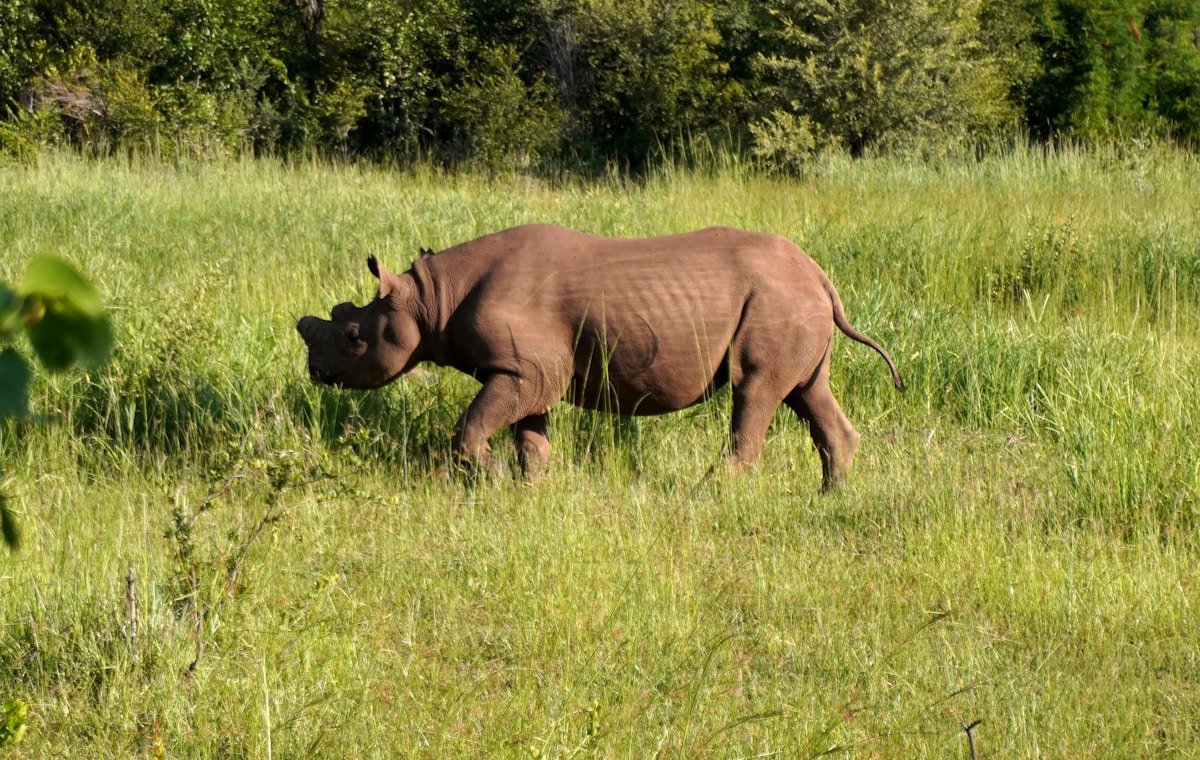
Chimanimani is unlike anywhere else in Zimbabwe. Wedged against the Mozambique border in the Eastern Highlands, this small village sits at the base of a dramatic mountain range whose quartzite peaks and lichen-streaked gorges draw hikers, birders, and anyone who wants to swap the lowveld heat for crisp mountain air. Accommodation in Chimanimani is intentionally rustic - the village has no five-star properties, no casino hotels, and no busloads of tour groups. What you get instead is genuine highland hospitality, good home cooking, and a community of operators who care deeply about the mountains on their doorstep. Search available accommodation in Chimanimani on Booking.com to compare all current options before you book.
Most visitors base themselves in the village for one to three nights and make day treks or overnight hikes into Chimanimani National Park. The main gate and parks office are in the village itself, making every guesthouse within easy walking distance of the trailhead.
Budget Accommodation in Chimanimani
Frog and Fern Cabins is the most popular budget choice in the village and the unofficial social hub for hikers. The property offers simple self-catering chalets, camping pitches, and a shared kitchen under a thatched lapa. Rates run from approximately USD 20 per person per night for camping and from USD 35 per person for a chalet as of 2026. The owners are experienced trekkers who can recommend routes, supply basic trail food, and advise on current conditions in the park.
Heaven Lodge sits just above the village with views across the valley to the peaks. Dorm beds run from approximately USD 15 per night, with private rooms from around USD 40 as of 2026. The communal area has reliable information boards about hiking routes, local birdlife, and the community projects operating around the national park.
Musangano Lodge is a community-run property affiliated with the local trust and offers basic rooms from around USD 30 per night. Proceeds support conservation and local employment programmes in the area.
Mid-Range Accommodation in Chimanimani
Chimanimani Hotel is the village’s original guesthouse and the most established mid-range option. The property has en-suite rooms, a restaurant serving Zimbabwean and continental dishes, a bar, and a swimming pool - a genuine luxury after a hard day on the trails. Rooms run from approximately USD 60 to USD 90 per night as of 2026, and the kitchen is reliable for both dinner and a packed-lunch order to take on the trail.
Tessa’s House is a comfortable private guesthouse set in a garden with views of the mountains. It has a small number of rooms and operates on a bed-and-breakfast basis, with dinners available on request. Rates sit at around USD 55 to USD 75 per night as of 2026. The atmosphere is relaxed and homely - closer to staying with a local family than checking into a hotel.
Camping and Mountain Huts
Inside Chimanimani National Park, Zimbabwe National Parks maintains two overnight shelters for trekkers on multi-day routes. Bundi Valley Hut sits at the centre of the park’s main hiking area and is the most commonly used overnight point on a two-day circuit. Skeleton Pass Hut is used by trekkers doing the longer trans-park routes toward the Mozambique border. Both huts are basic - think concrete floors, a roof, and a water source nearby - and require park entry permits purchased at the Mutekeswane base camp office before you ascend. Shelter fees are approximately USD 10 per person per night as of 2026.
Camping outside the huts is not formally designated but is practised on longer wilderness routes with prior permission from the parks office.
Practical Notes for Chimanimani Visitors
The village has a small grocery store and a market for basic supplies, but hikers intending multi-day routes should bring sufficient food from Mutare (2.5 hours north) or Chimanimani village before heading into the mountains. Most guesthouses can prepare packed lunches with advance notice.
Chimanimani has no reliable ATM - carry cash in USD before you arrive. Credit card acceptance is limited to the larger guesthouses, and even those occasionally have connectivity issues. Fill up on fuel in Mutare before driving south.
The best time to hike is during the dry season from May to August, when trails are firm, skies are clear, and visibility from the ridge lines extends far into Mozambique. The wet season (November to March) brings thunderstorms that can make the quartzite slabs extremely slippery and the river crossings dangerous. September and October are shoulder months with warm days, occasional rain, and wildflowers on the upper slopes.
Getting to Chimanimani
Chimanimani is 152 kilometres south of Mutare on a tarred road, with the final stretch via Wengezi Junction increasingly improving in quality. A private vehicle is strongly recommended - public transport options exist (kombis from Mutare via Chipinge), but timings are irregular and the journey with luggage and hiking gear is uncomfortable. Hiring a car in Harare or Mutare is the most practical option for independent travellers; transfers can also be arranged through most Mutare guesthouses or directly with operators in Chimanimani.
There is no airport near Chimanimani. The closest commercial airport is Mutare, which handles light aircraft only. Most visitors fly into Harare (5 hours north) or Beira, Mozambique, and drive or take a bus.
When to Book and What to Expect
Chimanimani rewards visitors who come with low expectations for infrastructure and high expectations for scenery. The mountains are genuinely world-class - remote, dramatic, and far less visited than comparable hiking destinations elsewhere in southern Africa. Guided multi-day trekking packages in the Eastern Highlands are available through Zimbabwe tour operators. Guesthouses sell out between June and August, so early booking is essential. Outside those months, the village is quiet and most properties offer their best prices.
Pack warm layers even in summer: temperatures on the ridge can drop sharply at night, and afternoon thunderstorms are common during the wet season. Waterproof boots, trekking poles, and a decent sleeping bag are worth bringing from home - rental gear in the village is limited.