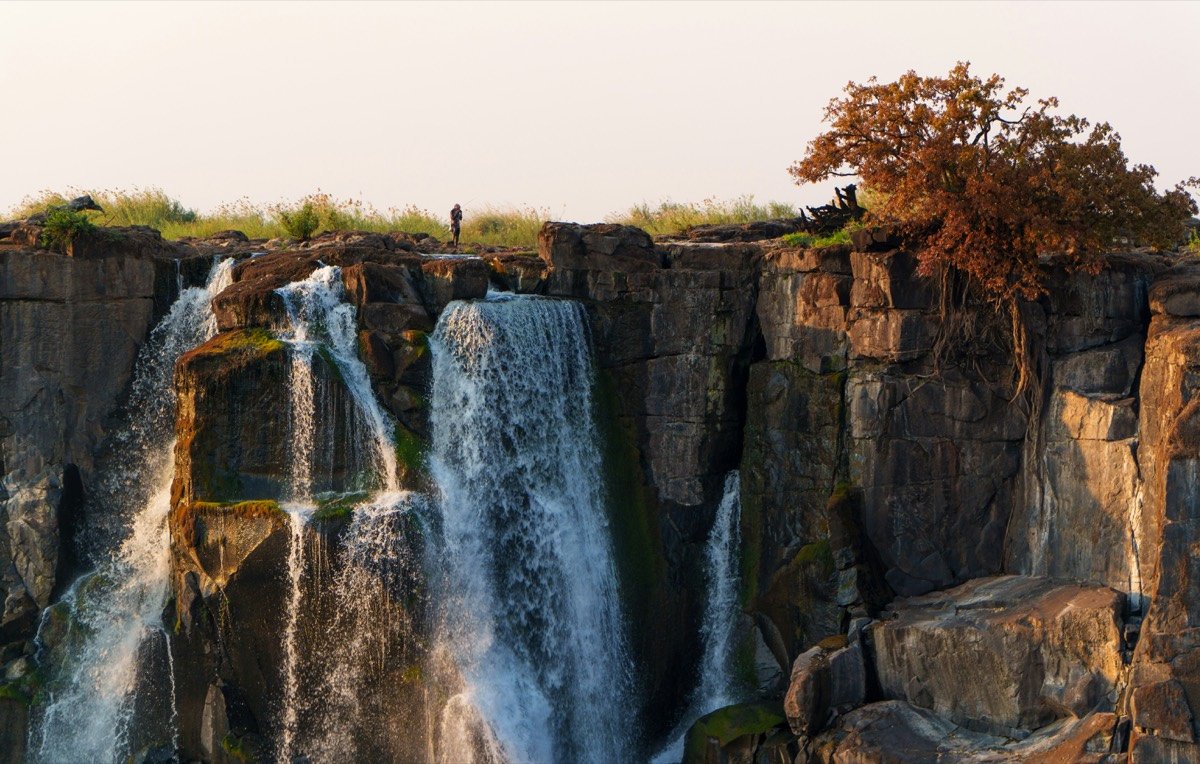
Nyanga sits at the highest elevations in Zimbabwe, where the temperature drops to single figures overnight in June and July and log fires burn in the lodges until morning. The Eastern Highlands here are a different Zimbabwe from the lowland savanna parks - green, cool, and quiet, with mountain walks instead of game drives and trout in the streams rather than crocodiles. These are the best activities when you visit.
Climb Mount Nyangani
Mount Nyangani, at 2,592 metres, is the highest peak in Zimbabwe. The standard hiking route begins at the national park car park approximately 47km from Nyanga town and follows a marked trail across the moorland plateau to the summit. The ascent takes 3–4 hours; the return 2–3 hours. In clear conditions the views extend south across the Eastern Highlands and east toward Mozambique.
The summit plateau is infamous for rapid weather changes. Mist descends with very little warning, particularly in the afternoons. Hikers have become disoriented and lost on the summit plateau, sometimes fatally. The rules are simple and should be followed strictly: start no later than 07:00, carry food and water for a full day, and turn back immediately if visibility drops below 50 metres. National parks rangers at the car park can advise on conditions.
Entry to Nyanga National Park costs approximately USD 15–20 per person plus a vehicle fee of USD 5. A Zimbabwe Parks and Wildlife Management Authority guide can be arranged at the car park for approximately USD 20–30 and is recommended for less-experienced hikers. Guided day tours to Nyanga from Harare are also bookable for visitors without their own vehicle.
Trout Fishing on the Dams and Streams
Rainbow and brown trout were introduced to the Eastern Highlands streams in the early colonial era and have thrived in the cold, clear water at altitude. Nyanga is the centre of Zimbabwe’s trout fishing scene. The national park contains several trout dams - Nyanga Dam, Gulliver Dam, and Purdon Dam are the main ones - and the streams between them hold wild-stock fish as well as the stocked dam populations.
Day fishing permits for the national park dams cost approximately USD 10–20 per person and are issued at the park gate. Rods and basic tackle can be rented from the Troutbeck Inn and Rhodes Nyanga Hotel for guests. The Troutbeck Inn has its own private trout lake and stream access included for guests.
The Eastern Highlands Trout Association maintains some private stretches of the Nyanga River for members, but visitors can access national park water independently. Best months for fly fishing are April to September, when cooler temperatures keep the water temperature in the productive 10–16°C range.
Mtarazi Falls and the Honde Valley View
Mtarazi Falls is the highest waterfall in Zimbabwe and one of the highest in Africa, dropping approximately 762 metres in two stages from the edge of the Eastern Highlands escarpment into the Honde Valley below. Reaching the viewpoint involves a short walk (20–30 minutes) from the car park at the edge of the escarpment.
The full volume of the falls is best in the wet season (December to March), when the escarpment streams are running at full capacity. In the dry season the falls reduce to a narrower ribbon, but the views into the Honde Valley remain spectacular regardless. The escarpment edge here drops almost vertically - the altitude difference between the Highland plateau and the valley floor is over 900 metres and visible in one glance.
Mtarazi Falls is inside Nyanga National Park. Entry fees (USD 15–20) apply. A vehicle in reasonable road condition can reach the car park without four-wheel drive.
World’s End Viewpoint
World’s End is a National Parks picnic site and viewpoint near the escarpment edge, roughly 10km from the main Nyanga town–national park road. The name describes the feeling well: the escarpment drops away dramatically to the Honde Valley below, and on clear days the plains of Mozambique are visible. It is accessible by normal car on a dirt road in reasonable condition.
The site has basic picnic facilities and toilets. Entry is included with the national park permit. Sunrise and late-afternoon light are best for photography.
Nyangwe Fort and Iron Age Sites
The Nyangwe Fort is one of the most significant Iron Age archaeological sites in Zimbabwe outside of Great Zimbabwe. The earthwork terracing, pit structures, and stone enclosures scattered across the Nyanga highlands were built between approximately 500 and 1800 CE by communities farming the highland zone. The scale of the terracing - thousands of individual agricultural plots cut into hillsides across hundreds of square kilometres - is most visible from high ground.
The national parks interpretive site at Nyangwe Fort has information boards explaining the structure and history. It is worth combining with the Mount Nyangani hike - the fort earthworks are visible near the hiking trail.
Mare Dam and Connemara Lakes
The Mare Dam area in the national park is a peaceful lakeside environment good for birdwatching, picnicking, and gentle walks. The Connemara Lakes (two small dams) are stocked with trout and accessible for day fishing permit holders. These are the lowest-key activities in Nyanga - a few hours at the water rather than a structured excursion - and a good option for a rest day between hikes.
Cycling in the Eastern Highlands
Some of the Troutbeck Inn and Pine Tree Inn offer bicycle hire for exploring the highland roads and tracks between the lodges and the national park. The terrain is hilly but the altitude and scenery make it rewarding. The main road from Nyanga town to the national park gate is tarred and has low traffic; the farm tracks east of the park boundary are gravel and good for mountain biking.
Practical Notes
Nyanga town is 263km southeast of Harare - approximately 3.5 hours on paved roads via the Rusape turnoff; car hire is the most flexible way to make the journey. Fuel is available in Nyanga town; carry extra if heading deep into the national park. Altitude means night temperatures drop sharply April to August - bring a warm layer even in summer. Mobile phone coverage in the national park is poor to nonexistent; download offline maps before entering. Book accommodation in Nyanga before you travel - the better lodges fill fast in school holiday periods. Travel insurance is recommended for the hiking activities, particularly the Mount Nyangani summit route. A Zimbabwe eSIM keeps you connected in Nyanga town before you head into the park.