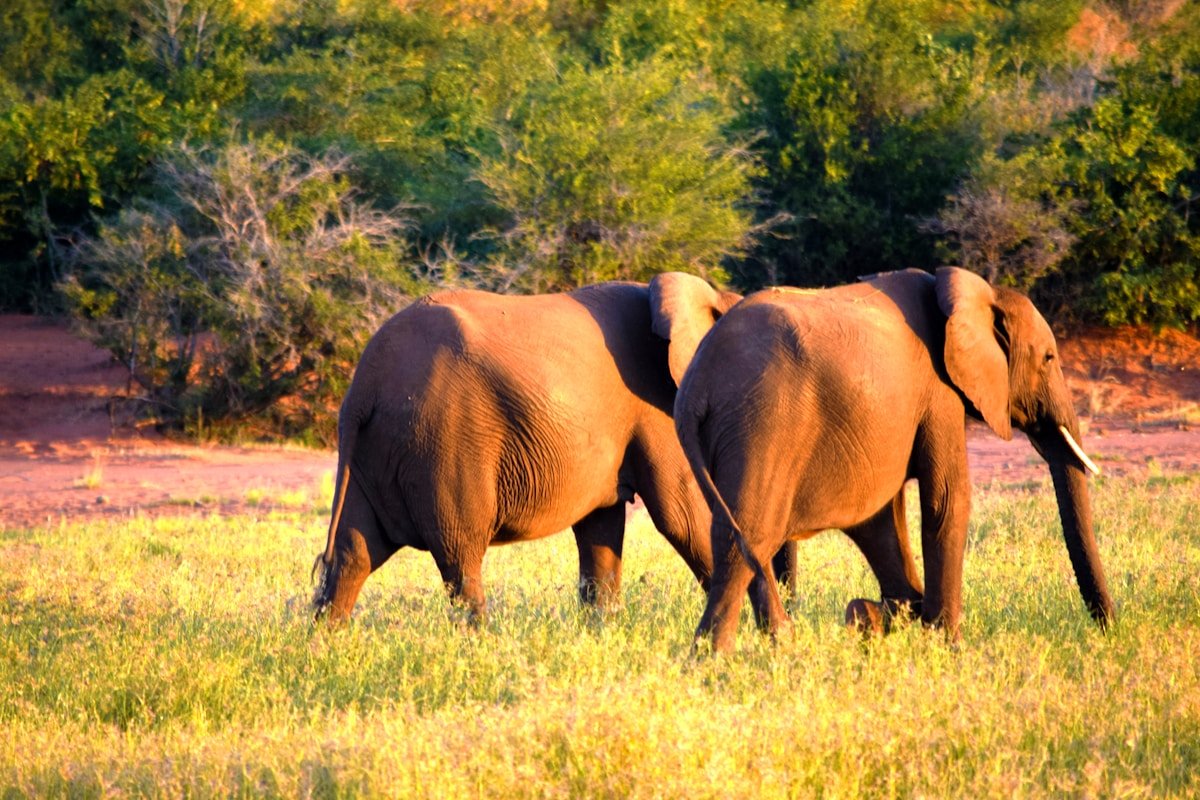
Hwange is fundamentally a wilderness destination - a national park where the priority is wildlife, not restaurant density. The eating situation here is therefore quite different from Harare or Victoria Falls. Your experience depends almost entirely on where you are sleeping: private lodge guests eat exceptionally well (world-class bush cuisine is a genuine selling point of the high-end Hwange circuit); self-drive national park visitors typically self-cater; and the handful of options in Hwange town itself are functional rather than memorable.
Lodge Dining: The Main Hwange Food Experience
For most visitors, the dining highlight of Hwange will be at a private safari lodge rather than a standalone restaurant. The major lodges all operate on all-inclusive rates and provide three meals daily, often with breakfast in the field, a light lunch back at camp, and an elaborate dinner under the African sky.
The standard is high because it is part of what differentiates lodges:
Davison’s Camp (operated by Wilderness Safaris, in a concession bordering the national park) serves three-course dinners around a bush fire, with the menu rotating daily between game meat preparations, grilled fish, and international dishes using locally sourced produce. The boma dinner (dining in an open-air enclosure under the stars with drum entertainment) is a regular feature in peak season.
Little Makalolo and Somalisa Camp (African Bush Camps operations) maintain a similar standard, with emphasis on fresh ingredients, open-fire cooking, and afternoon high tea in the field during sundowner stops. Afternoon teas at these camps - extending to freshly baked scones and sandwiches served at a waterhole - are one of the genuine pleasures of the Hwange lodge circuit.
Linkwasha Camp (Wilderness Safaris, in the southern Hwange private concession) is among the most impressive in terms of setting and food quality. Dinners are set in a clearing overlooking the active Linkwasha waterhole, and the combination of elephant activity 50 metres away with a properly prepared three-course meal is difficult to improve on.
If you are visiting Hwange on a self-drive budget, consider spending one night at a lodge specifically for the food experience - some lodges sell dinner to non-guests on request, though this requires advance booking.
National Parks Campsites: Self-Catering
Main Camp, Sinamatella, and Robins Camp all have communal braai (barbecue) facilities and basic kitchen infrastructure. The approach for most self-drive campers is to arrive with supplies and cook over coals in the evening.
What to bring: all dry and tinned provisions; braai meat (pick up from a butcher or supermarket in Victoria Falls or Bulawayo); bottled water (the borehole water at camps is generally safe but filtered water is the cautious option); firewood can be purchased at the camp gates for approximately USD 3–5 per bundle.
The Main Camp shop sells a limited range of snacks, soft drinks, and bottled water - do not rely on it for full meal provisions. Stock up before entering the park.
Eating in Hwange Town
Hwange town (also called Hwange Township or Hwange Colliery area) sits about 8–10 kilometres outside the park’s Main Camp gate. It is primarily a coal mining settlement with a railway junction, and the eating options reflect that functional character.
Baobab Hotel in Hwange town is the main gathering point for independent travellers and lodge transfer drivers waiting between assignments. The bar and restaurant serve cold beers and basic grills (chicken, steak, chips) from approximately USD 6–14 as of 2026. The atmosphere is convivial in an informal way - a good place to exchange information with other travellers about road conditions, wildlife sightings, and park logistics.
Local sadza spots around the Hwange taxi rank and market area serve sadza with beef or chicken from approximately USD 2–4. These are no-frills, quick-turnover operations serving the local population and transport workers.
Colliery Club (the social club for Zimbabwe Mining Development Corporation workers) occasionally accepts outside visitors for meals - ask your accommodation host. Food is basic but the beer is cold and the setting is air-conditioned.
Victoria Falls as a Food Base
Many visitors to Hwange treat Victoria Falls (about 100 kilometres east, roughly 1.5 hours by road) as their primary food hub - eating well in Victoria Falls, driving to Hwange for the day or spending nights at Hwange lodges, then returning to the range of restaurants in Victoria Falls. See our Victoria Falls best restaurants guide for options.
This approach works particularly well if you are self-driving and find the self-catering logistics at Hwange campsites cumbersome.
Book a Bush Dinner at a Hwange Lodge
The most memorable food experience in the Hwange area is not a restaurant - it is an outdoor bush dinner at a private safari lodge. Several lodges sell dinner to non-resident guests on request: a three-course meal under the African sky beside a waterhole, with open fire cooking and table service, and elephants often active nearby. This is as much a wildlife experience as a food one. Linkwasha, Little Makalolo, and Davison’s Camp all occasionally accommodate non-resident diners with advance booking. For guided Hwange experiences that include bush dining as part of the programme, browse Hwange tours and safari activities.
Bringing Your Own Supplies
The most reliable approach for budget self-drive visitors:
- Stock up on provisions in Victoria Falls before departure (Spar supermarket or OK Bazaars on Park Way provide the widest range)
- Get braai meat from a butcher in Victoria Falls - quality is better than anything available in Hwange town
- Bring a cooler box with ice blocks (available from most Victoria Falls supermarkets)
- Confirm your campsite’s braai facilities at booking to ensure you have what you need
Cold beer and cold water in the bush after a morning game drive are among the simple pleasures of a self-catered Hwange experience, and the cost saving over lodge rates is substantial.
Plan Your Visit to Hwange
Guided safaris and tours: Browse Hwange tours and activities - full-day safari drives, night game drives, and multi-day Hwange packages from Victoria Falls.
Travel insurance: Hwange’s remote bush camps are a long way from any hospital - comprehensive medical evacuation cover is essential - compare Zimbabwe travel insurance options.
Mobile data: There is no mobile signal inside Hwange National Park - download offline maps before you arrive, and an eSIM helps on the drive from Victoria Falls - get a Zimbabwe eSIM.
Where to stay: Most camps and lodges are inside or on the park edge - browse hotels near Hwange for options from budget chalets to luxury game lodges.