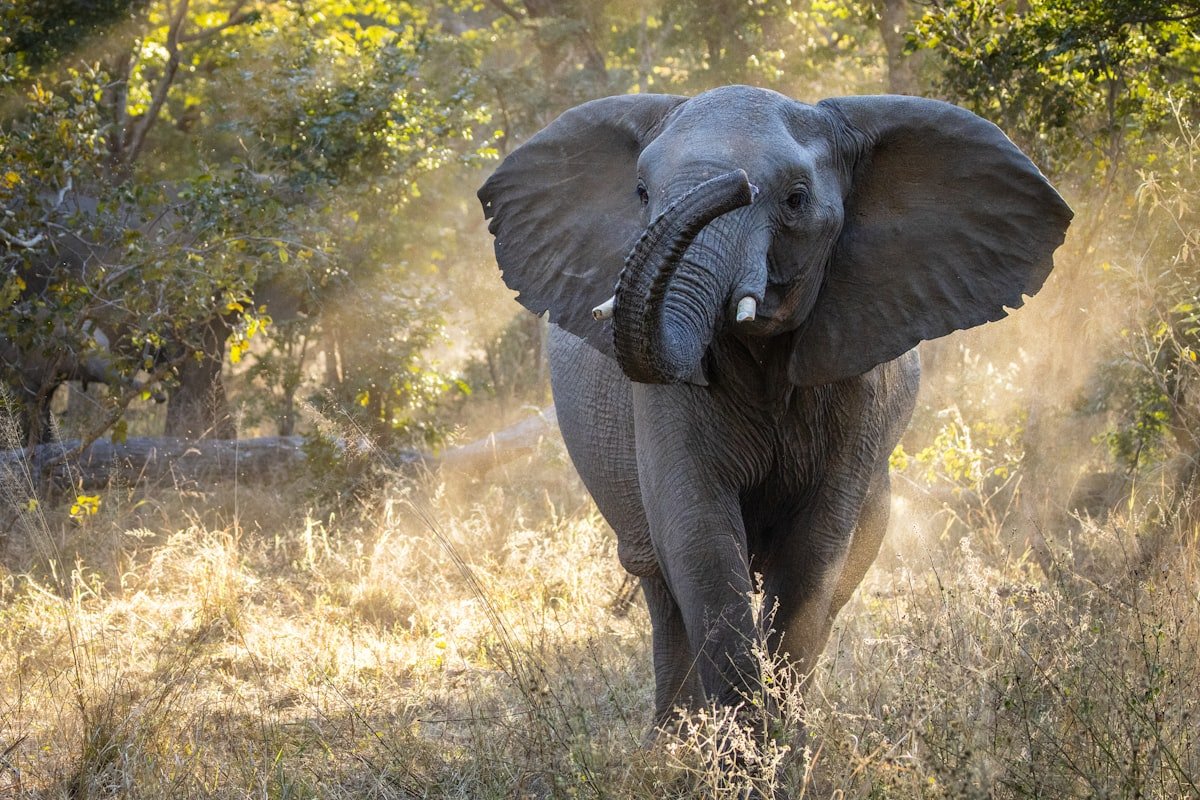
Hwange National Park covers 14,651 km² of Kalahari sandveld and mopane woodland in northwestern Zimbabwe, and it holds the country’s largest elephant population - approaching 50,000 individuals. Accommodation ranges from remote fly-in luxury camps positioned beside permanent waterholes to drive-in campsites managed by Zimbabwe National Parks (Zimparks). This guide covers each tier with specific properties and realistic cost guidance.
National Parks Camps (Zimparks) - USD 15–45/night
Zimbabwe National Parks operates three main camps inside Hwange:
Main Camp
The original park headquarters, located at the southern edge of Hwange’s main road network. Main Camp has self-catering chalets (USD 35–50 per unit per night, sleeping 2–4), pre-erected tents (USD 20–25 per person), and basic camping pitches (USD 15 per person per night). The camp sits beside a large waterhole - the pan in front is productive for game watching year-round but exceptional from July to October. Facilities include ablution blocks, braai areas, and a small shop selling firewood and basic provisions. Book through the Zimbabwe National Parks reservations portal.
Sinamatella Camp
Set on a kopje in the northwestern sector with panoramic views, Sinamatella is one of the most atmospherically positioned camps in any Zimbabwean park. Self-catering chalets (USD 40–55 per unit) and camping sites (USD 15 per person). The waterhole below the escarpment draws elephant, buffalo, and lion at dawn and dusk. Access requires a 2WD-suitable gravel road from Hwange Town (approximately 65 km).
Robins Camp
The most remote of the three Zimparks facilities, Robins is in the far north of the park. Self-catering chalets from USD 35 per unit. The isolation makes wildlife encounters more concentrated - far fewer vehicles in this sector. Access requires careful route planning; the roads can flood in the wet season (November–April).
Private Tented Camps (Inside the Park Concessions) - USD 400–1,200/person/night
Linkwasha Camp (Wilderness Safaris)
Linkwasha sits on a private concession adjacent to the Linkwasha Vlei, a seasonal floodplain that draws extraordinary concentrations of wildlife in the dry season. The camp sleeps 12 guests maximum, has 8 elevated tents with en-suite bathrooms and private decks overlooking the bush. Rates run approximately USD 750–1,100 per person per night on a fully inclusive basis (all meals, drinks, twice-daily game drives, guided walks). Most guests fly in from Victoria Falls (25-minute light aircraft transfer, included in some rates). Book through Wilderness Safaris. This is widely considered the best waterhole-viewing position in the whole park.
Davison’s Camp (Wilderness Safaris)
A slightly more accessible version of the Wilderness Safaris model, Davison’s offers the same twice-daily guiding structure at rates from approximately USD 500–800 per person per night fully inclusive. The camp’s waterhole is productive across a longer portion of the day than some competitors. Classic canvas-and-teak construction; 9 tents for up to 18 guests. Fly-in transfer from Victoria Falls or Hwange Town airstrip.
Little Makalolo Camp (Wilderness Safaris)
Part of the same Wilderness Safaris concession as Linkwasha, Little Makalolo focuses on intimate guiding with a maximum of 12 guests in 6 tents. The waterhole viewpoint at this camp is positioned so guests can watch from the main lounge without leaving their seat. Rates from approximately USD 600–950 per person per night fully inclusive.
Ivory Lodge (Lion’s Den Safaris)
An independent alternative to the Wilderness Safaris portfolio, Ivory Lodge sits on a private concession in the eastern sector of the park. Rates are lower - approximately USD 350–550 per person per night fully inclusive - while still offering twice-daily game drives and a private waterhole. Six luxury tents, maximum 12 guests. Drive-in access from the main Hwange road is possible in a 4WD, though fly-in is more common for first-time visitors.
Lodges and Guesthouses Outside the Park - USD 80–250/room
Hwange Safari Lodge
The original colonial-era lodge in Hwange, operated by African Sun, sits on the park boundary with a large waterhole 150 m from the main bar - waterholes here draw wildlife on a similar schedule to in-park camps. Rates from approximately USD 120–200 per room per night, including two game drives daily. Rooms are comfortable rather than luxurious; the setting compensates. Drive-in from Hwange Town takes around 30 minutes.
The Hide Safari Camp
On a private reserve adjacent to the park’s eastern boundary, The Hide offers 6 thatched chalets from approximately USD 350 per person per night on a fully inclusive basis. The name refers to the underground photo hide at the waterhole - guests can photograph elephant and lion from ground level. A standout option for photographers.
Camelthorn Lodge
A family-friendly lodge outside the park boundary with game drives into Hwange on a shared vehicle. Rates around USD 140–200 per person per night including game drives and meals. The main structure is a converted farmhouse with 8 en-suite rooms and a pool with a waterhole view. Works well for families with children who want the safari experience without the all-inclusive pricing of the concession camps.
Self-Catering and Independent Travel Tips
Hwange Town (the railway town, not the park) has basic fuel, a small supermarket, and a few local guesthouses from USD 30–50 per room. For self-drive visitors doing the park independently, staying in Hwange Town and driving in each morning is viable - Main Camp is around 25 km from town - but the early-morning and late-afternoon light inside the park will be missed with this approach. If you need a vehicle for the trip, compare car hire options in Zimbabwe - a standard 2WD is sufficient for Main Camp and Sinamatella roads.
Fully self-sufficient campers with roof-tent setups can use the national parks primitive camp sites at Masuma Dam and Kennedy 1, 2, and 3 dams inside the park. These cost approximately USD 15 per person per night and require pre-booking through Zimparks. No facilities; carry all water, food, and firewood.
Booking recommendation: For July–September, book national parks chalets and private concession camps at least 4–6 months in advance. Linkwasha and Davison’s in particular fill their September allocation by February–March.
Compare prices and availability for lodges and guesthouses near Hwange - Search hotels near Hwange.
Browse day tours and multi-day safaris in Hwange on GetYourGuide: Full-Day Hwange Safari Tour (approximately USD 150–200 per person from Victoria Falls) or 2-Day Hwange National Park Safari from Victoria Falls for an overnight expedition. See all Hwange tours and activities.
Travel insurance for Zimbabwe is strongly recommended when visiting remote park concessions - medical evacuation from Hwange’s back blocks is expensive without cover.