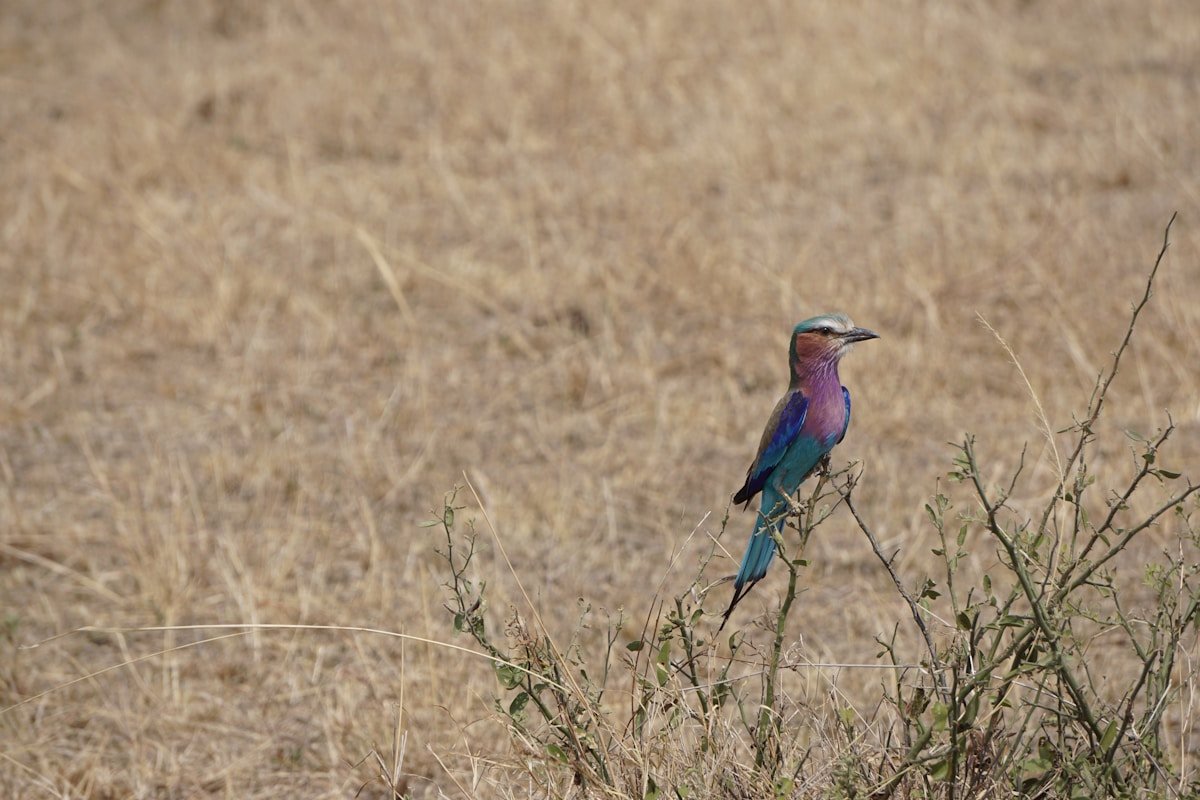
Zimbabwe’s Eastern Highlands are the country’s premier birding destination and one of the most underrated birding zones in all of southern Africa. The combination of montane forest, miombo woodland, grassland, and altitude variation concentrated along the border with Mozambique creates exceptional habitat diversity - and with it, a bird list that includes species found nowhere else in the region. Swynnerton’s Robin. Roberts’ Warbler. The Blue Swallow. The Chirinda Apalis. For birders who focus on eastern African montane endemics and near-endemics, the Eastern Highlands compete directly with destinations far better known on the international birding circuit. This guide covers the key spots, target species, guide options, costs, and the optimal timing for a birding trip here.
The Region: What Makes It Special
The Eastern Highlands is a broad term for the mountain zone that runs approximately 300km north to south along Zimbabwe’s eastern border - from the Nyanga massif in the north through the Vumba mountains near Mutare to the Chimanimani range in the south. Elevations range from approximately 1,000 metres to the summit of Mt Nyangani at 2,592 metres (Zimbabwe’s highest point).
This altitude range, combined with proximity to moisture from the Indian Ocean, produces microclimates that support montane forest - extremely rare in landlocked southern Africa. Chirinda Forest Reserve, at the southern end of the highlands near Chipinge, is the largest (940 hectares) and most intact example of Zimbabwe’s subtropical montane forest and supports the greatest concentration of Eastern Highlands endemic and near-endemic birds.
Zimbabwe’s total bird list stands at approximately 670 species. The Eastern Highlands contributes disproportionately to this through montane specialists inaccessible in the lowland parks.
Key Target Species
Must-See Endemics and Near-Endemics
Swynnerton’s Robin (Swynnertonia swynnertoni) - The flagship Eastern Highlands species. A small, unobtrusive robin confined to a narrow band of dense montane forest in Zimbabwe and adjacent Mozambique. Best seen at Chirinda Forest and the Vumba. Requires patience; responds to playback.
Roberts’ Warbler (Oreophilais robertsi) - A Zimbabwe near-endemic, confined to rocky montane grassland. Named after Austin Roberts, the pioneer of southern African ornithology. Reliably seen at Nyanga above 1,500m.
Chirinda Apalis (Apalis chirindensis) - A secretive warbler of dense forest interior, found almost exclusively at Chirinda Forest.
Blue Swallow (Hirundo atrocaerulea) - One of Africa’s rarest swallows, breeding in short montane grasslands of the Eastern Highlands. Numbers have declined significantly due to pine plantation expansion. Best seen at Nyanga in October–December. Listed as Vulnerable globally.
Green-headed Oriole (Oriolus chlorocephalus) - A spectacular forest oriole found in Chirinda’s canopy. One of the most visually striking birds in the region.
Olive Bush-shrike (Telophorus olivaceus) - Chirinda Forest and Vumba. Less conspicuous than its colouration suggests; responds to calls.
Other Highland Highlights
African emerald cuckoo; Bar-tailed trogon; Orange ground thrush; Stripe-cheeked bulbul; Starred robin; Cape batis; Mountain wagtail (numerous streams); African black swift (at mountain cliffs); Augur buzzard; Mountain hawk-eagle.
For visitors coming specifically from East Africa or South Africa: the Eastern Highlands list contains many of the same montane species found in the Usambara Mountains (Tanzania) or the Drakensberg (South Africa), but with much lower visitor pressure.
Best Birding Spots
1. Chirinda Forest Reserve (highest priority)
Located near Chipinge in the southern highlands, approximately 450km from Harare (5 hours). The forest is managed by Zimbabwe Forestry Commission and admission is nominal (approximately USD 5). The reserve has a rudimentary walking trail system through the canopy - bring gumboots in the rainy season as paths become muddy.
Target species here: Swynnerton’s Robin, Chirinda Apalis, Green-headed Oriole, Roberts’ Warbler (forest edge), Bar-tailed Trogon, Silvery-cheeked Hornbill (north end of range), Starred Robin.
Budget 2 full days at Chirinda to cover the key forest trails. Accommodation is available at the nearby Chirinda Forest Lodge (approximately USD 80–120 per night) or in Chipinge town (approximately 30km).
2. Vumba Botanical Gardens and Leopard Rock Area
Located 25km southeast of Mutare at approximately 1,800m elevation. The botanical gardens (entry approximately USD 3) have easy walking paths through montane forest and mist-belt gardens. The adjacent Tony’s Coffee Shop sits at the edge of a birding hotspot known to generate extraordinary morning lists.
The Vumba is the most accessible montane birding site in the Eastern Highlands from Mutare (40 minutes drive). Target species: Swynnerton’s Robin, Olive Bush-shrike, Stripe-cheeked Bulbul, Wedge-tailed Shrike, various sunbirds.
Leopard Rock Hotel (approximately USD 150–220 per night) sits directly in prime birding habitat and can arrange guided dawn walks with local expert guides.
3. Nyanga National Park
The northern end of the Eastern Highlands, 270km from Harare (approximately 3 hours). Nyanga offers different habitat to Chirinda - high montane grassland, miombo woodland, and streams - making it complementary rather than competitive. Key targets: Roberts’ Warbler (the primary Zimbabwe stronghold), Blue Swallow (October–December), African Rock Pipit, Brimstone Canary.
Rhodes Nyanga Hotel (approximately USD 120–180 per night) is the standard base; the hotel sits at approximately 1,800m elevation and walking access to key habitats is immediate from the property.
4. Chimanimani National Park
The most rugged section of the highlands - granite peaks, rapid rivers, and specialist habitats. More of a trekking destination (the Chimanimani trail is 2–3 days on foot), but birding en route is exceptional. Orange-breasted Bush-shrike; Cape Batis; various warblers in forest patches. Not ideal for visitors who want dedicated birding efficiency; excellent for birders who are also walkers.
Guides and Tour Operators
Birdwatch Zimbabwe (based in Harare) is the leading specialist operator, running dedicated birding tours to all four main highland zones. Day tours from Mutare: approximately USD 100–150 per person including guide and transport. Multi-day Eastern Highlands packages (4–7 days covering Chirinda, Vumba, Nyanga): USD 600–1,100 per person, varying by accommodation standard.
Wildlife Horizons (Harare) offers similar multi-day packages with naturalist guides at comparable pricing.
Local independent guides based in Mutare are available through the Mutare Natural History Museum network at lower cost (approximately USD 50–80 per day), though availability varies.
Self-guided birding is entirely viable in the Eastern Highlands. The Vumba and Nyanga locations are accessible by standard rental car; Chirinda requires a high-clearance vehicle on some sections but is manageable in a 4WD. Bring the Roberts Birds of Southern Africa app (digital guide, approximately USD 15) and the eBird app for local hotspot data.
Best Season
October to December is optimal: breeding season brings male birds into full song, migrants arrive from northern latitudes, Blue Swallows are on breeding grounds at Nyanga, and forest species are most active. Afternoons can bring afternoon rain from late November.
May to August (dry season): Forest interiors are accessible, migrants have departed but residents are easier to locate in lower vegetation. Roberts’ Warbler and Swynnerton’s Robin respond better to playback in the cooler months when less competing vegetation and song.
Year-round: The Eastern Highlands bird year-round. Even January and February produce excellent birding despite higher rainfall.
Practical Tips
- Start at dawn - the 6am–9am window is when forest birds are most active
- Bring rain gear year-round (the Vumba and Chirinda receive over 1,200mm annually; sudden showers are common)
- Altitude: temperatures drop significantly above 1,800m; pack a fleece even in the warm season
- Camera lens 500mm or longer recommended for forest canopy species
- Allow minimum 4 days for a meaningful Eastern Highlands birding trip; 7–10 days to cover all zones
The Eastern Highlands are the part of Zimbabwe that birders rarely plan for and then find impossible to leave. The target list is achievable, the habitat is beautiful, visitor pressure is low, and local guides have exceptional knowledge built over years of walking the same forest paths. If you have found Swynnerton’s Robin, you have achieved something that most southern African birders never accomplish.