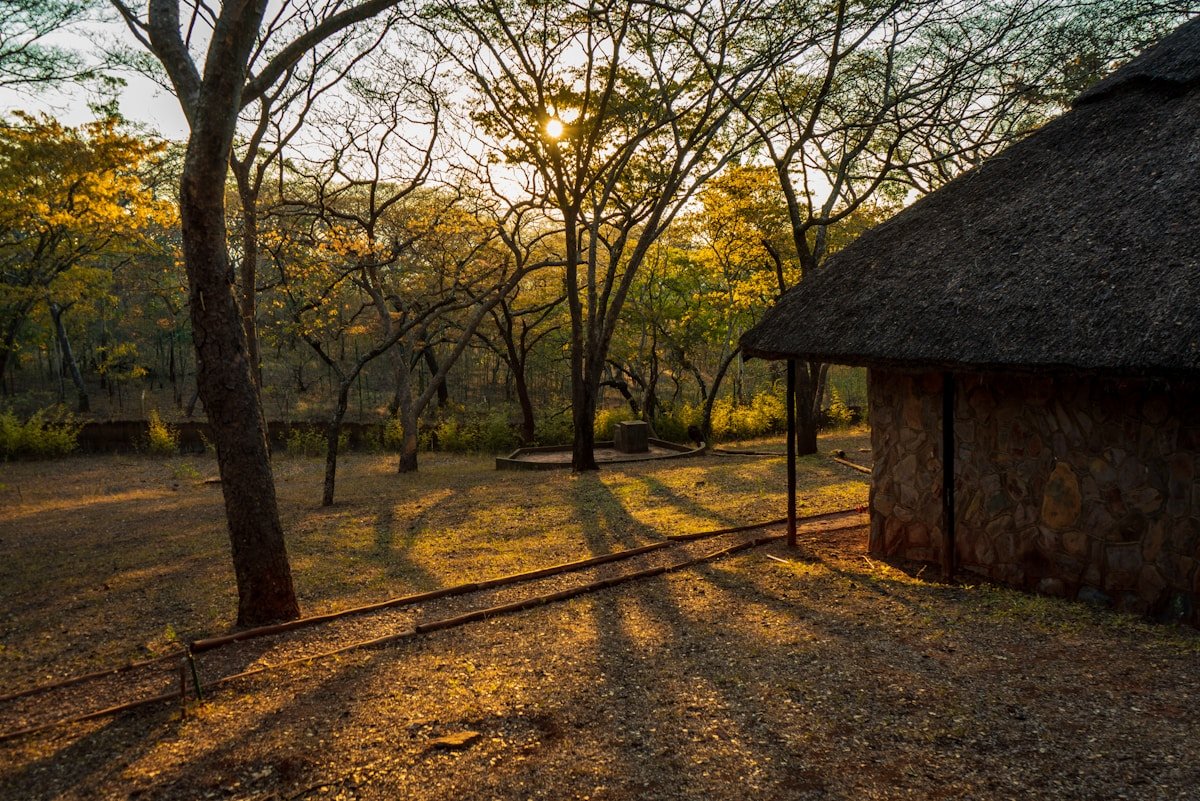
Great Zimbabwe is the largest ancient stone structure in sub-Saharan Africa - a UNESCO World Heritage Site, the ruins from which Zimbabwe takes its name, and one of the most undervisited archaeological sites on the continent. For a site of this magnitude, visitor numbers are surprisingly modest, which means you can explore the Hill Complex and Great Enclosure in near-solitude during most of the year. This guide covers entry fees, the best guided tour options, what each section of the ruins contains, and practical logistics for your visit.
Background
Great Zimbabwe was the capital of a medieval Shona trading kingdom, at its peak housing an estimated 10,000–18,000 people - built entirely from unmortared granite blocks and standing for over 700 years. The site gave the nation its name at independence in 1980. For the full story of the Kingdom of Zimbabwe, its trade networks, archaeological significance, and the colonial misattribution of the ruins, see our Great Zimbabwe history guide.
Entry Fees and Opening Hours
As of 2026, the ZPWMA (Zimbabwe Parks and Wildlife Management Authority) charges approximately USD 15 per international visitor for site entry. Children aged 6–12 pay approximately USD 5. The on-site Great Zimbabwe Museum is included in the entry fee.
Opening hours are approximately 8am to 5pm daily, year-round. The gates close promptly - arrive by 3pm to give yourself adequate time to cover the main three zones.
Guide fees: Official site guides operate at the entrance. A guided walk is highly recommended - the ruins’ significance is substantially diminished without an explanation of the layout, purpose of each structure, and the trade networks that made Great Zimbabwe possible. Guides are not government employees and work on tips; budget approximately USD 10–20 per group as a guide tip for a 2-hour tour.
The Three Main Sections
The Hill Complex
The oldest part of the site, built from approximately the 11th century, sits on a granite hill 80 metres above the surrounding plain. This is a strenuous 15-minute scramble over natural granite boulders to reach - the most physically demanding part of any visit, though entirely achievable for most visitors in reasonable health. Bring footwear with grip.
At the summit, narrow passages between enormous granite boulders lead to the royal enclosure where the king is believed to have resided. The views from the summit over the Valley Ruins and surrounding kopje landscape are substantial. Zimbabwe Bird sculptures (soapstone carvings of a bird on a column) were originally positioned here - the originals are now in the on-site museum, but replicas mark their original positions.
The Great Enclosure
The most famous section and the main structure most visitors photograph. The Great Enclosure is an elliptical dry-stone wall 250 metres in circumference, with walls reaching 11 metres in height at the tallest points and between 4 and 6 metres in thickness. An estimated 900,000 granite blocks were used in its construction.
Inside the enclosure is the Conical Tower, a solid granite cone approximately 9 metres tall whose exact purpose remains debated by archaeologists - possibly symbolic of royal authority or elite granary storage. The narrow passage between the outer wall and an inner wall (the “Parallel Passage”) is one of the most atmospheric sections of the site.
The Valley Ruins
A series of smaller enclosures spread across the valley between the Hill Complex and Great Enclosure, believed to have housed the nobility and senior wives of the court. Less visually dramatic than the other two sections but valuable for understanding the social organisation of the capital. A guide’s explanation here adds significant context.
Guided Tour Options
On-site guides (best value): Available at the entrance without booking. For independent visitors arriving by their own vehicle, this is the standard approach. Quality varies - ask to see guides’ official ZPWMA accreditation cards.
Masvingo-based tour operators: Masvingo (30km from the ruins) has several local operators offering combined transfers and guided tours. Safari Trail Tours and Zimbabwe Natural Heritage Tours are the most commonly recommended. Expect to pay USD 60–100 per person for a half-day transfer, guide, and entry.
Victoria Falls or Harare day trips: Possible but long. Victoria Falls is approximately 600km west (6.5–7 hours driving), making a day trip extremely tiring. Harare is approximately 300km north (3.5–4 hours). The Harare day trip is feasible; the Victoria Falls version warrants an overnight stay in Masvingo. Accommodation in Masvingo itself is limited but functional: Regency Flamboyant Hotel and Great Zimbabwe Hotel (adjacent to the ruins, the best on-site option) are the main choices.
The On-Site Museum
The Great Zimbabwe Hotel complex includes a museum that should not be skipped. It houses:
- Original Zimbabwe Bird soapstone sculptures (eight of eleven surviving examples)
- Portuguese trade goods found in the ruins - demonstrating trading links to the Swahili Coast and East Africa
- Ceramics, iron tools, and gold objects excavated from the site
- A scale model of the ruins in their peak-occupation layout
The museum opens at 8am and is included in site entry. Allow 30–45 minutes here.
Duration of Visit
A thorough visit to all three sections of the ruins plus the museum takes 3 to 4 hours. If time is tight, prioritise the Great Enclosure (30 minutes) and the Hill Complex (45 minutes including the climb). The Valley Ruins can be done quickly in 20 minutes with a guide pointing out key structures.
Best Season to Visit
Great Zimbabwe is accessible and worthwhile year-round. The site is entirely outdoors, so:
May to August (dry season): Cool temperatures (15–25°C), no rain, dry grass makes walking easier. The best overall conditions.
September to November: Hot and dry before the rains. Good visibility, comfortable early mornings. October can reach 35–38°C by midday - plan for an early start.
December to March (rainy season): Afternoon thunderstorms common, but mornings are clear and the landscape is intensely green. Rain rarely lasts more than 2 hours. Mosquito repellent is essential in this season.
Book a Guided Great Zimbabwe Tour on GetYourGuide
The options below cover guided tours to Great Zimbabwe bookable via GetYourGuide with verified reviews and free cancellation up to 24 hours before departure. Prices are 2026 verified starting rates.
| Tour | Duration | From (USD) | Book |
|---|---|---|---|
| Great Zimbabwe Monument Tour from Harare | 14 hrs | $315 | Book |
| Great Zimbabwe Ruins & Masvingo - Day Tour | 12 hrs | $320 | Book |
| Zimbabwe Tours - Harare & Great Zimbabwe Discovery | Full day | $399 | Book |
These are guided tours that include transfers, a licensed guide, and site entry. If you are already in Masvingo, on-site guides are available at the entrance for a negotiated tip (approximately USD 10–20 per group) - a substantially cheaper option for self-drive visitors.
Getting There
Great Zimbabwe lies 30km south of Masvingo on the A9 road. The turn-off is clearly signposted. Masvingo is approximately:
- 300km from Harare (3.5 hours by sealed highway)
- 290km from Bulawayo (3.5 hours)
- 600km from Victoria Falls (6.5–7 hours)
The local Masvingo bus terminal operates intercity coaches from Harare (approx. USD 6–8, 4 hours). From Masvingo town, shared taxis to the ruins run regularly throughout the day.
Great Zimbabwe is an experience that grows in significance the more you know about it going in. The ruins look improbable in their setting - monumental dry-stone walls rising from a granite hillside in the middle of southern Africa - and understanding the trading empire that produced them makes the site far more than just old walls. Hire a guide. Stay for the museum. Come early.