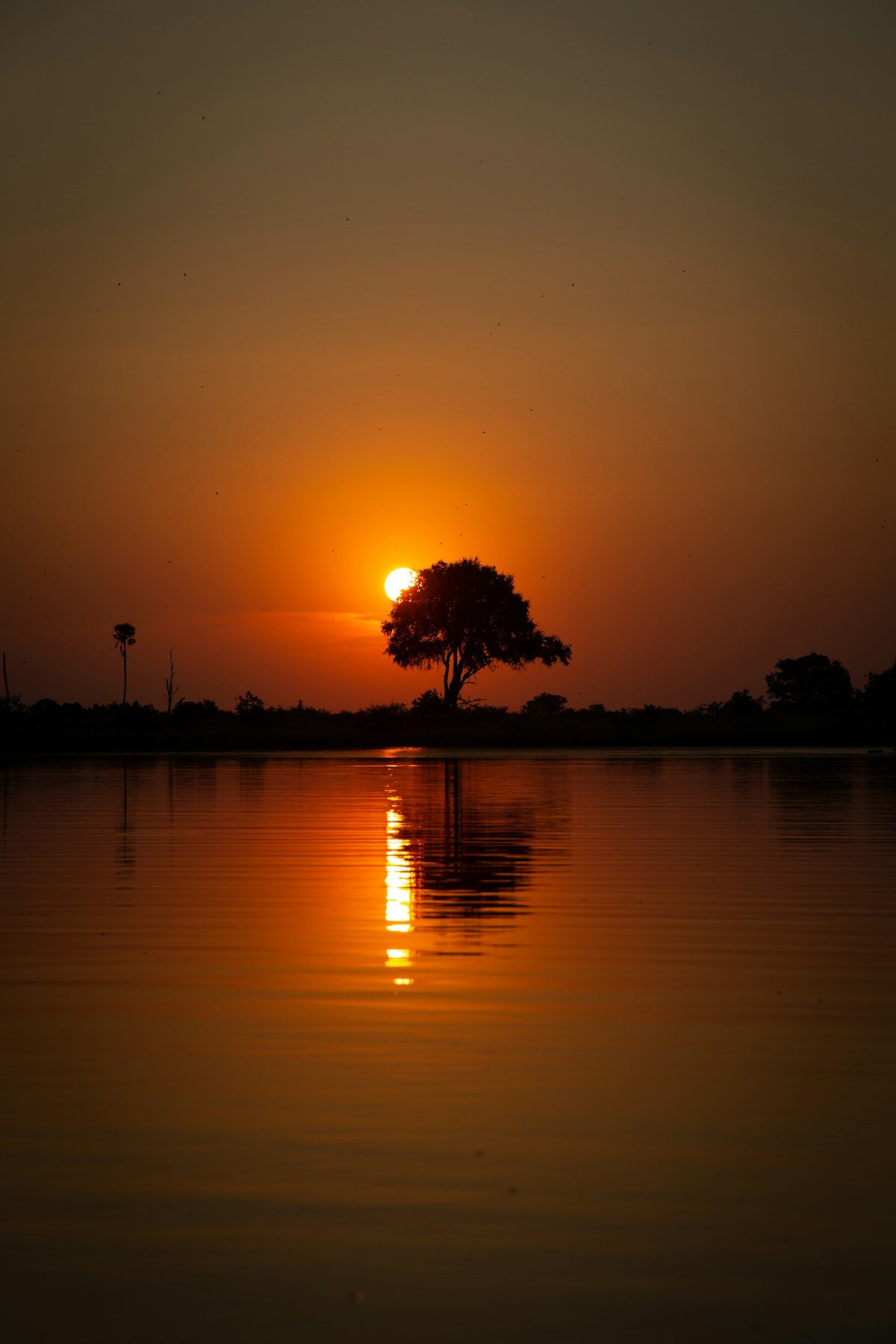
Lake Kariba stretches 280 kilometres along the Zambezi Valley between Zimbabwe and Zambia, its 5,580 square kilometres of open water interrupted by drowned tree skeletons, flooded inlets and the shoreline of Matusadona National Park. It is one of the world’s largest man-made lakes, created by the construction of Kariba Dam in 1959, and it remains one of Africa’s most atmospheric wildlife destinations - particularly when experienced from a houseboat drifting at anchor as elephants wade through the shallows at sunset.
Why a Houseboat
The houseboat format is well-suited to Kariba for practical reasons: the lake’s scale makes driving a poor strategy for wildlife watching, and the ability to reposition overnight means you can wake up in a different bay each morning. The vessels typically carry 6–12 passengers and are crewed by a captain, chef and (on guided safari houseboats) a dedicated game guide who handles the tender boat used for game viewing runs close to shore.
Mornings and evenings are spent in the tender - a small motorboat - exploring the Matusadona shoreline or the Sanyati Gorge, one of the lake’s most scenic and wildlife-rich inlets. Midday is passed on the main deck, which is typically shaded, reading, fishing or watching the water. Sundowners on the bow as the sun drops behind Zambia’s Siavonga hills are a Lake Kariba tradition.
Types of Houseboat
Self-Catering Hire
Several operators rent private houseboats for groups who want flexibility without a structured itinerary. The boat comes with a captain and crew, and guests bring their own food and drink or order provisions through the operator. Typically sleeps 8–12 people.
This option works well for fishing groups or large families who want a self-directed experience. You set the pace and the anchor points. Most self-catering boats have a basic fishing setup, sun deck, braai area and kitchen.
Approximate cost: USD 400–600 per night for the vessel. For a group of 8, that’s USD 50–75 per person per night - significantly cheaper than lodge accommodation for comparable wildlife access.
Kariba Houseboats and Matusadona Houseboats are established operators offering self-catering vessels. Both can be booked through their offices in Kariba town or via email.
Fully Catered Safari Houseboat
The premium experience comes with full catering, a game guide, and organised game-viewing runs in a tender boat. Game guides hold professional wildlife guide qualifications and often have deep knowledge of specific animal movements along the Matusadona shoreline.
Meals are prepared on board by the ship’s chef - typically substantial breakfasts before early morning game drives, a light lunch during the heat of the day, and a three-course dinner under a sky with no light pollution. The wine and spirits selection on good operators is considerably better than you might expect from a floating camp.
Approximate cost: USD 250–450 per person per night fully inclusive. A minimum stay of three nights is usually recommended to appreciate the lake properly.
Tailormade Safaris runs highly regarded catered safari houseboats out of Kariba. Wilderness Safaris has historically operated upmarket Matusadona lake experiences tied to their lodge network. Ask operators about current vessel availability when booking as the fleet is limited. For a wider selection of guided Lake Kariba experiences, compare available Lake Kariba tours on GetYourGuide.
The Matusadona Shoreline
The southern shore of Lake Kariba adjoins Matusadona National Park, one of Zimbabwe’s best-kept wildlife secrets. Dense jesse bush and mopane woodland runs to the water’s edge, and in the dry season (June–October) elephant herds come to the lake in significant numbers. Buffalo groups of 100–300 are common along the shoreline. The Ume and Sanyati rivers, which feed the lake from the south, create particularly productive wildlife corridors.
The Sanyati Gorge - a dramatic inlet where sheer cliffs drop to deep, clear water - is a highlight of any Kariba houseboat trip. Lion are regularly heard calling at night from the Matusadona hills, and leopard sightings, while less frequent, are known from the riverine fringe. Fishing in the Sanyati is exceptional.
Kariba Fishing from the Houseboat
The lake’s tigerfish population is one of the primary draws for fishing visitors. Tigerfish are powerful, aggressive fighters that take lures readily and provide excellent sport on medium-weight spinning tackle. The September–November period is peak tiger season, when fish are active and concentrated near the submerged tree structures.
Bream (Kariba bream / Oreochromis niloticus varieties), vundu (a large catfish reaching 30–50kg), and kapenta (the small silver sardine that constitutes a major Zimbabwean protein source) are also present. Most houseboat operators can provide basic fishing equipment, though serious anglers bring their own gear.
Practical Planning
Getting there from Harare: The road to Kariba via Chinhoyi and Karoi takes approximately 5–6 hours. The road surface is mixed - the main Harare–Karoi highway is reasonable but the final 100km into Kariba involves some stretches requiring care. A standard car can manage it; a high-clearance vehicle is not required.
Fly option: Charter flights from Charles Prince Airport in Harare to Kariba Airport take approximately 45 minutes. Transfer Safari Air and Wilderness Air have historically offered this route - confirm availability and current pricing when booking.
Kariba town facilities: Kariba has a small supermarket (for self-catering provisions), a fuel station, several basic restaurants, and the Caribbea Bay resort hotel for those arriving a day early. Book accommodation in Kariba town in advance as options are limited.
Best season: June to October is peak season for both wildlife viewing and fishing. November–April brings the rainy season, higher water levels and different game distribution. The lake remains navigable year-round but some operators reduce activity in the December–March period.
What to pack: Light cotton or linen clothing for daytime, a warm layer for cold early mornings and evenings (July and August nights can drop to 10–15°C), insect repellent, and polarised sunglasses for the water glare. A decent pair of binoculars transforms game-viewing from the boat.
Booking ahead: Good houseboat operators have limited fleet capacity. For peak season (July–September) bookings, contact operators 3–6 months in advance. Off-season there is more flexibility. We also recommend taking out travel insurance for Zimbabwe before departure - the lake’s remoteness means medical evacuation cover is essential.
For those spending a night in Kariba town before boarding, search hotels in Kariba on Booking.com to compare the available lakeside accommodation options.