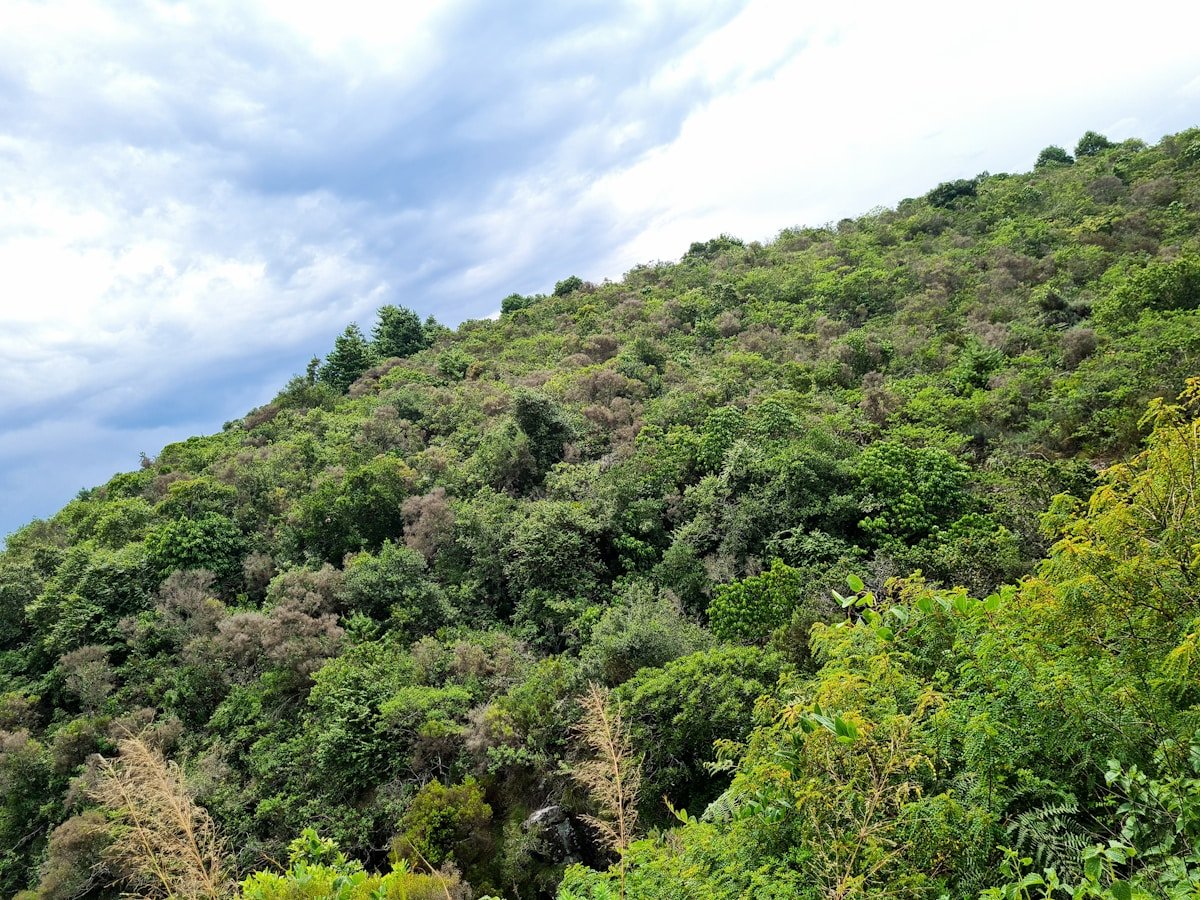
Harare sits in Zimbabwe’s north-central plateau, putting several exceptional destinations within striking distance of a day trip. The road network radiating from the capital is reasonable by regional standards, and the range on offer is wide - from ancient stone ruins to limestone cave systems to game parks with white rhino. Here is what is worth the drive.
Lake Chivero Recreational Park (40 km south-west)
Distance from Harare: 40 km - approximately 45 minutes on the Bulawayo Road then onto a park access road.
Lake Chivero is Harare’s weekend escape, and it earns its popularity. The 6,100-hectare park wraps around the shores of the Manyame River reservoir and hosts an impressive roster of wildlife for a park this close to a capital city: white rhino (introduced here decades ago), giraffe, zebra, wildebeest, impala, ostrich, and a variety of smaller antelope. There are no big cats, which makes it a good option for first-time safari visitors or families wanting a gentle introduction to game viewing.
Rhino tracking on foot: The park runs guided rhino tracking walks that put you on foot with white rhino from close range. Groups are small (maximum 6), walks typically run 2–3 hours, and the experience is genuinely memorable. Book in advance through the Zimbabwe Parks and Wildlife Management Authority or through operators in Harare. Approximately USD 25–35 per person as of 2026.
Boat trips: Launch trips on the lake depart from the Hunyani Hills Hotel jetty (note: the hotel itself is in variable condition, but the boats run). Half-hour trips cost around USD 10 per person.
Entry fees: Approximately USD 15 per vehicle plus USD 10 per person for non-residents, as of 2026. Check current rates as park fees in Zimbabwe are adjusted periodically.
A car is needed - there is no reliable public transport to the park entrance. Uber can drop you at the park gate; arrange a pickup before you enter as signal is limited inside.
Chinhoyi Caves (116 km north-west)
Distance from Harare: 116 km on the A1 highway - roughly 90 minutes.
Chinhoyi Caves is one of Zimbabwe’s most unusual natural attractions and is chronically underrated on the international circuit. The star feature is the Sleeping Pool - a subterranean cobalt-blue lake visible from the cave entrance, fed by an underground river whose source has never been fully mapped. The colour is extraordinary: a clear, deep turquoise that sits at around 28°C year-round and drops to depths of approximately 90 metres.
The caves were historically used by the Chinhoyi (Mashona) people as a refuge and were the site of a significant battle with the Matabele in the 19th century. A short trail connects the main viewpoint to a series of smaller cave chambers.
Cave diving: Chinhoyi Caves is a recognised scuba and cave diving site - divers come from across Africa to explore the underwater passages. Permits and gear must be arranged in advance with the Zimbabwe Parks authority.
Entry: Approximately USD 10 per person as of 2026. No guided walk is mandatory but a site guide (available on-site) adds significant context for about USD 5–10 tip.
Practical note: Drive the A1 highway north from Harare. The road surface is reasonable. Petrol up before leaving Harare - facilities between the city and the caves are limited.
Mukuvisi Woodlands (within Harare, 8 km from CBD)
Strictly speaking this is within city limits, but Mukuvisi Woodlands deserves a mention for visitors who want wildlife without leaving the urban sprawl. The 263-hectare woodland reserve on Glenara Avenue in the Msasa district has zebra, giraffe, ostrich, antelope, and a large variety of birds. Self-guided walking is permitted; guided walks are available.
Entry approximately USD 5–10 per person as of 2026. An ideal half-morning option before an afternoon in the CBD or Mbare.
Great Zimbabwe National Monument (280 km south)
Distance from Harare: 280 km via the A4 highway south - approximately 3.5–4 hours.
Great Zimbabwe is the most significant archaeological site in sub-Saharan Africa - the ruins of a walled city that was the capital of the Kingdom of Zimbabwe from around the 11th to 15th centuries AD. The scale is genuinely impressive: the Great Enclosure’s outer walls reach 11 metres in height and were constructed without mortar across a perimeter of 250 metres.
We recommend at least one night in Masvingo (the nearest town, 30 km from the ruins) rather than doing this as a strict day trip. But if your time is tight, an early morning departure from Harare, 3–4 hours at the monument, and a return by early evening is feasible. Lodge options near the ruins: Great Zimbabwe Hotel sits directly adjacent to the monument, approximately USD 80–120 per room per night as of 2026.
Entry: Approximately USD 15 per person as of 2026. On-site guides are available and recommended - the history of the site is complex and the ruins make far more sense with context. If you’d rather join an organised group, guided Great Zimbabwe tours from Harare are bookable on GetYourGuide.
Ewanrigg Botanical Garden (40 km north-east)
A quieter option for those who want to avoid game parks entirely. Ewanrigg is a national botanical garden roughly 40 km north-east of Harare, best known for its cycad collection (one of the finest in Africa) and its aloe garden, which is spectacular in June–July when aloes bloom.
Entry approximately USD 5 per person. A good half-day option combined with a lunch stop back in Harare.
Practical Tips for Day Trips from Harare
Self-driving: The roads to Lake Chivero and Chinhoyi Caves are straightforward. Fuel up in Harare - stations are reliable in the city but sporadic en route. Carry USD cash for entry fees as card machines may not be available.
Guided tours: Several Harare-based operators run day tours to the main sites. Quotes range from USD 50–120 per person depending on destination and group size. You can also browse verified Harare day tours on GetYourGuide to compare options and read reviews before booking.
Best months: May to October (dry season) for wildlife visibility at Lake Chivero. The Chinhoyi Caves Sleeping Pool is accessible year-round. Great Zimbabwe is worth visiting any time of year but the approach roads can be muddy after heavy rains (November–April).
Communication: Data connectivity drops significantly outside Harare on most of these routes. Download offline maps and save operator phone numbers before you leave.
For accommodation options while in the capital, search hotels in Harare on Booking.com.