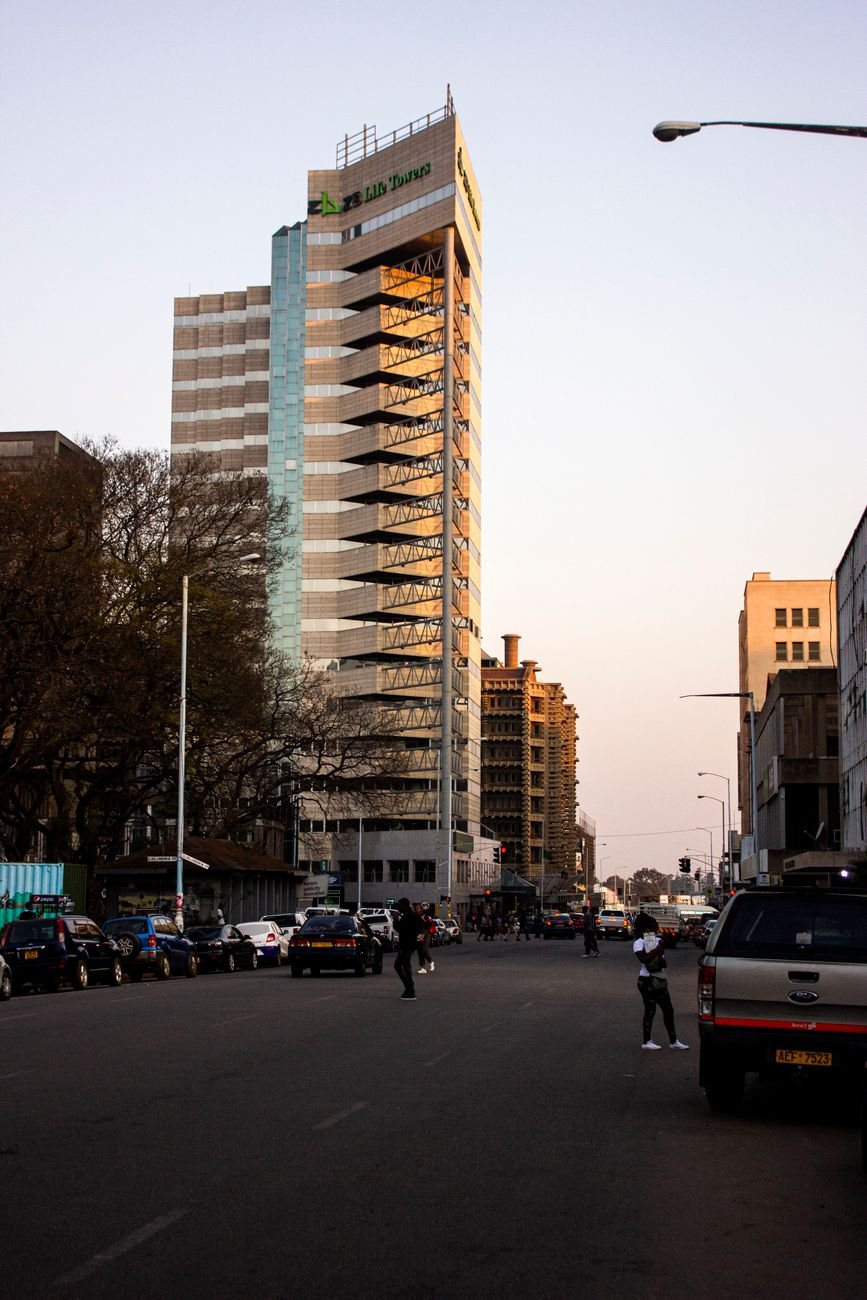
Harare is a sprawling city by African standards, covering around 960 square kilometres of urban and suburban terrain. Getting around efficiently depends on which part of the city you are in and your budget. The options range from the city’s well-established commuter omnibus network to InDrive, car hire, and private taxis. Here is how each one works.
Robert Gabriel Mugabe International Airport to the City
The airport sits approximately 15 km south-east of the city centre, connected by the A4 Harare–Masvingo road. The journey takes 25–35 minutes in normal conditions, longer during rush hour (7–9am, 4.30–7pm).
Private taxis: The most predictable option. Agree a fare before getting in. Typical cost from the airport to the CBD (Central Business District) or Avenues/Borrowdale is USD 20–30 as of 2026. Taxis also drop to specific suburbs - Borrowdale, Mount Pleasant, Highlands, Newlands - at similar rates depending on distance.
Hotel transfers: Most hotels and guesthouses in the mid-range and above will arrange a private transfer. Rates are comparable to taxis but drivers will hold a sign with your name. Worth booking in advance, especially for late-night arrivals.
InDrive from the airport: InDrive is available at the airport but driver availability can be limited at off-peak hours. If you have a local SIM or working data, open the app and set your own fare. Airport rides typically settle at USD 10–18. Helpful for early-morning departures too.
No public bus to the airport: There is no reliable scheduled public bus service between the airport and the city. Commuter omnibuses occasionally pass the airport road junction on the main highway, but navigating this with luggage is not practical.
Commuter Omnibuses (Kombis)
Harare’s commuter omnibus network - universally called kombis - is the backbone of urban transport for the majority of the city’s residents. These are typically minibuses or small vans operating fixed routes radiating out from the city centre.
How they work: Kombis do not have fixed departure times. They leave when full. Routes are shouted by a conductor (sometimes called a “tote”) hanging from the door. The main gathering points are at Market Square (near Mbare) and Fourth Street Bus Terminal for routes going to most suburbs.
Fares: Very cheap. Most city routes cost USD 0.30–0.80 per person as of 2026. Pay the conductor directly in USD. Exact change is appreciated.
Key routes for visitors:
- City centre → Avenues: kombis along Robert Mugabe Road and Samora Machel Avenue
- City centre → Borrowdale: kombis depart from Angwa Street area
- City centre → Mbare market: multiple routes; Mbare is the hub for routes going south
What to know: Kombis are crowded, stop frequently, and do not air-condition. Pickpockets operate in busy kombi terminals - keep valuables in a front pocket or money belt. The kombis themselves are generally safe but the terminals attract touts. Walk with purpose and ignore anyone who approaches loudly offering “special” rates.
InDrive
InDrive is Harare’s dominant ride-hailing platform and works well across most of the city. Unlike Uber’s fixed pricing model, InDrive is a negotiation platform: you propose a fare and drivers accept, counter-offer, or decline.
How to use it:
- Download the InDrive app (available on iOS and Android)
- Enter your pick-up and destination
- Set a fare - the app suggests a range based on distance
- Drivers send offers; accept the one closest to your price
- Your driver’s rating, plate, and photo are visible before you confirm
Typical InDrive fares in Harare (2026):
- CBD to Borrowdale (8 km): USD 4–7
- CBD to Avenues (2 km): USD 2–4
- CBD to Msasa (10 km): USD 5–9
- CBD to Sam Levy’s Village, Borrowdale: USD 6–10
Tips: Set your price slightly below the suggested range - drivers often accept. Rating your driver after the trip takes 30 seconds and helps the system work better. InDrive works best with a local SIM; international roaming data can work but delays the driver-acceptance process.
Private Taxis
Traditional private taxis operate from taxi ranks around the city and can be flagged from main roads. They are more expensive than InDrive but are always available without an app.
Key taxi ranks:
- Outside Hyatt Regency Harare The Meikles (Jason Moyo Avenue / Third Street intersection)
- Sam Levy’s Village, Borrowdale
- Avondale Shopping Centre
- Outside major hotels in Avenues
Typical taxi fares (2026):
- Short city-centre trips: USD 5–10
- CBD to Borrowdale: USD 10–15
- CBD to Highlands: USD 8–12
- Full-day hire with driver: USD 80–120 depending on distance
Night travel: After 10pm, taxis are the safest choice. Ask your hotel to call a trusted driver. Several hotels maintain relationships with reliable taxi companies - it is worth asking the front desk for a recommendation on arrival.
Car Hire
Driving yourself is practical in Harare and the surrounding area if you are comfortable with left-hand-side driving (Zimbabwe drives on the left) and Harare’s occasional potholed roads.
Operators in Harare:
- Avis Zimbabwe - offices at the airport and in town. Rates from approximately USD 60–80 per day for a small car, USD 100–140 for a 4WD, as of 2026.
- Europcar Zimbabwe - operates from Harare Airport. Competitive rates on longer rentals.
- Local rental companies (Sable Car Rental, Hertz Harare) - check current availability as the market shifts.
What you need:
- Valid driving licence from your home country (or an international driving permit)
- Credit card for the deposit
- Vehicle third-party insurance (included in most hire packages)
Fuel: Petrol stations are reasonably well distributed around Harare. Keep the tank above half - fuel availability at rural stations outside the city can be inconsistent. Pay in USD cash or card where available.
Parking: Pay parking applies in most of the CBD. Informal car guards operate throughout the city - a USD 1 tip when you return to the car is customary and keeps your vehicle supervised.
Getting Around by Foot in the CBD
The Harare CBD - the area between Samora Machel Avenue to the north, Kenneth Kaunda Avenue to the south, Chinhoyi Street to the west, and Robert Mugabe Road to the east - is walkable by day. Key sites (National Archives, Harare Gardens, National Gallery, main markets) are within a 15-minute walk of each other.
Security note: Keep cameras and phones out of sight in the CBD. Do not walk with your phone visible. Bag snatching has been reported, particularly around Mbare market and bus terminals. Avenues and the northern suburbs (Borrowdale, Highlands, Mount Pleasant) are significantly calmer for walking.
After dark: Take a taxi or InDrive. Walking in the CBD after dark is not recommended.
Practical Transport Tips for Harare
- Get a local SIM on arrival - EcoNet and NetOne SIM cards are sold at the airport. A SIM card with data costs USD 3–5 and makes InDrive (and Google Maps navigation) far more reliable.
- Carry small USD bills - USD $1 and $5 notes are your transport currency. Change is hard to get. Avoid USD $100 bills for small transactions.
- Rush hour is real - 7–9am and 4.30–7pm on weekdays significantly extend all journey times in the city. Plan accordingly.
- Google Maps works - street-level mapping for Harare is reasonably accurate. Download the Harare offline map before arriving if you are data-conscious.
For accommodation options in Harare, search hotels in Harare on Booking.com.