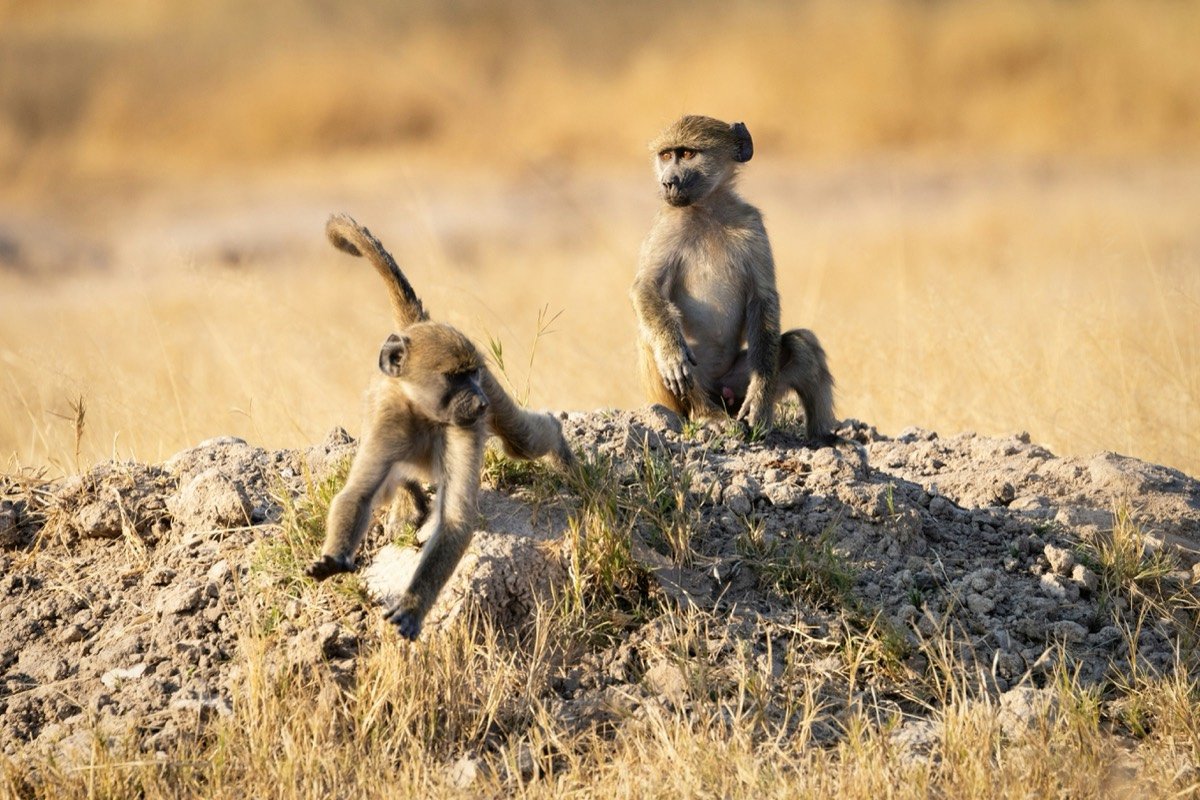
Matobo Hills National Park sits 35km south of Bulawayo - close enough that most visitors treat Bulawayo as their dining base, with lodge restaurants in and around the park covering breakfast and dinners when you don’t want to drive back after dark. Options in the park itself are limited by design: Matobo is a wilderness area, not a resort, and that remoteness is part of the appeal.
Here’s what the dining landscape actually looks like - inside the park, at the surrounding lodges, and in Bulawayo for those day-tripping or passing through.
Inside and Around the Park
Maleme Dam Rest Camp (National Parks Camp Restaurant)
The Maleme Dam camp complex inside the national park has a basic restaurant serving breakfasts and simple meals for guests staying in the national parks chalets and lodges. Meals are affordable and hearty - eggs, sadza, grilled chicken, and the occasional braai. Portions are reliable rather than refined. Expect to pay approximately USD 5–10 per meal as of 2026. This is the only sit-down option inside the park boundaries, so worth noting if you plan a full day around rhino tracking without making the return trip to Bulawayo.
Big Cave Camp (Lodge Restaurant - Matobo Hills)
Big Cave Camp, perched on a kopje within the Matobo area, serves meals to overnight guests as part of their lodge packages. The kitchen leans on locally sourced produce - sadza with relish, grilled game cuts, and fresh salads. Non-guests can sometimes arrange dinner with advance notice, though the lodge primarily caters to its own visitors. Dinner is included in most lodge rates, which run from approximately USD 120–180 per person per night inclusive of meals as of 2026.
Farmhouse Lodge (Matobo Hills)
Farmhouse Lodge operates its own kitchen serving guests three meals a day in a relaxed colonial-era dining room. Breakfast is generous - fruit, eggs, toast, tea. Dinners centre on grilled meats, stews, and seasonal vegetables from the lodge’s garden. Room rates typically include breakfast; dinner is available for an additional USD 20–30 per person. Non-resident diners can occasionally be accommodated if you call ahead.
Bulawayo (30–45 Minutes Away)
Bulawayo is Zimbabwe’s second city and a proper town with a full range of restaurants. Most visitors base themselves here and eat dinner in the city after returning from a day in the park.
Budget: The Cattleman (Bulawayo)
A long-standing Bulawayo institution, The Cattleman is a no-frills steakhouse on the edge of the city centre that serves exactly what you’d expect - generous cuts of beef, pork ribs, and chicken at prices that feel almost implausibly reasonable. Mains run approximately USD 8–15 as of 2026. The atmosphere is canteen-like rather than polished, but the beef is excellent quality and portions are large. Popular with locals for good reason.
Budget to Mid-Range: Amanzi Restaurant (Bulawayo)
Amanzi is a Bulawayo fixture with a broader menu than most - grills, pasta, salads, pizza, and Zimbabwean staples all appear on a menu that changes seasonally. It caters to families and business travellers alike, with outdoor seating in a garden setting. Mains range from approximately USD 10–18 as of 2026. Service is reliable and the kitchen handles volume without sacrificing quality.
Mid-Range: The Ndlovu Bar and Grill (Bulawayo)
Located within one of Bulawayo’s established hotels, The Ndlovu is a sit-down grill restaurant with a proper menu - kudu steak, game sausages, Zimbabwean catfish, and standard beef cuts. It’s one of the more comfortable options in the city with air conditioning and attentive service. Mains are approximately USD 15–25 as of 2026. Worth booking a table on Friday and Saturday evenings when the restaurant fills up with city residents.
Mid-Range: The Guinea Fowl Restaurant (Bulawayo)
A Bulawayo favourite among visitors staying at mid-range hotels in the city. The Guinea Fowl focuses on grilled meats and game dishes with a short, focused menu that changes weekly. The kudu carpaccio, when available, is worth ordering. Expect to pay approximately USD 15–22 per main as of 2026. The wine list is limited to South African imports, which covers the basics adequately.
Luxury: The Cecil Restaurant (Bulawayo - Historic Hotel)
Operating inside one of Bulawayo’s grand colonial-era hotels, The Cecil offers the closest thing to fine dining in western Zimbabwe. White tablecloths, a more formal atmosphere, and a menu that leans into game meats, local produce, and accomplished plating. A full dinner with a glass of wine will come to approximately USD 40–60 per person as of 2026. Good option for a celebratory meal after a multi-day stay in the Matobo area.
Self-Catering at National Parks Camps
If you’re sleeping in one of the Maleme Dam or Whitewaters camp chalets, self-catering is the most practical and affordable option. The chalets have basic kitchen facilities - hotplate, pots, and utensils. Stock up in Bulawayo before driving to the park; there are no supermarkets or shops within the park itself.
What to bring from Bulawayo:
- Braai supplies (charcoal, firelighters) - the camps have outdoor braai stands
- Pre-marinated meats or boerewors from a Bulawayo butcher
- Bread, eggs, tinned goods for breakfast
- Enough water - the camp has tap water but some travellers prefer to bring their own supply
OK Foods and Spar have branches in Bulawayo city centre and are the most convenient stops for camp provisions. A shop at the Pick n Pay in the Ascot Centre is well stocked and easy to navigate. Budget approximately USD 20–35 for two to three days of self-catering provisions per person.
Book a Bulawayo Food and Culture Tour
Since most Matobo Hills visitors base themselves in Bulawayo for evening meals, a guided Bulawayo food walk is a natural add-on to a day in the park. Bulawayo’s Ndebele culinary tradition - isitshwala, umxhanxa, amasi, and slow-cooked game meat stews - is distinct from the Shona food culture that dominates Harare, and the Egodini market area and CBD lunch spots are best navigated with a local guide who knows the best stalls and can explain the food history. Many tour operators running Matobo day trips from Bulawayo include an evening food walk or market visit as part of their programme. Browse Bulawayo and Matobo cultural tours to see what is running in 2026.
Practical Dining Tips
Drive times matter: The main gate of Matobo National Park closes at sunset. If you’re eating dinner in Bulawayo, you need to be out of the park beforehand. This naturally structures your day - leave the park by 5 pm, eat in Bulawayo, and either drive back to lodge accommodation within the park (via the gate you have a booking for) or stay overnight in the city.
Cash vs card: Bulawayo restaurants increasingly accept USD card payment via point-of-sale terminals, but don’t count on it working smoothly at every venue. Carry small USD notes. Lodge meals are almost universally payable by card.
Dining in context: The Matobo area is first and foremost a wilderness experience - white rhino tracking, San rock art sites, World’s View at dawn. Dining here is functional and occasionally excellent, but don’t visit expecting the restaurant scene of a resort town. The lodges do their job well, and Bulawayo has enough variety to satisfy any appetite after a day in the hills.
Plan Your Visit to Matobo Hills
Guided tours: Browse Matobo and Bulawayo tours - white rhino tracking, San rock art walks, World’s View day trips, and cultural tours from Bulawayo.
Travel insurance: Matobo Hills is remote bush country - comprehensive medical cover including evacuation is important for any Zimbabwe safari trip - compare Zimbabwe travel insurance options.
Mobile data: Signal is absent inside the park and patchy in the Matobo Hills area generally - download offline maps before arriving and get an eSIM for coverage on the Bulawayo drive - get a Zimbabwe eSIM.
Where to stay: Most visitors base themselves in Bulawayo for Matobo day trips, but bush lodges inside the park are the most atmospheric option - browse hotels in Matobo Hills for both.