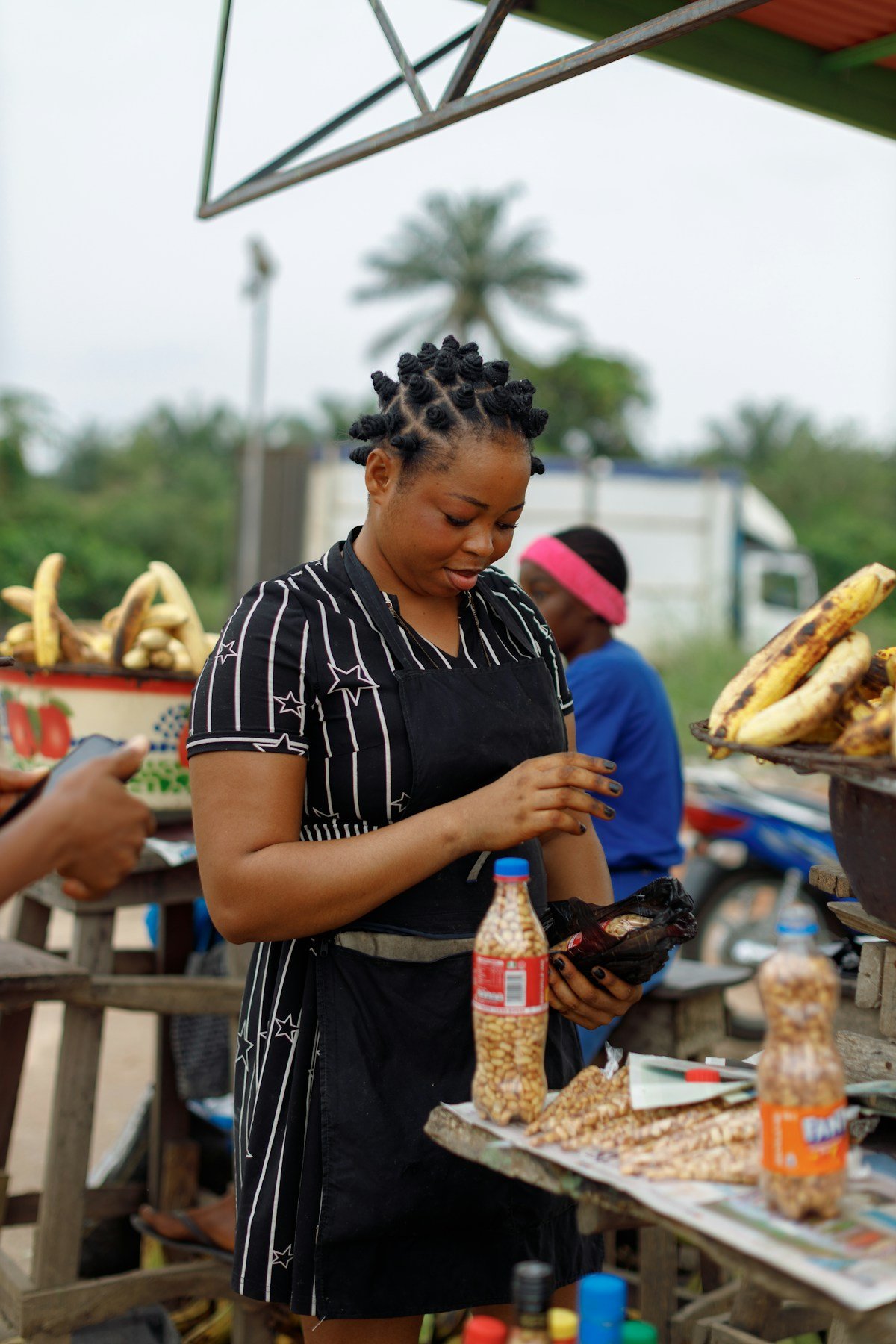
Zimbabwean cuisine is built around a straightforward premise: maize, vegetables, and protein cooked with patience. The country’s food culture does not seek to impress with complexity - it seeks to nourish. But behind that simplicity is a rich system of flavours, techniques, and cultural practices that tell the story of the land, the seasons, and the communities that have shaped them over centuries.
Understanding what Zimbabweans eat, and why, gives you one of the most direct routes into understanding the country.
Sadza: The Foundation of Everything
Every conversation about Zimbabwean food begins with sadza. This stiff white maize porridge is consumed by virtually every Zimbabwean at least once a day, from township homes to rural villages to upmarket lodges that serve it as a novelty for foreign guests. It is made by cooking white maize meal (mealie meal) in boiling water, stirring continuously, and cooking until it reaches the consistency of stiff mashed potato.
Sadza is eaten with the hands - a small ball is rolled between the palm and fingers, a hollow pressed in the centre, and the scoop used to pick up relish. The skill of rolling sadza correctly is taught from childhood and reveals much about a person’s relationship with their food culture.
The maize used for sadza in Zimbabwe is white maize, not yellow. Visiting South Africans or Zambians will immediately notice the colour difference. Zimbabwean white maize meal is finely ground and produces a sadza with a particular smooth texture that local cooks identify by sight and feel before it has finished cooking.
The Relishes: What Goes with Sadza
Sadza is always eaten with a relish - the stew, vegetable dish, or protein component that transforms a starch into a meal.
Muriwo (pronounced moo-ree-wo) is the most common relish in Zimbabwe - a preparation of leafy green vegetables, most often rape (similar to collard greens), cooked down with onion and frequently finished with a spoonful of peanut butter that thickens the sauce and adds a characteristic earthiness. The combination of bitter greens, soft onion, and creamy peanut is one of the defining flavours of Zimbabwean home cooking.
Nyama refers broadly to meat stew - most commonly beef or goat, slow-cooked in an iron pot over a wood fire until the meat is falling off the bone and the sauce has reduced to a thick, dark gravy. In rural settings, this is the celebratory relish, prepared for guests and for weekend meals. In town, roadside sadza restaurants serve nyama daily as the standard meat option.
Matemba are tiny dried kapenta fish from Lake Kariba, fried until crispy and eaten with sadza. The smell is distinctive and the flavour is intensely savoury. In lake communities along Kariba, matemba are eaten almost daily.
Dovi is groundnut (peanut) stew - a thick sauce made from ground peanuts cooked with tomato, onion, and sometimes chicken or vegetable stock. It is rich, filling, and one of the more complex-tasting dishes in the Zimbabwean repertoire.
Meat: Braai Culture and Game Meat
Zimbabwe has a strong meat-eating culture shaped by cattle ranching, game farming, and a braai (barbecue) tradition that spans the entire country. Weekend braais are a social institution, and the smoke of wood-fired braai grids is as much a part of a Zimbabwean weekend as church or football.
Road runner chicken refers to free-range chickens raised in villages and smallholdings - they are noticeably smaller, tougher, and more flavourful than commercial broiler chickens. The name comes from the birds literally running around the yard. Road runner chicken is typically slow-braised or stewed for long enough that the meat is tender. It is considered far superior to shop-bought chicken by most Zimbabweans and commands a premium price.
Game meat - from springbok, impala, kudu, warthog, and ostrich - is more widely available in Zimbabwe than in most African countries due to the strength of the game farming sector. Safari lodges serve it prominently, and some supermarkets and butchers in Harare and Bulawayo stock game meat products including biltong (dried cured meat), boerewors (spiced farmer’s sausage), and fresh game cuts. Kudu biltong, in particular, is considered a delicacy and a good gift to bring home.
Peanuts and Seeds
Zimbabwe grows significant quantities of groundnuts (peanuts), sunflower seeds, and cotton seeds, and these feature heavily in the diet in various forms.
Dovi (peanut butter stew, described above) is the most common prepared form. But raw or roasted groundnuts are also widely sold by street vendors - you can buy small paper twists of roasted groundnuts from market stalls across the country for a few cents. They are one of Zimbabwe’s best everyday snacks.
Sunflower seeds (mahonde) are roasted and eaten as a snack or ground into a paste similar to tahini, used in cooking.
Madora: Mopane Worms
Madora are the caterpillars of the Emperor moth (Gonimbrasia belina), which feeds on the leaves of mopane trees across the bushveld regions of southern Africa. Dried madora are a significant source of protein across rural Zimbabwe, Botswana, and northern South Africa.
They are typically dried in the sun after gutting, then either eaten dry (crunchy, intensely savoury, with an earthiness that has been compared to dried mushroom or anchovy) or rehydrated and cooked with tomato and onion as a relish for sadza. The flavour is strong and divisive - many visitors find the taste perfectly palatable once past the visual barrier. Madora are found at market stalls across Zimbabwe and sold in plastic packets at some supermarkets.
Mahewu and Fermented Drinks
Mahewu is a fermented maize drink - thin, slightly sour, and mildly effervescent from the fermentation. It is consumed in enormous quantities across Zimbabwe as a refreshing, nutritious everyday drink. The commercial version (Lacto from Delta Beverages) is widely sold in cartons at supermarkets; the home-made version is thicker and more complex in flavour. Mahewu is non-alcoholic or near-zero alcohol. It is one of the best things to drink on a hot day.
Chibuku (also called shake-shake) is opaque sorghum beer - a thick, grainy, slightly sour fermented beer sold in litre cartons. It is traditional beer by a different name: consumed in quantities at beer halls, communal gatherings, and funerals. The texture takes adjustment; the taste is earthy and sour. Chibuku is produced commercially by Delta Beverages and is found in virtually every bottle store.
Where to Eat Traditional Zimbabwean Food
Harare
Gava’s Restaurant, Avondale - one of Harare’s most reliable spots for traditional cuisine done well. The sadza and goat stew is the dish to order; dovi with chicken is consistently good. Lunch mains run approximately USD 4–8. Full traditional meal for two with drinks around USD 15–20.
Traditional Foods Café, Mbare - inside Mbare Market, this informal canteen serves fresh sadza with rotating relishes: matemba on Mondays and Fridays, nyama choma on weekends. Plates from USD 1.50–3. Go at lunchtime (12:00–14:00) when the food is freshest.
Tawanda’s Kitchen, Borrowdale - popular with local office workers and expats wanting traditional food in a sit-down setting. Sadza with beef stew, muriwo, or dovi runs USD 5–9. The mopane worm starter (USD 3.50) fried with chilli is a good introduction for first-timers.
Amanzi Restaurant, Borrowdale - garden dining in a smarter setting, with sadza and nyama choma at USD 12–18 per main. Worth it for the presentation if you want traditional food in a sit-down restaurant environment. Popular for business lunches.
Bulawayo
Induna Restaurant, Suburbs - Bulawayo’s best-known traditional food restaurant, specialising in Ndebele-style cooking. The umxhanxa (sweet pumpkin and corn dish) and isitshwala (Ndebele sadza, slightly different maize variety) are both excellent. Mains run USD 4–10.
Egon’s, City Centre - a workers’ restaurant near the city centre, fresh sadza with daily rotating relishes. Extremely affordable (USD 1.50–3 per plate) and consistently busy with local office workers. Cash only.
Nesbitt Castle Restaurant - traditional dishes in a more formal historical setting. Sadza with oxtail stew is a standout. Mains USD 10–18.
Victoria Falls
The Boma - Dinner and Drum Show at the Victoria Falls Hotel is the most visitor-friendly traditional food experience in the country, covering game meats and classic relishes in a structured evening setting. Worth it for the experience; expect tourist pricing.
Village and Rural Settings
If you can eat in a village setting - through a community tourism programme or home-stay - take the opportunity. This is where the food is at its most fundamental. Some Zimbabwe food and culture tours include village cooking experiences and market visits as part of the programme.
Maputi, Grilled Maize and Street Food
Maputi are roasted dried maize kernels sold by vendors at bus stations, market entrances, and roadsides. Produced by dry-roasting kernels in a dry pot until they pop and crisp - harder and denser than popcorn, with a deeply nutty flavour. A small paper bag costs under USD 0.50.
Grilled maize (corn on the cob cooked directly over charcoal) is sold at virtually every busy street corner and bus station for USD 0.30–0.50. Cooked to order, no water risk - one of the safest and best street foods in the country.
Mbare Musika (Harare) and Renkini Bus Terminus (Bulawayo) are the two best market environments for traditional street food. Both have dozens of vendors selling sadza with relish, maputi, roasted groundnuts, and fresh fruit. A full meal under USD 2.
Book a Guided Traditional Food Tour
The best way to experience Zimbabwe’s traditional food culture in a short visit is a guided food and culture tour that includes market visits, a village cooking demonstration, and communal meals. These tours are primarily available in Harare and Victoria Falls, where operators have established relationships with traditional cooks, market guides, and community food projects. A single day covers more ground - and more context - than a week of independent restaurant eating: you will taste sadza cooked on a wood fire, try madora (mopane worms) with someone who can explain where they come from, and understand how the same dish varies between a Shona kitchen in Harare and an Ndebele home in Bulawayo. Browse Zimbabwe food and cultural tours to find operators running this experience in 2026.
Where to stay: Browse Zimbabwe hotels - accommodation options across Harare, Victoria Falls, and the main regional towns for every budget.