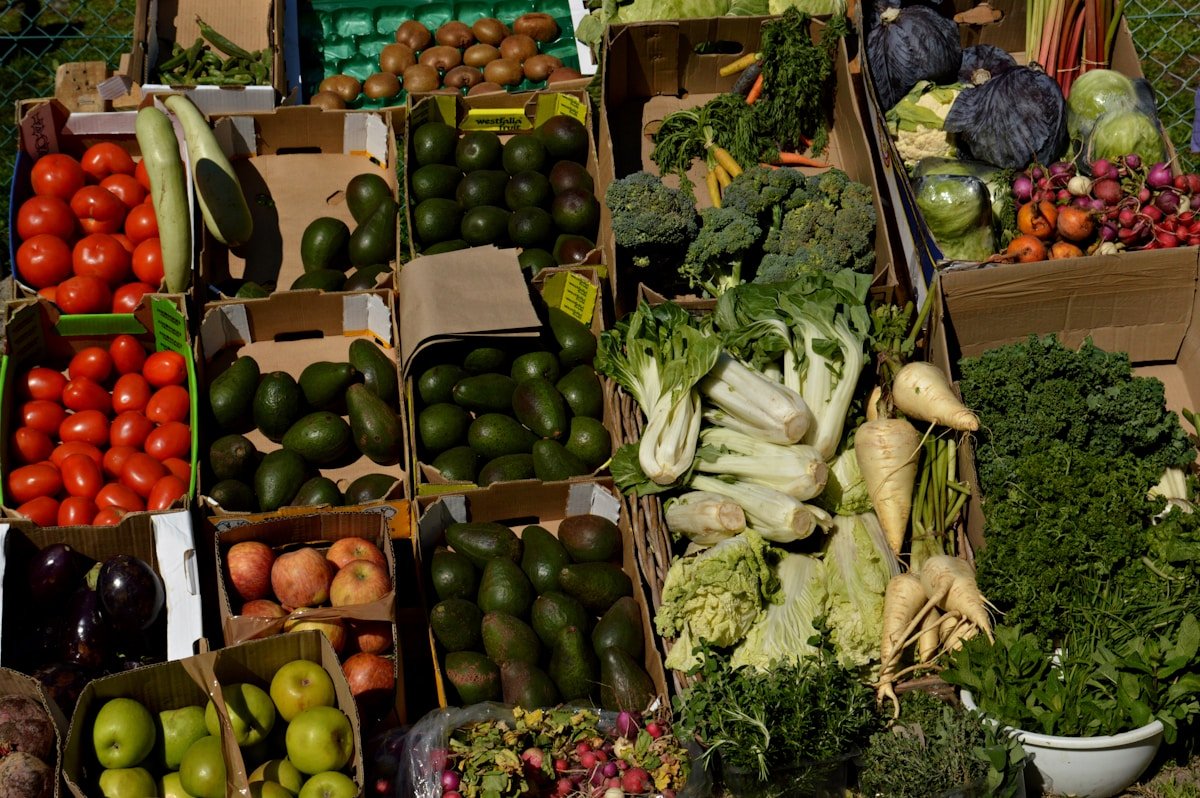
Zimbabwe’s traditional food culture is centred on sadza (maize meal porridge) and meat-based relishes - a legacy of cattle farming, game meat availability, and a protein-rich diet shaped by hard physical labour. This is not naturally vegetarian-friendly territory. But look more carefully at the underlying ingredients and techniques, and you find a food culture that has substantial plant-based depth: groundnuts, leafy greens, pumpkins, sweet potatoes, and fresh fruit play major roles in everyday eating. Vegetarians who know what to ask for can eat consistently and even well in Zimbabwe.
The Vegetarian Core of Zimbabwean Cuisine
Several dishes at the heart of traditional Zimbabwean cooking are naturally vegetarian or vegan:
Muriwo - collard greens or rape (a closely related leafy vegetable) cooked down with onion, tomato, and typically finished with a spoonful of peanut butter. The peanut butter thickens the sauce and adds a rich, earthy flavour that makes this feel filling and complete alongside sadza. This dish is sold at virtually every local restaurant in Zimbabwe. Confirm it has been made without chicken stock if you are strict about this - some cooks add stock for extra flavour.
Dovi - groundnut (peanut) stew. Can be made entirely vegetable-based (with pumpkin, sweet potato, or spinach) or with chicken. At restaurants, ask specifically for dovi without meat (dovi pasina nyama). The groundnut base gives a creaminess and depth that makes this one of the most satisfying plant-based Zimbabwean dishes.
Sadza nehovi - sadza with pumpkin leaves (hovi). A preparation specific to parts of Mashonaland and the Eastern Highlands, where pumpkin leaves are cooked similarly to muriwo. Lighter and slightly more bitter than rape, with a flavour closer to spinach.
Nhopi - pumpkin porridge. Boiled pumpkin mashed and sometimes sweetened with a little sugar or eaten plain. Common as a breakfast option or a starchy side dish.
Maputi - popped corn (similar to popcorn). Sold by vendors at bus termini and markets. Natural, vegan, cheap.
Eating Vegetarian at Local Restaurants
The standard local restaurant format is a sadza-and-relish setup where you choose your relish from the day’s available options. In this context, vegetarians should ask:
- “Une muriwo?” (Do you have muriwo?) - the answer will almost always be yes
- “Une dovi repasi?” (Do you have vegetable dovi?) - available at some, not all
- “Hapana nyama” (No meat) - worth saying specifically when ordering any vegetable dish, as cooks sometimes add a small amount of meat as flavouring without thinking of it as a “meat dish”
Budget local restaurants are often well-set for vegetarians by accident - muriwo with sadza is simply a common, inexpensive choice. You will pay approximately USD 2–4 for a satisfying meal.
City Restaurants with Vegetarian Options
Harare:
- Amanzi Restaurant in Borrowdale specifically lists vegetarian mains on its menu, including dishes built around local vegetables, roasted butternut, and seasonal produce. Mains approximately USD 15–22.
- MamBo’s in Avondale has salads, avocado dishes, and vegetarian pasta. Good for lunch.
- Café Nush in Borrowdale: excellent for breakfast options (avocado on toast, fruit plates, eggs prepared multiple ways).
Bulawayo:
- Fusion Restaurant near the city centre has pasta dishes and stir-fried vegetable plates that work well for vegetarians.
- Most Bulawayo restaurants with an international menu can adapt a dish for vegetarians on request - call ahead for dinner service to give the kitchen time to prepare.
Victoria Falls:
- The Boma buffet at the Victoria Falls Hotel includes salads, roasted vegetables, butternut soup, and pap (similar to sadza) alongside its meat stations.
- Explorers Bar and Restaurant can make vegetarian pasta and salads.
Supermarket Shopping in Zimbabwe
Harare and Bulawayo have well-stocked supermarkets (Pick n Pay, Spar, and OK Bazaars carry the widest range) where vegetarians can stock up effectively:
- Fresh produce: tomatoes, onions, avocados, leafy greens, carrots, butternut squash, sweet potatoes, potatoes - widely available and good quality in season
- Protein: eggs are widely available; canned legumes (chickpeas, lentils, kidney beans) in most supermarkets; peanut butter in many sizes; nuts and seeds
- Dairy: milk, yoghurt, and good-quality local cheese in Harare stores; limited outside cities
- Grains: maize meal, rice, oats, bread; pasta widely available
- Tofu and meat alternatives: available at some Harare stores (Bon Marché in Borrowdale sometimes stocks this); not reliable outside Harare
For safari lodges: confirm dietary requirements at booking. All major lodges accommodate vegetarians, and most do so well - a good bush chef will prepare a dedicated vegetarian menu rather than just removing the meat component. Be specific: tell them you do not eat fish, chicken, or beef stock if that applies to you.
Fresh Fruit in Zimbabwe
Vegetarians will not go hungry in Zimbabwe when it comes to fresh fruit. The country produces excellent seasonal fruit:
- Avocados (April–August): exceptional quality, often sold cheaply from roadside stalls
- Mangoes (November–January): Zimbabwean mangoes are sweet and fibre-rich; varieties include Tommy Atkins and the local favourite, the Kent mango
- Pawpaw (papaya) (year-round in warmer lowveld areas, seasonal in the highveld)
- Citrus (June–September): navel oranges from the Eastern Highlands and Mazowe area
- Guavas: widely available from garden trees in the rainy season; also sold at markets
- Bananas: available year-round from tropical lowland farms near Chipinge
Roadside fruit stalls along the main Harare–Mutare highway and around the Eastern Highlands are some of the best in the country.
Join a Guided Food Tour as a Vegetarian
Harare’s guided food tours are increasingly vegetarian-friendly - and a good guide will navigate you directly to the spots where vegetable relishes are freshest, markets where the produce is outstanding, and neighbourhood restaurants that serve the best muriwo and dovi in the city. Walking through Mbare with someone who can tell you which relish vendors are genuinely plant-based (and which add a spoonful of stock without thinking) is far more useful than any printed guide. Several Victoria Falls food tours also accommodate vegetarian visitors who want to experience the local eating culture without the game meat emphasis. Browse Zimbabwe food and cultural tours for options suitable for vegetarian travellers in 2026.
Water and Drinks
Tap water in Harare has been variable in quality - bottled water is the safest option for visitors. Bottled water is widely available in supermarkets and at lodges.
Mahewu (fermented maize drink) is naturally vegan and widely available in cartons. Fresh fruit juice is sold at some café-style restaurants; the guava and mango options are particularly good when available.
Plan Your Visit
Food tours: Browse Zimbabwe food and culture tours - several Harare operators run vegetarian-friendly market walks and cooking experiences.
Where to stay: Find Zimbabwe hotels - accommodation across Harare, Victoria Falls, and regional towns for every budget.