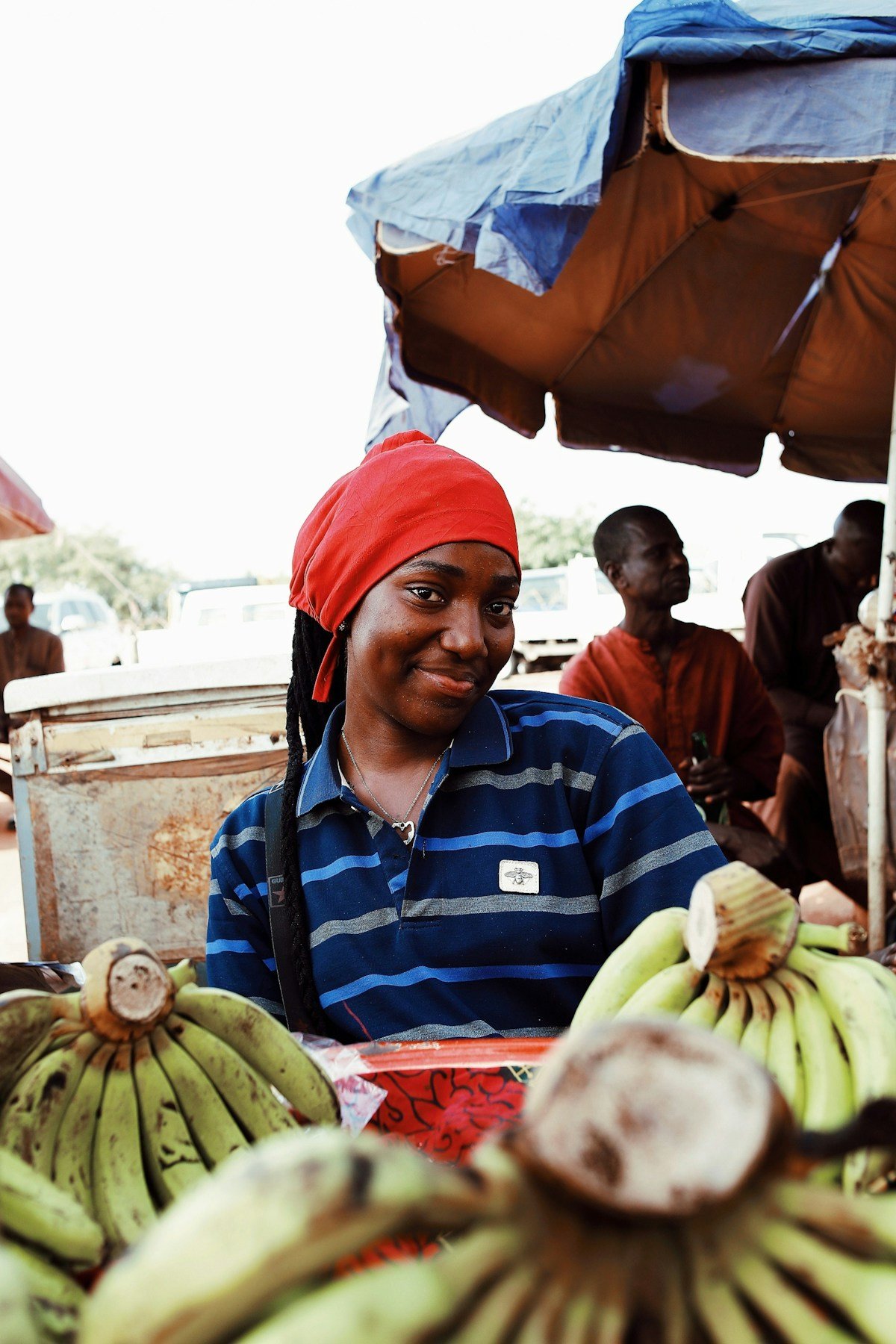
Zimbabwe’s markets are the engine room of the country’s informal economy and the most direct access point to how most Zimbabweans actually shop, cook, and eat. They operate at multiple scales - from the vast wholesale hub of Mbare Musika in Harare to small weekly rural markets where neighbouring farmers trade surplus produce. For food-focused travellers, a morning at a major Zimbabwean market is one of the best unscripted experiences the country offers.
Mbare Musika Market, Harare
Mbare Musika is Zimbabwe’s most significant urban market - a dense, multi-acre complex in the Mbare suburb about 3 kilometres south of the Harare CBD. It functions simultaneously as a wholesale produce distribution centre for the wider Harare region and as a retail market for local residents.
Fresh produce section: The outer perimeter and main open-air sections handle the wholesale movement of vegetables and fruit. During the rainy season harvest period (March–May), the market overflows with tomatoes, onions, cabbages, rape, spinach, okra, green beans, and watermelons. Wholesale buyers from restaurants, tuck shops, and hotels come here from across Harare. For visitors, the scale alone is worth seeing - towers of tomato crates moving on trolleys, sacks of potatoes unloaded from trucks, women sorting leafy greens with practised speed.
Dried goods and staples: Inside the covered sections, traders sell maize meal (in 10kg and 50kg sacks), dried beans, groundnuts, kapenta (dried fish from Lake Kariba), cooking oil, and rice. The groundnut section is particularly interesting - raw groundnuts, roasted groundnuts, groundnut butter processed on-site from stone mills, and groundnut flour all sold from adjacent stalls.
Second-hand goods: Mbare Musika is also one of Harare’s major second-hand markets, with sections for clothes (sorted by type - women’s blouses, children’s school shoes, men’s suits), electronics, mobile phones, and household goods. The clothes section alone covers many market blocks.
Getting there: Take a taxi or Vaya Africa rideshare from the city centre - approximately USD 3–5 each way. Kombis heading south from the First Street Mall also pass Mbare. Go between 08:00 and 11:00 for peak trading. A guided visit with a local community tour operator (Dzidza Arts, Mbizi Arts) costs approximately USD 25–40 and adds significant context. You can also browse guided Harare market tours that combine Mbare with other city highlights.
Avondale Market, Harare
Avondale Market (sometimes called the Avondale Craft and Flea Market) operates on Saturday and Sunday mornings in the Avondale suburb, about 4 kilometres north of the CBD. It is a considerably more tourist-friendly environment than Mbare Musika, with a mix of produce stalls, craft sellers, second-hand books, and food vendors setting up in a fenced market ground.
The produce here is generally higher-quality and slightly more expensive than Mbare - directed at the middle-class and expat residents of the northern suburbs. Fresh herbs (basil, parsley, dill - unusual in Zimbabwe), organic vegetables from smallholder farms, artisanal cheese, home-baked bread, and potted plants all appear at Avondale on weekend mornings.
There is also a food section with ready-to-eat items: grilled boerewors rolls, samosas, fresh fruit juices, coffee, and bunny chow (hollowed bread filled with curry). Avondale Market is the best option for a Saturday morning food outing in Harare that combines eating, browsing, and people-watching in a comfortable format.
Open Saturday and Sunday from approximately 07:00 to 13:00.
Renkini Bus Terminal Market, Bulawayo
Renkini Terminal in Bulawayo is the city’s main long-distance bus station, and like all major bus terminals in Zimbabwe, it has accumulated a substantial surrounding market covering the adjacent streets and open ground. This is less a formal food market and more an informal commercial ecosystem - vendors selling snacks (groundnuts, fat cakes, cold drinks, roasted maize) to travellers, traders setting up produce stalls for the suburb’s residents, and a cluster of small restaurants serving sadza and stew through the day.
For visitors, Renkini is primarily a transit point rather than a destination market. But if you are passing through Bulawayo by bus, the surrounding street food - particularly roasted maize and groundnuts - is reliable and cheap.
Bulawayo Central Market
The Bulawayo Central Market near the CBD is Bulawayo’s equivalent to Mbare Musika, though smaller in scale. It handles fresh produce, dried goods, and traditional medicines (muthi), with a significant section selling Ndebele cultural items including beadwork, blankets, and clay pottery.
The muthi section is one of the more atmospheric parts of any Zimbabwean market - dried bark, roots, leaves, and animal products arranged on woven mats, with traders who specialise in traditional healing practices. Photography in the muthi section requires permission and sensitivity - ask before pointing a camera.
Open daily, busiest Monday to Saturday 07:00–15:00.
Eastern Highlands Markets: Mutare and Chipinge
The Eastern Highlands region produces some of Zimbabwe’s best fresh produce - including avocados, macadamia nuts, coffee, and tropical fruits - and the weekly markets in Mutare and Chipinge reflect this quality.
Mutare Market (central Mutare, near the main taxi rank) has strong fruit sections from April to September when the avocado and citrus seasons overlap. Chipinge-grown avocados, sold by the bagful for USD 1–2 per five fruits, are among the best in the country. Mutare Market also has dried spices, groundnuts, and a butcher section with locally sourced beef.
Chipinge Area: Chipinge district is Zimbabwe’s primary coffee-growing region (Tanganda Tea and Cairns Foods both operate here) and if you are driving through, it is worth stopping at small roadside stalls selling green or roasted coffee beans from local farms. This is a genuinely underrated food tourism angle for Zimbabwe.
Masvingo Area: Great Zimbabwe Markets
The area around Great Zimbabwe and Masvingo has informal craft markets adjacent to the ruins site, selling stone and wooden sculptures, batik fabrics, and local produce. While primarily arts and crafts focused, vendors also sell dried gourds, traditional baskets, and seasonal fruit. For context on the ruins themselves, see our Masvingo city guide.
Tips for Shopping at Zimbabwean Markets
Cash only: All market transactions in Zimbabwe are cash, in USD or local RTGS dollars. Bring small bills - vendors often cannot make change for USD 20 or USD 50 notes.
Early is better: Most markets are most active in the first half of the morning (07:00–11:00). Fresh produce is replenished early; by midday much of the best stock has moved.
Bargain on non-food items: Fresh produce is typically priced fairly and negotiating is unusual. On craft items, second-hand goods, and tourist-oriented products, some negotiation is expected.
Go on weekdays: Weekday markets are more focused on working commerce and less on tourist trade. Weekend markets attract more visitor-oriented vendors.
Bring a bag: Most stalls do not provide bags. A reusable tote or a backpack is useful for anything you buy.
Plan Your Visit
Guided market tours: Browse Harare food tours - guided walks through Mbare Musika and Harare’s local market circuit with expert context.
Where to stay in Harare: Find Harare hotels - centrally located hotels and guesthouses within easy reach of Mbare Musika and the city’s market districts.