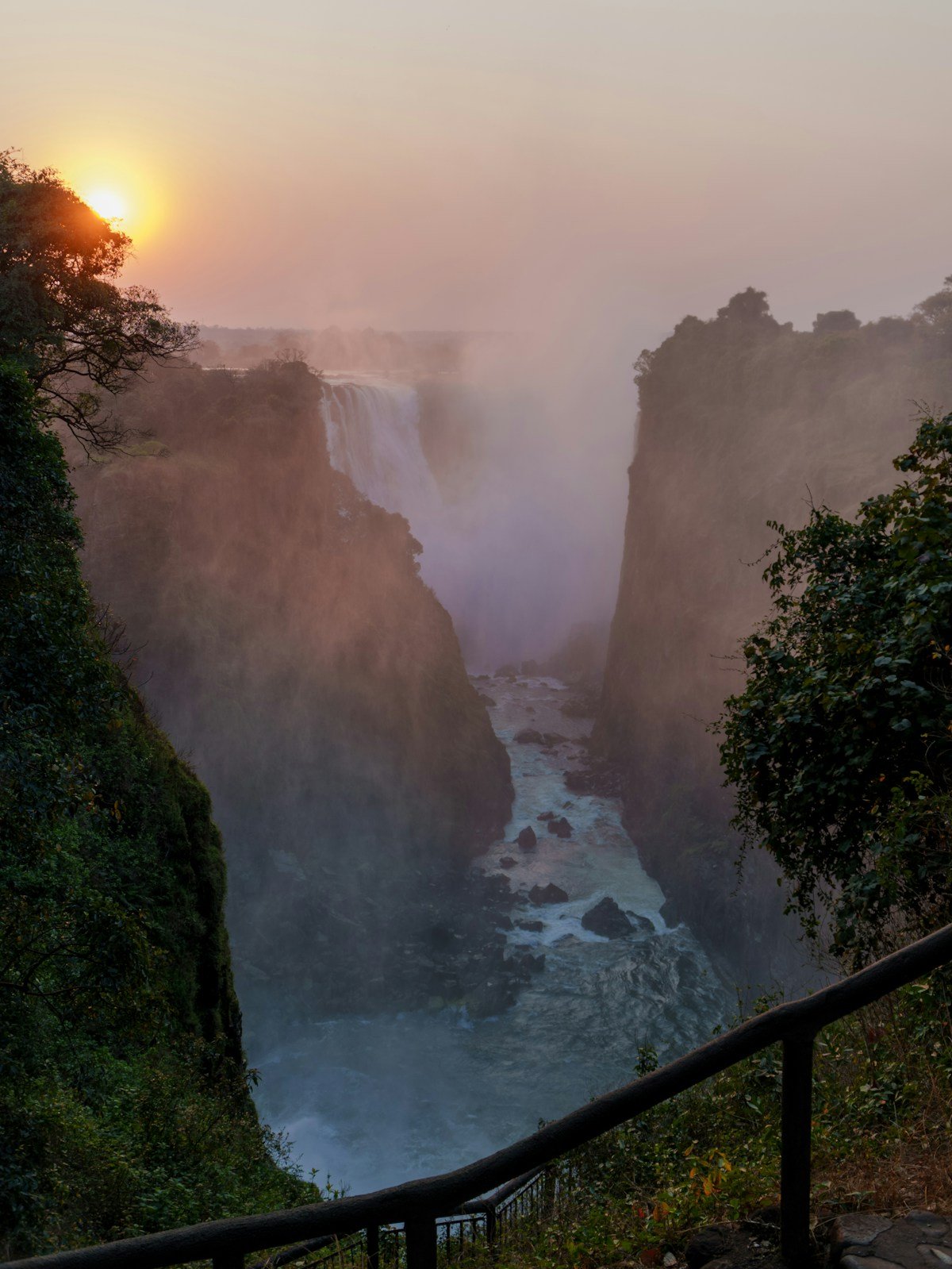
Two weeks lets Zimbabwe breathe. This is enough time to reach all six of the country’s defining destinations - Victoria Falls, Hwange National Park, Lake Kariba, Harare, Great Zimbabwe, and the Matobo Hills - without compressing any of them into a drive-by. You’ll have two full game-drive days in Hwange, time to drift on Kariba on a houseboat or mokoro, space to explore Great Zimbabwe across a full day, and a proper introduction to Bulawayo and the Matobo rock art.
The route runs east and south from Victoria Falls, with a single domestic flight from Kariba to Harare to save a long day on the road. Fourteen days is also the minimum comfortable timeframe for anyone adding the Eastern Highlands - Chimanimani or Nyanga - but that extension pushes the trip to 18–21 days and isn’t covered here.
Quick Overview
| Day | Location | Primary Activity |
|---|---|---|
| 1–2 | Victoria Falls | Falls, rafting, gorge activities |
| 3–4 | Hwange | Safari game drives |
| 5–6 | Lake Kariba | Houseboat or lakeside lodge |
| 7 | Kariba → Harare | Fly, city afternoon |
| 8 | Harare | City: art, food, culture |
| 9–10 | Great Zimbabwe | Ruins + Lake Mutirikwi |
| 11–12 | Matobo Hills | Rhino tracking, rock art, walking |
| 13 | Bulawayo | City exploration |
| 14 | Depart Bulawayo/Harare |
Budget Tiers
Budget (USD 70–100/person/day): ZPWMA campsites and chalets, self-catering, local minibus transport where possible, occasional budget hotel in cities.
Mid-range (USD 200–350/person/day): En-suite lodge accommodation throughout, most breakfasts and dinners included, guided game drives, self-drive car rental.
Luxury (USD 700–1,500+/person/day): Premium safari camps in Hwange (Linkwasha, Davison’s), houseboat luxury tier on Kariba, private guiding throughout, charter flights between some legs.
Days 1–2: Victoria Falls
Most international visitors arrive at Victoria Falls Airport (VFA), which has connections from Johannesburg, Nairobi, and Addis Ababa. Harare (HRE) is the alternative international gateway.
Day 1 afternoon: Walk the main Victoria Falls National Park path (entry USD 30, 14 viewpoints along the gorge rim). In the dry season the falls are reduced but the basalt gorge walls are dramatic. In the wet season spray soaks the path - raincoats essential. Sunset cruise on the Upper Zambezi to close the day (Wild Horizons or Shearwater Adventures, from USD 40/person including drinks). For guided falls walks and curated activity packages, browse Victoria Falls tours on GetYourGuide.
Day 2: Choose your adventure level:
- Rafting (June–December): SafPar or Shearwater Adventures, full day from USD 175 - one of Africa’s finest white-water runs through the Batoka Gorge
- Bungee jump: 111m from the Victoria Falls Bridge (Shearwater, USD 160)
- Gorge swing + zip line: Combined from USD 150
- Upper Zambezi canoe safari (year-round): Half-day from USD 75, gentler option with hippo and bird life
- Devil’s Pool (Zambia side, September–December): The natural pool at the edge of the falls (accessible via Livingstone Island with Tongabezi, from USD 90/person)
Stay: Ilala Lodge (from USD 200/night, walking distance to falls), Victoria Falls Hotel (from USD 350/night, colonial grandeur) or Victoria Falls Rest Camp (from USD 30/person, budget).
Days 3–4: Hwange National Park
Transfer: 165km on the A8 tar road, approximately 2.5–3 hours. Self-drive or shared transfer with SafPar (USD 150/vehicle).
Hwange is Zimbabwe’s largest national park and the anchor of any serious Zimbabwe wildlife trip. It contains the country’s best opportunities for lion, wild dog, and elephant, and several waterholes in the eastern section are among the most productive game-viewing spots in southern Africa.
Day 3: Check in by midday. Afternoon drive - the Nyamandhlovu observation platform (12km from Main Camp) gives a raised view over a large pan that attracts large elephant herds, buffalo, and lion in the late afternoon. Return for a camp dinner or braai.
Day 4: Full-day safari. Morning drive departing 06:00 - the Ngweshla and Dom loops in the north of the Main Camp zone are best for wild dog activity. Midday rest. Afternoon drive through the Sinamatella area if staying at the western side of the park.
Key wildlife: African elephant (40,000+ in the park), lion, wild dog (painted dog), cheetah, leopard, buffalo, giraffe, zebra, sable antelope, roan antelope, wildebeest, waterbuck, and 400+ bird species.
Stay: ZPWMA Main Camp (chalets from USD 25/person); Robins Camp or Sinamatella Camp (better in western Hwange, from USD 25/person); Ivory Lodge (from USD 250/night, private, near Main Camp); luxury all-inclusive camps in Hwange from USD 700/person/night - see our luxury safari lodges Zimbabwe guide for named camps with prices.
Days 5–6: Lake Kariba
Transfer from Hwange: Via Hwange town north to Kariba - approximately 340km on the A8 then B1, around 4–5 hours driving, or charter flight from Hwange airstrip to Kariba (approximately 50 minutes, charter rates vary).
Lake Kariba is the world’s largest man-made lake by volume - 180km long, 40km wide at its widest, and ringed by the Matusadona mountains on the Zimbabwean shore. The drowned trees that still break the surface (Kariba was flooded in the 1950s by the Kariba Dam) create an otherworldly landscape at sunset and are a favourite perch for fish eagles, egrets, and cormorants.
Day 5 - arrival and houseboat: The quintessential Kariba experience is a houseboat on the lake. Kariba Houseboat Hire, African Houseboat Safaris, and several operators run vessels ranging from budget floating platforms (from approximately USD 100/person/night, self-catering) to fully crewed luxury boats with onboard chefs (from USD 350/person/night all-inclusive). Full-day and two-day charters are the most common format.
On the water: fishing (tiger fish, bream), sunset sundowners as fish eagles call across the lake, game viewing from the boat along the Matusadona shoreline (elephant frequently wade into the lake to drink or feed on underwater vegetation), and mokoro (dugout canoe) exploration of quiet bays.
Day 6 - Matusadona National Park: The shoreline national park (accessible by boat or 4WD) has one of Zimbabwe’s densest lion populations and significant buffalo herds. A guided boat safari along the Sanyati Gorge at the western end of the lake is one of the finest wildlife experiences in Zimbabwe - the narrow gorge walls drop straight into deep water, and crocodile, hippo, and a huge diversity of waterbirds concentrate here.
Entry: Matusadona National Park fees approximately USD 15/person/day. Boat safaris via Kariba operators from approximately USD 80/person.
Stay: Caribbea Bay Resort (from USD 100/night, Kariba town, lakeside) or luxury safari lodges on the Matusadona shoreline from approximately USD 400/person/night all-inclusive; houseboats as above.
Day 7: Kariba to Harare
Domestic flight: Zimbabwe Airways and Fastjet both operate Kariba–Harare (approximately 45–50 minutes, from USD 60–100 one way). Check current schedules directly. Flights are infrequent - this must be booked in advance.
Alternative: Drive Kariba → Harare via the A1, approximately 365km, 4–5 hours - manageable if you have your own vehicle.
Harare afternoon: Zimbabwe’s capital sits at 1,500m elevation and has a noticeably cooler climate than Hwange or Kariba. The CBD is compact. After checking in, spend the afternoon at the National Gallery of Zimbabwe on Julius Nyerere Way (entry approximately USD 5) for the finest collection of Shona sculpture in the country. The gallery’s permanent collection traces the stone-sculpting tradition from its 1950s origins through to contemporary masters.
Stay: Hyatt Regency Harare The Meikles (from USD 160/night, CBD landmark hotel); The Bronte Hotel (from USD 90/night, Avondale suburb, quieter); Rainbow Towers (from USD 100/night, central).
Day 8: Harare
Morning: The Avondale Flea Market (open most mornings, especially weekends) is the best place in Zimbabwe to buy crafts, stone carvings, paintings, and textiles at reasonable prices. The Mbare Musika market near the bus terminus is a denser, more local version - worth an hour if you’re comfortable in larger crowds.
Afternoon: Mukuvisi Woodlands - a small wildlife sanctuary on the eastern edge of the city (entry approximately USD 10) with giraffe, eland, zebra, and crocodile on a 265-hectare site. Close enough to town for a half-afternoon. Walking trails with a ranger are available.
The Chapungu Sculpture Park in Msasa (open weekdays) is the other essential stop - 65 hectares of landscaped grounds with several hundred stone sculptures displayed outdoors in a colonial-era garden. Some of the most celebrated names in Zimbabwean sculpture have work here.
Dinner: Amanzi Restaurant in Borrowdale (from USD 20–35 for mains) is Harare’s most consistent fine dining. For something more casual, the various restaurants along Sam Levy’s Village in Borrowdale have reliable menus and lively atmospheres (mains USD 12–20).
Days 9–10: Great Zimbabwe
Drive: 290km south on the A4 to Masvingo, then 25km to the ruins - approximately 3.5 hours.
Great Zimbabwe is the largest stone enclosure in sub-Saharan Africa and the site that gives the country its name. Malindidzimu - the Hill Complex - is the oldest section, built from around 1100 CE. The Great Enclosure, the most visited feature, was built at the site’s peak in the 14th century when the city held an estimated 10,000–18,000 people.
Day 9 - afternoon arrival: Check in and make your way to the Great Enclosure (entry USD 15/person as of 2026, open 08:00–17:00). The outer wall - 250 metres in circumference, 11 metres high, built without mortar - is the defining feature. The conical tower in the interior has no known function; the most plausible interpretation is symbolic. Allow 90 minutes with a guide (approximately USD 15 extra) to get the most out of the site.
Day 10 - full day: Hill Complex in the morning (steep climb, but the views and the fortified feel of the earliest stone walls are worth it). The valley ruins mid-morning, exploring the residential enclosures between the Hill and Great Enclosure. On-site museum after lunch - the collection covers the history of the site and, importantly, the colonial-era misidentification of the ruins’ origins (European visitors refused to accept Shona authorship for over a century).
Afternoon: Lake Mutirikwi (formerly Lake Kyle), 5km from the ruins. Boat trips on the lake available from approximately USD 20/person. The lakeshore wildlife sanctuary has white rhino, impala, giraffe, and zebra - an easy afternoon walk. The lake fills the Mutirikwi Valley and the views back towards the Matobo Hills on the western horizon are excellent at this time of day.
Stay: Great Zimbabwe Hotel (from USD 80/night, directly adjacent to site, dated but convenient).
Days 11–12: Matobo Hills
Drive: 290km west from Masvingo to Bulawayo on the A5, approximately 3.5 hours. Matobo is 35km south of Bulawayo.
The Matobo Hills are an ancient granite landscape of rounded domes, balancing boulders, and deep valleys - a UNESCO World Heritage Site that contains more than 3,000 San rock art sites and one of the world’s highest densities of Verreaux’s eagle and leopard.
Day 11 - rhino tracking: Zimbabwe Rhino Conservation’s guided tracking walks (from approximately USD 65–80/person, 2–3 hours, depart 13:30–14:00 from the conservancy). Both white and black rhino are present. The walks cover rough terrain - wear solid shoes.
After the walk, drive to World’s View (Malindidzimu Hill) for sunset. Cecil Rhodes’ grave is marked by a simple bronze plaque embedded in the granite. The views from the summit stretch 50km across the hills.
Day 12 - rock art and wildlife: White Rhino Shelter and Nswatugi Cave are the two most impressive accessible rock art sites. Allow 2–3 hours to visit both. Then drive the wildlife loop in the national park - the self-drive rhino area, the Toghwana Dam waterhole (productive for giraffe, kudu, impala, and baboon), and the kopje circuit for eagle watching.
Stay: Bulawayo Rainbow Hotel (from USD 60) or Bulawayo Club (from USD 70) with day trips to Matobo, or Big Cave Camp in the conservancy (from USD 120/night) or Camp Amalinda (from USD 300/person/night all-inclusive).
Day 13: Bulawayo
Bulawayo is Zimbabwe’s second city and the historical seat of the Ndebele Kingdom. It’s notably calmer than Harare and has genuine history worth a day.
Natural History Museum: Leopold Takawira Avenue (approximately USD 5 entry). Strong fossil, mineral, and wildlife collections. The geology section is excellent - Zimbabwe’s ancient Precambrian shield contains some of the oldest rocks on earth.
Bulawayo Railway Museum: Next to the station (from USD 3 entry). Steam engines in working condition, vintage carriages, and the historic Rhodesian Railways collection. The locomotive that once pulled the first train from Mafikeng to Bulawayo is preserved here.
Mzilikazi Art and Craft Centre: Named after the Ndebele founder-king, the workshop and gallery on the edge of Mzilikazi township sells textiles, ceramics, beadwork, and sculptures made by local artists. Better prices than souvenir shops.
Lunch and dinner: Cattleman Steakhouse (mains USD 12–20), or the more contemporary Fusion Flavours on Ninth Avenue.
Day 14: Depart Bulawayo (or Harare)
Bulawayo Airport (BUQ) has domestic connections to Harare (approximately 1 hour, USD 80–150) and limited regional flights. Most international departures route through Harare or Johannesburg. If departing from Harare, the overnight train from Bulawayo is a classic experience (departs around 20:00, arrives Harare around 06:00, from approximately USD 10–30/person for a sleeper berth) - though schedule reliability varies. For intercity buses on this route, check schedules and prices on Omio.
Key Practical Notes
| Item | Detail |
|---|---|
| Currency | USD preferred throughout; carry cash |
| Park fees | VF USD 30, Hwange USD 30, Matusadona USD 15, Great Zimbabwe USD 15, Matobo USD 15 |
| Visa | KAZA Univisa USD 50 (Zimbabwe + Zambia); single entry USD 30–50 |
| Health | Yellow fever certificate if arriving from endemic country; malaria prophylaxis recommended |
| Mobile | Econet is most reliable network nationally |
| Fuel | Available in all major towns; carry extra 20–40L if self-driving through Hwange |
| Domestic flights | Book directly with Fastjet or Zimbabwe Airways; schedules change regularly |
| Car hire | Compare rental rates via GetRentACar for the best deal on the self-drive circuit |
| Insurance | Travel insurance is strongly recommended - arrange via EKTA before departure |
Book Your Trip
- Flights - Find the best fares to Zimbabwe · flights guide
- Travel Insurance - Get covered before you go · insurance guide
- eSIM - Stay connected from landing · eSIM guide
- Airport Transfers - Pre-book your transfer from Harare or Victoria Falls
- Car Rental - Compare prices across providers · car hire guide
- Tours & Activities - Browse Zimbabwe tours on GetYourGuide