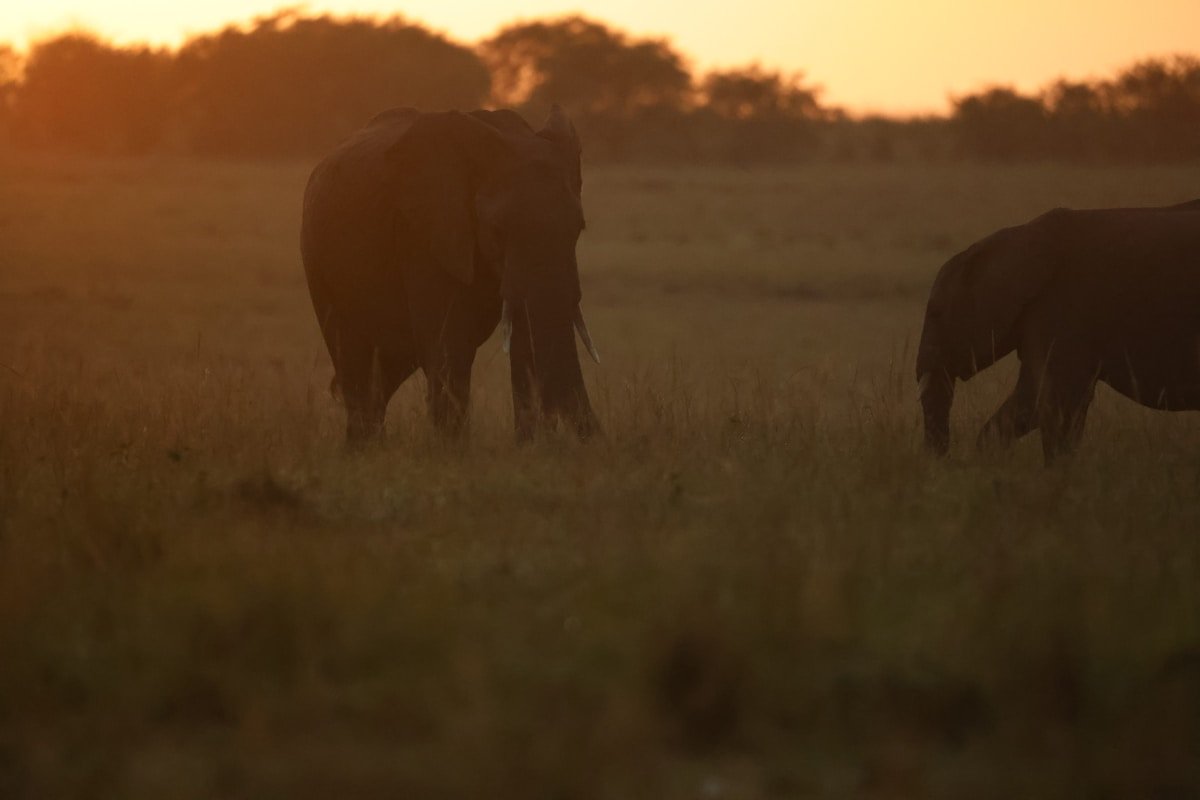
Zimbabwe isn’t the obvious honeymoon choice - which is precisely what makes it a good one. The country receives a fraction of the visitors that Kenya, Tanzania, or South Africa attract. A luxury camp in Hwange will be genuinely quiet. A sunset cruise on the Zambezi may be just you and the fish eagles. The Eastern Highlands, where mist-covered mountains drop into forested valleys, feel like Africa’s kept secret.
This 10-day itinerary opens at Victoria Falls for the drama, moves to Hwange for the wildlife, and closes in the Eastern Highlands for the romance of mountain mist and colonial-era tea estates. Every accommodation recommendation here is chosen for privacy, quality, and the kind of setting that actually feels like a honeymoon.
Quick Overview
| Day | Location | Focus |
|---|---|---|
| 1 | Arrive Victoria Falls | Check in, private sunset cruise |
| 2 | Victoria Falls | Falls walk, private gorge tour or Devil’s Pool |
| 3 | Victoria Falls | Optional adventure, departure afternoon |
| 4 | Hwange | Arrive, afternoon game drive |
| 5 | Hwange | Full-day private safari |
| 6 | Hwange | Morning drive, afternoon bush walk |
| 7 | Drive/transfer to Eastern Highlands | Scenic road through Bulawayo |
| 8 | Eastern Highlands | Leopard Rock or Nyanga, misty walks |
| 9 | Eastern Highlands | Treetops, waterfall walks, sundowner views |
| 10 | Depart Mutare → Harare → Home |
Accommodation Recommendations
We’ve arranged this in three tiers so you can calibrate to your budget.
Victoria Falls
Luxury: The Victoria Falls Hotel (from USD 350/night for a double). Built in 1904, this is the grande dame of Victoria Falls - wide verandas, colonial architecture, a garden that backs directly onto the national park. Spray from the falls drifts over the property in the wet season. The Stanley’s Terrace veranda at sunset is as romantic as Zimbabwe gets. The hotel runs private sundowner cruises exclusively for guests and can arrange all activities through the concierge.
Mid-range: Ilala Lodge (from USD 200/night). Walking distance to the falls entrance, with a rooftop pool, warm service, and genuinely comfortable rooms. The pool terrace has views across the trees to the spray cloud of the falls.
Hwange
Luxury - top tier: Linkwasha Camp (Wilderness Safaris, from approximately USD 700/person/night all-inclusive). Six tents in a private concession within the national park. No day visitors, no pooled vehicles - your private guide, your private Land Cruiser, your private meals in the boma. The camp overlooks a large waterhole that attracts elephants continuously through the dry season. See our full luxury safari lodges Zimbabwe guide for a comparison of Linkwasha, Little Makalolo, Davison’s, and Somalisa with per-property pricing.
Mid-range: Ivory Lodge (from USD 250/night). A private lodge near Main Camp with six suites, a pool, and guided activities available through the lodge. Not all-inclusive in the same way as luxury camps, but substantially less expensive and genuinely comfortable.
Eastern Highlands
Luxury: Leopard Rock Hotel (from approximately USD 200/night for a double), set in the Vumba Mountains above Mutare. A 1940s stone hotel converted from a colonial country club - golf course, croquet lawn, mountain walks, and a forest canopy restaurant. The setting is improbable and beautiful: mist in the mornings, views over Mozambique in clear weather, botanical gardens on the hotel grounds.
Day 1: Arrive Victoria Falls
Most honeymooners connect through Johannesburg - the Victoria Falls Airport (VFA) has direct OR Tambo connections on most days of the week (South African Airways, Airlink, Cemair). The flight takes approximately 1h30.
A taxi from the airport to the hotel takes 5 minutes (approximately USD 10) - or arrange a hotel transfer in advance (most hotels offer complimentary transfers; confirm when booking).
If you’ve arrived at The Victoria Falls Hotel, allow yourself the arrival ritual: a gin and tonic on the Stanley’s Terrace while the spray from the falls drifts over the garden. You’ve earned it.
Evening: Book the hotel’s private sunset cruise or arrange one through Bushtracks (dedicated two-person vessels available, from approximately USD 120/couple) for a truly private Zambezi experience. The mainstream group cruises are also good value (from USD 40/person including drinks) if you’d rather socialise your first evening. Browse Zambezi River cruise options for additional sunset and wildlife boat experiences.
Dinner: The Jungle Junction Restaurant at The Victoria Falls Hotel (mains approximately USD 20–30) is the elegant option. The Elephant’s Walk shopping complex near the park entrance has several more casual restaurants if you want something lighter on night one.
Day 2: Victoria Falls
The falls and the gorge are the reason you’re here. The main viewing path (entry USD 30/person) runs along the gorge rim for approximately 1.5km with 14 viewpoints. Depending on the time of year, you may be drenched in spray (wet season: February–May, bring ponchos) or looking at a partially reduced waterfall over dry-season basalt (June–November, still spectacular from the gorge perspective).
Private guided falls tour: Most operators offer private guided tours of the national park path for approximately USD 50–80 per couple extra. A guide adds context - the Tonga oral histories of the falls, the geology of the basalt gorge, the bird identification along the path. For a wider choice of guided experiences, browse Victoria Falls activity tours.
The Rainforest Walk: The national park rainforest along the gorge rim (the vegetation sustained year-round by falls spray) is a microhabitat unlike anything else in Zimbabwe. Ficus trees, lush ferns, and a constant soundtrack of spray.
Devil’s Pool (September–December only, Zambia side): The natural infinity pool at the top of the falls on Livingstone Island is one of Africa’s most extraordinary experiences. Tongabezi Lodge (Zambia) runs exclusive Livingstone Island tours (from approximately USD 90/person) that include swimming at the edge. This is a Zambia-side activity requiring a day visa for Zimbabwe passport holders (free at the bridge) or a Zambia visa if you don’t already have one.
Afternoon: Return to the hotel pool. Genuine honeymooners should not feel guilty about doing nothing for several hours.
Dinner: Boma - Dinner and Drum Show at the A’Zambezi River Lodge (approximately USD 50–60/person including the cultural performance) is the most immersive dinner option in Victoria Falls - traditional foods, fire-roasted meats, marimba music, and a drum ceremony. Or, for something private, order in-room dining at The Victoria Falls Hotel with the veranda to yourselves.
Day 3: Victoria Falls - Final Morning
If you’ve booked the bungee jump or gorge swing, do it this morning before the transfer. Shearwater Adventures operates both from the bridge (bungee USD 160, gorge swing USD 115 - the swing is less extreme but still dramatic). Book the earliest available slot so it’s done before the midday heat.
Alternative morning: Elephant Interaction at Wild Horizons Elephant Sanctuary (from approximately USD 120/person) - a small-group interaction with rescued elephants including a guided walk and feeding time. Not appropriate if you prefer hands-off wildlife experiences, but a genuinely memorable morning for those who want it.
Transfer to Hwange in the early afternoon (road transfer: approximately 2.5 hours, USD 150–200 for a private vehicle, bookable through Wild Horizons or Safari Par Excellence).
Arrive Hwange: The ideal arrival is in time for a game drive before dark. Check in, leave bags, and get straight into the vehicle.
Days 4–6: Hwange National Park
Three nights in Hwange allows you to properly fall into the rhythm of safari life. At a luxury all-inclusive camp, your days have an attractive structure: early morning drive, full breakfast, midday rest, tea and cake before the afternoon drive, return to camp for a sundowner on the deck, dinner under the stars.
What you’ll see: Hwange’s wildlife density is exceptional. The dry-season waterholes are the mechanism - every animal in this semi-arid environment must drink, and the park’s pump-maintained pans concentrate them predictably. Elephant are seen multiple times per drive (the population of 40,000+ means near-constant presence in the waterhole zones). Lion are frequently observed, particularly early morning when prides move through camp areas. Wild dog (painted dog) are Hwange’s speciality - the Painted Dog Conservation study packs are well-habituated and frequently encountered in the Ngweshla area.
Day 5 - full-day safari: Many premium camps offer full-day drives with a bush lunch served in the field. This is one of the great safari experiences - a picnic table set under a leadwood tree while elephants drink 50 metres away. Request this specifically when booking if it appeals.
Day 6 - bush walk: A guided walking safari (2–3 hours on foot with an armed professional guide, depart 06:30) is a fundamentally different experience from vehicle-based game drives. The scale changes completely; you become an animal in the landscape rather than an observer. Most premium Hwange camps include this activity; some charge a supplement. Not offered to all guests automatically - request it at check-in.
Afternoon of Day 6: Pack and prepare for the transfer. Have sundowners at the waterhole, then an early night.
Day 7: Hwange to Eastern Highlands
Long transfer day: The drive from Hwange to the Eastern Highlands via Bulawayo covers approximately 560km and takes 6–7 hours on tar roads. This is a full day in the car. The alternatives - a domestic flight to Harare followed by a drive east (approximately 4 hours from Harare to Mutare) - save 2 hours but require a Harare connection.
Recommended route: Hwange → Bulawayo (3 hours) → stop for lunch in Bulawayo at The Cattleman Steakhouse on Robert Mugabe Way (mains USD 12–20) → continue east on the A5 via Gweru to Masvingo → A4 north towards Harare then divert east on the A3 to Mutare. This final approach through the Bvumba (Vumba) highlands as you climb from Mutare towards Leopard Rock is spectacular - mist, tea estates, jacaranda-lined roads, and views dropping into Mozambique.
Arrive: Early evening. Check in and decompress after the road.
Days 8–9: Eastern Highlands
The Vumba Mountains above Mutare are a genuinely different Zimbabwe - cool, forested, misty, and green year-round. The Vumba Botanical Garden (open daily, entry approximately USD 5) is free-entry and has exceptional views east into Mozambique on clear mornings.
Day 8 - Vumba walks: The Leopard Rock Hotel’s grounds include forest walks of 2–5km that can be self-guided. Ask for the trail map at reception. The hotel’s aviary garden is an unexpected delight - over 100 Zimbabwean bird species in a walk-through enclosure. Early morning walks on the forest trails can produce samango monkey, blue duiker, and a remarkable variety of forest birds.
Afternoon: Drive to Bunga Forest Botanical Reserve (10km from the hotel, entry approximately USD 5) - a mist-forest fragment with tree ferns, giant African Olive trees, and the kind of ancient feel that you get in very few places in southern Africa.
Day 9 - Nyanga direction or Chimanimani day trip: If you want to extend into the Chimanimani Mountains (Zimbabwe’s most dramatic trekking destination, 4 hours south), this is possible as a long day trip with an early start. More practically, drive north through the Vumba to Nyanga National Park (2 hours from Leopard Rock) for the morning - Mount Nyangani (Zimbabwe’s highest point at 2,592m) on a clear day, the Nyangombe Falls, and the ancient pit structures (Zimbabwe walled terraces) at Ziwa. Return to Leopard Rock for a late lunch and a final afternoon at the hotel.
Dinner both nights: The Leopard Rock Restaurant (set menu approximately USD 35–45/person, three courses, fine-dining standard) is worth it on at least one evening. The wine list is Zimbabwe’s strongest outside Harare’s best restaurants.
Last night: Order the hotel’s signature sundowner experience on the terrace overlooking Mozambique for your final Zimbabwe sunset.
Day 10: Depart
Drive to Mutare: 25 minutes from Leopard Rock.
Mutare → Harare: 263km on the A3, approximately 3 hours. Harare’s Robert Gabriel Mugabe International Airport has the best international connections - flights to Johannesburg (multiple daily), Nairobi, Addis Ababa, and London (via Johannesburg). If time permits before a late flight, the National Gallery and Chapungu Sculpture Park in Harare are excellent final stops.
Why Zimbabwe for a Honeymoon
Privacy: The country’s relatively low visitor numbers mean you won’t queue for viewpoints or share game drives with three other vehicles.
Value relative to neighbours: A Hwange luxury camp at USD 550–700/person/night is comparable in quality to Botswana’s Okavango Delta camps, which run USD 900–1,500. The wildlife is comparable; the price is significantly lower.
Diversity: Two weeks lets you experience three completely different Zimbabwes - the dramatic waterfall country, the dry-season savannah, and the misty highland forests. The Eastern Highlands in particular are remarkable: they feel nothing like the rest of Africa.
The people: Zimbabwe’s tourism industry has a warm, personal quality. Guides tend to be knowledgeable and genuinely engaged. You’ll have conversations, not just commentary.
Practical Notes
- Visa: KAZA Univisa (USD 50) covers both Zimbabwe and Zambia - useful if you want to cross to the Zambia side at Victoria Falls
- Health: Yellow fever certificate required if arriving from endemic countries; malaria prophylaxis recommended for Hwange and Kariba; the Eastern Highlands above 1,500m is malaria-low-risk
- Currency: USD throughout; carry cash as many lodges prefer or require it
- Connectivity: Most luxury lodges have Wi-Fi in common areas; expect limited in-room connectivity in Hwange - which most honeymooners consider an advantage
- Best months: June–September for wildlife, though April–May (shoulder season) and October offer excellent wildlife with fewer visitors; November–March is rainy and not recommended for this circuit
- Travel insurance: Strongly recommended - arrange comprehensive cover via EKTA before departure
Book Your Trip
- Flights - Find the best fares to Zimbabwe · flights guide
- Travel Insurance - Get covered before you go · insurance guide
- eSIM - Stay connected from landing · eSIM guide
- Airport Transfers - Pre-book your transfer from Harare or Victoria Falls
- Car Rental - Compare prices across providers · car hire guide
- Tours & Activities - Browse Zimbabwe tours on GetYourGuide