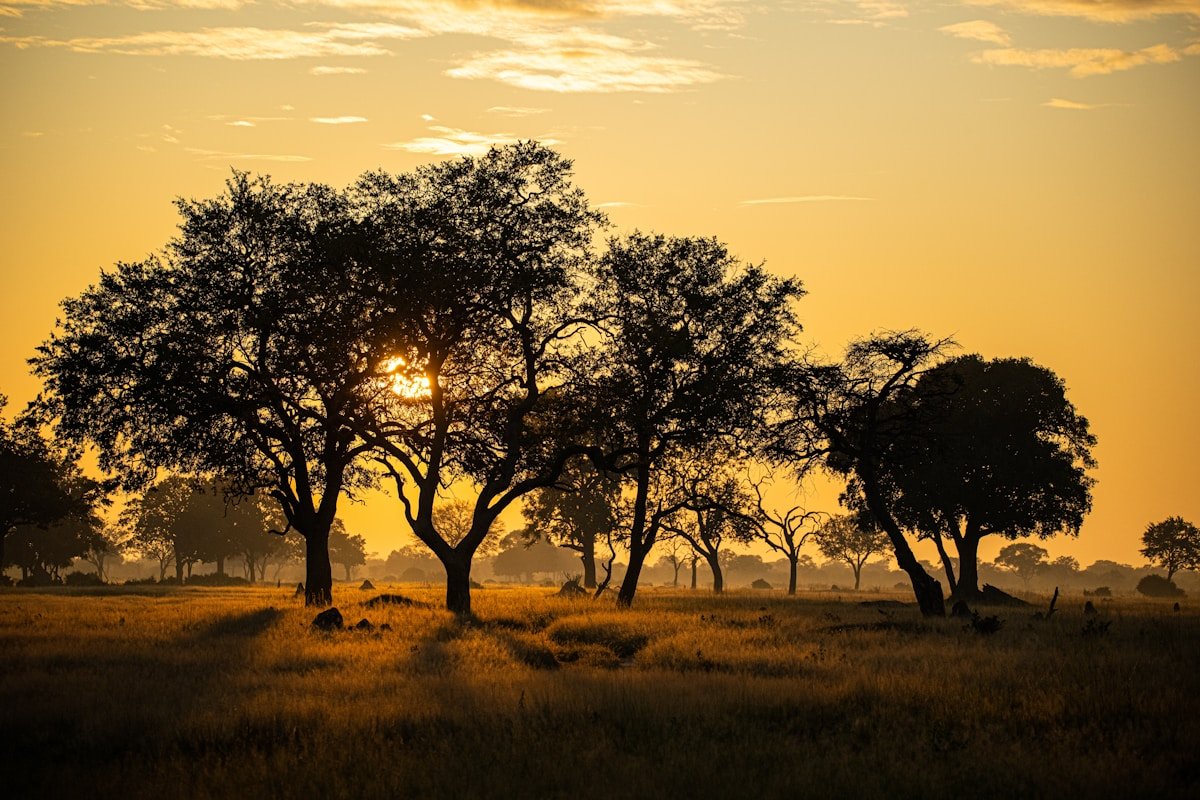
Seven days is enough time to experience three of Zimbabwe’s defining landscapes - the thunder of Victoria Falls, the open plains of Hwange National Park, and the strange granite world of Matobo Hills. This itinerary is efficient without being rushed. You spend two nights in each main destination, giving you time for a full day of activities rather than arriving and leaving the same day.
All distances work in your favour: the drives between these three destinations are manageable, and no single transfer exceeds four hours on good tar roads. This is a self-drive-friendly itinerary for those with their own vehicle, but it works equally well as a guided circuit with a private operator.
Quick Overview
| Day | Location | Primary Activity |
|---|---|---|
| 1 | Arrive Victoria Falls | Falls walk + sunset cruise |
| 2 | Victoria Falls | White-water rafting or gorge activities |
| 3 | Drive to Hwange | Afternoon game drive |
| 4 | Hwange | Full-day safari (morning + afternoon drives) |
| 5 | Drive to Matobo | Rhino tracking on foot |
| 6 | Matobo Hills | Rhodes’ grave, rock art and walking |
| 7 | Depart from Bulawayo |
Budget Tiers at a Glance
Budget (USD 80–100/person/day): Victoria Falls Rest Camp (from USD 30/person/night in a chalet), Hwange Main Camp self-catering (from USD 25/person/night), Bulawayo Rainbow Hotel (from USD 60/night). Meals at local restaurants USD 5–15.
Mid-range (USD 200–300/person/day): Cresta Sprayview Hotel Victoria Falls (from USD 110/night), a private-lodge stay in Hwange (from USD 150/night), Bulawayo Rainbow Hotel (from USD 60/night).
Luxury (USD 600+/person/day): Ilala Lodge Victoria Falls (from USD 200/night), luxury all-inclusive camps in Hwange from approximately USD 550/person/night, Matobo Hills Lodge (from USD 200/night).
Day 1: Arrive Victoria Falls
Most international connections arrive in Victoria Falls via Johannesburg (OR Tambo) or Harare. The airstrip is three kilometres from town - a taxi costs approximately USD 10 and takes five minutes.
After checking in, walk to the Victoria Falls National Park entrance (open daily, entry USD 30 per person as of 2026). The main viewing path takes around 90 minutes at a relaxed pace and covers 14 viewing points along the Zambezi gorge rim. Bring a poncho in the high-water months (February–May) when spray drenches the path; in the dry season (June–November) you’ll stay drier but see less water.
In the evening, a sunset cruise on the Upper Zambezi is almost mandatory for a first night arrival. Operators include Wild Horizons (from approximately USD 45/person) and Shearwater (from USD 40/person). Both depart from the Elephant Hills resort dock and include drinks and light snacks. Elephants often drink at the river’s edge at dusk.
Dinner: The Lookout Café above the gorge swing has views over the gorge and a solid menu (mains approximately USD 12–18). For something more local, try Boma - Dinner and Drum Show at the Victoria Falls Hotel (USD 50–60 per person including the cultural performance).
Day 2: Victoria Falls Activities
Day two is for choosing your adrenaline level. The gorge activities concentrate along a one-kilometre stretch of Soper’s Lane in the town centre.
White-water rafting (full day, USD 165–220): The Zambezi Gorge rafting season runs June to December. SafPar and Shearwater Adventures both run full-day trips covering Rapid 1 through to Rapid 23, with a cable car exit on the Zambian side. Full day takes about eight hours including transfers. See our dedicated rafting guide for full detail.
Bungee jumping (USD 160): The Victoria Falls Bridge drops bungee jumpers 111 metres into the gorge on the border between Zimbabwe and Zambia. Shearwater Adventures operates the jump. Allow two hours including the walk to the bridge and queuing.
Gorge swing (USD 115): Less extreme than the bungee but delivers a dramatic free-fall before the pendulum swing. Same bridge location, operated alongside the bungee.
If you’d prefer a morning walk, the Victoria Falls Historical Village near the main gate is free to enter and covers the history of the Tonga and Leya peoples whose ancestral lands border the falls.
Lunch: Pumulani Restaurant in town (mains USD 10–16). Dinner: In The Wild Restaurant at Ilala Lodge has a good wine list and views - mains USD 18–28 and worth the splurge even if you’re not staying there.
Day 3: Victoria Falls to Hwange National Park
Drive time: approximately 2.5–3 hours (165km on the A8 tar road via Hwange town).
Depart Victoria Falls after breakfast. The road passes through Hwange town - stop at the Hwange colliery area if you want to see open-cut coal mining operations from the roadside, then continue to the Main Camp entrance gate (78km from Hwange town).
Hwange National Park is Zimbabwe’s largest - covering approximately 14,650 square kilometres - and contains the country’s finest concentration of elephants. The population is estimated at 40,000–45,000 animals. Lion, wild dog, cheetah, leopard, buffalo, giraffe, zebra, and over 400 bird species are all recorded.
Check in, unload, and take an afternoon game drive in time for the 16:00–18:00 golden-hour window. Self-drivers follow marked loops from Main Camp (Nyamandhlovu Pan loop and the Ngweshla area are the most productive for elephant). Guided game drives from Main Camp cost approximately USD 50–80 per person.
Accommodation - Main Camp options:
- ZPWMA lodges and chalets: USD 25–50/person (book via Zimbabwe Parks and Wildlife Management Authority website, or pay at the gate if available)
- Ivory Lodge (near Main Camp): from USD 250/person/night
- Luxury all-inclusive camps in Hwange from approximately USD 550/person/night
Dinner: Self-catering at Main Camp (the camp kitchen has braai facilities), or order from the Main Camp restaurant (set menu approximately USD 15).
Day 4: Full Day in Hwange
A full day in Hwange rewards those who spend it watching waterholes rather than covering kilometres. The Nyamandhlovu observation platform above a large pan 12km from Main Camp is a classic spot - arrive at 06:00 and you may have it to yourself for the first hour before other visitors arrive. Elephants, buffalo herds, and lion are regularly observed here.
Morning game drive: depart by 06:30, return by 10:00–11:00. Allow an hour at camp for breakfast and rest during the midday heat.
Afternoon drive: depart by 15:30. The last hour before dark is often the most productive for carnivore activity - lion tend to rouse themselves and begin moving around 17:00.
Hwange Wild Dog Note: Hwange is one of the best places in southern Africa to see African wild dog (painted dog). The Painted Dog Conservation centre near Hwange town (on the road from Vic Falls) offers guided wild dog tracking and a rehabilitation facility - call ahead to arrange a visit if you’re interested (approximately USD 20 entry, with guided walks available).
Dinner: Bush braai at camp or the camp restaurant. If staying at a premium lodge, dinner is included.
Day 5: Hwange to Matobo Hills
Drive time: approximately 3.5 hours (230km via Bulawayo, A9 then A6 south).
Leave Hwange after an early breakfast. The road to Bulawayo is well-maintained tar. Drop bags at your Bulawayo accommodation and continue to Matobo National Park, 35km south of Bulawayo on good road.
Matobo’s defining activity is rhino tracking on foot. Zimbabwe Rhino Conservation (in the community conservancy adjacent to the national park) offers guided tracking walks in the early afternoon. The conservancy holds both white and black rhino. Walks depart around 13:30–14:00 and last 2–3 hours; expect to cover 5–10km on open granite terrain. Cost approximately USD 65–80 per person (confirm current rates directly with Zimbabwe Rhino Conservation, bookable via their office or through Bulawayo-based tour operators).
After the rhino walk, spend an hour driving the Matobo Hills viewpoints before dark - the rock formations (known locally as “bald heads” or matoroshanga) are particularly striking in late afternoon light.
Accommodation:
- Budget: Bulawayo Rainbow Hotel or Bulawayo Club (from USD 60/night), drive out to Matobo each day
- Mid-range: Big Cave Camp, Matobo Hills (from approximately USD 150/night, inside the conservancy)
- Luxury: Camp Amalinda (from approximately USD 300/person/night all-inclusive, cantilevered into the granite kopjes)
Day 6: Matobo Hills
A full day in the Matobo Hills is not one day too many. The park covers 424 square kilometres of ancient granite domes, caves, and balancing boulders - and contains one of the highest concentrations of rock art in Africa, with over 3,000 San painting sites recorded.
Cecil Rhodes’ grave at World’s View (Malindidzimu Hill): Rhodes chose this summit as his burial site, with views stretching to the Matopo Range in all directions. Entry to the national park: USD 15 per person as of 2026. The drive from the park gate to World’s View is well-signposted.
White Rhino Shelter rock art: One of the most accessible painting sites in the park, with clear San depictions of rhino, elephant, and human figures. Ask at the park gate for directions.
Nswatugi Cave: A larger painting site with unusual detail, approximately 20km from the park gate on a passable gravel road.
In the afternoon, a game drive through the national park section can turn up rhino (the park has a self-drive rhino area), plus leopard, giraffe, jackal, and the park’s notable eagle population - Matobo is believed to have one of the world’s highest densities of black eagles (Verreaux’s eagles).
Dinner: Return to Bulawayo for dinner at The Cattleman Steakhouse on Robert Mugabe Way (mains USD 12–20), or self-cater at your lodge.
Day 7: Depart from Bulawayo
Bulawayo Airport has domestic connections to Harare (multiple daily, approximately USD 100–150 one way with Fastjet or Zimbabwe Airways) and can connect onward. International travellers typically route through Johannesburg.
If your flight departs afternoon or evening, Bulawayo’s compact city centre has several worthwhile morning stops: the Natural History Museum on Leopold Takawira Avenue (entry approximately USD 5, excellent geology and wildlife collections), and the Bulawayo Railway Museum near the station.
Getting Around
Self-drive: A standard 2WD saloon car handles the Victoria Falls–Hwange–Bulawayo circuit without difficulty in the dry season. Car rental from Victoria Falls: approximately USD 50–90/day from Europcar or Avis at the airport - or compare rates via GetRentACar before you travel.
Transfers: If you’re not self-driving, Zimta Tours and Shearwater Safaris both offer road transfers between the three destinations on request. Budget approximately USD 150–200 per vehicle for each transfer leg.
Domestic flights: Zimbabwe Airways and Fastjet link Victoria Falls–Harare–Bulawayo, though flight schedules change frequently. Check directly with airlines for current pricing and timetables.
Practical Notes
- Carry USD cash - most lodges, activities, and parks in Zimbabwe are cash-only or prefer cash
- ATMs in Victoria Falls and Bulawayo accept Visa; Hwange and Matobo have no ATMs
- USD 30 Victoria Falls entry, USD 30 Hwange entry, USD 15 Matobo entry - budget for park fees separately
- A valid yellow fever certificate is required if arriving from a yellow fever endemic country
- Travel insurance is strongly recommended - the nearest quality hospital from Hwange is in Bulawayo. Arrange cover via EKTA before departure
- Browse Zimbabwe tours on GetYourGuide if you’d prefer a guided circuit rather than self-driving
Book Your Trip
- Flights - Find the best fares to Zimbabwe · flights guide
- Travel Insurance - Get covered before you go · insurance guide
- eSIM - Stay connected from landing · eSIM guide
- Airport Transfers - Pre-book your transfer from Harare or Victoria Falls
- Car Rental - Compare prices across providers · car hire guide
- Tours & Activities - Browse Zimbabwe tours on GetYourGuide