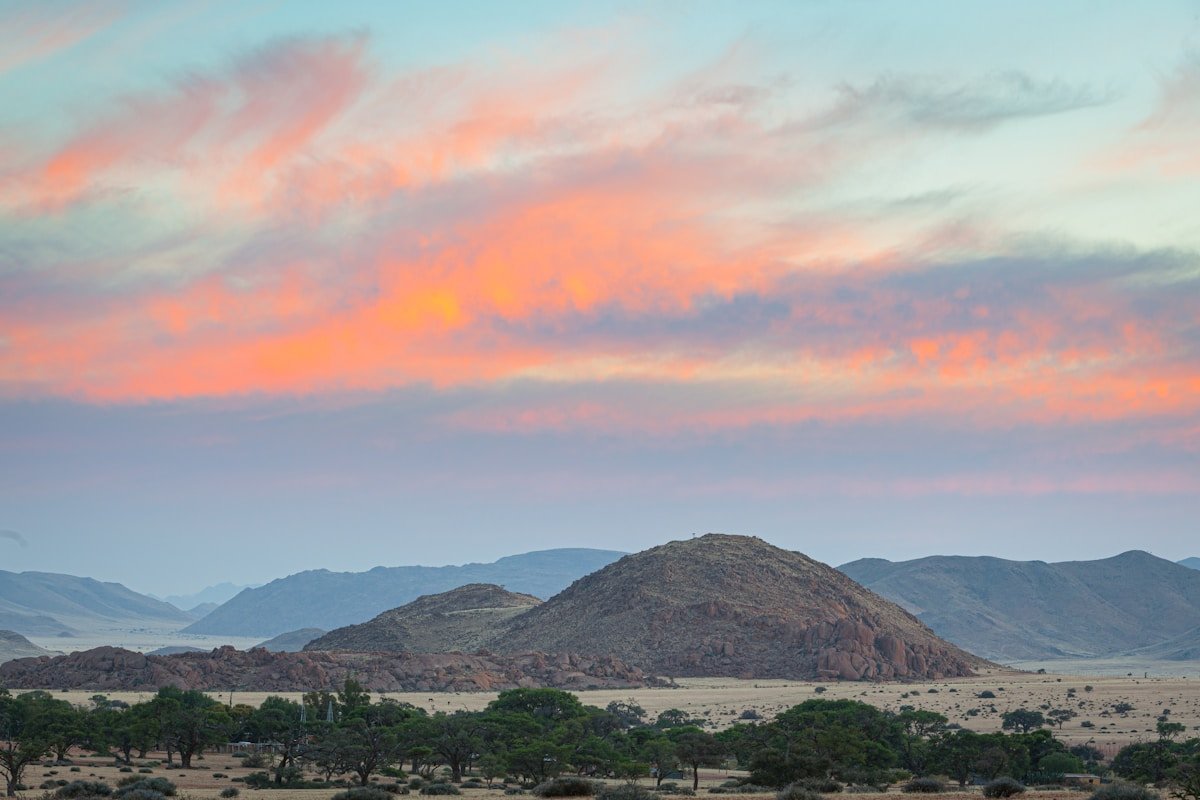
The Eastern Highlands of Zimbabwe run for 300 kilometres along the Mozambique border, rising from 500 metres on the plateau to over 2,500 metres at Zimbabwe’s highest peak. This narrow strip of elevated land intercepts moisture from the Indian Ocean, creating a climate quite unlike the rest of the country: misty, green, cooler, and lush in a way that surprises visitors who have spent time in the bush or the lowveld. There are forests of Afromontane cedar, waterfalls that drop hundreds of metres into deep valleys, and walking trails through landscapes that look more like the Scottish Highlands than equatorial Africa.
The Three Nodes
The Eastern Highlands are usually approached through three distinct geographical clusters, each with its own character and access point.
Nyanga - The High North
The northernmost section of the highlands centres on Nyanga National Park and the small town of Nyanga, approximately 265km from Harare. This is Zimbabwe’s highest country: Mount Nyangani reaches 2,592 metres, and the surrounding plateau sits above 2,000 metres in places. The landscape is open montane grassland with granite outcrops, trout streams and patches of Afromontane forest in the sheltered valleys.
Walking highlights:
- Mount Nyangani summit hike (3–5 hours return, see dedicated article)
- Pungwe Gorge walk - the Pungwe River cuts a dramatic gorge accessible via a short walk from the park road
- Mtarazi Falls viewpoint - Zimbabwe’s highest waterfall (762m drop) is reached by a short walk from the park road, best seen in the rainy season when flow is highest
- World’s View hike - a series of short trails around the World’s View escarpment with panoramic views east toward Mozambique
- Rhodes Dam Circuit - a gentle 5–7km walk around the reservoir with good birdwatching
Accommodation: Troutbeck Resort (approximately USD 150–200 per room per night) and Rhodes Nyanga Hotel (approximately USD 120–180 per room) are the established bases. Both have colonial-era character and good dining. Several self-catering cottages are available for longer stays.
Bvumba - The Forest Heart
The Bvumba Mountains (sometimes written Vumba) rise directly above Mutare, the Eastern Highlands’ largest city, creating a green ridge that can be driven from the city centre to the botanical garden in 20 minutes. The Bvumba is the most easily accessed part of the highlands and the most heavily forested - a mosaic of communal farmland, commercial tea and coffee estates, private gardens, and patches of native Afromontane forest.
The Bvumba Botanical Garden is a 200-hectare reserve of maintained gardens and indigenous forest with a network of walking trails. Entry costs approximately USD 5 per person as of 2026. The garden is particularly good for sunbirds, the forest interior offers a chance of seeing the shy Samango monkey, and the viewpoints offer long views east into Mozambique on clear days.
Leopard Rock Hotel is the Bvumba’s landmark property - a former governor’s residence converted to a hotel, perched above a small lake with an exceptional hillside setting. Room rates approximately USD 200–350 per night. The hotel maintains several private walking trails on its grounds and the surrounding Leopard Rock Nature Reserve. A round of golf on the hotel’s cliff-edge course, followed by a forest walk, is a classic Bvumba day.
Other walking options in the Bvumba include the Burma Valley - a lower, warmer area south of the main ridge with mango and citrus orchards and a distinct character from the highland forest above. The Manchester Estate circuit (approx 6km, 2 hours) and the Cloudlands area walks offer good independent hiking.
Getting here: Bvumba is 22km from Mutare city centre on a well-maintained tar road. Mutare itself is 265km from Harare (3 hours) or 8km from the Forbes Border Post with Mozambique.
Chimanimani - The Wild South
The southernmost section of the highlands, centred on Chimanimani National Park, is the most remote and the most dramatic. Quartzite peaks rise to 2,436m on the Mozambique border, and the Bundi Valley - the park’s interior - is accessible only on foot. There are no game drives here. This is raw, unmaintained highland wilderness with cave shelters, mountain streams and vertigo-inducing ridgeline views.
For a detailed Chimanimani trekking guide, see the dedicated article. As an overview: allow 2–3 days minimum for a proper Chimanimani experience; plan your drive carefully (8–9 hours from Harare); take camping gear and self-sufficiency; and prepare for cold nights regardless of season.
A Self-Drive Eastern Highlands Circuit
A five to seven day circuit combining all three areas works well as a standalone Zimbabwe trip or as a detour from a broader southern Africa itinerary.
Suggested routing:
- Day 1: Harare → Nyanga (3 hours). Afternoon walk, overnight Troutbeck or Rhodes Nyanga Hotel.
- Day 2: Nyangani summit hike (morning). Afternoon at Mtarazi Falls viewpoint.
- Day 3: Nyanga → Bvumba via Mutare (3 hours). Afternoon botanical garden walk.
- Day 4: Bvumba walks - Leopard Rock area or Burma Valley. Overnight Bvumba.
- Day 5: Bvumba → Chimanimani (3–4 hours). Afternoon acclimatisation walk.
- Day 6–7: Chimanimani National Park trekking.
- Return: Chimanimani → Harare via Mutare or Masvingo (either route 7–9 hours).
Birding the Eastern Highlands
The Eastern Highlands are among Zimbabwe’s most important birding destinations. The combination of Afromontane forest, montane grassland and lowland transitional zones creates extraordinary diversity. Key species include:
- Swynnerton’s Robin - endemic to the Eastern Highlands, found in dense undergrowth in the forest interior
- Roberts’ Warbler - Zimbabwe special, most reliably found in the Bvumba
- Blue-spotted Dove - Chimanimani specialty
- Bronze-naped Pigeon - forest canopy
- Green Twinspot - forest edges in the lower Bvumba
- Stripe-cheeked Greenbul - Afromontane forest specialist
The Bvumba Botanical Garden and the forest around Leopard Rock produce the most reliable sightings for visiting birders unfamiliar with the terrain. The Chirinda Forest Reserve near Chipinge, south of Chimanimani, holds additional forest species including the Chirinda apalis.
Practical Information
Transport: A self-drive vehicle is the most practical option. Public transport connects Harare to Mutare well, and local transport reaches Nyanga, but Chimanimani’s public transport is infrequent and unreliable. Car hire from Harare (approximately USD 60–100 per day for a basic vehicle) gives full flexibility. If you prefer an organised trip, Eastern Highlands tours on GetYourGuide lists guided Eastern Highlands excursions that handle transport and logistics.
Accommodation range: The highlands have options from budget guesthouses in Chimanimani village (around USD 25–40 per person per night) to the Leopard Rock Hotel (USD 200–350). Mid-range self-catering cottages are plentiful throughout the region, particularly around Nyanga and Bvumba.
What to bring: Layered clothing is essential year-round - even in the dry season, evenings and mornings are cool. A waterproof shell covers you for afternoon showers. Good walking boots for anything beyond the paved botanical garden paths. We also recommend arranging travel insurance for Zimbabwe before your trip - mountain terrain and remote locations make medical evacuation cover worthwhile.
For accommodation in Mutare, the Eastern Highlands gateway, search hotels in Mutare on Booking.com to find a comfortable base for exploring the region.