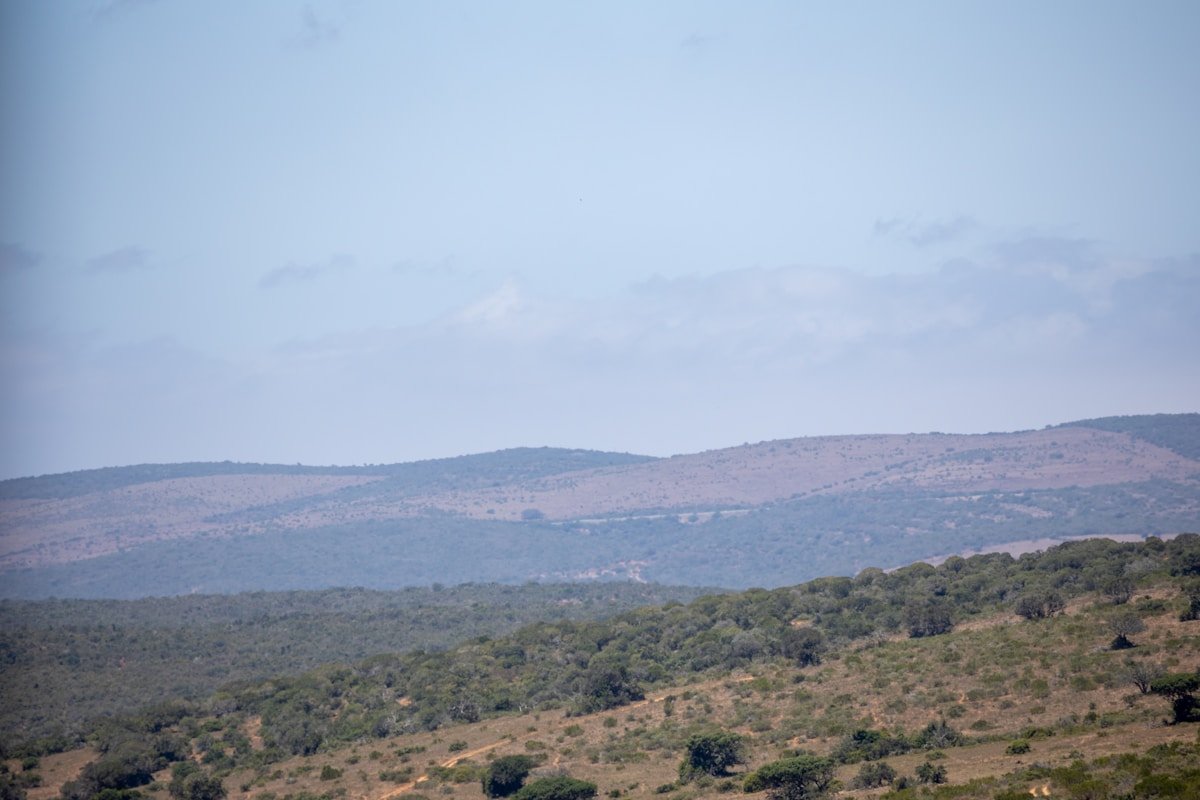
The Matobo Hills are not what most people imagine when they think of Zimbabwe. There are no flat plains here, no elephants, no long grass. Instead, the landscape is a tumbled labyrinth of giant granite boulders, domed kopjes rising to 70 metres, and valleys of bush between the rock formations that seem designed to confuse and disorient - which they have done, for good and ill, throughout human history. The hills harbour some of southern Africa’s highest densities of white rhino, some of its finest San rock art, and two of Zimbabwe’s most significant graves.
Walking in the Matobo is a different experience to game-drive safaris. It is slower, quieter and more intimate. You’re tracking on foot, reading spoor, using the boulders as cover, and covering ground at a pace that allows genuine engagement with the landscape.
The Park and Its History
Matobo National Park (also written Matopos) covers approximately 44,000 hectares of the Matobo Hills, protecting the most dramatic section of a 3,100 square kilometre range of hills that extends south of Bulawayo. The hills are composed of the Matobo granite - some of the world’s oldest exposed rock, dating to over 3,500 million years ago - which weathers into a landscape of rounded boulders, narrow gorges and dramatic balancing acts of stone.
The hills were sacred to the Ndebele people as the home of the ancestor spirits (Mwali), and the cave-dwelling San (Bushmen) painted on these walls for thousands of years before. Cecil Rhodes chose to be buried here, calling his chosen summit “View of the World” (also known as World’s View), and the hills were declared a national park in 1954. Today the park is a UNESCO World Heritage Site.
Rhino Tracking on Foot
Matobo holds one of Africa’s highest densities of white rhinoceros - an extraordinary conservation story given that rhino poaching has devastated populations across the continent. The Matobo rhino population has been sustained through a combination of intensive antipoaching measures and community involvement through CAMPFIRE programmes, and the result is that visitors can track white rhino on foot with a real expectation of success.
Guided rhino tracking begins in the early morning - usually departing lodges or the park gate between 06:00 and 07:00. Your guide tracks by spoor: rhino leave distinctive pad marks in sandy soil and characteristic middens (dung piles) that tell an experienced tracker direction of travel and approximate time of passage. A typical tracking session covers 3–8 kilometres of walking over 2–4 hours before the rhino are located.
The encounter: White rhino are grazers and generally placid compared to black rhino. When you find them - which you usually do - the approach is slow and downwind, using boulders and vegetation as cover. You’ll typically get within 30–80 metres before the rhino registers your presence. They may look up, assess, and return to grazing, or they may trot away at a measured pace. Prolonged close encounters are rare; the idea is to observe the animal in its natural context without distressing it.
Professional guides carry rifles but these are a last resort. Follow your guide’s instructions precisely on approach angles, noise and movement.
Booking: Rhino tracking is available through several operators based in or near Matobo. Amalinda Lodge (a luxury lodge within the park) includes rhino tracking as part of its programme. The Matobo Hills Lodge also runs tracking. Independent travellers can sometimes book directly through the Parks office at the main gate, particularly outside peak season.
Approximate cost: USD 80–120 per person as of 2026, in addition to park entry fees.
Day Walks - Kopjes, Rock Art and Views
World’s View
The most visited site in the park is World’s View - a broad granite dome with the graves of Cecil Rhodes, Leander Starr Jameson and the Shangani Patrol. The walk from the parking area to the summit takes about 15–20 minutes on a marked path over the granite. The views from the top are appropriately named: the rolling hills extend in all directions to a flat horizon.
The site is complex historically and emotionally - Rhodes remains a deeply controversial figure in Zimbabwe, and the act of visiting his grave carries different weight for different visitors. The panoramic rock, the grave itself and the brass Shangani Patrol memorial are all worth time.
San Rock Art Sites
The Matobo Hills contain Zimbabwe’s richest concentration of San rock paintings, with over 2,000 individual paintings recorded in more than 150 sites. The paint is iron oxide (red ochre) and charcoal, applied thousands of years ago by San artists painting what appear to be spiritual visions - eland, hunting scenes, and stylised human figures associated with shamanic trance states.
Nswatugi Cave is the most accessible major site - a short walk from the road produces a cave with over 40 figures including eland, giraffe and human hunters. Entry is included in the park fee.
Pomongwe Cave is a larger painted cave near the main park road. It is one of the most significant archaeological sites in Zimbabwe.
White Rhino Shelter is named for a particularly detailed painting of what appears to be a rhino hunting scene - small figures with bows approaching a large outlined animal.
Walking between sites, stopping to read the landscape and think about who made these paintings and why, is one of the most absorbing activities in the park.
Toghwana Dam Walk
A 5–8km circular walk from the Toghwana Dam area through typical Matobo kopje country. No facilities; carry your own water. The route passes several interesting granite formations and offers birding opportunities - look for Verreaux’s Eagle (the largest eagle in Africa, specialising in rock hyrax) which nests in the Matobo boulders and can be seen in soaring pairs almost any day.
Maleme Dam Circuit
Maleme Dam, in the western section of the park, is a small reservoir surrounded by good walking terrain. The circuit around the dam takes 3–4 hours and passes through areas where hippo and crocodile are resident in the water and sable antelope sometimes visible in the surrounding bush.
Birding in the Matobo
The Matobo Hills are exceptional for raptors. Verreaux’s Eagle is the signature species - pair-bonded adults soar over the kopjes in the morning thermals and the park holds one of the world’s highest densities of this species. Black and martial eagle, augur buzzard, peregrine falcon and several vulture species are all regularly recorded.
Smaller birds include familiar species: mocking cliff chat (very common on the granite), boulder chat, cinnamon-breasted bunting, and the Matobo form of the pale-winged starling.
Practical Information
Best time: Year-round, with April–October preferable for walking. July–August can be cold (nights down to 5–8°C near Bulawayo); summer months (November–March) bring heat and afternoon thunderstorms but the landscape is at its most lush.
From Bulawayo: Matobo is a half-day or full-day excursion from the city. Several tour operators in Bulawayo - including Untouched Africa and Bulawayo Day Trips - run guided day trips that combine World’s View, rock art sites and rhino tracking. Book directly through operators in Bulawayo or through your hotel, or search Matobo Hills tours on GetYourGuide to compare available day tours before you arrive.
What to bring: Sunscreen and a hat (the granite reflects heat considerably), water (minimum 2 litres per person), sturdy footwear for scrambling on granite (boots preferred over trainers), and binoculars for raptors and rock art detail. Before heading out, check your travel insurance for Zimbabwe covers guided wildlife activities - rhino tracking with armed rangers is typically classified as an adventure activity.
Accommodation: Matobo Hills Lodge and Amalinda Lodge are both within or adjacent to the national park. Both offer all-inclusive packages with guided activities. In Bulawayo, Nesbitt Castle (a historic fortress-hotel) and Bulawayo Rainbow Hotel are comfortable bases for day trips. For a wider search of accommodation near the Matobo Hills, search hotels in Matobo Hills on Booking.com to compare lodges and guesthouses in the area.