Bulawayo sits at the heart of Matabeleland, 440 kilometres south-west of Harare and 440 kilometres south-east of Victoria Falls. It is the natural base for Matobo Hills, the gateway to Hwange National Park, and a worthwhile destination in its own right for its colonial architecture and Ndebele cultural history. Getting there is straightforward from most of Zimbabwe’s main entry points.
By Air: Joshua Mqabuko Nkomo International Airport
Bulawayo’s airport, Joshua Mqabuko Nkomo International Airport (IATA code BUQ), sits 4 kilometres east of the city centre. A taxi from the arrivals hall to most city-centre hotels or guesthouses in Bulawayo costs approximately USD 8–12 and takes around 15 minutes; agree on the fare before departure.
Domestic flights from Harare: The Harare–Bulawayo route is one of Zimbabwe’s most-served domestic connections. Zimbabwe Airways and Fastjet Zimbabwe both operate multiple flights daily, with journey times of approximately 55 minutes. Fares range from approximately USD 60–140 one-way depending on how far in advance you book, as of 2025. Booking direct through the airlines is typically cheaper than booking through third-party platforms.
International connections: No major airline currently operates a regular scheduled route directly between Bulawayo and an international hub. Most international travellers fly into Robert Gabriel Mugabe International Airport in Harare and connect domestically, or arrive via Johannesburg and connect to Harare first. Fastjet and Airlink have periodically operated Johannesburg–Bulawayo routes; check current schedules before planning, as these have been on and off in recent years.
By Road from Harare
The A5 highway between Harare and Bulawayo is a well-maintained dual-carriageway for most of its length, making it one of the better long-distance drives in Zimbabwe. The distance is approximately 440 kilometres, and most drivers allow 4.5 to 5 hours including a fuel stop.
Key waypoints on the route:
- Kadoma (145 km from Harare): fuel, fast food, a useful early stop
- Gweru (275 km from Harare): halfway point, the third-largest city in Zimbabwe. Good for a proper lunch break; the Midlands Hotel or a number of roadside restaurants serve straightforward meals. Fuel is readily available.
- Shangani (340 km from Harare): small town with basic services
- Bulawayo city boundary at approximately 440 km
Road conditions between Harare and Bulawayo are generally good, but some sections have potholes particularly after the rainy season (November–March). Keep speeds sensible and be aware of pedestrians and livestock on the road in rural sections.
Car hire: Renting a car in Harare for a drive to Bulawayo is the most flexible option, particularly if you are planning day trips to Matobo Hills or onward travel to Hwange. Avis, Europcar, and several local operators serve Harare airport. Confirm that the hire agreement permits travel between cities and check the fuel policy before departing.
By Bus: Intercity Coaches
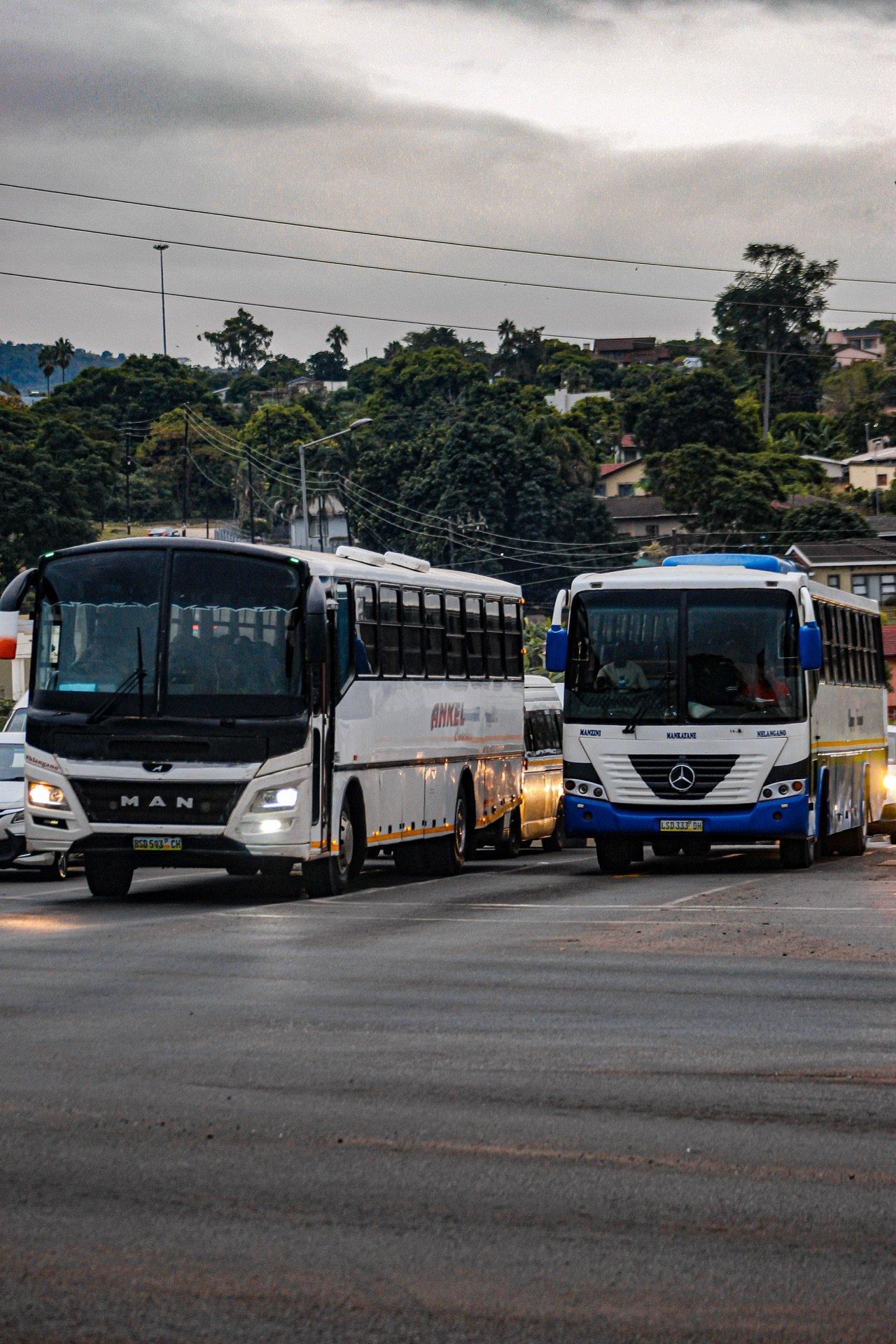
Several intercity coach operators run direct services between Harare and Bulawayo daily. This is the most popular option for budget travellers and Zimbabwean residents.
Pioneer Coaches is one of the most reliable operators on this route. Departures from Harare’s Roadport terminal (corner of Fifth Street and Angwa Street) typically run at 07:00 and 14:00. Journey time is approximately 5 hours. Fares are approximately USD 15–20 each way as of 2025. The service is air-conditioned with allocated seating; book in advance for weekend departures as seats sell out.
Intercape Mainliner operates regional routes connecting Harare and Bulawayo as part of its Johannesburg–Harare corridor, with a stop in Bulawayo. This can be useful if you are arriving overland from South Africa.
City Link / Translux: Additional operators serve the route; fares and quality are broadly similar to Pioneer Coaches. Check Bulawayo’s Lobengula Street terminal and Harare’s Roadport for up-to-date departure boards.
Bulawayo’s main bus terminal is in the city centre, within walking distance or a short taxi ride from most central guesthouses and hotels.
By Train: The Overnight NRZ Service
The National Railways of Zimbabwe (NRZ) operates an overnight train between Harare and Bulawayo that has been running in various forms since the 1890s. It is not the fastest option, but it has a certain romance to it - particularly in the sleeper carriages, which are old but reasonably comfortable.
The train typically departs Harare at around 21:00 and arrives in Bulawayo at approximately 06:00. Economy seats start from approximately USD 5–8; sleeper cabins cost approximately USD 12–18 per person as of 2025. Services run several times per week, not daily. Check schedules directly with NRZ before planning - the service has been suspended intermittently and timetables shift.
Bulawayo Railway Station is a destination in itself: an ornate colonial-era building completed in 1902 and still intact. If you are arriving by train, the station alone justifies the extra travel time. The stained-glass roof of the main waiting hall and the original brass fittings on the ticket windows have been preserved.
From Victoria Falls
Victoria Falls is 440 kilometres north of Bulawayo via the A8 highway, a journey of approximately 5 to 6 hours by car. This is a popular route for visitors combining both destinations in a single Zimbabwe circuit.
Hwange National Park lies roughly midway along the route, approximately 165 kilometres south of Victoria Falls. If your schedule allows, a morning game drive in Hwange adds only a few hours to the journey and is one of the most reliable game-viewing experiences in Zimbabwe. Browse Hwange safari day trips and guided drives for operators departing from both Victoria Falls and Bulawayo.
Pioneer Coaches also operates a Victoria Falls–Bulawayo service; check departure times at the Victoria Falls bus terminus.
From South Africa via Beit Bridge
Travelling overland from South Africa via Beit Bridge (the Zimbabwe–South Africa border crossing) adds Bulawayo to the north of the border. From Beit Bridge, Bulawayo is approximately 320 kilometres, with the A6 highway running north through Beitbridge town and then west towards Bulawayo. Allow 3.5 to 4 hours from the border in normal conditions.
The Beit Bridge border crossing is one of southern Africa’s busier land borders. Weekends and holidays see longer queues. Travelling on a weekday morning is generally faster.
Getting Around Once in Bulawayo
Bulawayo’s city centre is compact enough to walk between the main museums and historic buildings. For day trips to Matobo Hills or to reach outlying guesthouses, options are a pre-booked taxi (approximately USD 20–30 to Matobo Hills one-way), car hire from Bulawayo airport or a city-centre agency, or a guided tour that includes transport. Our full getting around Bulawayo guide covers local transport in detail.
Plan Your Trip to Bulawayo
Matobo Hills day trips: The main reason most visitors come to Bulawayo - rhino tracking, cave paintings, and granite landscapes. Browse Matobo Hills guided tours from Bulawayo operators.
Hwange safaris: Hwange National Park, 330 kilometres north-west, is Zimbabwe’s largest game reserve. Most visitors combine it with a Bulawayo stop. See Hwange safari options.
Travel insurance: Long drives and remote national parks make comprehensive cover essential - compare Zimbabwe travel insurance options.
Stay in Bulawayo: Find guesthouses and lodges close to the city centre and day-trip routes - browse Bulawayo accommodation options.