November is the hinge month in Zimbabwe’s calendar. The country flips from its longest dry season into the first weeks of summer rain, and the transformation is rapid. Within days of the first downpour, the bush starts greening, waterholes fill, seasonal rivers run clear, and hundreds of thousands of migratory birds arrive from across Africa and Eurasia. For travellers willing to trade some predictability for excellent value and a more intimate experience, November is a smart choice.
The Rains Break: Dry Heat Gives Way to Afternoon Thunderstorms and Cooling Evenings
November opens much like October - hot, dry, and dusty - before the character of the weather shifts entirely. The rainy season typically breaks in the second or third week of November, though the timing varies by up to three weeks between years. The pattern once rains arrive: clear warm mornings, building cumulus clouds through midday, dramatic afternoon thunderstorms of one to three hours, then clearing skies and a freshened, cooler evening.
Temperatures are marginally lower than October on average but can still reach 35 degrees Celsius in the Zambezi Valley during the first two weeks. After rains begin, daytime highs drop to 27–30 degrees across most of the country.
| City | Avg High °C | Avg Low °C | Rain Days | Conditions |
|---|---|---|---|---|
| Harare | 28 | 14 | 6 | Warm, afternoon storms increasing |
| Bulawayo | 29 | 15 | 5 | Hot early, stormy afternoons later |
| Victoria Falls | 33 | 18 | 5 | Hot, building mist as falls rise |
| Masvingo | 28 | 15 | 6 | Pre-storm humidity, clearing evenings |
Victoria Falls Rising Again: From Dry-Season Low Toward the First Spray of Wet Season
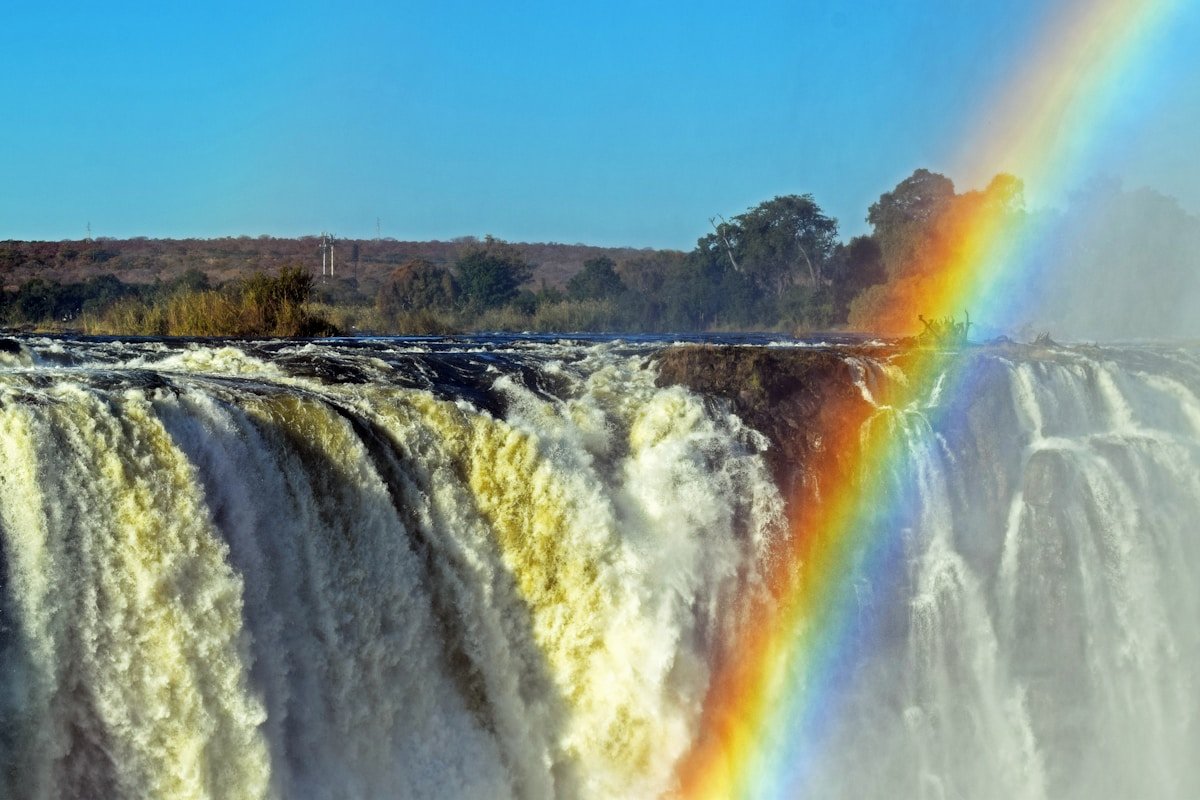
The transformation of Victoria Falls in November is one of the more remarkable seasonal changes in the natural world. At the start of the month, the falls are still at or near their low-water minimum - the eastern sections may be dry or showing only a thread of water. By the end of November, if the rains have arrived on schedule, the falls begin to rise noticeably. The spray increases, the sound deepens, and the characteristic mist plume reappears over the gorge.
The Rainforest Walk, still manageable with light rain gear in early November, becomes progressively wetter as the month continues. White water rafting is generally possible through mid-November, with some operators extending the season into late November depending on river flow. The resident Zambia-side crocodiles retreat from sandbanks as water levels rise.
Migratory Birds Flood In as Carmine Bee-Eaters Return to the Zambezi
Game viewing in November is front-loaded - the first two weeks after the dry season are still excellent, with the compressed game concentration of October beginning to ease only once rains fill secondary water sources.
November wildlife highlights:
- Arrival of migratory birds - Zimbabwe’s birding calendar peaks in November. Carmine bee-eaters have already arrived from the Congo basin by late October. In November, Abdim’s storks, woodland kingfishers, European rollers, lilac-breasted rollers in breeding plumage, and dozens of migrant warbler species flood the bush. The Harare Botanical Gardens and Mukuvisi Woodland are excellent birding spots close to the capital
- First green grass for breeding antelope - November rains trigger a nutritional flush of new grass that causes impala, zebra, and wildebeest to lamb and foal in December–January. By late November, female impala are visibly heavily pregnant. This spike in prey abundance triggers increased lion and leopard hunting activity in the weeks around the season change
- Victoria Falls elephant corridor - Elephants begin moving from Hwange towards the Zambezi as their dry-season waterholes start competing with rain-filled alternatives. November sees regular elephant traffic through the Zambezi National Park and town outskirts of Victoria Falls
- Last chance for low-water activities - Devil’s Pool on the Zambian side (accessible from Livingstone Island) and white water rafting below the gorge are typically available into mid-November. Both become inaccessible once water levels rise sufficiently
Malaria risk rises significantly in November as the first standing water accumulates and mosquito populations build. Prophylaxis is essential across all lowveld and Zambezi Valley areas. Browse current Zimbabwe tours on GetYourGuide to find guided activities that work around the shoulder-season conditions.
Harare International Carnival and Hwange Cultural Village Events
- Harare International Carnival - Typically held in late November, the carnival brings street parades, floats, live music, and food stalls to central Harare. Road closures affect the central business district for two to three days; the event is free to attend on the streets
- Zimbabwe Book Fair - The Zimbabwe International Book Fair, one of the most established literary events in sub-Saharan Africa, has historically been held in Harare in July–August, though dates have varied. Check the ZIBF for confirmed scheduling
- Hwange Cultural Village events - The Hwange Cultural Village at Dete runs community music and craft events coordinated with the National Parks authority through the shoulder season; these are informal and best confirmed via local lodges
Where to Stay and Eat in November: The Boma Experience and Low-Season Victoria Falls
Victoria Falls: November marks the beginning of low season pricing. The Boma - Dinner and Drum Show, Zimbabwe’s most famous cultural dining experience, operates year-round and is at its most comfortable in November (cooler evenings after rains, smaller crowds). The Boma at Victoria Falls Safari Lodge charges approximately USD 65–75 per person including unlimited game meat buffet and evening entertainment (as of 2026). Book at least 24 hours ahead through the lodge.
For accommodation, Bayete Guest Lodge offers well-furnished rooms with private plunge pools from approximately USD 150 per room per night in November’s shoulder pricing, down from over USD 200 in peak season (as of 2026).
Harare: Amanzi Lodge in the leafy Borrowdale suburb offers a relaxed base for Harare explorations from approximately USD 110 per room per night including breakfast. Gava’s Restaurant in Avondale is one of Harare’s most consistent spots for Zimbabwean and continental cooking - a three-course dinner costs approximately USD 25–35 per person (as of 2026).
Bulawayo: Cresta Churchill Hotel, a large commercial hotel in the Suburbs area, has reliable rooms from approximately USD 65 per night and good proximity to the Natural History Museum of Zimbabwe, the Bulawayo Railway Museum, and the Matobo Hills day-trip route. Browse current November availability across the country using Search hotels in Zimbabwe on Booking.com.
What to Pack for November: Rain Jacket Plus Sun Hat as the Season Swings Both Ways
November’s split personality requires a dual approach to packing:
- Lightweight, loose-fit bush clothing for warm mornings and game drives
- A compact, waterproof rain jacket - afternoon storms can be sudden and heavy
- Waterproof or quick-dry sandals for the Rainforest Walk and camp paths after rain
- High-SPF sunscreen for the still-intense morning sun
- Strong DEET insect repellent - malaria risk rises through the month; do not skip this
- A headtorch for moving around camp at night after storm blackouts
- Binoculars for birdwatching - November is birding at its finest
- A small dry bag or waterproof camera case for Rainforest Walk and boat activities
November Budgeting: Low Season Prices With Real Unpredictability Built In
November is one of the best value months in Zimbabwe. Most camps and lodges operate on low-season pricing from November onwards, with reductions of 20–35% from peak rates at many properties. Self-drive travellers will find national parks camp sites comfortably available without advance booking in most areas. Fly-in packages to remote camps in Hwange or Mana Pools can cost 30% less than the same itinerary in August.
The trade-off is genuine unpredictability in the timing of the rains. An early break in November can make game viewing in dense new grass harder, and flash flooding on ungraded park roads can temporarily close sections. Build flexibility into your itinerary and check road conditions with local operators before self-driving.
Arrange travel insurance before departure - malaria risk rises sharply in November, and medical evacuation cover is essential across all lowveld and Zambezi Valley areas.
For seasonal safari guidance, see our guides to Hwange National Park and Victoria Falls activities.
Plan Your Trip
November is one of Zimbabwe’s most underrated windows. Painted wolf packs in Hwange’s private concessions have pups old enough to emerge - some camps report active den sites through late November. Victoria Falls begins to swell again; by month’s end the spray is visible from the town. Gonarezhou in the southeast reopens for guided drives; the Chilojo Cliffs against fresh red-rock vegetation are spectacular. Lodge rates sit 20–35% below July peak. Book flights early for the Christmas run-up; domestic travel peaks sharply in the final week of November. Arrange travel insurance covering outdoor activities. A Zimbabwe eSIM handles Harare coverage and connectivity at Victoria Falls - Gonarezhou has no reliable signal, so download offline maps.