Practical
Zimbabwe Public Holidays 2026 and 2027: Dates, Closures and Travel Impact
Zimbabwe public holidays for 2026 and 2027 with exact dates, what closes on each day, and which holidays disrupt travel most for visitors.
Zimbabwe e-visa ($55) or KAZA UNIVISA ($50) for Zambia crossings, a USD cash economy, Harare–Victoria Falls transport options, and national park safety rules — everything organised before you arrive.
Most nationalities need a visa to enter Zimbabwe. The easiest option is the e-Visa, applied for online at evisa.gov.zw before travel. The standard single-entry e-Visa costs USD 55 for most passport holders, including US, UK, EU, and Australian citizens. Processing takes 24 to 48 hours. Visa on arrival is available at Harare International Airport and major border posts, but applying in advance avoids queues.
If you plan to cross into Zambia at Victoria Falls and return, the KAZA UNIVISA (USD 50) covers both countries for 30 days and is the smarter choice. It is available on arrival at Harare, Livingstone (Zambia), and Victoria Falls border posts. Citizens of South Africa, Botswana, and around 50 other countries qualify for visa-free entry or a free visa on arrival. Check the full list on the e-Visa portal before booking.
Zimbabwe operates a USD cash economy for tourists. All park entry fees, lodge rates, activity operators, and most restaurants quote and accept USD only. The Zimbabwean Gold (ZiG) currency circulates alongside USD for local everyday purchases, but you will rarely need it as a visitor. Bring USD cash from home in a mix of denominations. USD 1, 5, 10, and 20 notes are most useful. Very crisp, post-2009 notes are preferred. Old, torn, or pre-2006 bills are widely refused.
ATMs exist in Harare and Bulawayo but are unreliable for foreign cards. Victoria Falls has several ATMs near the town centre but card acceptance varies. Do not count on ATM access once you leave a major city. Most upscale lodges and camps accept Visa and Mastercard; smaller guesthouses and local restaurants rarely do. Budget a minimum of USD 80 to 100 per person per day for mid-range travel covering accommodation, a meal, and one activity.
The most practical way to get from Harare to Victoria Falls is to fly. Fastjet and Zimbabwe Airways run direct flights from around USD 120 one-way depending on timing. The 880km road journey is manageable if you have your own vehicle or are on a tour. Intercape and several local bus companies run overnight coaches for approximately USD 25 to 35, taking around 8 to 10 hours. Kombis (shared minibuses) are cheaper but not recommended for long distances with luggage.
Within Victoria Falls town, everything is walkable or a short taxi ride. Licensed taxis from the Falls to town cost around USD 5 to 10. Transfers from Victoria Falls Airport to town (22km) run USD 30 to 40 by private transfer. In Harare, the airport is 15km from the city centre and transfers cost USD 15 to 25 depending on the operator. Renting a vehicle is viable for exploring the Eastern Highlands or Matobo Hills, but self-drive in national parks requires a 4WD in the dry season and is not recommended in the rainy season. Car rental from Harare starts at around USD 60 per day for a basic 4WD.
Econet Wireless is Zimbabwe's largest network and has the best national coverage. Buy a SIM card at Harare Airport arrivals or from Econet shops in any town for around USD 2 to 5 including a small data bundle. Registration requires your passport. NetOne is the government-operated network and covers some rural areas Econet does not. Data is affordable by regional standards; 1GB costs approximately USD 1.50 to 3 depending on the bundle. Signal in national parks and remote areas is patchy to non-existent. An eSIM from providers like Airalo is available for Zimbabwe and avoids the need to swap physical SIMs.
Zimbabwe is generally safe for tourists. Petty theft occurs in busy areas of Harare and Victoria Falls, particularly at markets and bus stations. Keep valuables in a money belt, do not walk alone at night in unfamiliar areas, and use hotel or lodge safes for passports and spare cash. The most common risk for travellers is traffic. Roads outside main cities can be poorly maintained and poorly lit. Many local drivers use older vehicles without functioning lights. Driving after dark is not recommended. Wildlife encounters in national parks carry inherent risks; always follow ranger guidance and never approach wildlife on foot without a licensed guide.
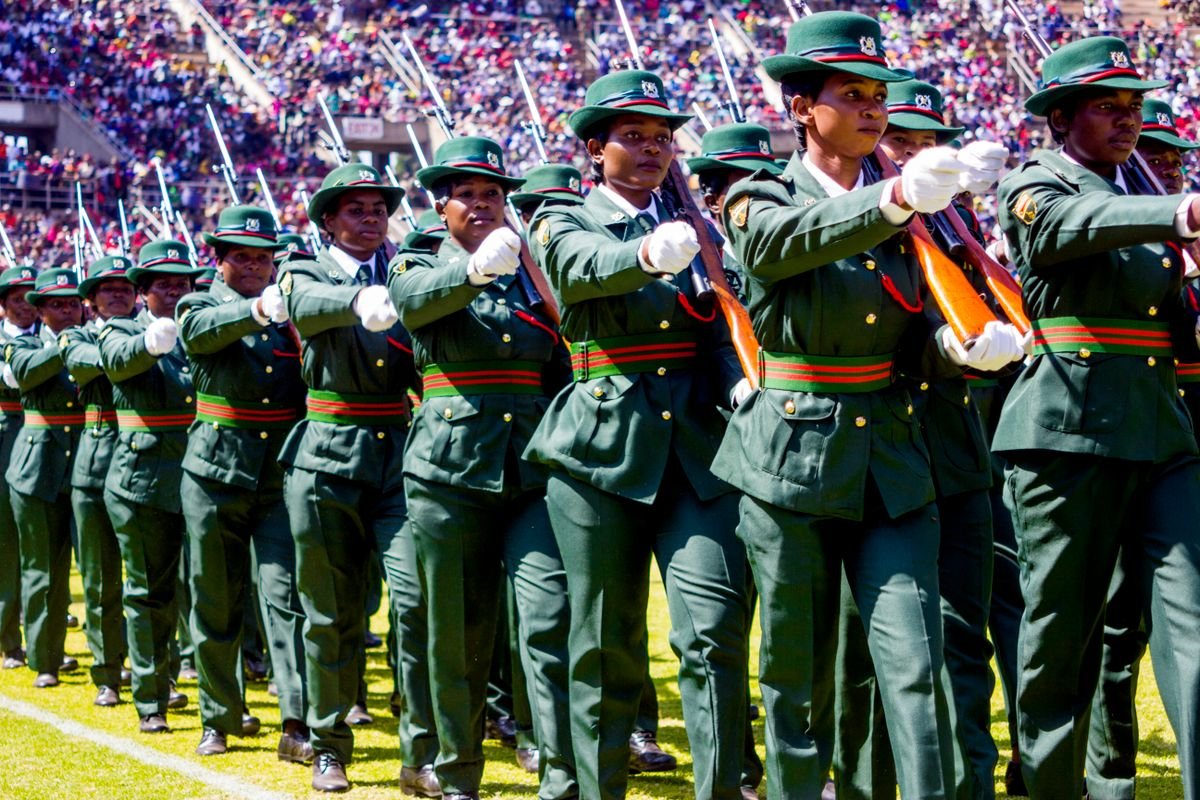
Zimbabwe public holidays for 2026 and 2027 with exact dates, what closes on each day, and which holidays disrupt travel most for visitors.
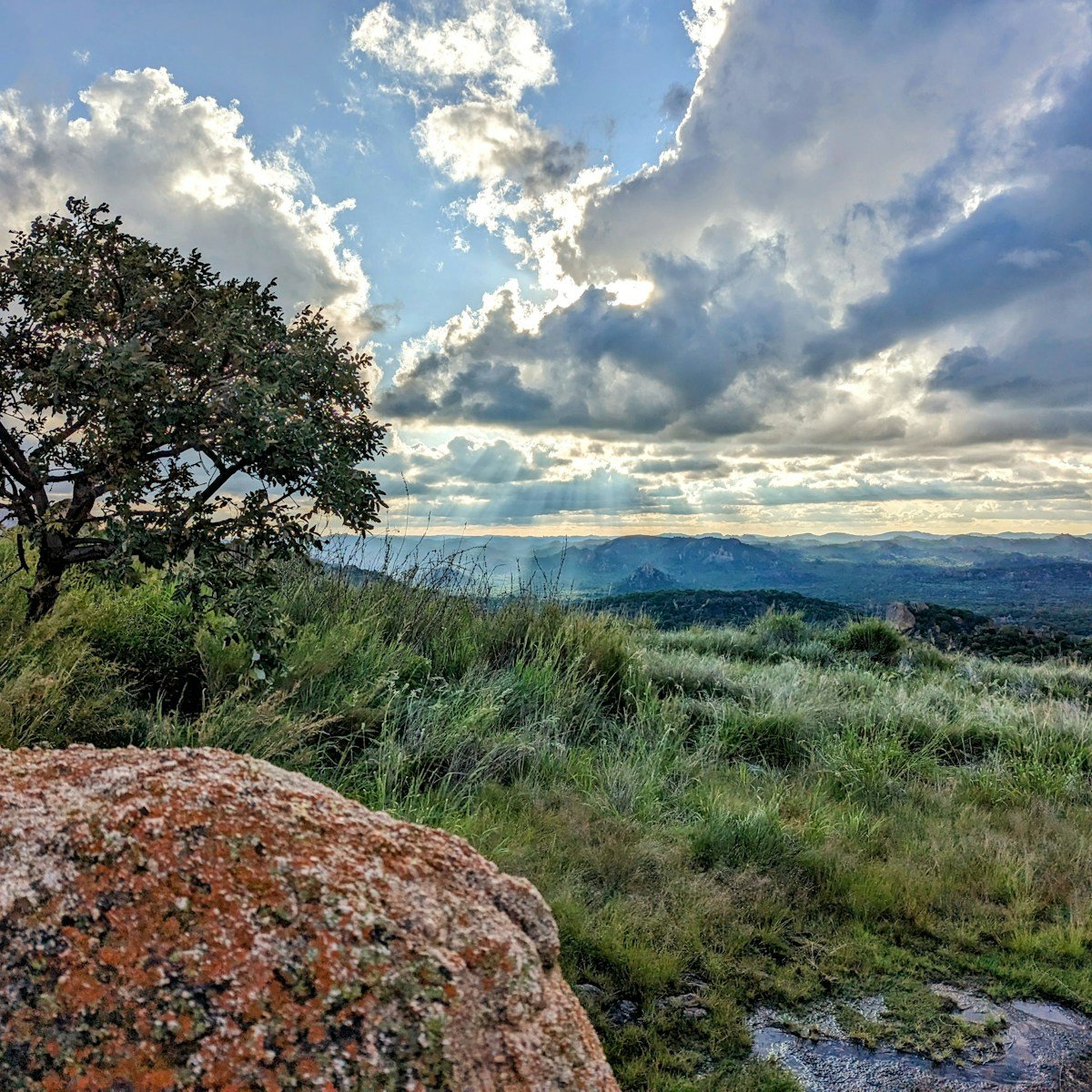
Zimbabwe tipping guide: how much to tip at restaurants, on safari, in taxis, and at hotels. USD amounts, local customs, and common mistakes to avoid.
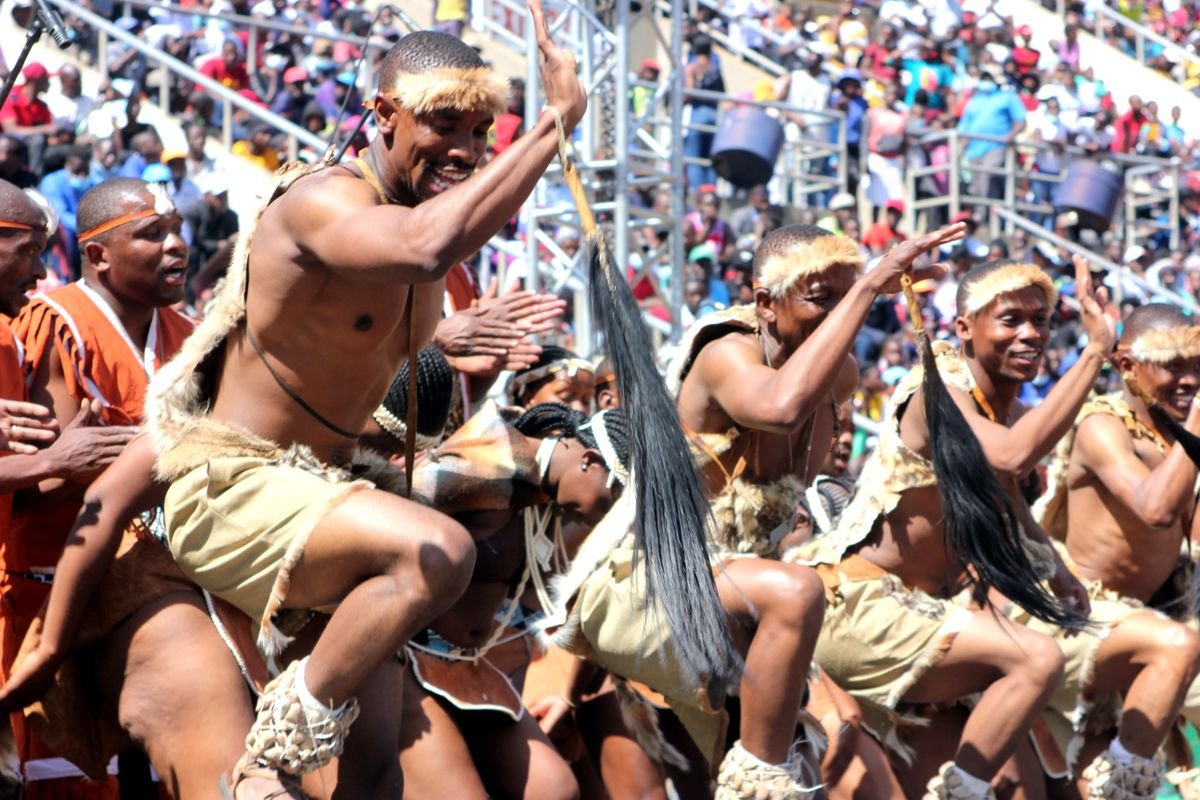
Zimbabwe etiquette guide: tip $10-20/day for safari guides, always ask before photographing people, and dress modestly at rural areas and cultural sites.
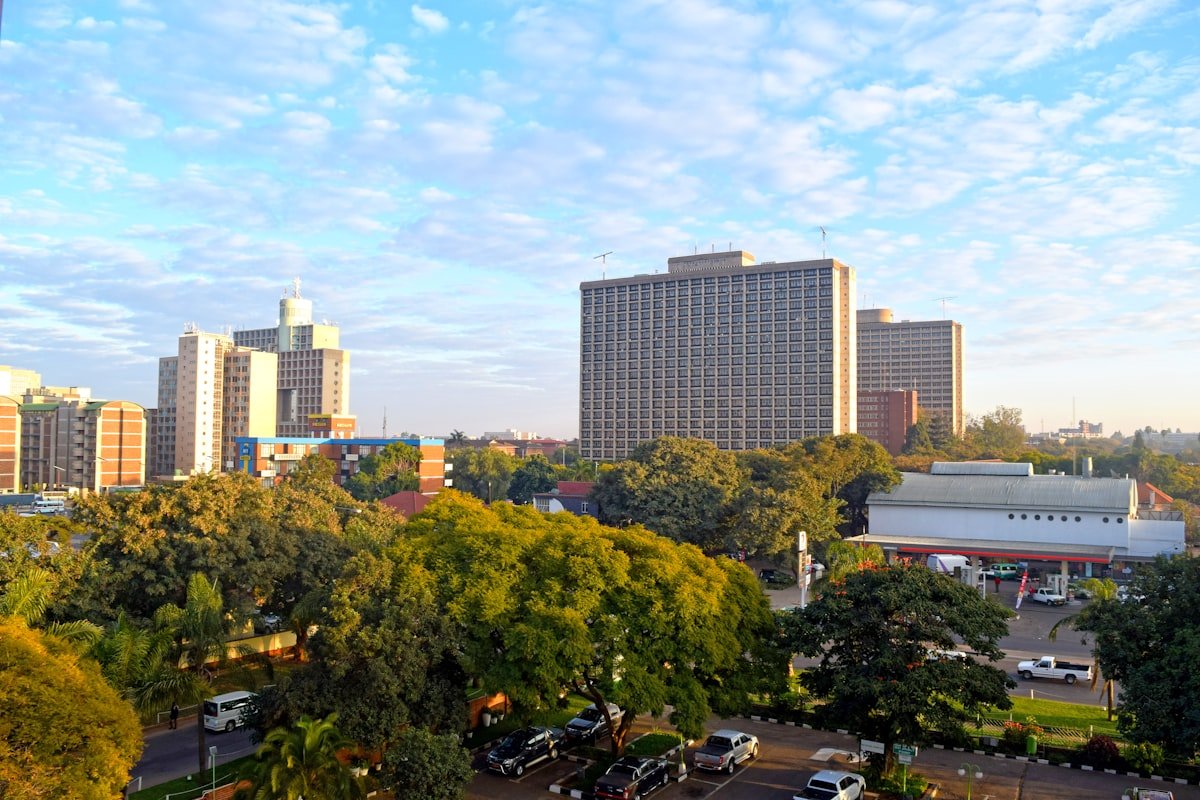
Shona and Ndebele phrases for Zimbabwe travel: pronunciation guide, 50+ essential phrases for greetings, transport, accommodation, food and emergencies.
Zimbabwe welcomed 1.61 million tourists in 2024, generating $493 million in receipts. Victoria Falls is the primary draw for overseas visitors.
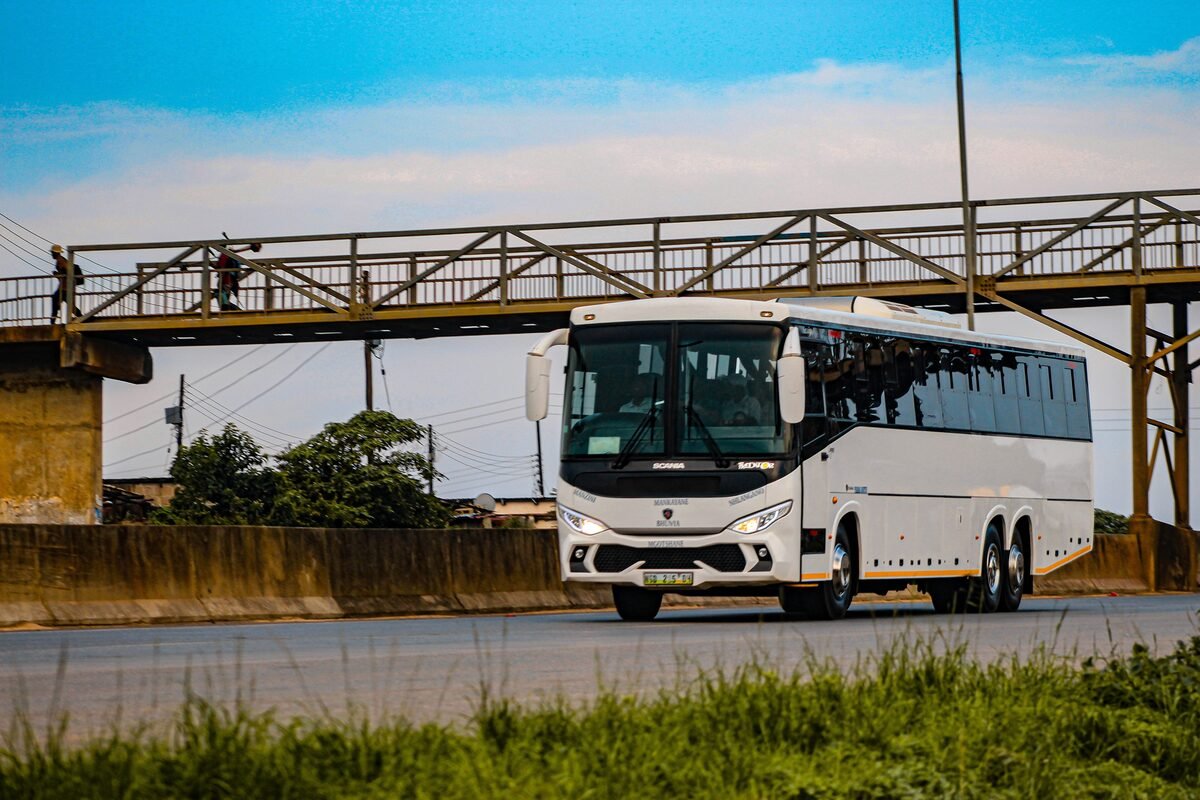
Intercity buses, combis, domestic flights and car hire in Zimbabwe. Route times, prices and practical tips for Harare, Bulawayo and Victoria Falls.
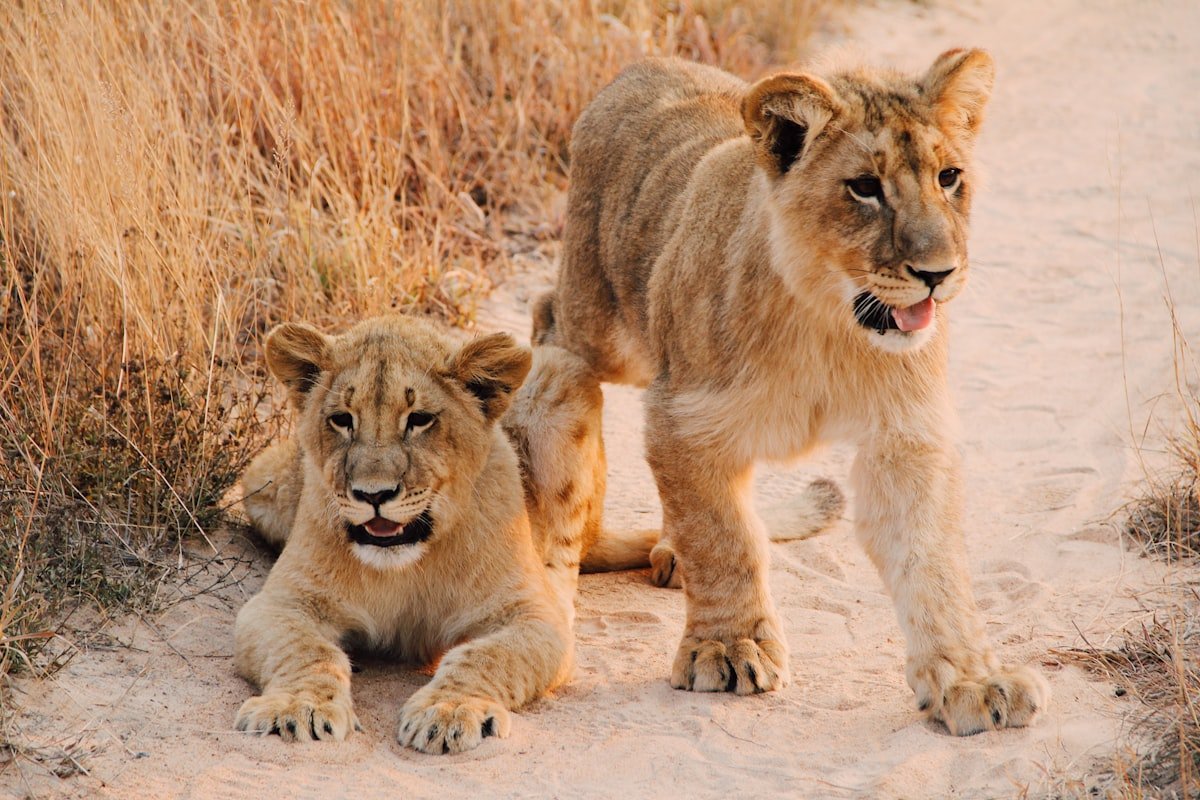
Zimbabwe safari costs from $15/night camping to $1,200/night fly-in luxury. Park fees, lodge tiers, package prices, and what each tier actually includes.
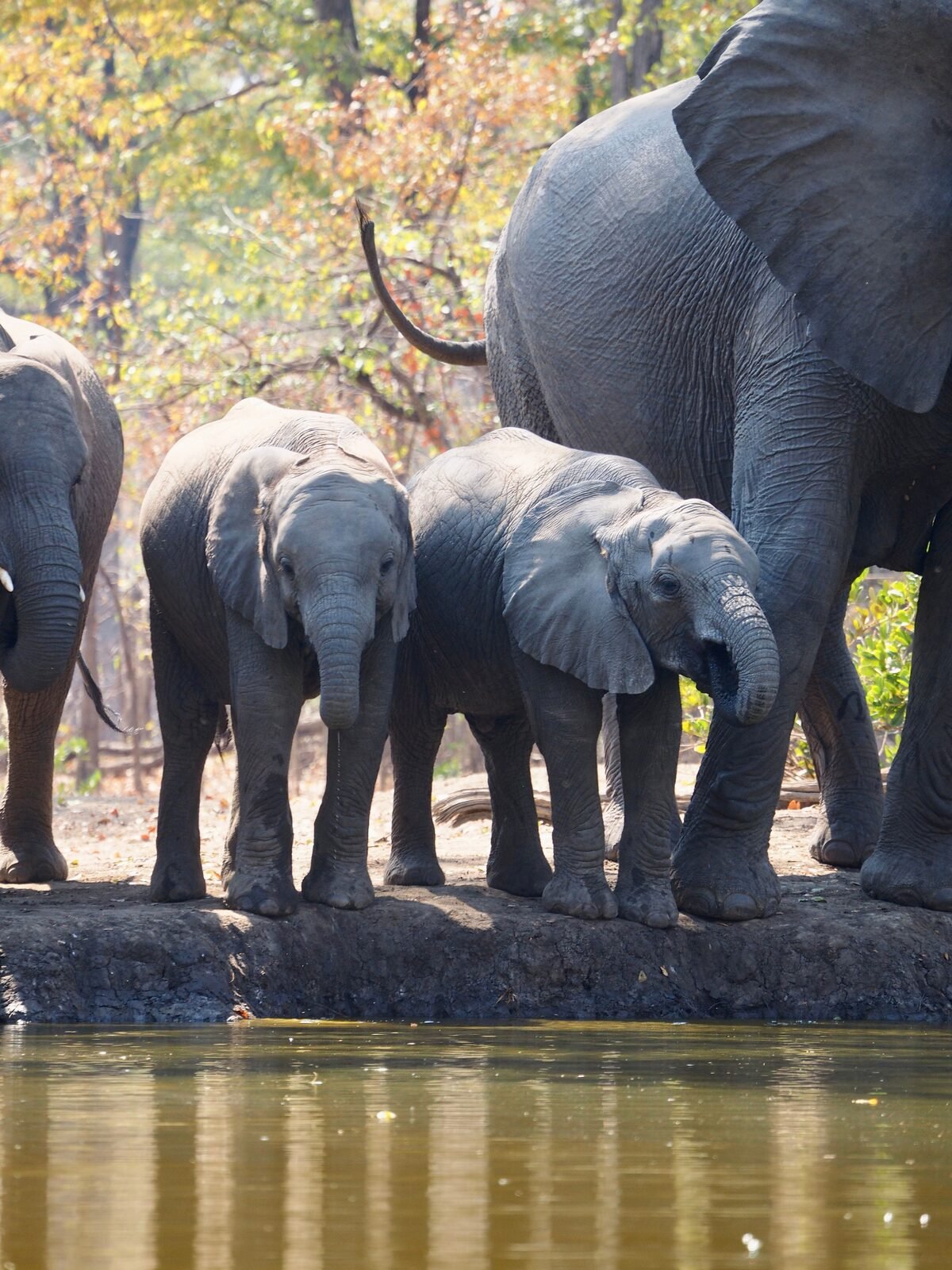
Month-by-month guide to Zimbabwe's seasons: dry safari peak July to October, Victoria Falls at full flow February to May, Mana Pools best in October.
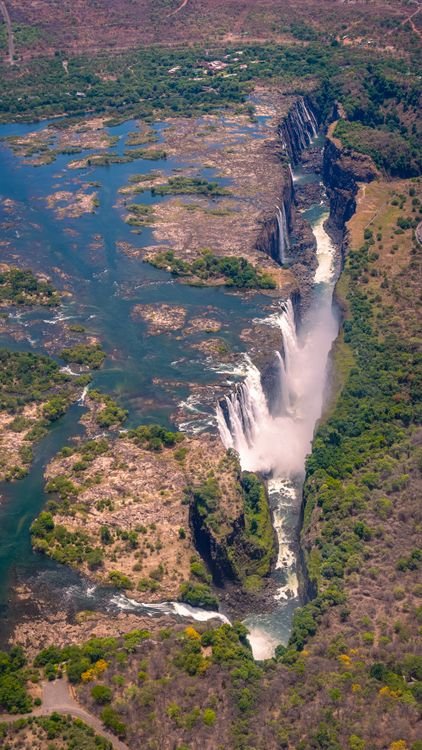
Travel insurance for Zimbabwe: what coverage you need, typical costs, and how to choose the right policy for safari, Victoria Falls, and beyond.
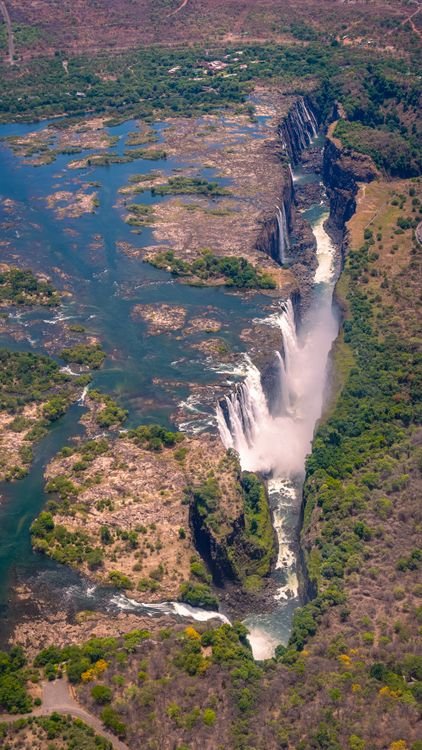
Zimbabwe visa requirements by nationality: who qualifies for visa on arrival ($30 single entry), the KAZA UniVisa ($50), and required border documents.
Useful Shona words and phrases for Zimbabwe travellers: greetings, safari terms, shopping, transport and cultural tips from local guides.
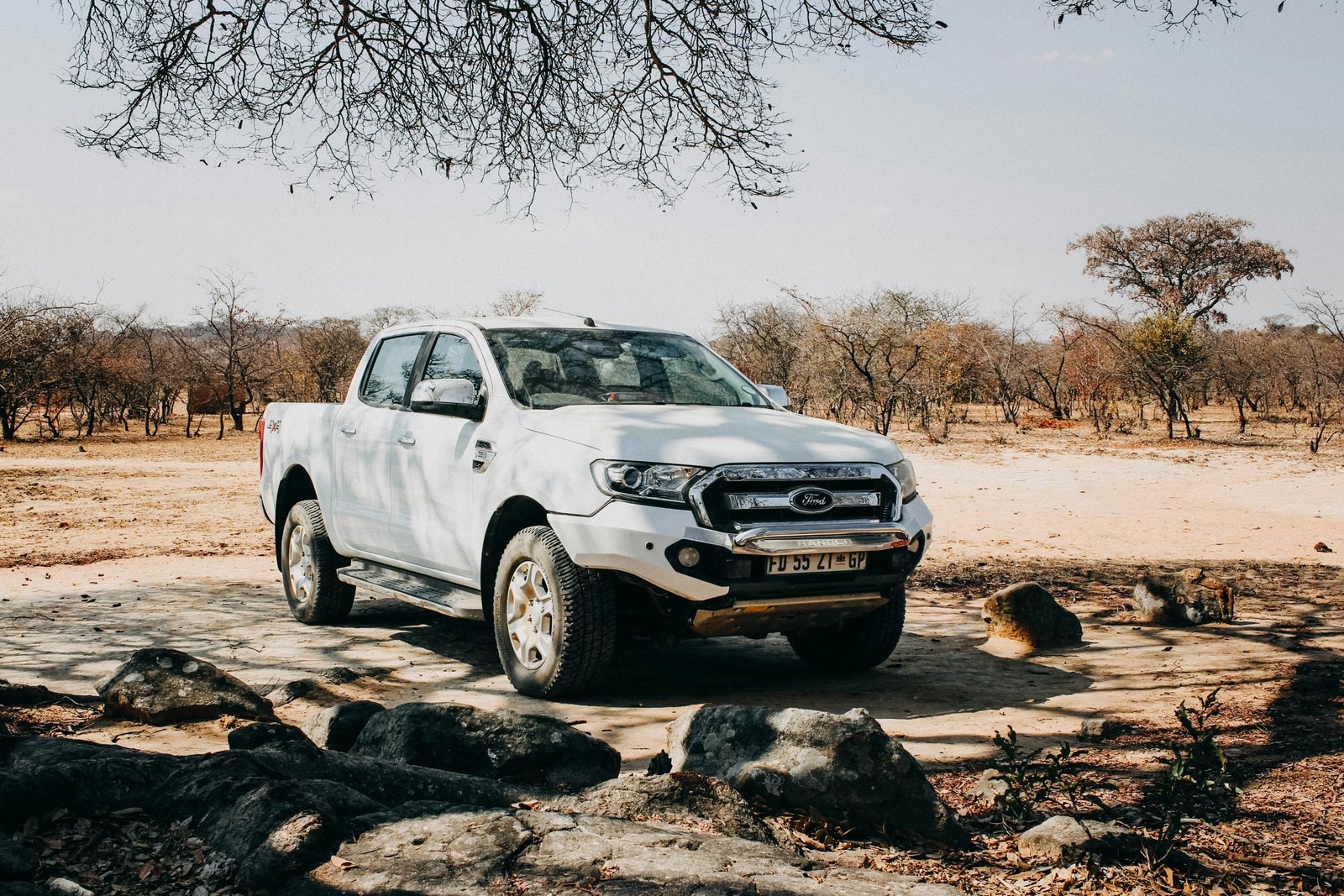
Rent a 4x4 in Zimbabwe from around USD 60 per day. Licences, road conditions, and self-drive routes between Harare, Hwange, and Victoria Falls.
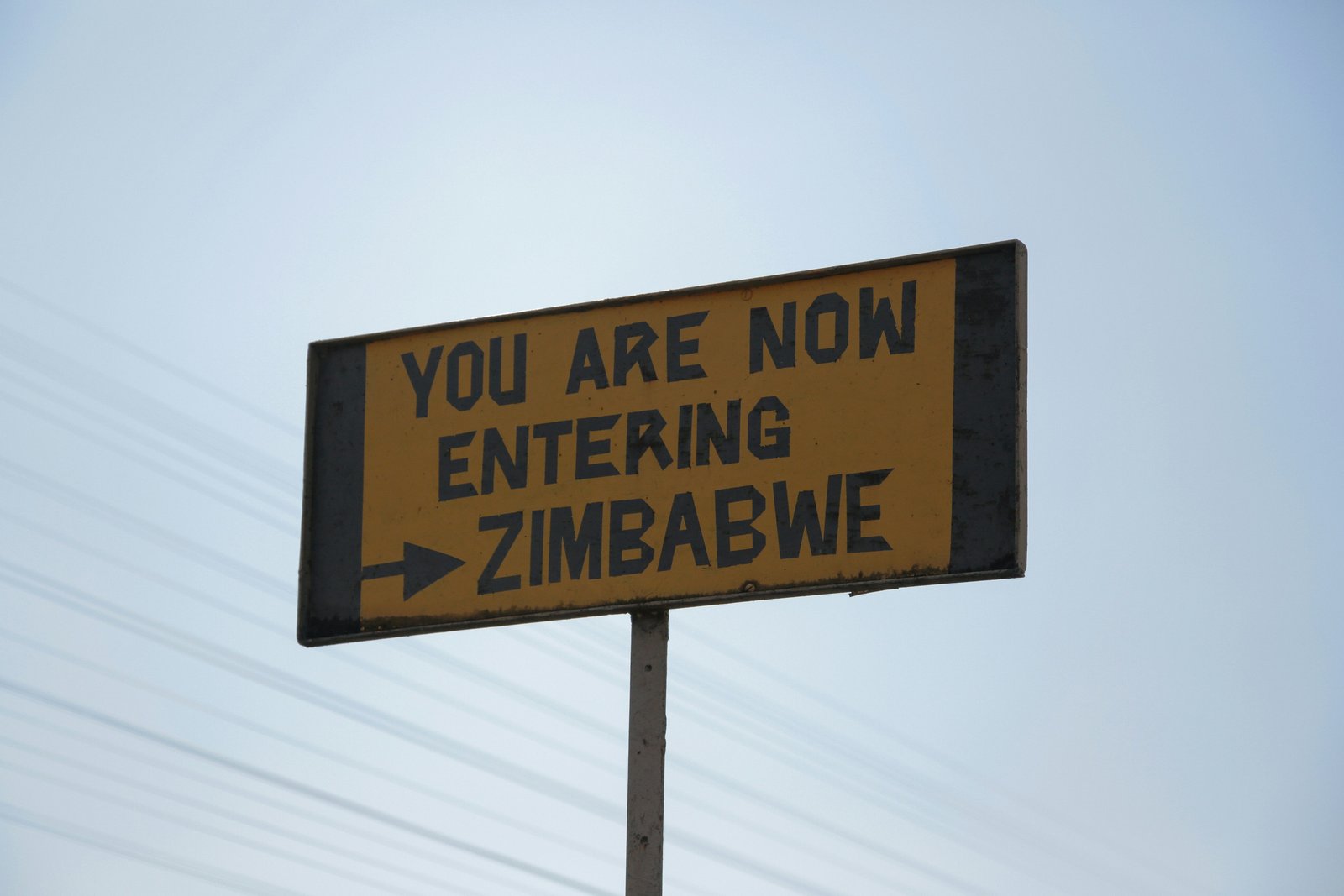
Direct and connecting flights to Zimbabwe from the UK, US, and Europe. Airlines, typical fares, and domestic routes between Harare and Victoria Falls.
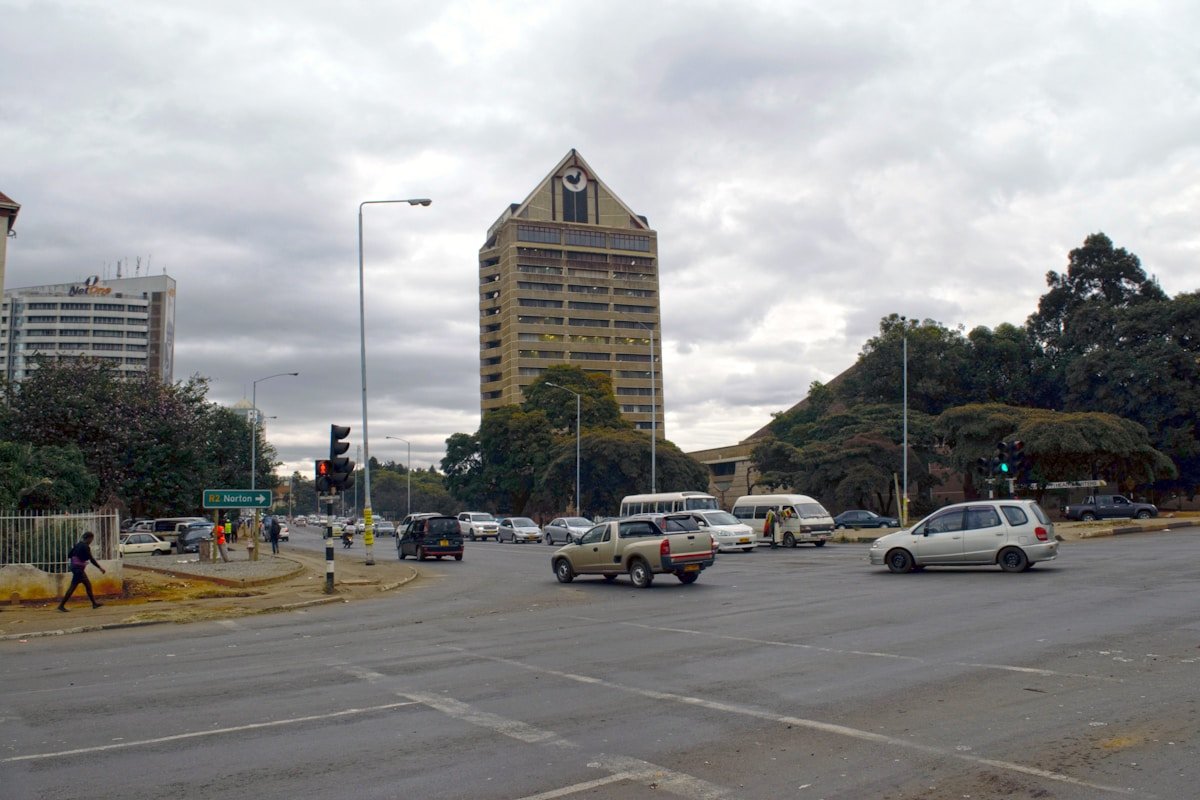
Robert Gabriel Mugabe International Airport to Harare city: compare taxis, shuttles and private transfers with current price estimates.
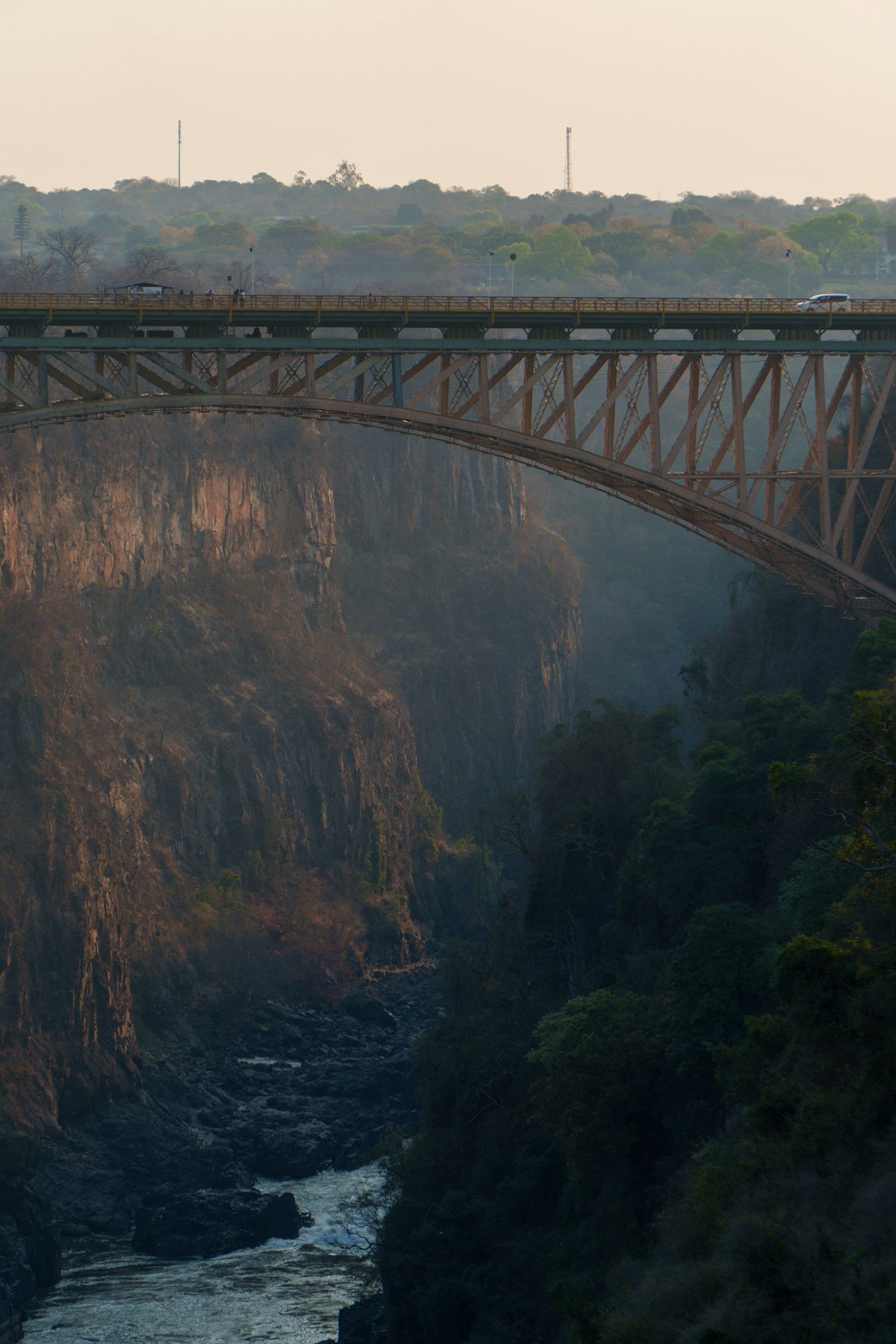
Victoria Falls Airport (VFA) sits 22 km from town - a 20 to 30 minute drive. Compare private transfers, hotel shuttles and taxis, with current prices.
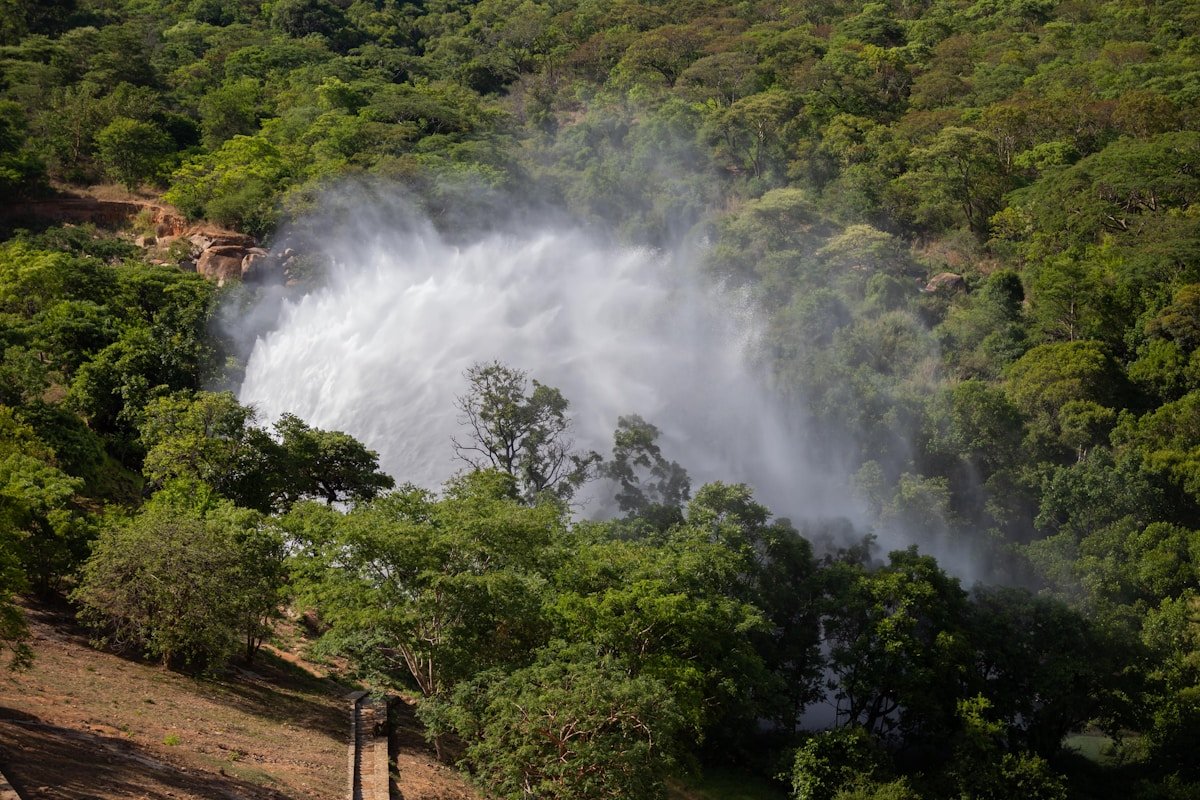
Green season skies, excellent birdwatching, rising Victoria Falls and festive buzz near the Falls: what to expect in Zimbabwe in December.
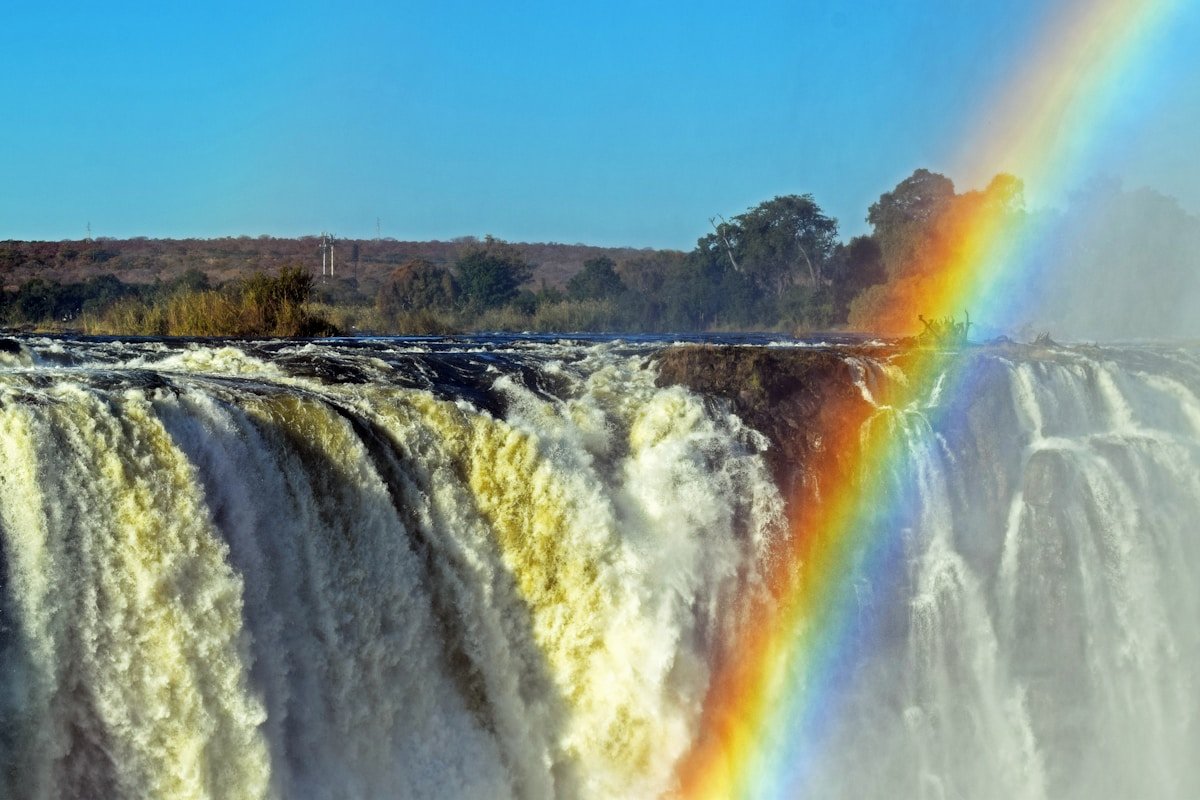
Zimbabwe's seasonal shift: first rains arrive, Victoria Falls rises, migratory birds return to the bush, and prices drop as peak-season crowds.
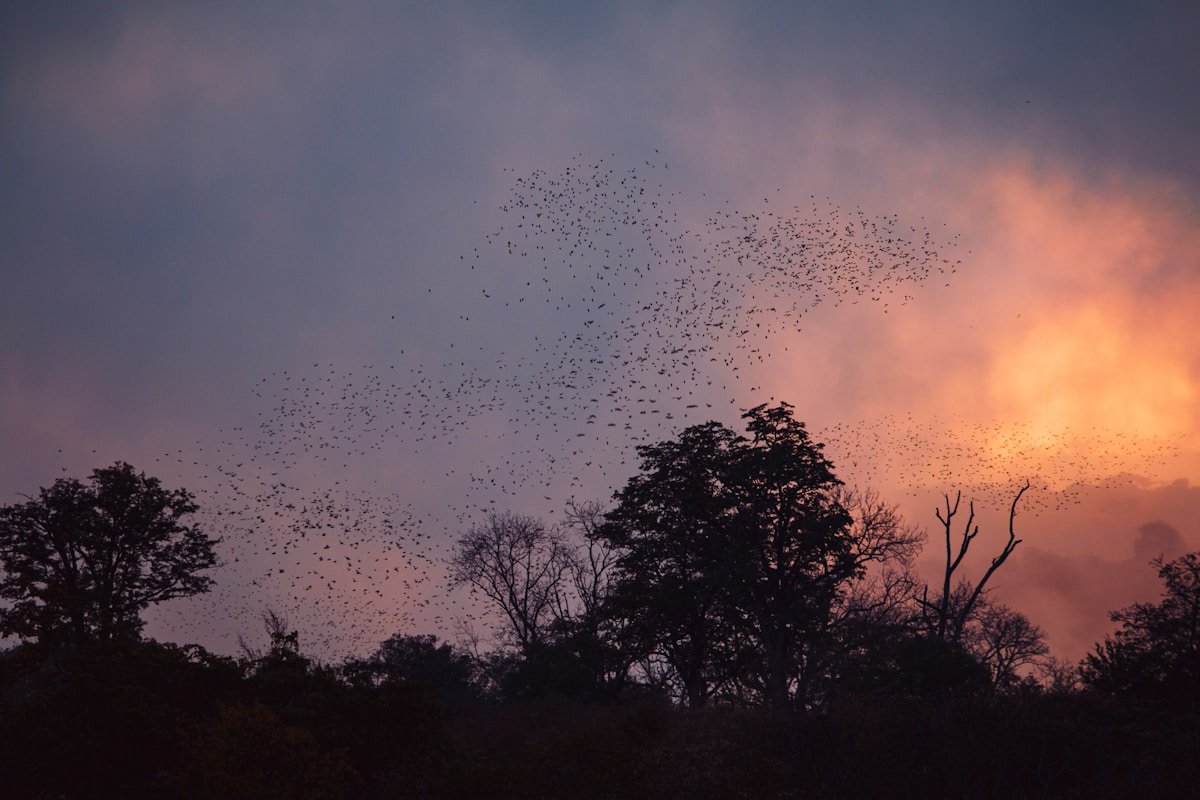
Zimbabwe in October: 18–35°C, hottest month, peak game at waterholes pre-rains, Zambezi rafting optimal. For heat-ready adventurers only.
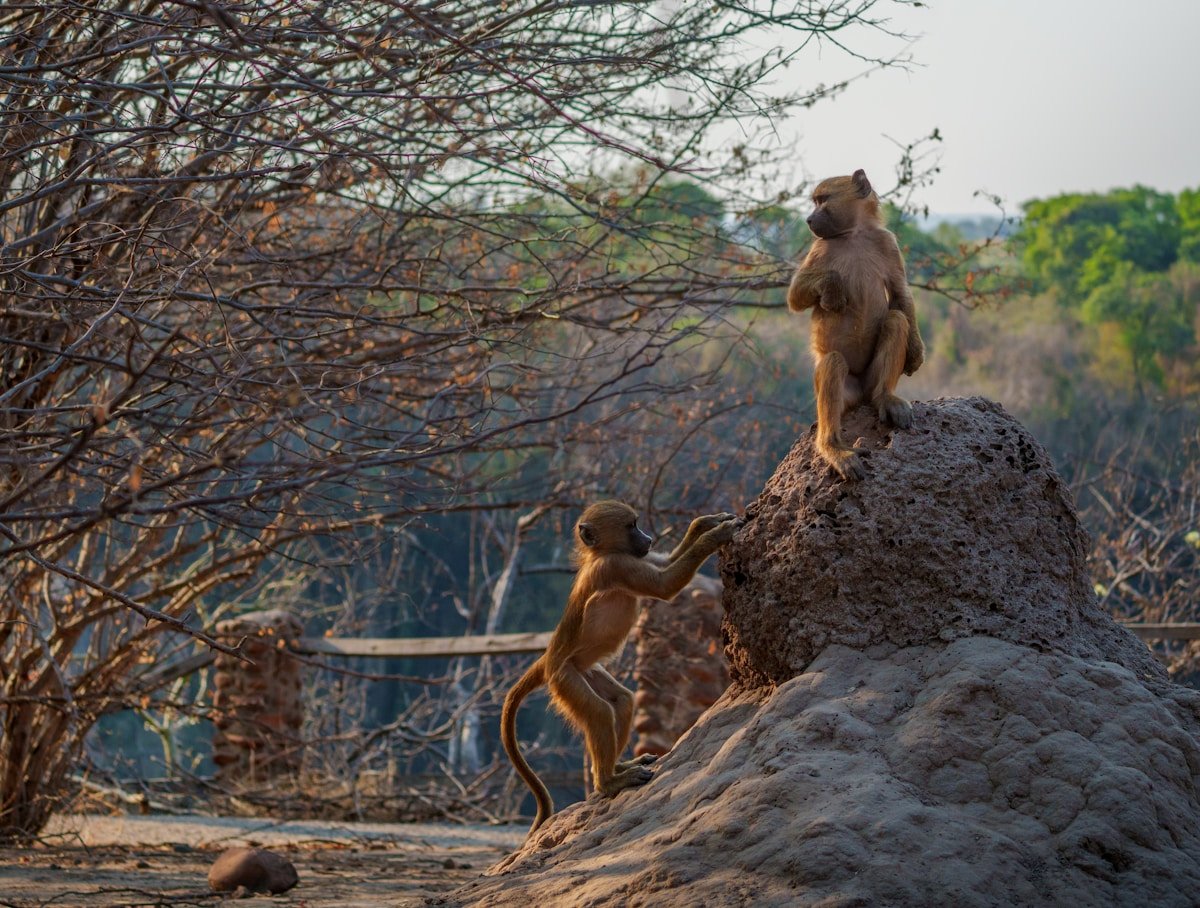
Zimbabwe in September: 16–32°C, hot dry season, outstanding game at waterholes, spring wildlife activity. Best value before October heat.
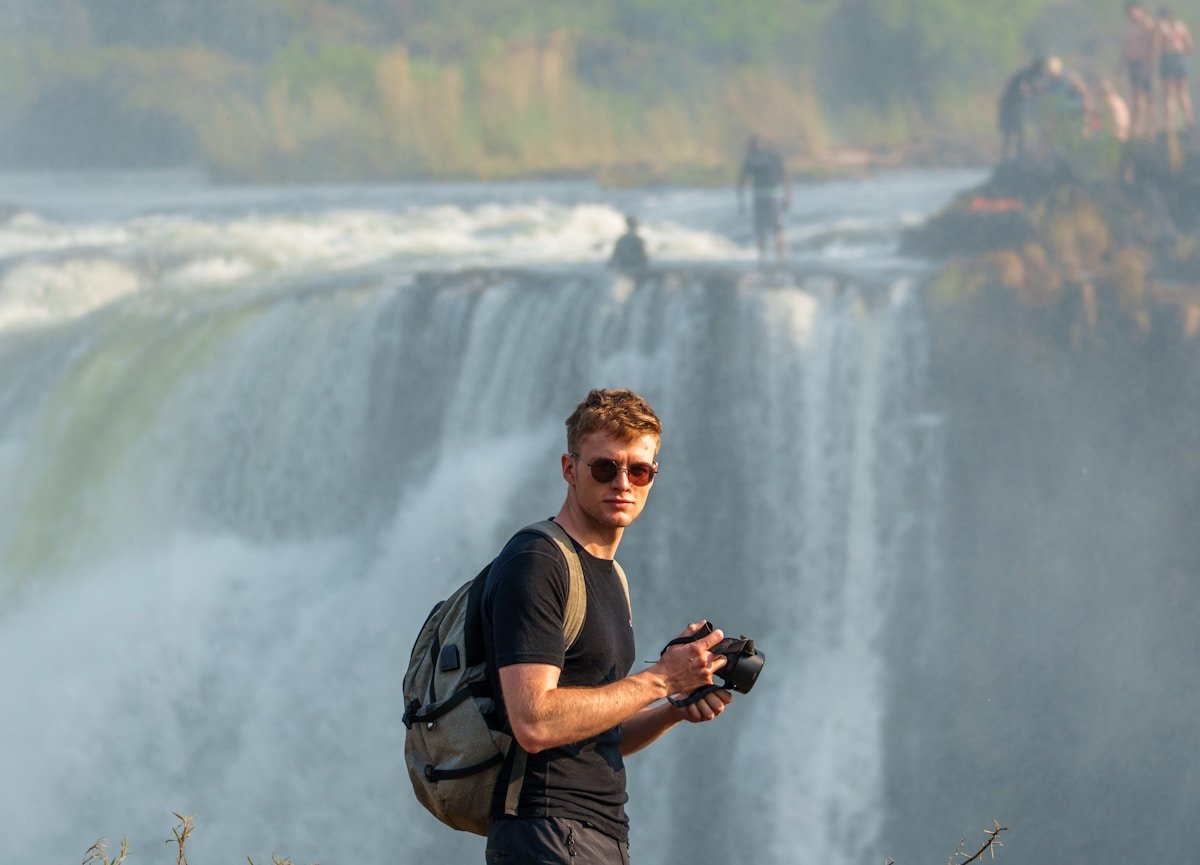
eSIM for Zimbabwe: Airalo plans from $5, Econet 4G coverage in cities and parks, activate before landing to skip airport SIM queues on arrival.
Zimbabwe costs from $50/day in towns, but safaris add up fast. Full breakdown: park fees, accommodation, transport, and food across all budget tiers.
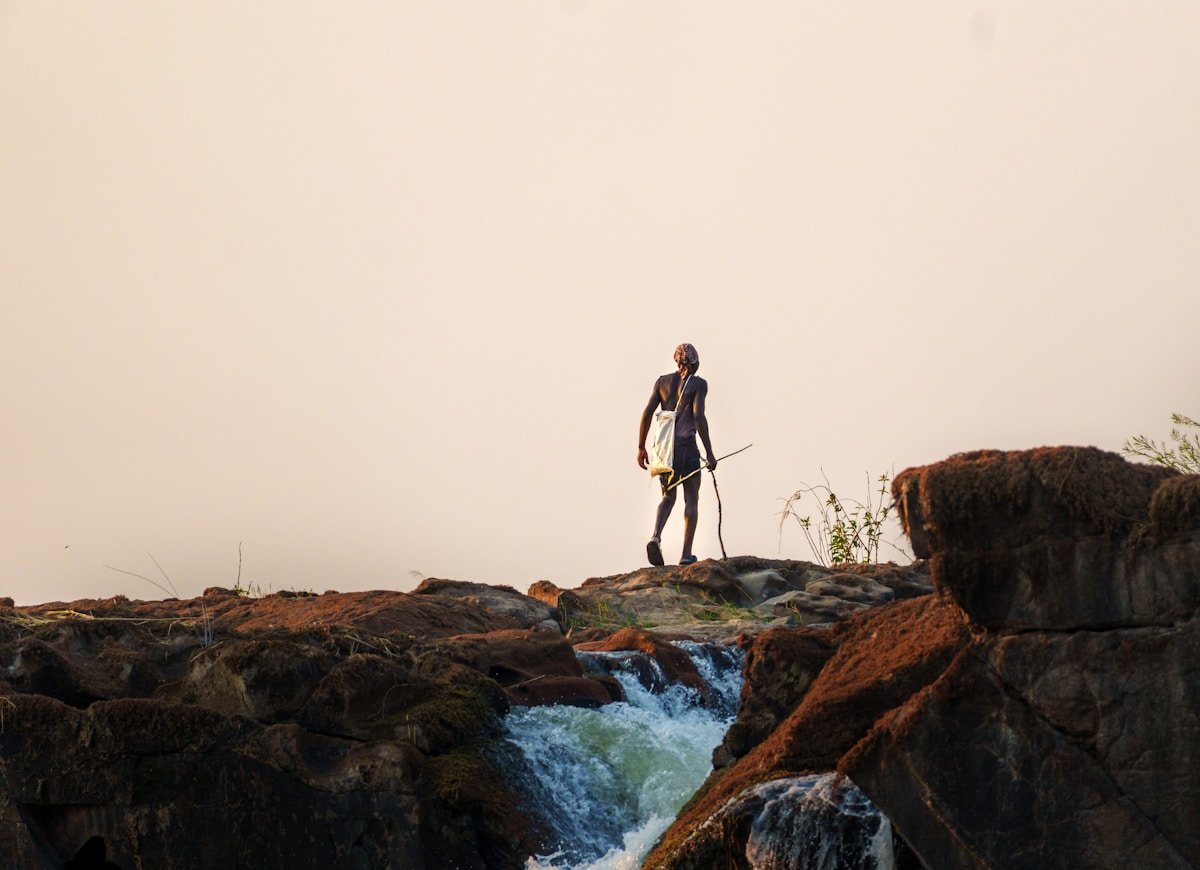
A practical packing list for Zimbabwe covering safari clothing, sun protection, camera gear, insect repellent and seasonal essentials for bush trips.
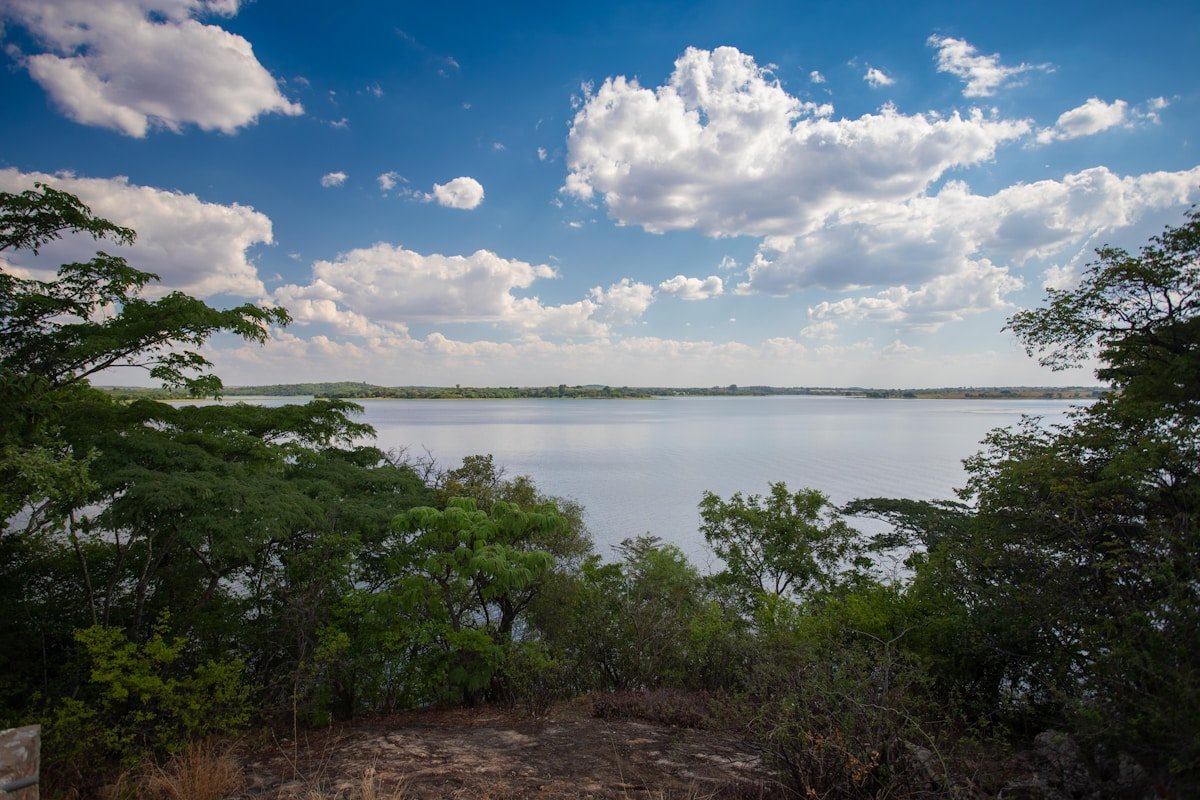
Honest safety guide for Zimbabwe covering crime, wildlife risks, road conditions, malaria zones, common scams and essential tips for solo travellers.
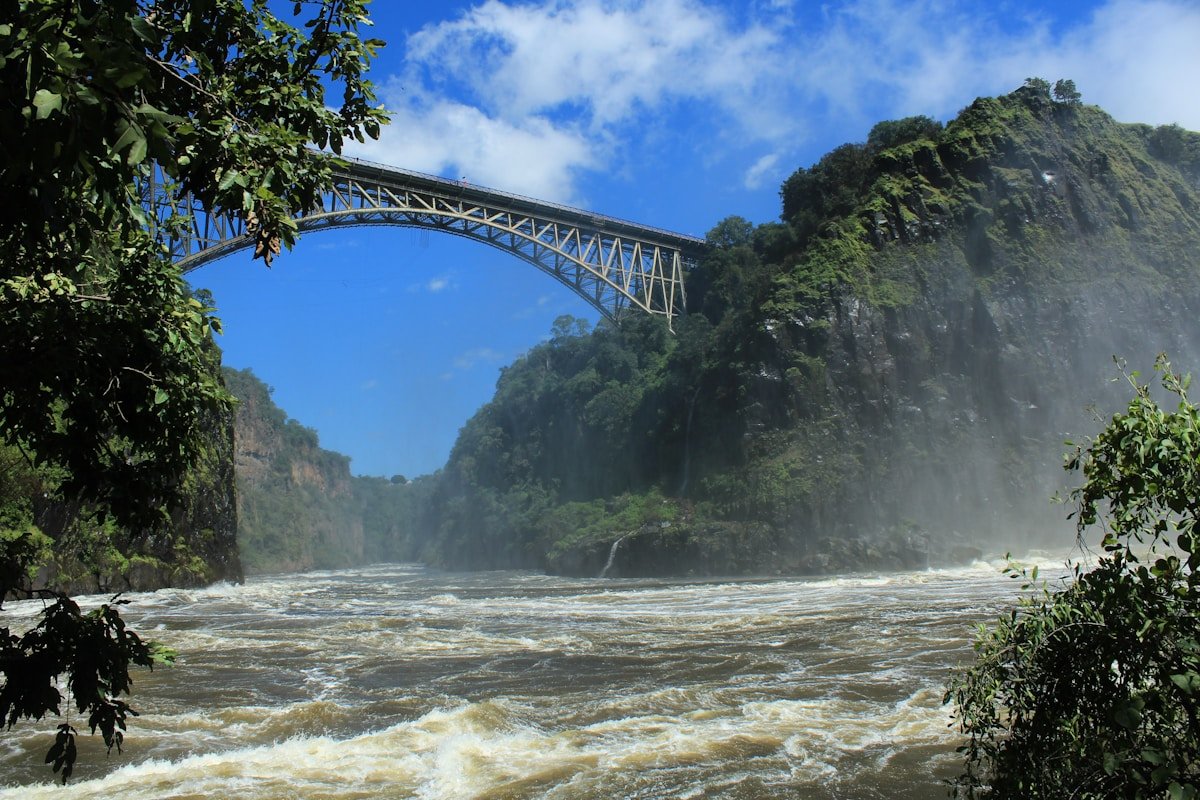
Planning your first Zimbabwe trip: visas, currency, safety, health, transport and a sample itinerary covering Victoria Falls, Hwange and Harare.
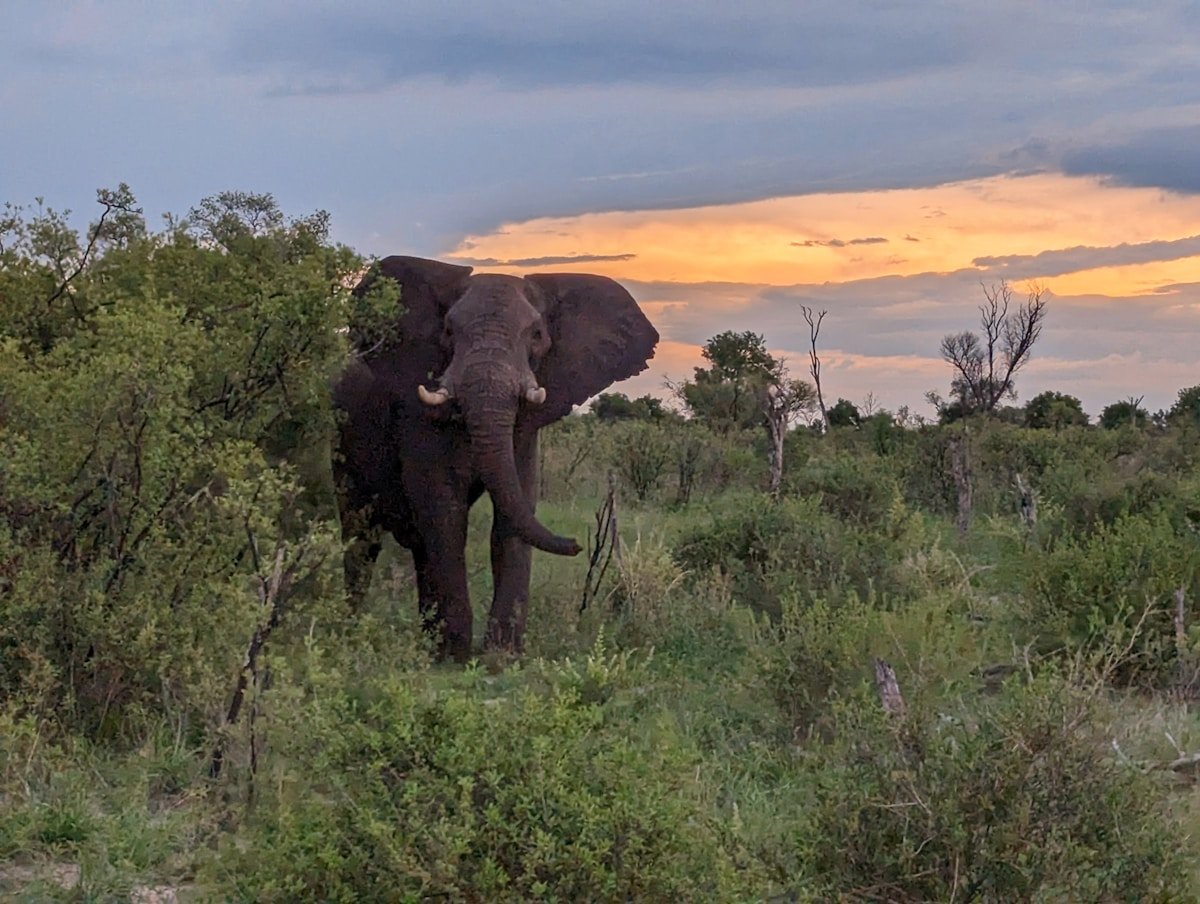
Zimbabwe in August: 10–27°C, peak safari season, exceptional Hwange game concentrations, exposed Falls geology. Book six months ahead.
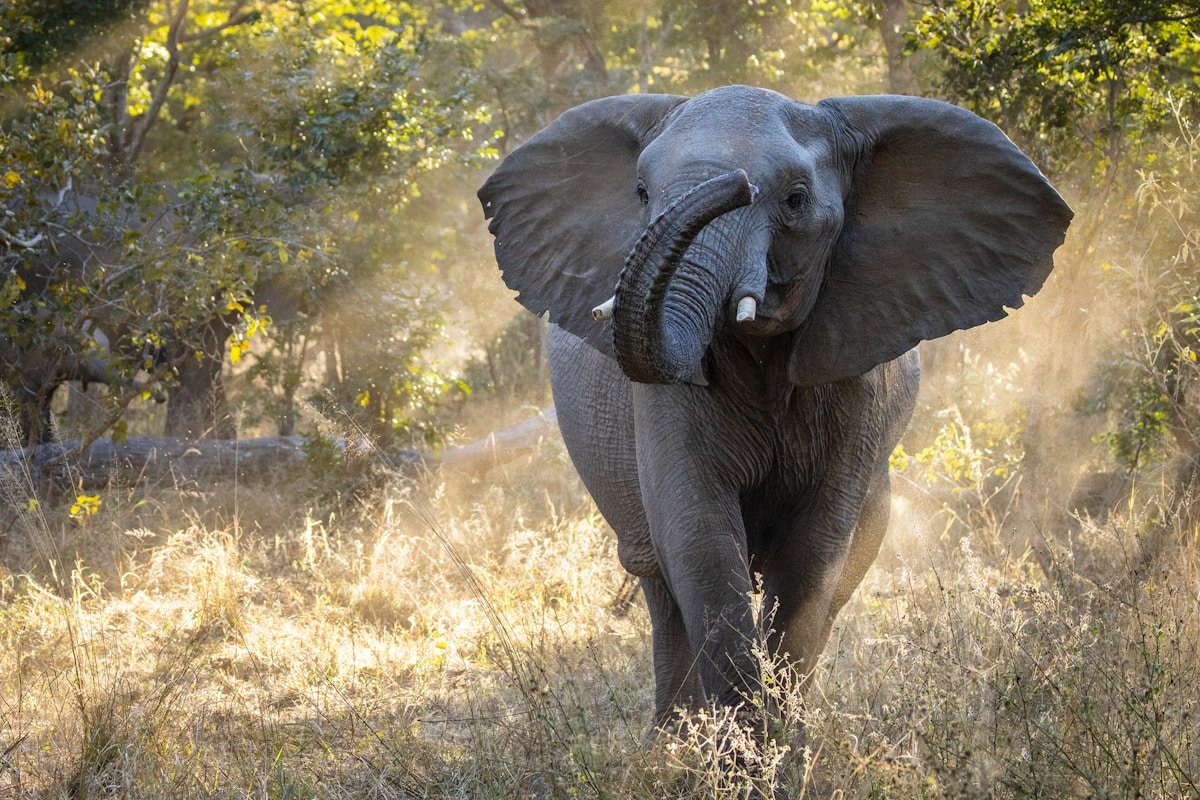
Zimbabwe in July: 15-26°C, peak dry season, exceptional Hwange wildlife concentrations and cool mornings. Premium month for serious wildlife.
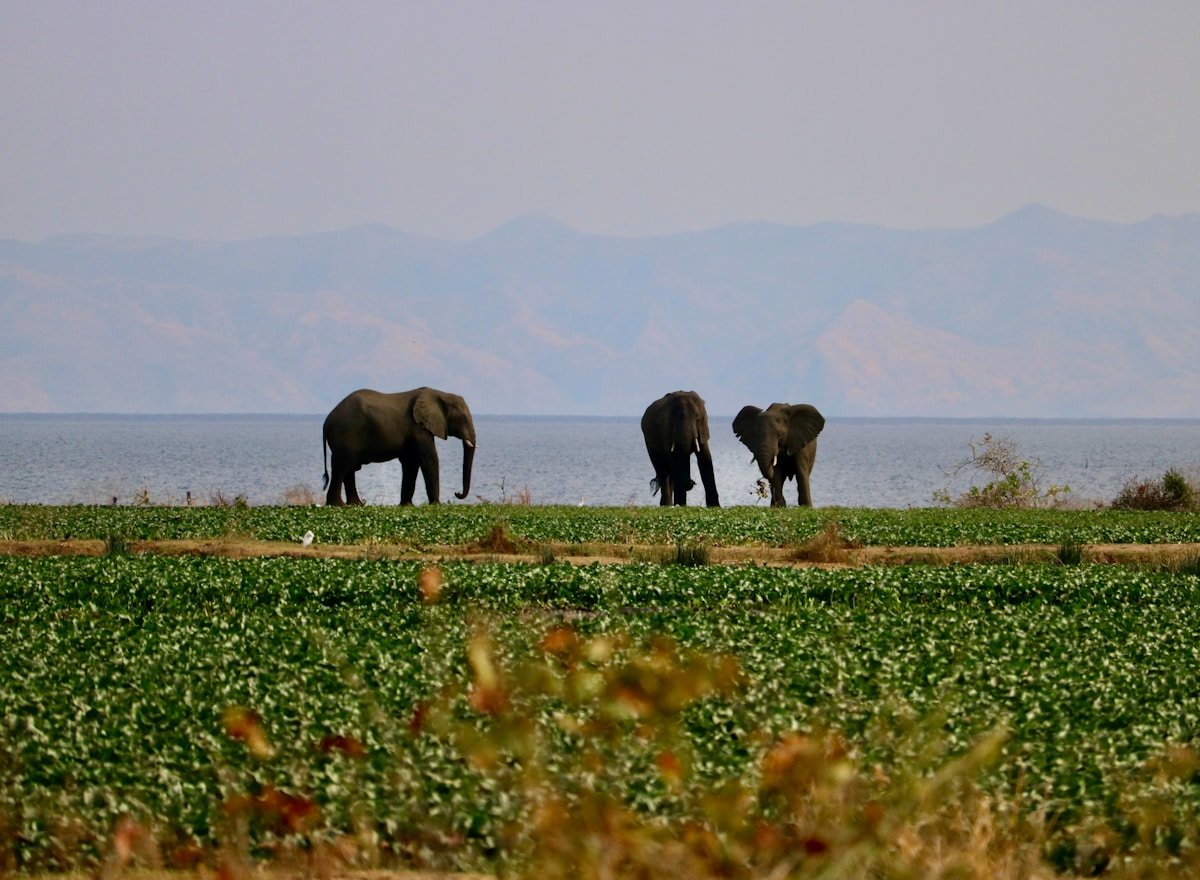
Zimbabwe in June: 8–24°C, peak safari season with cool-dry weather, concentrated game at waterholes, Victoria Falls strong. Book ahead.
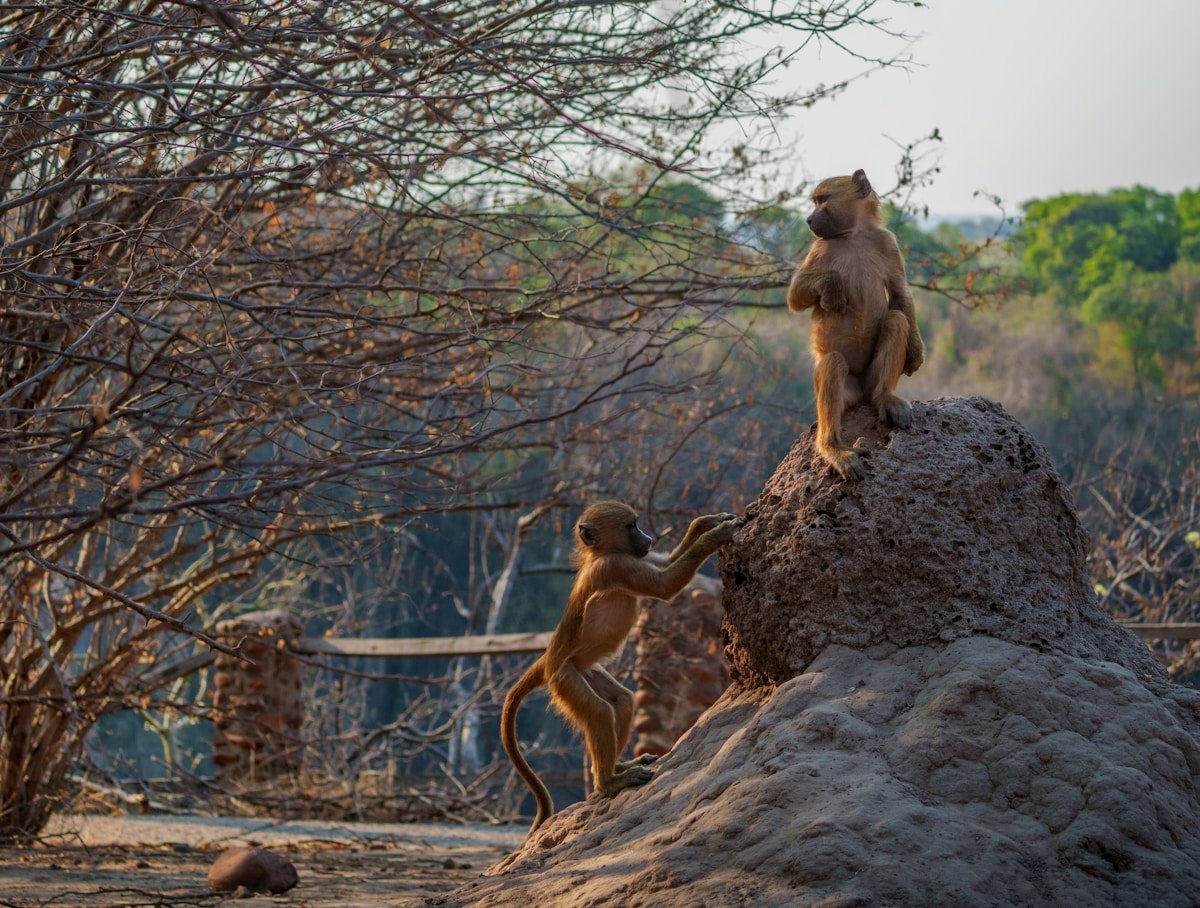
Zimbabwe in May: dry season begins, game viewing improves as animals concentrate near waterholes, Victoria Falls thundering at peak volume.
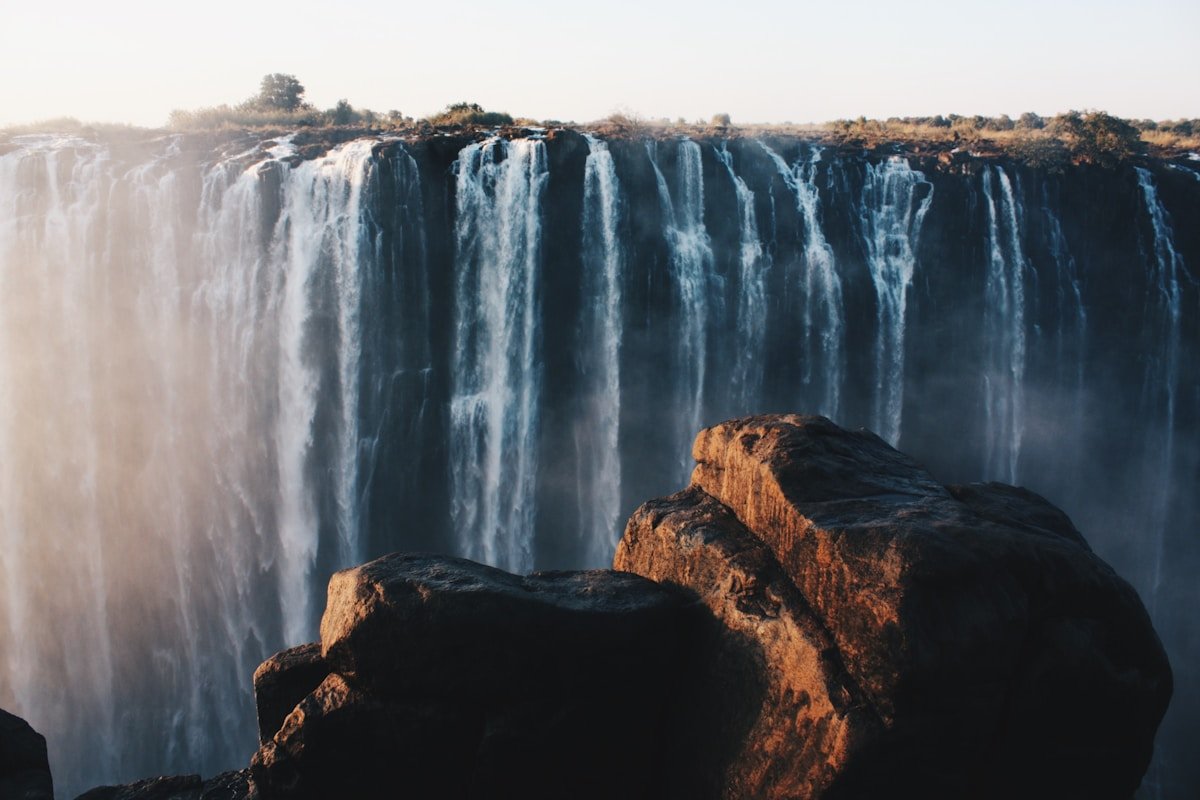
Rains easing, Victoria Falls at peak spectacle: Zimbabwe in April marks the start of prime dry-season safari with warm temperatures and low.
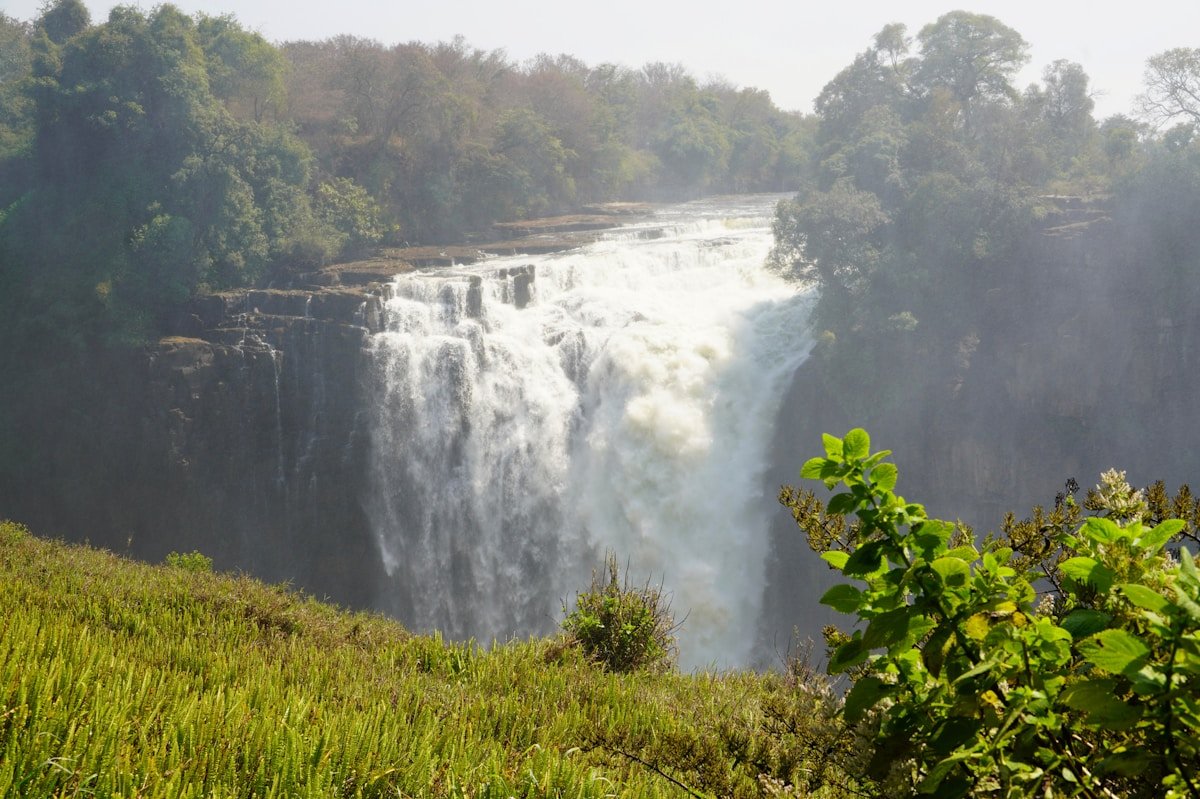
Plan a March visit to Zimbabwe as Victoria Falls reaches peak flow, rains ease, green season prices stay low and migratory birds peak.
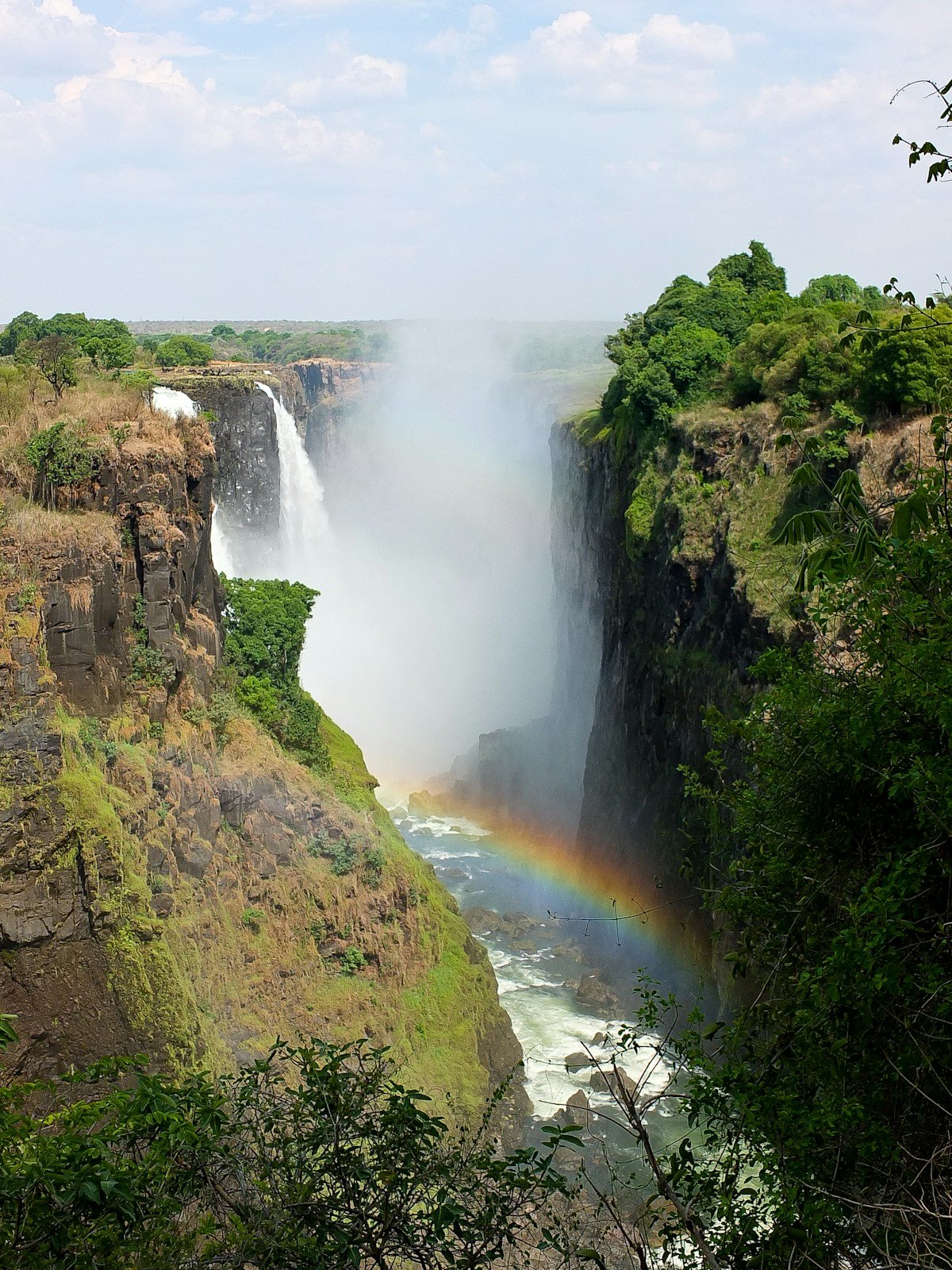
February in Zimbabwe: peak rains, soaring Victoria Falls, baby wildlife, excellent birding, and green season safari deals across Hwange and Mana Pools.
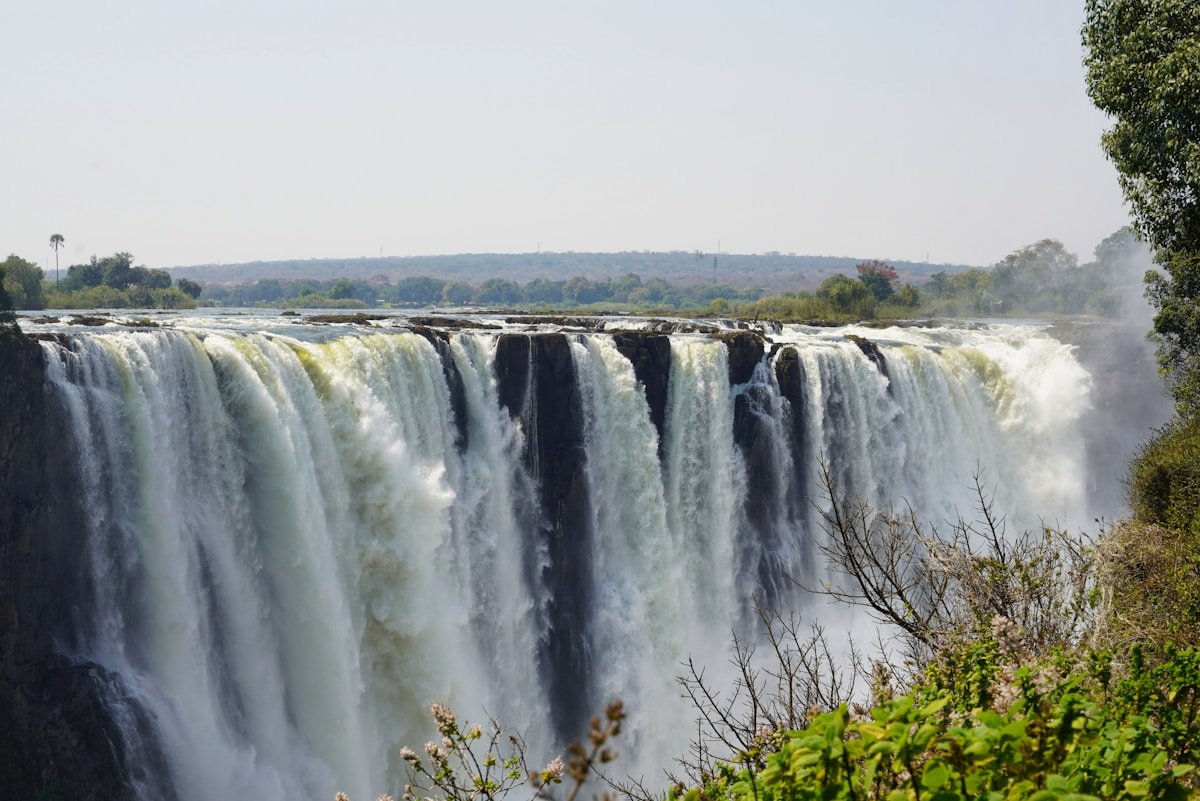
Zimbabwe in January: 28–32°C, peak rains, Victoria Falls at peak flow, baby wildlife and green season discounts. Ideal for budget safari.
Zimbabwe currency guide: USD dominance, the ZiG gold dollar, ATM tips, card acceptance, exchange rates, tipping and daily budget planning.