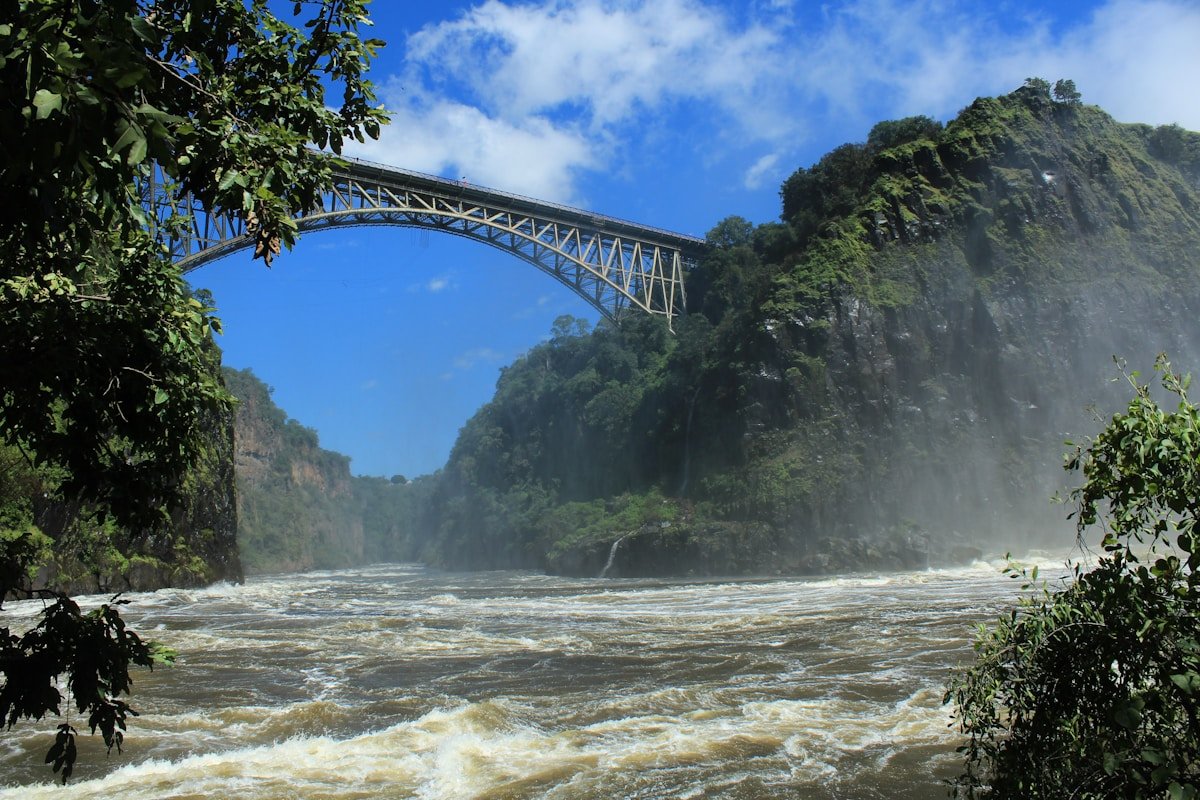
Zimbabwe is one of Southern Africa’s most rewarding destinations, combining world-class safari, the thundering spectacle of Victoria Falls, and a depth of history that stretches back centuries. If you are planning your first visit, this guide covers everything you need to arrive prepared and make the most of your trip.
Before you travel:
- Travel insurance: EKTA - covers medical emergencies, evacuation from remote safari camps, trip cancellation, and travel delays
- Visa: most nationalities get visa on arrival ($30 single entry; $50 KAZA UniVisa covers both Zimbabwe and Zambia)
- Malaria prophylaxis: consult a travel clinic at least 4–6 weeks before departure
- US dollars in cash: small denominations ($1, $5, $10) are essential - change is chronically short across Zimbabwe
Visas and Entry Requirements
Zimbabwe offers visa on arrival for most nationalities, including citizens of the UK, US, Canada, Australia and most EU countries. As of 2026, a single-entry visa costs approximately $30 for most nationalities, while a double-entry visa is around $45.
If you plan to cross into Zambia to see the Falls from both sides (which we strongly recommend), the KAZA UniVisa is excellent value at approximately $50. It covers both Zimbabwe and Zambia for 30 days and allows multiple crossings between the two countries. You can purchase it at Harare International Airport, Victoria Falls Airport, or at the Victoria Falls land border post.
What to have ready at immigration:
- Passport valid for at least six months beyond your travel dates
- Proof of onward travel (return flight or next destination booking)
- Proof of accommodation for your first few nights
- Sufficient funds (they rarely ask, but it is a formal requirement)
- Yellow fever certificate if arriving from an endemic country
For a full breakdown by nationality - including visa-free countries, the advance-visa list, travelling with children, and all entry points - see our Zimbabwe visa requirements guide.
Currency and Money
The US dollar is the dominant currency in Zimbabwe and the most practical option for visitors. Hotels, safari lodges, restaurants and tour operators all price in USD and prefer USD payment. The Zimbabwe Gold (ZiG), introduced in 2024, is the official local currency, but its value fluctuates and most tourist businesses operate in USD.
Practical tips for money:
- Bring crisp, undamaged US dollar bills - worn or marked notes may be refused
- Small denominations ($1, $5, $10, $20) are essential because change is chronically short
- Card payments are increasingly accepted at hotels and larger restaurants, but carry cash for markets, smaller establishments and tips
- ATMs in Harare and Victoria Falls dispense both USD and ZiG, but availability can be unreliable
- Inform your bank before travelling to avoid your card being blocked
Health and Medical Preparation
Zimbabwe is a malaria zone, particularly in the lowveld areas around Victoria Falls, Hwange, Mana Pools and Kariba. Malaria prophylaxis is strongly recommended for all visitors.
Before you travel:
- Consult a travel health clinic at least 4-6 weeks before departure
- Start malaria prophylaxis as directed (Malarone, doxycycline or mefloquine are the common options)
- Check routine vaccinations are up to date (hepatitis A, typhoid, tetanus)
- Yellow fever vaccination is required only if arriving from an endemic country, not for Zimbabwe itself
- Consider rabies vaccination if you plan extended time in rural areas
In Zimbabwe:
- Use DEET-based insect repellent, especially from dusk
- Sleep under treated mosquito nets (most safari lodges and hotels provide them)
- Wear long sleeves and trousers in the evenings
- Drink bottled or purified water - tap water in cities is generally safe but bottled is the safer choice
Medical facilities in Harare are reasonable, with private hospitals like Avenues Clinic and West End Hospital offering a good standard of care. Outside the capital, facilities are limited. Comprehensive travel insurance with medical evacuation cover is essential - an air evacuation from a remote safari camp can cost $10,000-50,000.
Safety Overview
Zimbabwe is generally safe for tourists. The main tourist areas - Victoria Falls, national parks, and established safari regions - see very little crime directed at visitors. In Harare and Bulawayo, standard urban precautions apply: avoid displaying expensive jewellery or electronics, do not walk alone at night in unfamiliar areas, and use reputable taxi services.
Wildlife is the more relevant safety consideration. Always follow your guide’s instructions on safari, maintain a safe distance from animals, and never leave your vehicle in national parks unless at a designated spot. For a detailed breakdown, see our safety guide.
Getting Around
Zimbabwe’s transport infrastructure varies significantly between tourist corridors and rural areas.
Domestic flights connect Harare, Victoria Falls and Bulawayo. Fastjet and FlyZimbabwe operate scheduled services, with one-way fares typically from $80-150. Compare flights to Zimbabwe across carriers before booking to find the best international fares. For reaching remote safari camps, charter flights are common and often included in all-inclusive safari packages.
Self-driving is feasible on main routes. Zimbabwe drives on the left. The Harare-Bulawayo highway and the road to Victoria Falls are tarred and in reasonable condition. Secondary roads can deteriorate badly in the rainy season (November to March). A 4x4 is advisable for national park roads and rural areas.
Transfers and tours are the easiest option for first-time visitors. Most safari lodges arrange airport transfers, and tour operators in Victoria Falls run shuttles to all major activities. Shared transfers between Victoria Falls and Hwange are widely available from around $40-60 per person.
Local transport in cities includes minibuses (kombis) and ride-hailing apps. In Harare, InDriver is popular. Kombis are cheap but can be crowded and have variable safety standards.
Suggested First-Time Itinerary
For a first visit, we recommend 7-10 days covering the country’s highlights:
Days 1-3: Victoria Falls - The obvious starting point. Spend a full day at the Falls, then add white-water rafting on the Zambezi, a sunset cruise, or a bungee jump off the Victoria Falls Bridge. Use the KAZA UniVisa to cross into Zambia for the view from Knife-Edge Bridge. Search Zimbabwe tours on GetYourGuide for a full range of guided activities across your itinerary.
Days 4-6: Hwange National Park - Zimbabwe’s largest national park and one of Africa’s great safari destinations. Hwange is home to huge elephant herds (the population exceeds 40,000), plus lion, leopard, wild dog and over 400 bird species. Most lodges offer morning and afternoon game drives plus night drives.
Days 7-8: Matobo Hills - Head south to Matobo Hills for a completely different landscape - dramatic granite balancing rocks, ancient San rock art, and some of the best rhino tracking in Africa. This is one of Zimbabwe’s most underrated destinations.
Days 9-10: Bulawayo or Great Zimbabwe - Either explore Bulawayo, Zimbabwe’s second city with its colonial architecture and excellent Natural History Museum, or drive to Great Zimbabwe near Masvingo to see the stone ruins of the medieval kingdom that gave the country its name.
Best Time to Visit
The dry season (May to October) is the best period for safari and general travel. Wildlife concentrates around water sources, vegetation thins out making animals easier to spot, and the weather is sunny with cool mornings and warm afternoons.
- May-August: Cool and dry, perfect for game viewing. Mornings on game drives can be genuinely cold (5-10 degrees Celsius), so bring layers
- September-October: Hot and dry, the best months for wildlife as water is scarce and animals cluster at remaining waterholes. Temperatures can reach 35-40 degrees
- November-April: The rainy season brings lush green landscapes and is excellent for birdwatching, but some roads become impassable and malaria risk increases. Victoria Falls is at its most powerful from February to May
What to Budget
Zimbabwe is not a budget destination by African standards, particularly for safari. As a rough guide for 2026:
- Budget travellers: From $50-80 per day staying in backpacker hostels, eating at local restaurants and using public transport
- Mid-range: From $150-250 per day with comfortable lodges, guided tours and some safari activities
- Safari luxury: From $400-800+ per day for all-inclusive safari lodges with game drives, meals and drinks included
For a detailed cost breakdown, see our budget guide.
Essential Packing Tips
Safari-specific packing matters in Zimbabwe. Neutral colours (khaki, olive, brown) are recommended for game drives - avoid bright whites and blues that can disturb wildlife. Mornings on game drives during the dry season can be surprisingly cold, so pack warm layers alongside sun protection. For a complete list, check our packing guide.
Connectivity
Mobile coverage is decent in cities and towns, with Econet being the largest network. In national parks and remote safari areas, coverage drops off significantly. Many lodges offer Wi-Fi, though speeds vary. Consider getting an eSIM before you arrive to stay connected in urban areas without the hassle of finding a physical SIM card shop.
Zimbabwe rewards visitors who come prepared. Sort your visa, pack your malaria tablets, bring small-denomination USD bills, and you will find a country of extraordinary natural beauty, fascinating history, and genuinely warm hospitality waiting for you. Search hotels in Zimbabwe on Booking.com to find accommodation across the country for your first visit.
Plan Your Trip
✈️ Book your flights to Zimbabwe 🛡️ Get travel insurance 📱 Stay connected with an eSIM 🚗 Rent a car