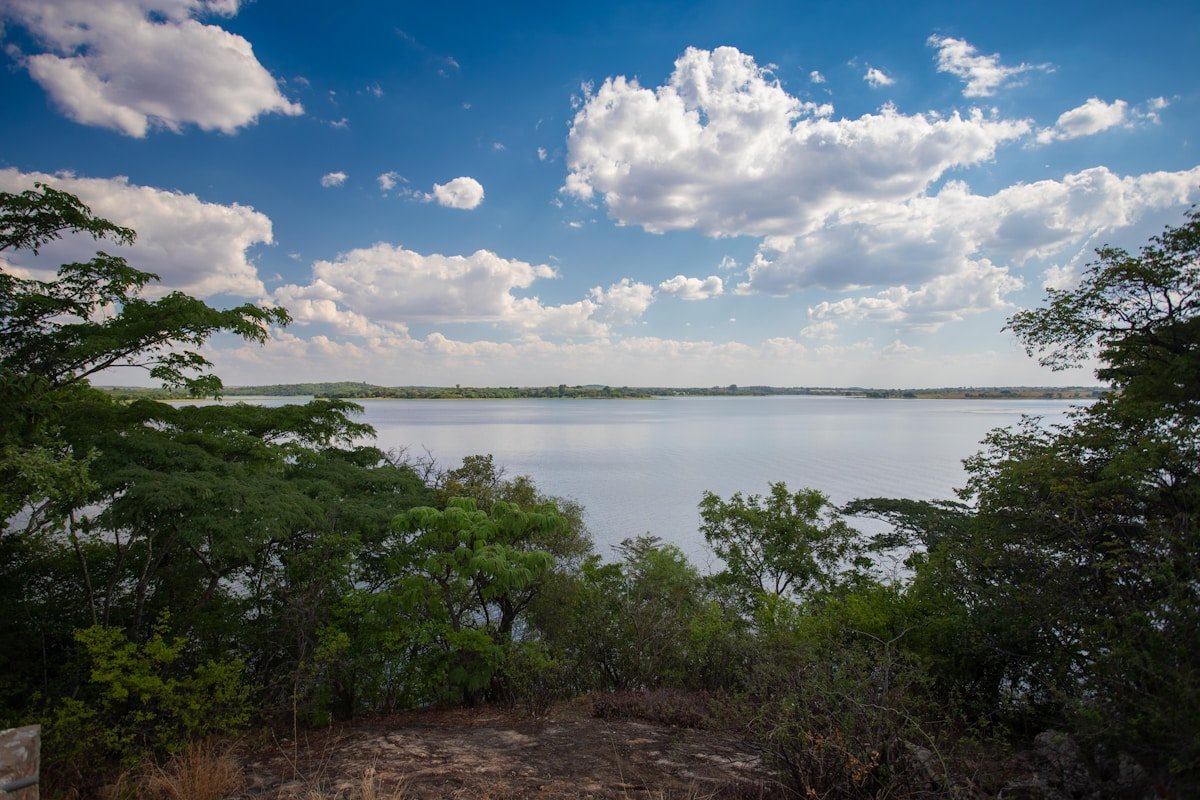
“Is Zimbabwe safe?” is one of the most common questions we hear from travellers considering the country. The short answer is yes - Zimbabwe is generally a safe destination for tourists, and thousands of international visitors travel through the country every year without incident. But like any destination, it helps to understand the specific risks and how to manage them.
Crime in Cities
Harare and Bulawayo, Zimbabwe’s two largest cities, experience petty crime at rates comparable to other Southern African cities. Pickpocketing, bag-snatching and opportunistic theft are the main concerns, particularly in busy market areas and around bus stations.
Practical precautions in Harare and Bulawayo:
- Do not display expensive jewellery, watches or electronics in public
- Keep bags close to your body in crowded areas
- Use reputable taxi services or ride-hailing apps (InDriver is popular in Harare) rather than flagging down unmarked vehicles
- Avoid walking alone at night, especially in unfamiliar neighbourhoods
- Keep car windows up and doors locked when driving in urban areas
- Use hotel safes for passports, excess cash and valuables
Violent crime directed at tourists is rare. Most incidents involve opportunistic theft rather than confrontation. The tourist-heavy areas of Victoria Falls town are well-policed and very safe by regional standards.
Safety in Tourist Areas
The main tourist destinations - Victoria Falls, national parks, safari lodges and heritage sites - are among the safest places in the country. Tourism is a vital part of Zimbabwe’s economy, and the areas that depend on it are well-managed and actively patrolled.
Victoria Falls town in particular has a strong tourist infrastructure. The area around the Falls, the craft markets, and the main restaurant strip are safe to walk during the day. At night, stick to well-lit areas and take a taxi to and from restaurants.
Safari lodges and camps, whether in Hwange, Mana Pools or Matobo Hills, are secure environments. Staff are experienced and professional, and security measures are standard across the industry.
Wildlife Safety
On safari, animals are the primary safety consideration - and this is not something to take casually. Zimbabwe’s national parks are home to the Big Five (lion, leopard, elephant, buffalo and rhino), plus hippo and crocodile, which are statistically among Africa’s most dangerous animals.
Essential wildlife rules:
- Never leave your vehicle in national parks unless at a designated viewpoint or picnic site
- Follow your guide’s instructions without exception - they understand animal behaviour and know when to keep distance
- On walking safaris (especially in Mana Pools, which is famous for them), stay behind your armed guide at all times
- Keep a safe distance from elephants, particularly mothers with calves or lone bulls
- Hippos kill more people in Africa than any other large animal - give them a wide berth near rivers and lakes, especially at dawn and dusk when they leave the water to graze
- Do not approach or feed any wild animal, no matter how docile they appear
- At safari camps, do not walk between your tent and the main lodge at night without an escort - many camps enforce this rule strictly
These are not excessive precautions. They are standard practice across every safari destination in Africa, and guides enforce them for good reason.
Road Safety and Driving
Road conditions are one of the more genuine safety concerns in Zimbabwe. The main highways (Harare to Bulawayo, Harare to Mutare, and the route to Victoria Falls) are tarred and generally in acceptable condition, though potholes appear regularly and road markings can be faded.
Key driving considerations:
- Zimbabwe drives on the left (UK-style)
- Speed limits are 60 km/h in urban areas and 120 km/h on highways, but road conditions often dictate a slower pace
- Avoid driving at night outside cities - unlit vehicles, pedestrians, cyclists and livestock on the road make it genuinely dangerous
- Secondary and rural roads can deteriorate badly, especially during and after the rainy season (November to March) - a 4x4 with decent clearance is advisable
- Fuel availability has improved significantly in recent years but can still be inconsistent in remote areas - fill up whenever you can
- Police roadblocks are common and routine. Keep your licence, vehicle papers and passport accessible. Be polite, answer questions calmly, and you will be waved through
If self-driving feels like too much hassle, guided transfers and fly-in safaris eliminate road risk entirely. Most safari operators arrange transfers as part of their packages.
Malaria Risk
Malaria is present in Zimbabwe’s lowveld areas, which unfortunately includes most of the top safari destinations: Victoria Falls, Hwange, Mana Pools, Gonarezhou and Lake Kariba. The risk is highest during the rainy season (November to April) but exists year-round in these areas.
Malaria prevention is not optional:
- Take prophylaxis (Malarone, doxycycline or mefloquine) as prescribed by your travel health clinic
- Use DEET-based insect repellent on exposed skin from late afternoon onwards
- Wear long sleeves and trousers in the evenings
- Sleep under mosquito nets (most lodges provide treated nets)
- The highland areas around Nyanga and Chimanimani are lower risk but not completely malaria-free
If you develop a fever within a month of returning from Zimbabwe, tell your doctor you have been in a malaria zone. Early treatment is straightforward; delayed treatment can become serious.
Political Stability
Zimbabwe’s political environment has changed significantly since the Mugabe era ended in 2017. The country is stable for tourism purposes, and political events rarely affect tourist areas or itineraries. Occasional protests occur in Harare and Bulawayo, almost always related to domestic economic or political issues rather than anything involving visitors.
Sensible approach:
- Avoid political gatherings and demonstrations if you encounter them
- Do not photograph government buildings, military installations or police without permission
- Avoid public discussion of politics with people you do not know well
- Register with your country’s embassy in Harare if staying for an extended period
- Check current travel advisories before departure, but read them critically - they tend to be more cautious than the on-the-ground reality
Solo Female Traveller Tips
Women travel solo in Zimbabwe regularly and safely. The tourist infrastructure, particularly around Victoria Falls and in established safari areas, is professional and accustomed to solo travellers of all backgrounds.
Specific tips:
- Book reputable accommodation - mid-range lodges and established backpacker hostels are the safest choices
- Use trusted transport: hotel shuttles, established tour operators, or ride-hailing apps rather than informal taxis
- Join group activities for safari, rafting, and adventure sports - this is standard practice anyway and means you are never truly alone
- Dress modestly in rural areas and smaller towns as a mark of cultural respect
- Trust your instincts - if a situation feels uncomfortable, remove yourself from it
- Share your itinerary with someone at home
The biggest practical challenge for solo travellers in Zimbabwe is not safety but cost. Safari lodges often price per person sharing, with single supplements that can add 30-50% to the rate. Joining a small group safari is a good way to manage this while also having travel companions.
Scams and Overcharging
Zimbabwe does not have a significant scam culture compared to some other tourist destinations, but overcharging can occur in informal settings. A few points to watch:
- Negotiate prices at craft markets before purchasing - the first quoted price is always negotiable
- Agree on taxi fares before getting in the vehicle
- Use official money changers or banks rather than street changers offering “better rates”
- Be cautious of unsolicited guides at tourist sites - use official guides or those recommended by your hotel
Emergency Contacts
- Police: 995 or 112 from a mobile
- Ambulance: Medical Air Rescue Service (MARS) +263 242 734 513
- Fire: 993
- British Embassy Harare: +263 242 338 800
- US Embassy Harare: +263 867 701 1000
Having comprehensive travel insurance with 24-hour emergency assistance is essential. Medical evacuation from a remote safari camp is expensive, and having insurance means you can focus on getting help rather than worrying about cost.
The Bottom Line
Zimbabwe is safe for tourists who exercise common sense. The country’s main risks - wildlife, road conditions and malaria - are all manageable with basic preparation. Millions of visitors have explored Victoria Falls, gone on safari in Hwange, and tracked rhinos in Matobo without incident. Come prepared, follow local advice, and you will find Zimbabwe to be a welcoming and rewarding destination. Search hotels in Zimbabwe on Booking.com to find well-reviewed, reputable accommodation across your itinerary.
Plan Your Trip
✈️ Book your flights to Zimbabwe 🛡️ Get travel insurance 📱 Stay connected with an eSIM 🚗 Rent a car