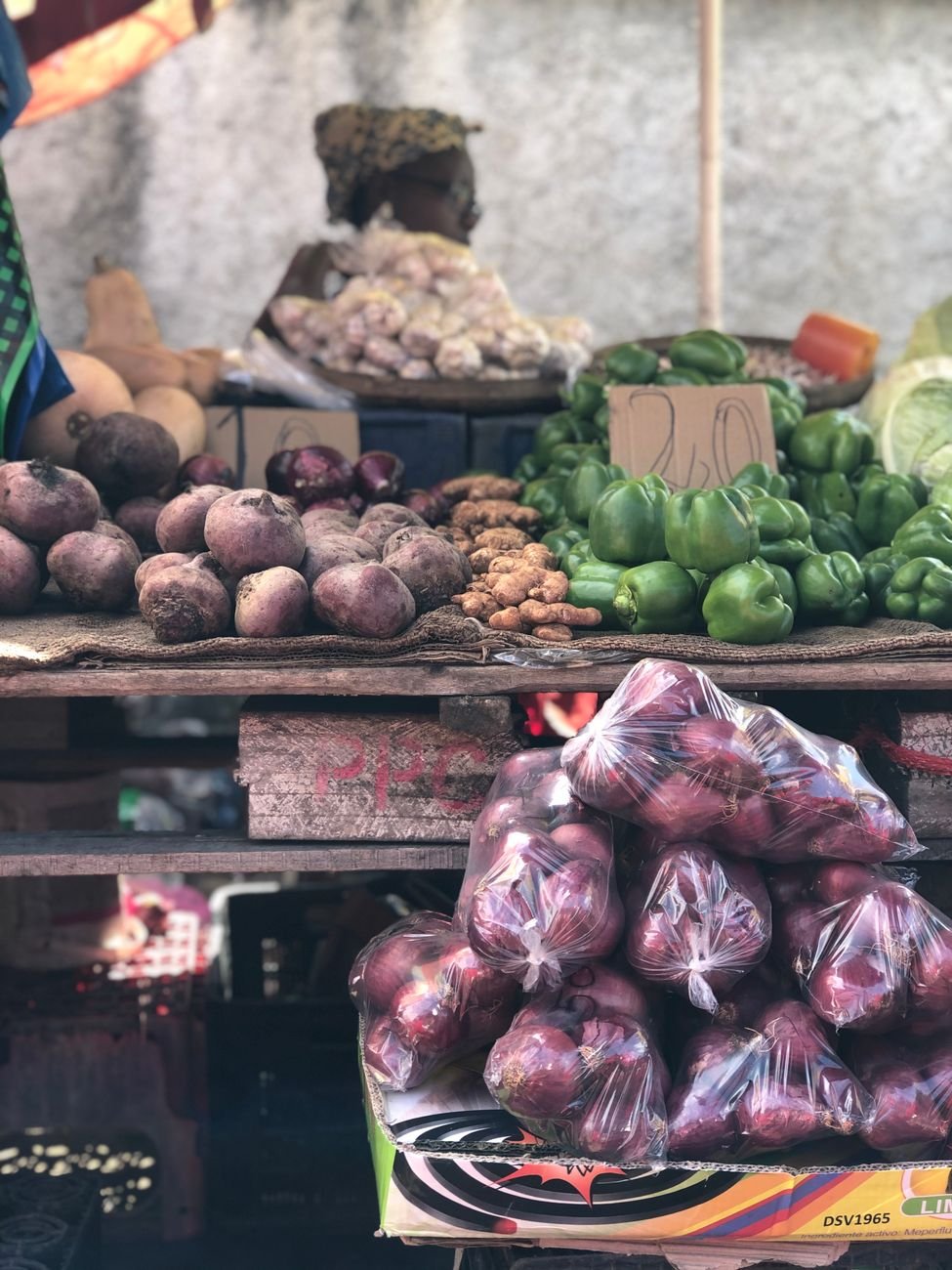
Harare’s food scene has changed considerably over the past five years. The city that once offered vegetarians little more than sadza and relish or a margherita pizza now has a handful of genuinely vegan-friendly spots, several health-focused cafés, and a growing number of mainstream restaurants where the plant-based options are thoughtfully constructed rather than an afterthought.
This guide focuses on what’s reliable, affordable, and accessible for visiting travellers. Zimbabwe’s cuisine is not traditionally plant-forward - sadza (maize porridge), meat, and dairy feature prominently in everyday cooking - but the urban middle class in Harare increasingly eats across a range of cuisines, and that diversity opens up real options for vegan visitors.
Dedicated Vegan and Plant-Based Spots
Shamba Harare
Shamba operates as both a health café and a small organic market in the Avenues neighbourhood, a short walk from most centrally located guesthouses and hotels. The kitchen produces a rotating menu of grain bowls, vegetable curries, raw salads, and smoothies. Most items are vegan by default; the few that include dairy are clearly marked. Prices run from approximately USD 5–10 for a main plate, which is mid-range by Harare standards.
The space is popular with expats and local professionals for weekend brunch, and can fill up quickly from 9am onwards on Saturdays. Weekday lunch is more relaxed.
The Larder
Located in the Borrowdale area (one of Harare’s more affluent northern suburbs), The Larder is a delicatessen and café that stocks a strong range of plant-based products alongside conventional items. The café serves made-to-order wraps, soups, and salads; the kitchen is willing to modify most items to remove dairy or eggs when asked. Expect to pay USD 8–15 for a light lunch. Borrowdale is not walkable from central Harare - you’ll need a ride-share or taxi, roughly USD 5–8 each way from the Avenues area.
Café Nush
A newer addition to the Avenues café scene, Café Nush positions itself explicitly as a health-focused kitchen. The breakfast and brunch menu includes açai bowls, avocado toast (Zimbabwe produces excellent avocados), and fruit smoothies. Lunch pivots to grain salads and warm vegetable dishes. Fully vegan items are clearly labelled. Prices are similar to Shamba - USD 5–10 for most dishes.
Mainstream Restaurants with Strong Vegan Options
Indian Restaurants
Harare has a solid Indian restaurant scene, a legacy of the sizeable Indian-origin community that has been part of Zimbabwean society for generations. Indian vegetarian cuisine translates naturally to vegan cooking with minor modifications (ask for dishes made without ghee or paneer). Several restaurants in the Newlands and Avenues areas serve reliable dhal, chana masala, aloo gobi, and mixed vegetable curries. Meals typically cost USD 10–18 per person with rice and bread.
Lebanese and Mediterranean Options
A small cluster of Lebanese and Mediterranean restaurants in the Borrowdale and Highlands areas serve mezze platters that are largely plant-based by default: hummus, baba ganoush, tabbouleh, falafel, olives, and stuffed vine leaves. Confirm that the hummus is made without dairy additions (some local versions add yoghurt). A mezze spread for two runs to approximately USD 25–40.
Supermarket and Self-Catering
For budget-conscious travellers or those staying in self-catering accommodation, Harare’s larger supermarket chains (OK Zimbabwe, Pick n Pay, Spar) stock plant-based staples reliably:
- Legumes (dried and canned): chickpeas, lentils, kidney beans, black-eyed peas
- Fresh produce: Zimbabwe’s agricultural sector means fresh vegetables and fruit are generally excellent and affordable
- Tofu: available at larger Pick n Pay branches and health stores
- Oat and soy milk: stocked at larger Pick n Pay and some specialist health shops
Avocados, leafy greens, tomatoes, sweet potatoes, and cassava are all widely available and inexpensive. A day’s self-catered eating costs well under USD 10 per person.
Navigating Restaurants as a Vegan Visitor
A few practical notes for eating vegan in Harare:
Be specific about your requirements. “Vegetarian” is not always understood to exclude eggs and dairy in Zimbabwe. Saying “no meat, no fish, no eggs, no milk or cheese, no butter” avoids ambiguity. Most restaurants will accommodate specific requests without difficulty.
Sadza with vegetable relish is a reliable fallback. Available at almost every local restaurant and market stall, sadza with a vegetable or bean relish (mufushwa, muriwo, or a simple tomato-onion sauce) is accidentally vegan and filling. Street food stalls typically charge less than USD 2 for a generous portion.
Check cooking oils. Some local kitchens use lard or beef dripping for frying. Asking specifically about cooking oil is worthwhile at traditional Zimbabwean restaurants.
For a broader look at Zimbabwe’s food culture including traditional plant-based dishes, see our traditional Zimbabwean cuisine guide and our vegetarian food in Zimbabwe overview.
Join a Guided Food Tour of Harare
Harare’s food tour scene has grown meaningfully in recent years, and several operators now run half-day culinary walks that can be adapted for vegan participants. A typical tour covers the Mbare Musika market (the biggest traditional market in Harare), a neighbourhood sadza lunch at one of the city’s best local restaurants, and a stop at a Borrowdale café for coffee and snacks. Guides who know the Harare food scene can steer vegan visitors directly to the right vendors at Mbare - the muriwo sellers, the roasted groundnut stalls, the fresh juice vendors - and away from the stalls where cooking fat or stock makes things complicated. Communicate your dietary requirements when booking; the best operators are used to it. Browse Harare food and cultural tours for options in 2026.
Getting Around Harare
Most of the restaurants above are spread across the Avenues, Borrowdale, and Highlands neighbourhoods. Harare has no reliable public transit for tourists - the minibus system (kombis) is local-knowledge territory and not recommended for navigation without local guidance. Use Vaya Africa (Zimbabwe’s primary ride-share app) or negotiate a fixed rate with a local taxi driver for a half-day of restaurant exploration. Budget approximately USD 15–25 for a day of in-city transport.