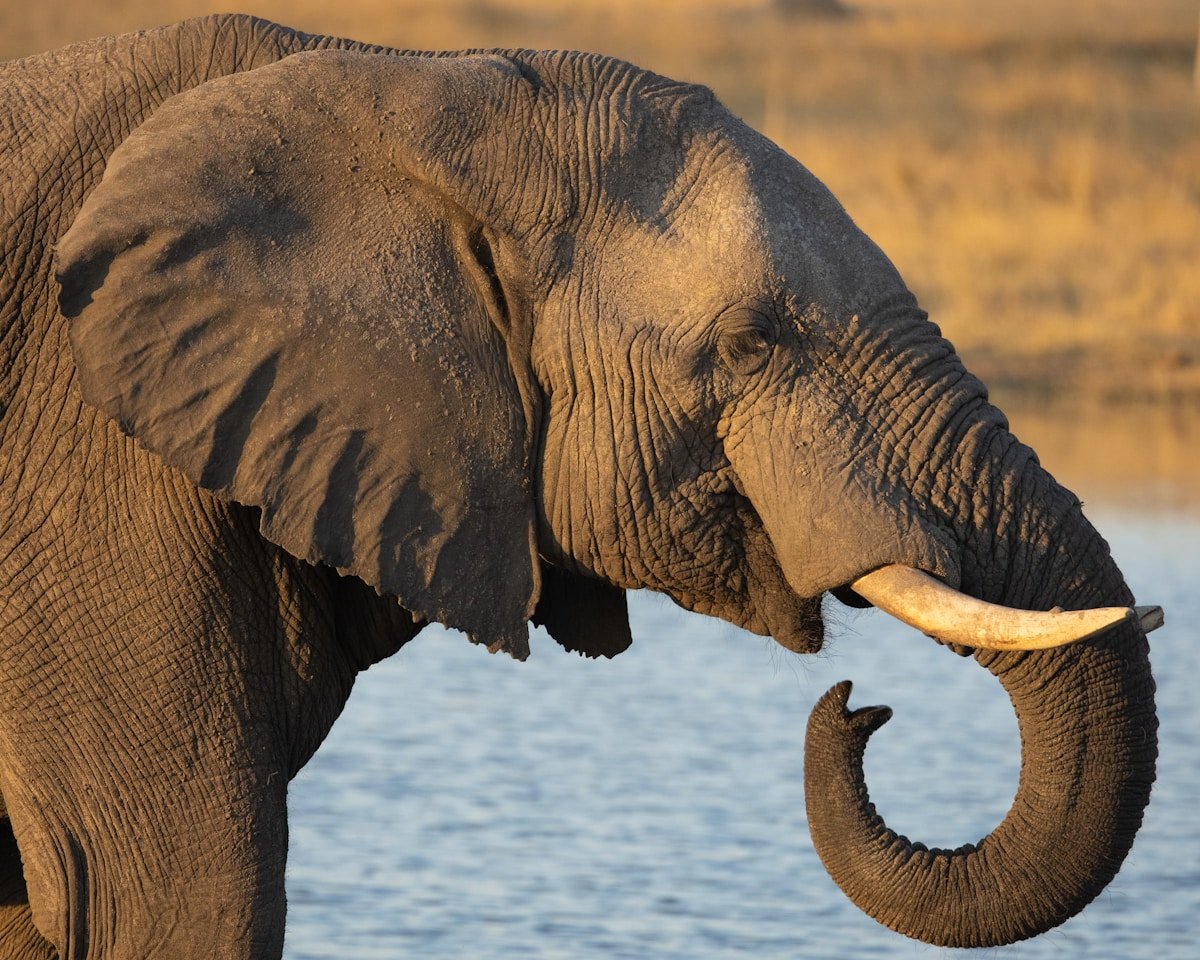
Hwange National Park is Zimbabwe’s largest wildlife reserve and one of the great safari destinations in Africa. Covering more than 14,600 square kilometres of mopane woodland, mixed bushveld, and vast open pans, it protects the largest elephant population on the continent - estimates range from 45,000 to 50,000 animals. That number alone makes Hwange something extraordinary. Add lions, wild dogs, sable antelope, and over 400 bird species, and you have a park that rewards every kind of wildlife traveller.
Why Hwange Stands Apart
Most safari destinations in southern Africa spread their wildlife thinly across large areas. Hwange concentrates it. The reason is water. The park has almost no natural surface water, so Zimbabwe Parks Authority and private camps have installed around 60 pumped water holes across the reserve. Every creature - from elephant to painted wolf - depends on these points for survival, and they draw wildlife in numbers rarely seen elsewhere.
During peak dry season (September and October), a single water hole can host hundreds of elephants arriving in successive waves from dawn to dusk. Watching bulls test each other, matriarchs shepherd calves, and young males play-fight at the water’s edge is one of the most moving spectacles in African wildlife.
The Big Five in Hwange
Elephant - Hwange’s defining animal. You will see them in groups of every size, from lone bulls to family herds of 40 or more. They approach camps and water holes without alarm, allowing exceptional close-range observation.
Lion - Hwange holds healthy prides, and the open pans of the eastern section offer some of the best lion viewing in Zimbabwe. Predator drives at dawn and dusk are the most reliable method; the Linkwasha/Little Makalolo area is consistently productive.
Leopard - More elusive but present throughout the park, particularly in riverine corridors and rocky outcrops. Night drives increase your chances significantly.
Buffalo - Large herds graze the pans and seasonal grasslands. During dry season, buffalo are regularly seen at water holes alongside elephant, providing extraordinary mixed-species scenes.
Rhino - Both white and black rhino are present in Hwange, though numbers remain small and sightings are not guaranteed. The Intensive Protection Zone near Sinamatella offers the best chances. Some private concessions with rhino have specific guided excursions.
Dry Season vs Wet Season
Dry Season (May–October)
This is peak safari season and the time most visitors choose. Advantages include:
- Wildlife concentrated at water holes due to surface water scarcity
- Sparse vegetation makes animals easier to spot
- Lower malaria risk as mosquitoes are less active
- Cool, comfortable temperatures from May to August (dropping to near freezing at night in June and July)
- September and October see dramatic elephant gatherings
The trade-off is crowds - popular camps fill early, and popular water holes can attract multiple vehicles. Book six to twelve months ahead for the peak July–October window.
Wet Season (November–April)
The wet season transforms Hwange. Green vegetation, full pans, and newborn animals give the park a completely different character. Birding is exceptional - migratory species arrive from November, and resident birds are in breeding plumage.
Wildlife is harder to find as animals disperse widely with surface water available everywhere, but sightings can feel more authentic with fewer visitors around. Rates drop substantially and camps that remain open offer significant value.
Game Drive Strategy
Timing
Morning drives (leaving camp at first light, around 5:30am) are non-negotiable for predator activity. Lions and wild dogs are most active in the early hours. Evening drives overlap with golden-hour light and water hole arrivals, often producing the most dramatic photographs.
Midday game drives are generally slower, but this is when elephant gather most densely at pumped water holes - the heat pushes them to drink repeatedly.
Water Hole Hides
Several camps and National Parks sites have elevated hides overlooking active water holes. Nyamandhlovu Pan hide near Main Camp is iconic - you can sit for hours watching elephant, buffalo, zebra, and giraffe cycle through. Nehimba, Ngweshla, and Tshompani are other notable hides worth building into an itinerary.
Walking Safaris
Hwange permits walking safaris with licensed guides. Walks emphasise tracking skills, plant identification, and insect life rather than high-speed mammal viewing - the pace is completely different from a vehicle drive and gives a more textured understanding of the ecosystem. Most private camps offer morning walks as part of their activity programme.
Camp Options
National Parks Camps (Self-Drive)
Main Camp sits in the eastern section near the majority of pumped water holes. Self-catering chalets and camping sites are available from approximately USD 15 per person per night (camping) to USD 45 per chalet as of 2026. The nearby Nyamandhlovu Pan Hide is one of Africa’s best. Book through the Zimbabwe Parks booking office in Harare or on-site.
Sinamatella Camp is set on a hillside in the northwestern section with panoramic views over the mopane. Quieter than Main Camp, with good rhino habitat nearby. Accommodation from approximately USD 45 per chalet.
Robins Camp in the north serves as a base for the remote Dete Vlei area.
Mid-Range Lodges
Camelthorn Lodge near Hwange town offers comfortable thatched rooms from approximately USD 180 per person per night including game drives on a 6,000-hectare private concession bordering the national park.
Ivory Lodge provides similar standards with strong lion sightings on its concession.
Luxury Camps (Private Concessions)
Linkwasha Camp (Wilderness Safaris) occupies a private concession inside Hwange’s southern section, overlapping what many guides consider the park’s richest game area. Rates from approximately USD 700–900 per person per night (fully inclusive) as of 2026.
Little Makalolo is sister camp to Linkwasha - smaller, more intimate, equally productive. Advance booking of 12 months is standard for peak season.
Somalisa Camp (African Bush Camps) in the Hwange ecosystem offers exceptional elephant encounters at its water hole. From approximately USD 550–750 per person per night as of 2026. For a broader range of accommodation options in and around Hwange, search hotels on Booking.com to compare properties from Hwange town to the park edge.
Getting There
By road from Victoria Falls: 280km (3–4 hours). The tarred road is in reasonable condition. Self-drivers should depart early and carry extra water and a spare tyre.
By road from Bulawayo: 325km (3.5–4 hours) along the tarred Bulawayo–Victoria Falls highway.
By air: Most private camps have their own airstrips with scheduled transfers from Victoria Falls (20 minutes) and Harare (1.5 hours via chartered aircraft). Confirm air transfer arrangements at booking.
By train: The overnight Victoria Falls–Bulawayo train stops at Dete, the nearest station to Main Camp (around 25km). This option suits adventurous budget travellers but requires onward transport.
Practical Notes
- Entry fees (as of 2026): approximately USD 20 per person per day for international visitors, payable at park entry gates. Vehicle entry is approximately USD 5 per day.
- Vehicle requirement: A high-clearance 4x4 is strongly recommended for self-drive, particularly in the wet season. Most roads are graded but sandy sections require some ground clearance.
- Fuel: Fill up in Victoria Falls or Hwange town before entering the park. No fuel is available inside.
- Malaria prophylaxis: Hwange is a malaria area. Consult a travel health clinic before departure and take recommended precautions.
- Insurance: Arrange travel insurance for Zimbabwe before departure - Hwange’s remote camps make medical evacuation cover essential, and many standard policies exclude safari-related incidents.
For more on Victoria Falls as a base, see our Victoria Falls guide. If you’re combining Hwange with other parks, our Big Five guide covers where each species is most reliably found across Zimbabwe. You can browse and book Hwange National Park tours on GetYourGuide to compare guided safari options with different operators before you commit.
Hwange rewards patience. Spend at least three nights - ideally five or more - to absorb what the park offers. The water holes rarely disappoint, and the elephants of Hwange, once seen in their thousands at dusk, are not easily forgotten.