Gonarezhou - “Place of Elephants” in Shona - is Zimbabwe’s second-largest national park at 5,053 square kilometres, yet it receives only a fraction of Hwange’s visitor numbers. This is a park for those who seek something genuinely wild: no permanent artificial waterholes, minimal tourist infrastructure, sandy tracks that demand serious 4WD vehicles, and an ecosystem shared with Mozambique’s Limpopo National Park and South Africa’s Kruger as part of the Great Limpopo Transfrontier Conservation Area. The rewards for the effort are proportionate: vast herds of tuskered elephants, rare bird species, riverine wilderness, and some of southern Africa’s most dramatic geological scenery.
The Chilojo Cliffs
The Chilojo Cliffs are Gonarezhou’s signature landscape - red and orange sandstone bluffs rising 60–90 metres above the southern bank of the Runde River. The cliffs stretch for approximately 10km and glow deep ochre in morning and evening light. Vegetation clings to crevices in the sandstone, and elephants path the sandy riverbanks below, their grey flanks contrasting with the red rock. Baobab trees grow from the cliff face. It is one of the most photographically arresting landscapes in southern Africa.
The best viewpoint is from the Chilojo viewpoint platform, reachable by 4WD from Chipinda Pools gate (approximately 40km on a sandy track, 1.5–2 hours). The viewpoint looks directly down the bend of the Runde River with the cliffs on the far bank. Sunrise is spectacular; late afternoon offers the deepest red on the sandstone.
Swimming in the Runde River is not recommended - the river supports a significant crocodile population, including some very large Nile crocodiles.
Elephant Herds
Gonarezhou’s elephant population is estimated at 11,000–13,000 animals, and the park contains some of the few remaining elephants in Africa with large natural tusks - a result of low poaching pressure and the remote location. During the dry season, herds of 100–200 elephants congregate along the Runde and Save rivers and at natural pans. The Bulls Group - a famous aggregation of large-tusked bulls - has been tracked by researchers for decades and is occasionally encountered in the Chipinda Pools area.
Encounters with elephants in Gonarezhou can be intense. The park’s elephants have a historical wariness of humans following poaching in the 1970s and 1980s, and some bulls are known to mock-charge. A qualified guide is strongly recommended for any on-foot activity.
Self-Drive vs Guided Safari
Self-drive: The Chipinda Pools section in the north and the Mabalauta section in the south are both open to self-drive visitors with 4WD vehicles. The track between sections (through the Swimuwini area) requires advance permission from park management. A solid pre-trip preparation list:
- Minimum high-clearance 4WD with low-range gearbox
- At least 60 litres of extra fuel (closest fuel is in Chiredzi, approximately 90km from Chipinda Pools)
- Minimum 20 litres of drinking water per day
- Satellite phone or personal locator beacon
- Full breakdown kit and two spare tyres
Self-drive gate fees as of 2026: USD 20 per person per day; USD 10 per vehicle. Camping at Chipinda Pools and Mabalauta camps from approximately USD 15 per person per night.
Guided safari: Singita Pamushana Lodge (from approximately USD 1,650 per person per night, all-inclusive) is Gonarezhou’s only dedicated luxury lodge, operating on a private 130,000-hectare wildlife reserve adjacent to the park’s western boundary. Singita’s game-drive vehicles and experienced rangers access areas unavailable to self-drivers, and the lodge’s conservation focus - including work with local communities on wildlife corridor maintenance - is exceptional. Activities include game drives, bush walks, canoeing on the Mutirikwe Dam, and sleep-out platforms in the bush.
Great Plains Conservation’s mobile camp operations also enter Gonarezhou periodically - check their seasonal schedules for a more affordable high-quality guided option.
Browse Gonarezhou safari tours on GetYourGuide for current operator availability and seasonal schedules.
Wildlife Beyond Elephants
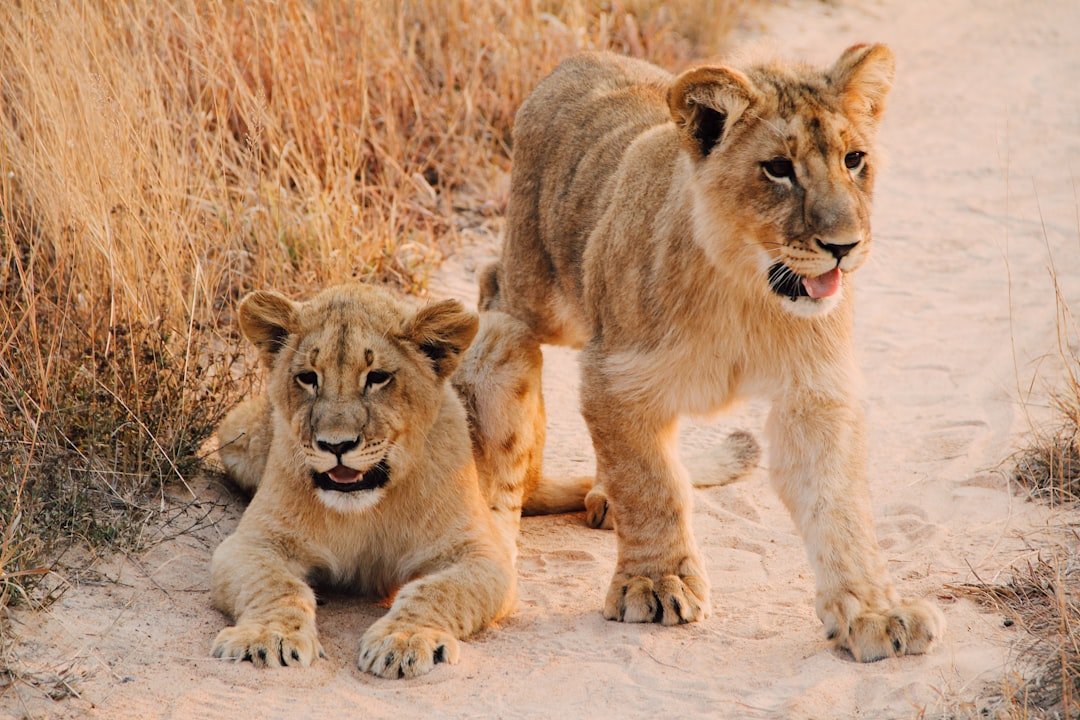
Gonarezhou supports all of Zimbabwe’s major predators: lion, leopard, African wild dog (the southern section has one of Zimbabwe’s healthiest packs), spotted hyena, and cheetah. The park also holds nyala (a beautiful, spiral-horned antelope rarely seen further north), Sharpe’s grysbok, and the Limpopo region’s distinctive race of impala. Birdwatchers target Gonarezhou for Pel’s fishing owl along the Runde River, Lilian’s lovebird, and the rare Dickinson’s kestrel.
The park’s waterways - Runde, Save, and Mwenezi rivers - are important for hippo and crocodile and attract remarkable concentrations of wading birds during the dry season.
Getting There
Gonarezhou is remote by design. Chipinda Pools gate (the main northern entrance) is 570km from Harare (approximately 6–7 hours on the A4 highway to Masvingo, then south on the A9 toward Chiredzi and east on dirt roads). From Masvingo it is approximately 200km/3 hours - Masvingo accommodation on Booking.com is a useful overnight option, and the Great Zimbabwe Monument tour makes a worthwhile half-day stop on the route south. From Chiredzi town (the nearest fuel and supplies), it is approximately 90km on a mix of tar and dirt road.
There is no scheduled public transport to the park. Self-drivers should fill both fuel tank and jerry cans in Chiredzi. The nearest town with ATMs and supplies is Chiredzi - stock up thoroughly before entering.
The drive from Bulawayo via the Save Valley Conservancy route takes approximately 5–6 hours; this route offers the possibility of encountering additional wildlife en route.
Best Time to Visit
July to October - dry season peak. Animals concentrate at rivers, tracks are dry, and the Chilojo Cliffs are accessible. September and October are hot (32–38°C) but offer the most dramatic wildlife concentrations.
November to April - wet season. Many tracks flood and become impassable. Self-drive is challenging; this season suits only very experienced bush travellers in well-equipped vehicles. Birdlife is exceptional. Some operators close during the wet season.