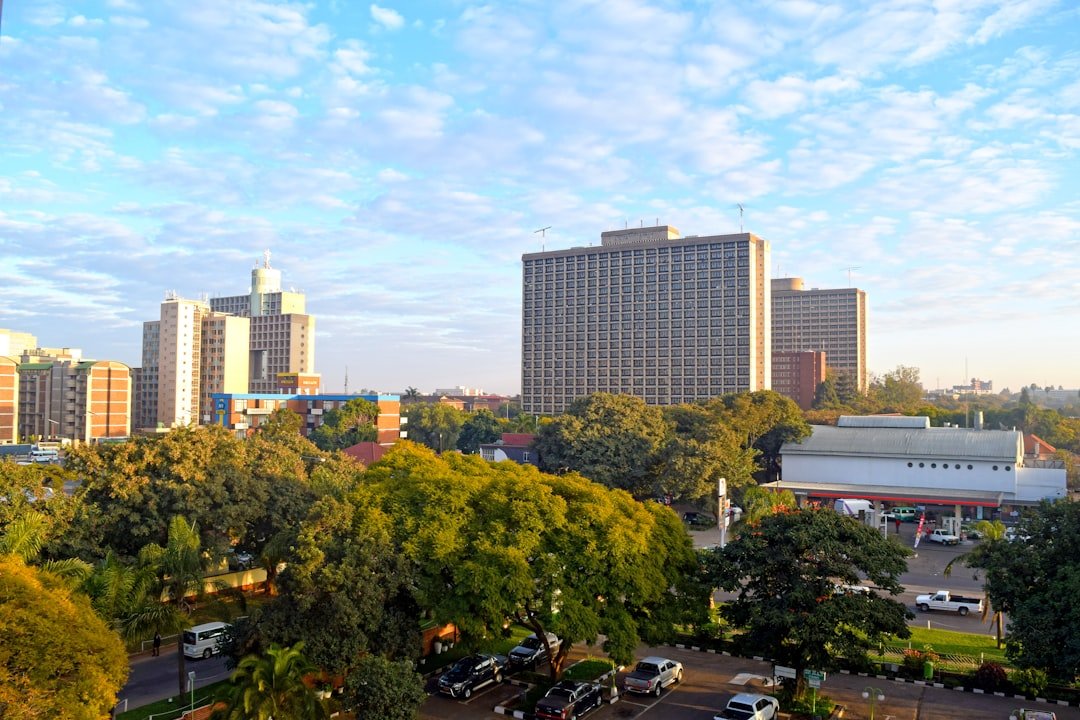
Zimbabwe has two cities that most travellers encounter: Harare, the capital, and Bulawayo, the second city in the southwest. They’re 440 km apart and serve very different functions in a Zimbabwe itinerary. Harare is the country’s commercial hub and international gateway; Bulawayo is the base for exploring Zimbabwe’s best national parks and carries a slower, more colonial atmosphere. Understanding the difference saves you from spending too many nights in the wrong city.
Quick Comparison
| Harare | Bulawayo | |
|---|---|---|
| Population | Approx 2.1 million | Approx 700,000 |
| International flights | Yes (direct from Johannesburg, London, Nairobi, Dubai) | Limited (connections via Harare or Jo’burg) |
| Distance to Hwange | 705 km | 350 km |
| Distance to Matobo Hills | 500 km | 35 km |
| Distance to Victoria Falls | 880 km | 440 km |
| General pace | Busy, congested | Relaxed, walkable |
Infrastructure and Practicalities
Harare is where most international visitors land. Robert Gabriel Mugabe International Airport has flights from Johannesburg (2 hours), London Heathrow (11 hours via Harare), Nairobi, Dubai, and other regional hubs. Pre-booked private airport transfers in Harare are available for a fixed rate. The city has a working ATM network, reliable fuel availability, major supermarkets, and private hospitals. Internet connectivity is significantly better in Harare than elsewhere in the country. If you’re entering Zimbabwe overland from Zambia, Mozambique, or Botswana, you’ll likely still pass through Harare at some point for logistics.
Bulawayo has a small airport (BUQ) with daily flights from Harare (1 hour, approximately USD 80 to USD 120 return) and some connections from Johannesburg. The train from Harare to Bulawayo is a well-known, if slow (14 hours overnight), budget option. For intercity bus and coach routes, compare prices on Omio. The city is compact and walkable - the CBD is a grid of wide colonial streets laid out by Cecil Rhodes, with a 10-metre verge between building lines and road that was supposedly wide enough to turn a full ox wagon.
Winner for infrastructure and international access: Harare.
Accommodation
For dedicated accommodation guides, see Where to Stay in Harare and Where to Stay in Bulawayo.
Harare has the widest range of accommodation. Budget guesthouses in Avondale and Borrowdale from USD 25 to USD 60 per night. Mid-range hotels like Rainbow Towers Hotel from USD 90 to USD 150 per night. Business hotels like Hyatt Regency Harare The Meikles charge approximately USD 150 to USD 250 per night. Luxury options include Amanzi Lodge and private villas in the northern suburbs.
Bulawayo is more limited but adequate for most stays. The Bulawayo Club (a restored colonial landmark) charges from USD 80 to USD 120 per night. Holiday Inn Bulawayo runs USD 90 to USD 140 per night. Budget guesthouses near the Matobo Hills and in the residential suburbs charge USD 30 to USD 60 per night. There’s nothing at the true luxury end within the city itself, though bush lodges in nearby Matobo Hills fill that gap from USD 200 per night.
Winner for accommodation variety: Harare.
Food and Nightlife
Harare has Zimbabwe’s best restaurant scene, concentrated in the northern suburbs of Avondale and Borrowdale. Amanzi Lodge restaurant in Avondale is one of the country’s most consistently rated for fine dining, with mains from USD 15 to USD 35. The Sam Levy’s Village complex has a range of cafes and restaurants. Supermarkets stock a wide range of imported goods. The nightlife is concentrated around the same northern suburb area - bars, live music venues, and clubs that operate Thursday through Saturday.
Bulawayo has fewer restaurants but a genuine local food culture. The city’s food market on Robert Mugabe Way sells roasted corn, matemba (dried fish), sadza (maize porridge), and street food from USD 1 to USD 3. Several Chinese-run restaurants and mid-range local spots serve meals for USD 8 to USD 18. The Bulawayo Club restaurant does solid meals in historic surroundings. The nightlife is quieter and smaller-scale than Harare.
Winner for food and nightlife: Harare.
What to Do
Harare has enough to fill 2 to 3 days. The National Gallery of Zimbabwe has one of the best collections of Shona sculpture in the world - entry costs USD 5. The Harare Gardens are a pleasant green space in the city centre. The craft markets in the city, particularly the Avondale Flea Market on weekends, are good for buying Zimbabwean stone sculptures, wooden carvings, and textiles. Mbare Market is one of Zimbabwe’s largest and most chaotic informal markets, worth visiting with a guide. Day trips to Lake Chivero (40 km from the city) offer white rhino tracking and birdwatching. Guided Harare city tours on GetYourGuide cover the gallery circuit, craft markets, and cultural sites with a local guide. Browse all Harare tours and day trips for the full range of activities.
Bulawayo is primarily a gateway city, but it has more historical depth than most visitors expect. The Natural History Museum of Zimbabwe is one of the best natural history museums in southern Africa - entry is USD 5, and the taxidermy collection includes some remarkable specimens including a blue whale skeleton. The Bulawayo Railway Museum documents the history of the country’s rail network with an impressive collection of vintage locomotives. The suburb of Hillside has a small dams nature walk popular with birdwatchers.
The real reason to base in Bulawayo is the access it provides. Matobo Hills National Park is 35 km south - a landscape of massive granite boulders, rock paintings, and the white rhino sanctuary where tracking rhino on foot is one of Zimbabwe’s best wildlife experiences (USD 30 to USD 50 per person). Book a Matobo Hills rhino tracking day trip on GetYourGuide or the Matobo white rhino experience for a longer tracking session. Hwange National Park is 350 km northwest (4 to 5 hours drive) - car hire in Zimbabwe is the most flexible option for reaching the park from Bulawayo. The Great Zimbabwe ruins near Masvingo are 290 km east. No other Zimbabwean city has this concentration of major sights within reasonable driving distance. Browse Bulawayo tours and day trips for guided excursions to Matobo, Hwange, and Great Zimbabwe.
Winner for day trips and access to national parks: Bulawayo.
Budget
Both cities have similar price levels for accommodation and food. Harare is marginally more expensive because it has more international-standard options that price in USD. Day trips from Bulawayo to Matobo Hills add USD 30 to USD 60 per person for a half-day guided excursion.
Winner for budget: Broadly equal, with Harare slightly more expensive at the upper end.
Who Should Spend More Time in Harare
- Visitors arriving or departing via international flight
- Those doing business in Zimbabwe who need reliable connectivity and banking
- Travellers on 2 to 3 day layovers who want a city experience rather than bush or parks
- Anyone who specifically wants to buy Shona sculpture or high-quality crafts with better choice than elsewhere
Who Should Spend More Time in Bulawayo
- Travellers focused on national parks - Hwange, Matobo Hills, and Great Zimbabwe are all within a day’s drive
- Anyone specifically wanting to see white rhinos on foot - Matobo Hills is the only place in Zimbabwe where this is widely available
- Visitors who want to experience a less touristy, more authentically local Zimbabwean city
- Those arriving overland from Botswana or South Africa
Verdict
Most visitors should fly into Harare, spend 1 to 2 nights, and then fly or drive to Bulawayo to use as a base. Harare is necessary for arrival logistics and offers a worthwhile cultural stop, but it’s not the heart of what makes Zimbabwe worth visiting. Bulawayo’s proximity to Matobo Hills alone makes it the more rewarding base for most travellers - and its position as a launching point for both Victoria Falls and Hwange makes it the strategic centre of any southern Zimbabwe itinerary. Harare wins for urban infrastructure; Bulawayo wins for what it gives you access to.