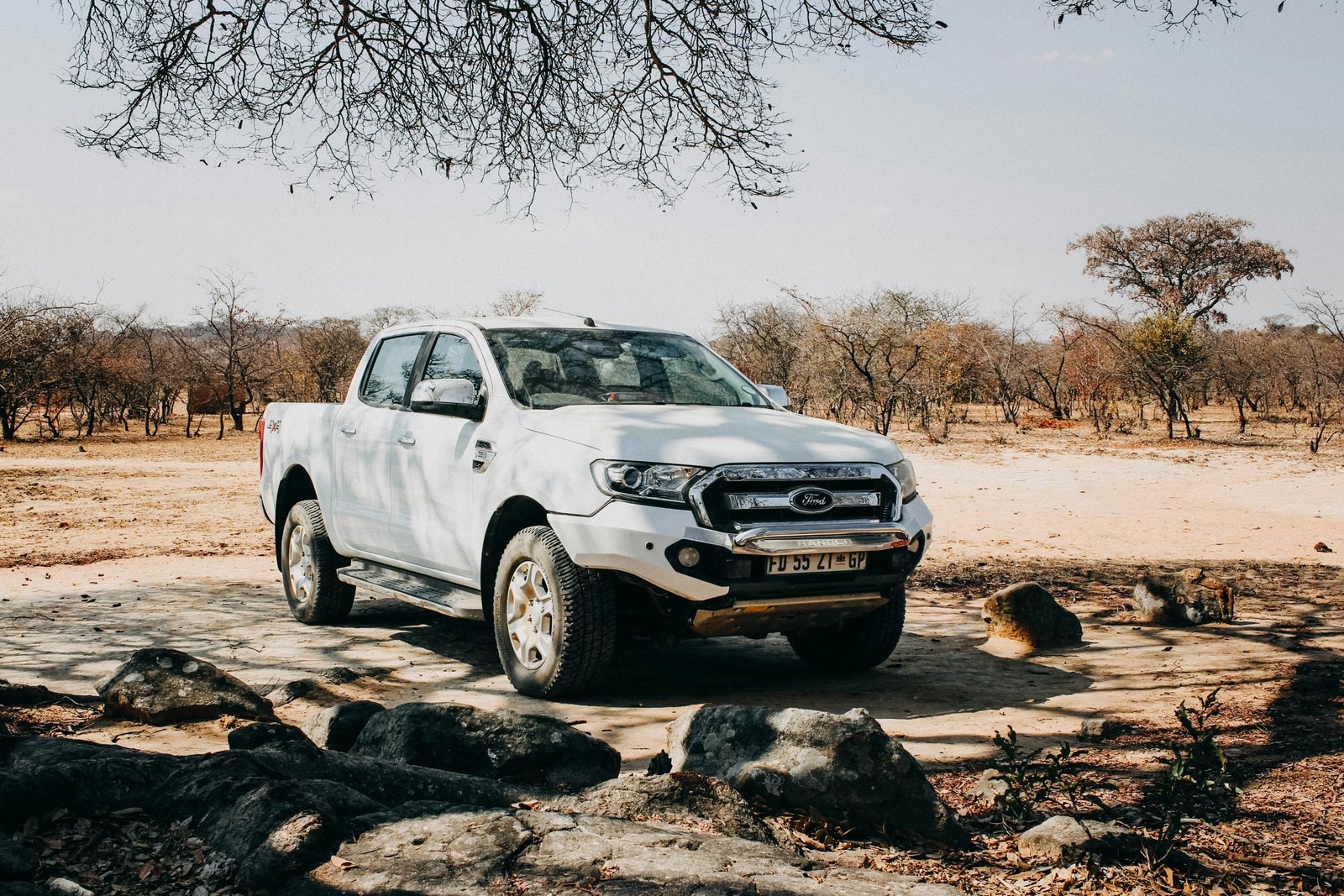
Self-driving Zimbabwe is genuinely rewarding. The main trunk roads are in reasonable condition, distances between key destinations are manageable, and the relative lack of traffic means you can cover ground at your own pace. That said, this is not a European road trip - preparation matters, particularly if you plan to venture beyond the tarmac into national parks or the Zambezi Valley.
Is Self-Driving Zimbabwe a Good Idea?
For the main tourist circuit - Harare, Bulawayo, Matobo Hills, Great Zimbabwe, and Victoria Falls - a standard 4x4 or high-clearance vehicle is perfectly adequate. The A5 highway between Harare and Victoria Falls passes through Hwange National Park en route, and a short detour into Hwange Main Camp is doable in a standard hire car.
For Mana Pools, Lower Zambezi access roads, or remote parts of Hwange, a serious 4x4 with good ground clearance and ideally a high-lift jack is necessary. River crossings and sandy tracks are common.
Solo self-driving into national parks works well in Zimbabwe - unlike some other African countries, there are no strict requirements to hire a guide for your own vehicle in most parks.
Driving Licence and Age Requirements
Zimbabwe drives on the left-hand side of the road. Your national driving licence is valid for visits of up to 90 days, but most rental companies also require an International Driving Permit (IDP) as a backup document, particularly for older licences with no photo ID.
- Minimum age: Most car hire companies set the minimum at 23–25 years, with surcharges sometimes applying for drivers under 25.
- IDP: Obtain one from your national motoring organisation before travel (cost typically GBP 5–20 in the UK, USD 20 in the US).
- Licence validity: Foreign licences should ideally be in English or carry a certified translation.
Car Rental Companies in Zimbabwe
The rental market in Zimbabwe is smaller than in South Africa, and availability of vehicles - particularly well-maintained 4x4s - can be tight during peak season (July–September). Booking at least 2–3 months ahead is advisable.
GetRentACar aggregates vehicles from multiple local and international operators across Harare and Victoria Falls, which is useful for comparing rates and finding availability. Rates via aggregator platforms typically run from approximately USD 60–90 per day for a standard 4x4 like a Toyota Hilux or Ford Ranger, and USD 100–180 per day for a fully-equipped overlanding 4x4 with recovery gear.
Avis Zimbabwe operates from Harare Robert Gabriel Mugabe International Airport and downtown Harare. Reliable for airport pick-up, though the fleet leans towards saloons and mid-size SUVs rather than heavy-duty off-road vehicles.
Europcar Zimbabwe also operates at Harare Airport with a mix of economy cars, SUVs, and light 4x4s. Better suited to in-city use or highway driving than serious off-road work.
Local specialist operators (ask your accommodation for recommendations) often have better-equipped overlanding vehicles, roof tents, and camping setups for multi-day self-drive safaris into Hwange or Mana Pools. These can represent better value than international brands for serious off-road hire.
Fuel and Road Conditions
Fuel (petrol and diesel) is available in major towns - Harare, Bulawayo, Gweru, Mutare, Masvingo, and Victoria Falls all have multiple filling stations. Always fill up when you can in smaller towns or before entering national parks. Inside Hwange and Mana Pools, fuel is either unavailable or very limited.
Road conditions vary considerably:
- A-roads (main tarmac): Generally passable, though potholes and damaged sections are common. Drive conservatively and avoid night driving on unfamiliar routes.
- B-roads and park roads: Often gravel or dirt, requiring higher ground clearance. Some sections become impassable in the wet season (November–March).
- Remote tracks: 4x4 only, ideally with recovery equipment.
There is no road toll system as in South Africa. Police roadblocks are common - carry your driving licence, vehicle documents, and passport at all times. Officers are generally polite but thorough.
Key Self-Drive Routes
Harare → Great Zimbabwe → Bulawayo (A4/A9) A classic route running about 440 km along the southern plateau. Great Zimbabwe ruins sit just outside Masvingo and are a full half-day stop. Bulawayo adds another 300 km. Allow 2 days including sightseeing. Road condition: mostly tarmac, manageable in any car.
Bulawayo → Matobo National Park → Victoria Falls (A8/A5) The drive from Bulawayo to Matobo Hills takes around 30 minutes. Victoria Falls is then approximately 430 km north-west along the A8 and A5, passing through Hwange. Allow a full day, or ideally two with a night at Hwange Main Camp. Road condition: mostly tarmac; one gravel section through Hwange.
Harare → Kariba (A1/B2) Approximately 370 km and 4–5 hours, heading north via Chinhoyi. The road narrows and deteriorates north of Makuti; a 4x4 or high-clearance vehicle is recommended for the final descent to Kariba town.
Victoria Falls → Hwange Game Reserve Main Camp Only about 100 km along the A8, then turning off toward Main Camp. A standard SUV or 4x4 handles this easily. The main camp area has a waterpan viewed from a hide and is excellent for self-drive day visitors.
Harare → Nyanga (Eastern Highlands) About 270 km north-east along the A14. The Eastern Highlands roads wind through mountain terrain; a standard car is fine but allow extra time. Some tracks into the national park require higher clearance.
Costs and What to Budget
As of 2026, rough cost estimates for self-driving Zimbabwe:
| Item | Approximate Cost |
|---|---|
| Standard 4x4 hire (Toyota Hilux/Ford Ranger) | USD 60–90 per day |
| Equipped overlanding 4x4 | USD 100–180 per day |
| Fuel (petrol/diesel per litre) | USD 1.30–1.80 as of 2026 |
| Hwange National Park day entry | USD 15–20 per person |
| Mana Pools entry | USD 15–25 per person |
| Campsite in national park | USD 15–25 per site |
Most rental companies include basic third-party insurance but exclude full comprehensive cover - check the excess (collision damage waiver) carefully before signing. In a country where road conditions are unpredictable, a lower excess is worth paying for.
Practical Tips for Renting in Zimbabwe
- Book early in peak season. Well-maintained 4x4s sell out. If you’re visiting July–September, lock in a vehicle 3–4 months ahead.
- Inspect the vehicle thoroughly before signing. Note every scratch, dent, and mechanical issue in writing. Take photos with timestamps.
- Carry cash in USD. Zimbabwe accepts US dollars widely, but card machines at rural filling stations and park gates are unreliable. Keep USD 200–400 in cash for contingencies.
- Download offline maps (Google Maps or Maps.me) for your route before you leave the city. Mobile signal disappears quickly outside urban areas.
- One-way hire between Harare and Victoria Falls is available with most operators but typically incurs a drop-off fee of USD 50–150. Still often cheaper than backtracking.
- Cross-border permissions: If you plan to cross into Zambia, Botswana, or South Africa with your hire car, confirm this in writing with the operator before departure. Additional paperwork and sometimes additional fees apply. Not all companies allow cross-border travel.
While planning your drive, it is worth lining up accommodation at the same time - search hotels in Zimbabwe on Booking.com for options along your route from Harare to Victoria Falls.
Plan Your Trip
✈️ Book your flights to Zimbabwe 🛡️ Get travel insurance 📱 Stay connected with an eSIM 🚗 Rent a car