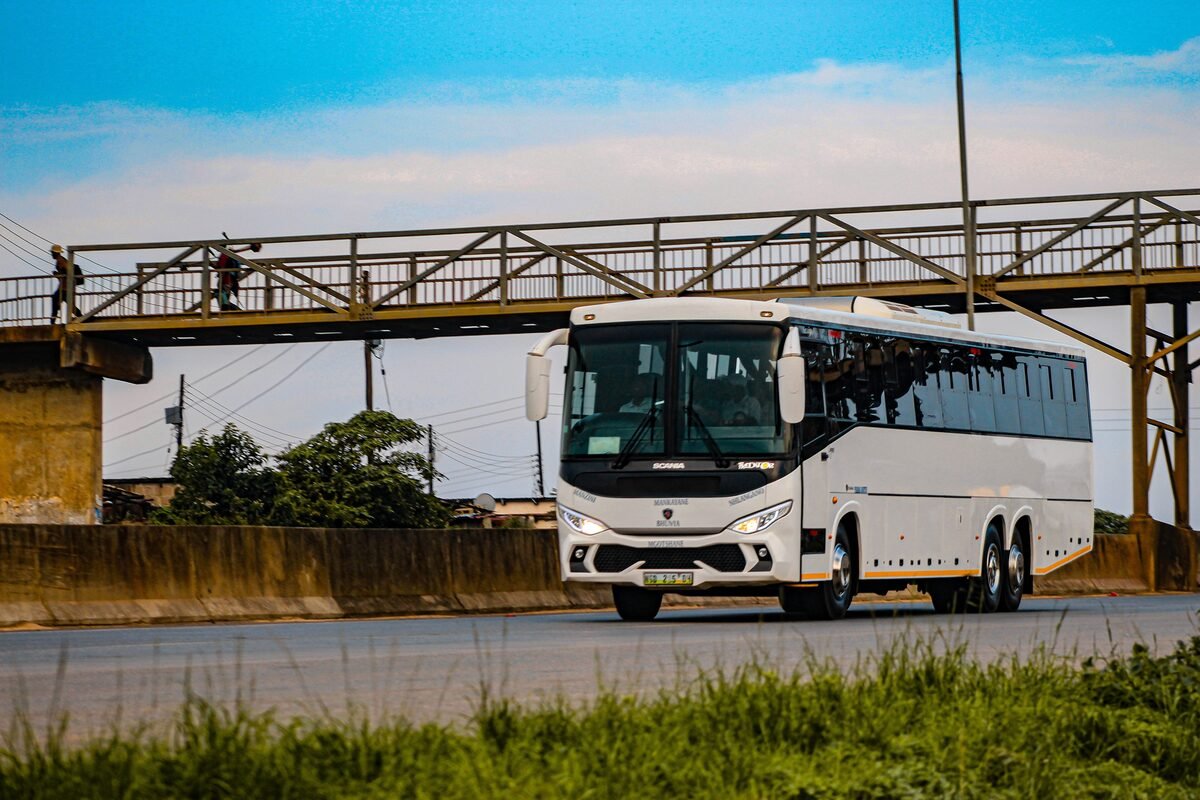
Zimbabwe’s main cities are well connected by long-distance coach, and for budget travellers a network of shared taxis and combis fills in the gaps. Domestic flights are a real time-saver on the longer routes. Here is a practical breakdown of every option, with current fares and honest assessments of what to expect.
Intercity Bus Routes
Long-distance coaches are the backbone of intercity travel in Zimbabwe. The main operators - Intercity Links, Eagle Liner, Citiliner, and the state-owned ZUPCO - run scheduled services between major cities. Tickets are sold at the bus terminus in each city and, for the larger operators, through agents and sometimes online in advance. Booking at least the day before is wise on busy routes, especially on Friday afternoons and Sunday evenings when city workers are travelling.
Harare to Bulawayo
Distance: approximately 440 km along the A5 highway. Journey time is typically 4.5 to 5.5 hours depending on the operator and stops.
Eagle Liner and Intercity Links run the most frequent services - usually four to six departures daily from early morning until early afternoon. Economy class fares run around USD 12–18 per seat; luxury-class seats with more legroom and onboard air conditioning cost USD 20–28. ZUPCO operates the same route at lower fares (sometimes as low as USD 8–10) but services are less punctual and vehicles older.
The A5 between Harare and Bulawayo is one of Zimbabwe’s best-maintained highways - a dual carriageway for large stretches - so journey times are reliable outside of peak travel periods.
Harare to Victoria Falls
Distance: approximately 875 km, making this one of the longest intercity routes in the country. Journey time ranges from 9 to 11 hours depending on how many stops the coach makes and traffic through Bulawayo, as most services call there.
Overnight departures are common: coaches typically leave Harare between 7 pm and 10 pm and arrive in Victoria Falls by dawn. Day services also run but are less common. Fares range from USD 25–35 economy to USD 40–50 for luxury-class. Eagle Liner and Citiliner are the most reliable operators on this route.
Luggage handling is generally straightforward on the named operators - your bags go in the hold and a claim ticket is issued. Keep valuables with you in the cabin.
Harare to Masvingo (Great Zimbabwe)
Distance: approximately 290 km along the A4. Journey time is around 3 to 3.5 hours. Multiple daily departures from Harare’s Mbare terminus. Fares run approximately USD 8–12. Masvingo is the jumping-off point for the Great Zimbabwe ruins - the town itself is 30 km from the monument, so you will need a taxi or combi for the final stretch.
Harare to Mutare (Eastern Highlands)
Distance: approximately 265 km east on the A3 through Rusape. Journey time is about 3 hours on a reasonably good road. Fares are around USD 8–12. Mutare is the gateway to Chimanimani and Nyanga, both of which require onward local transport.
Bulawayo to Victoria Falls
Distance: approximately 440 km along the A8 through Hwange. Journey time is 4.5 to 5.5 hours. Fares are similar to the Harare–Bulawayo route: USD 12–20 depending on operator and class. This stretch passes through Hwange National Park, and if you ask the driver you may be able to request a brief stop at the entrance gate area - though this is at the driver’s discretion, not a scheduled stop.
Comparing Prices with Omio
For up-to-date fares and timetables across operators, compare bus routes on Omio - the platform aggregates schedules for Zimbabwe’s main intercity routes and lets you book directly.
Shared Taxis and Combis
Combis - Japanese minibuses seating 14 to 18 passengers - are the most common form of transport for Zimbabweans travelling between towns and within cities. They operate from designated ranks at each city’s main bus terminus and depart when full rather than to a fixed timetable. This makes them unpredictable for long distances but extremely useful for short hops.
For intercity travel, shared taxis (usually saloon cars taking four passengers) cover the same routes as coaches at higher fares but more door-to-door convenience. A shared taxi from Harare to Bulawayo typically costs USD 25–35 per person - more than the coach but faster, with fewer stops. These depart from the Mbare and Rezende Street taxi ranks in Harare.
Practical notes:
- Combis leave when full - early morning departures fill fastest; mid-afternoon can mean a long wait.
- Negotiate the fare before getting in for shared taxis; for combis the fare is fixed and standardised.
- Keep a small amount of USD in cash - most ranks do not accept cards.
- Luggage space on combis is limited. A 20 kg duffel will fit; large hard-shell suitcases are awkward.
Domestic Flights
Flying is the most practical option for travellers on tight schedules, particularly on the Harare–Victoria Falls corridor.
Air Zimbabwe operates scheduled services between Harare (HRE) and Victoria Falls (VFA), Harare and Bulawayo (BUQ), and occasionally Kariba. Services are not daily - check the current schedule when planning, as frequencies shift seasonally. One-way fares start from around USD 120–180 on economy, rising to USD 250+ closer to departure. The Harare–Victoria Falls flight takes approximately 1 hour 20 minutes versus a 10-hour overnight bus.
Fastjet and Zimbabwe Express have operated domestic routes on and off, particularly on the Harare–Victoria Falls sector. Availability changes; check current schedules at the time of booking. Budget fares can drop to USD 80–100 when bought well in advance.
Victoria Falls Airport (VFA) is located approximately 18 km from Victoria Falls town, about 25 minutes by road. Taxis and transfers meet incoming flights; the standard fare into town is around USD 20–30 for a private taxi.
Harare International Airport (HRE) is 15 km south-east of the city centre. Metered taxis and Hwindi (Zimbabwe’s ride-hailing app) are available outside arrivals; expect to pay USD 15–25 into town.
Search and compare domestic flights through the Zimbabwe routes on Aviasales.
Car Hire
Self-driving is one of the best ways to tackle the Harare–Bulawayo–Victoria Falls triangle at your own pace, particularly if you want flexibility to stop at Hwange or detour to Matobo Hills en route. 4x4 hire starts from around USD 60 per day for a basic vehicle and USD 90–120 per day for a well-equipped Land Cruiser or Ranger.
We have a full guide to car rental in Zimbabwe covering licence requirements, road conditions, park access rules, and recommended routes. If you are planning a self-drive trip, read that first - it covers the detail this overview does not.
Compare rates across rental companies through GetRentaCar.
Practical Transport Tips
- USD is the primary currency for transport - carry enough small notes (USD 1, 5, 10) as change can be scarce.
- Book coaches in advance for Friday and Sunday travel; walk-up is usually fine mid-week.
- Overnight coaches are the most efficient use of time on the Harare–Victoria Falls route - you travel, you sleep, you arrive.
- Road conditions vary. The A5 (Harare–Bulawayo) and A8 (Bulawayo–Victoria Falls) are the best-maintained highways. Side roads, particularly near national parks, require a high-clearance vehicle.
- Fuel availability is generally good in major towns but can be patchy at smaller stops. If self-driving, fill up whenever you see a functioning station.
- Phone signal on intercity routes is intermittent in rural stretches - download offline maps before travelling.
Prices are approximate as of 2026 and subject to change. Always confirm current fares with operators before travel.
Plan Your Trip
✈️ Book your flights to Zimbabwe 🛡️ Get travel insurance 📱 Stay connected with an eSIM 🚗 Rent a car