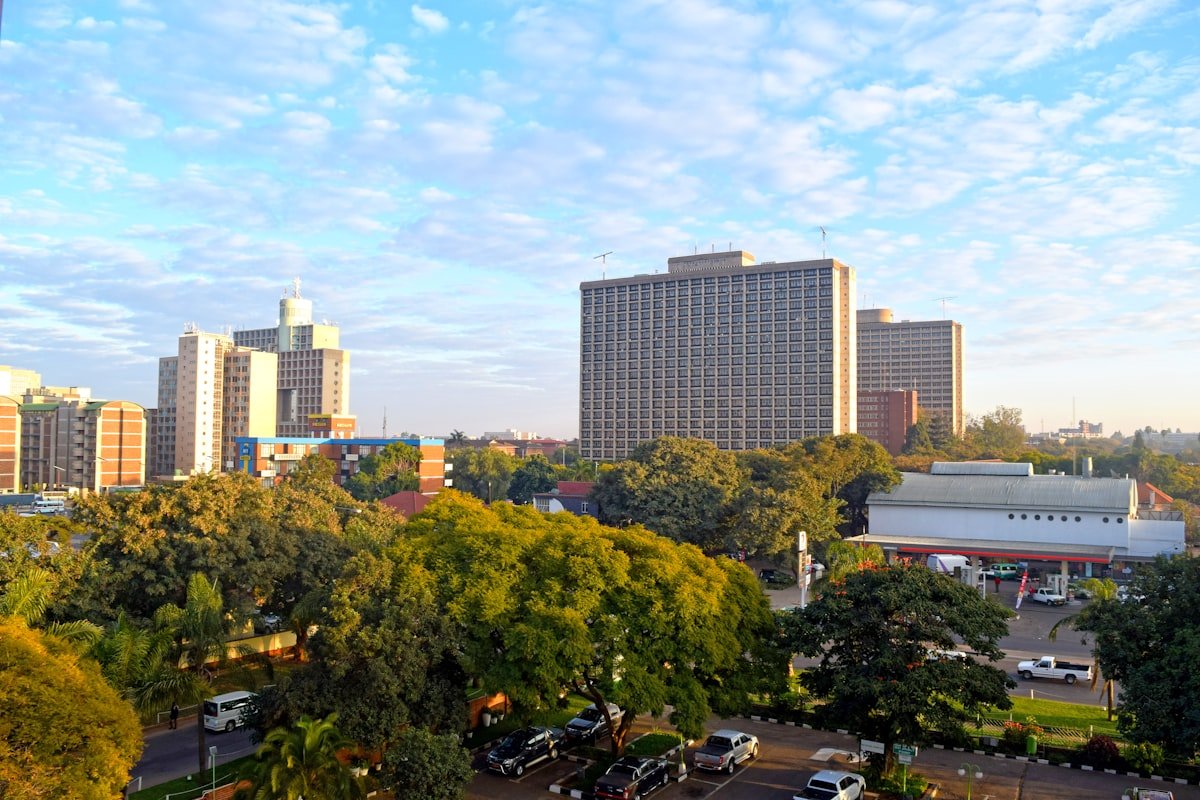
Shona (ChiShona) is Zimbabwe’s most widely spoken indigenous language, used by roughly 70% of the population across Harare, Masvingo, Manicaland, and most rural areas. Ndebele (IsiNdebele) is the second major language, concentrated in Matabeleland - the region around Bulawayo and the Matobo Hills.
While English gets you everywhere in Zimbabwe’s tourist infrastructure, using even a handful of Shona words changes the tone of every interaction. Safari guides, market traders, lodge staff, and village elders respond differently when a visitor makes the effort. It signals respect, and in Zimbabwe, that matters.
This guide covers the phrases you will actually use, with pronunciation notes and cultural context.
Pronunciation Guide
Shona is broadly phonetic - letters are generally pronounced as written - with a few points to note:
- sh = same as English “sh” (as in “shoe”)
- ch = like English “ch” in “church”
- sv = a sound that doesn’t exist in English; say “sv” together quickly
- ndw = “ndw” together, a common Shona cluster
- Vowels: always pure - a (ah), e (eh), i (ee), o (oh), u (oo)
- Stress: generally on the second-to-last syllable
Don’t worry about perfect pronunciation. Zimbabweans will understand you and appreciate the attempt.
Essential Greetings
Greetings are the most important part of Shona communication. Taking time to greet properly - rather than jumping straight to a request - is a cultural expectation throughout Zimbabwe.
| Shona | Pronunciation | English |
|---|---|---|
| Mhoro | m-HOH-roh | Hello (informal) |
| Mangwanani | mang-wah-NAH-nee | Good morning |
| Masikati | mah-see-KAH-tee | Good afternoon |
| Manheru | mah-NHEH-roo | Good evening |
| Makadii? | mah-kah-DEE | How are you? (formal/plural) |
| Ndiripo, maswera sei? | ndee-REE-poh, mah-SWEH-rah say | I am well, how has your day been? |
| Ndinofara kukusangana | ndee-noh-FAH-rah koo-koo-SANG-ah-nah | I am happy to meet you |
| Fambai zvakanaka | fahm-BAH-ee zvah-kah-NAH-kah | Go well / Goodbye (to person leaving) |
| Salayi zvakanaka | sah-LAH-yee zvah-kah-NAH-kah | Stay well / Goodbye (to person staying) |
Cultural note: In Shona culture, greetings are not rushed. When you approach someone, especially an elder or a guide, a proper exchange of greetings (asking about health, the family, the day) is expected before any business. Skipping this is considered abrupt.
Courtesy and Politeness
| Shona | Pronunciation | English |
|---|---|---|
| Ndatenda | ndah-TEN-dah | Thank you |
| Maita basa | mah-EE-tah BAH-sah | Thank you very much (respectful) |
| Pamusoroi | pah-moo-SOH-roy | Excuse me / Sorry |
| Ndinokumbira ruregerero | ndee-noh-KOOM-bee-rah roo-reh-geh-REH-roh | I apologise / I am sorry |
| Ehe | EH-heh | Yes |
| Aiwa | ah-EE-wah | No |
| Ndapota | ndah-POH-tah | Please |
| Kwaziwai | kwah-ZEE-why | Greetings (to a group) |
Numbers and Prices
Zimbabwe’s day-to-day currency is USD, but knowing numbers in Shona helps in local markets.
| Shona | Number |
|---|---|
| Poshi | 1 |
| Piri | 2 |
| Tatu | 3 |
| China | 4 |
| Shanu | 5 |
| Tanhatu | 6 |
| Nomwe | 7 |
| Sere | 8 |
| Pfumbamwe | 9 |
| Gumi | 10 |
Useful phrases for shopping:
- Mari yake ngani? (mah-REE yah-keh ng-AH-nee) - How much does it cost?
- Ndinoda ichi (ndee-NOH-dah EE-chee) - I want this
- Zviri kureba (zvee-REE koo-REH-bah) - It is too expensive
- Tinogona kupopotera here? (tee-NOH-goh-nah koo-poh-POH-teh-rah HEH-reh) - Can we negotiate?
Market tip: At Mbare Musika market in Harare and at craft markets in Victoria Falls, light bargaining is expected for souvenirs and crafts. For food and basic goods, prices are generally fixed. Opening with a Shona greeting before negotiating always sets a better tone.
Safari and Wildlife Vocabulary
| Shona | English |
|---|---|
| Shumba | Lion |
| Ndou | Elephant |
| Mhuru | Baby elephant / calf |
| Mvura | Water |
| Sango | Bush / forest |
| Munda | Field / open grassland |
| Nyama | Meat / animal |
| Shiri | Bird |
| Hove | Fish |
| Nzou | Elephant (regional variant) |
| Ngwe | Leopard |
| Tsuro | Hare / rabbit |
Your safari guide will likely use English during game drives, but knowing a few wildlife words earns you genuine respect and often unlocks more detailed conversation about the bush.
Transport and Directions
| Shona | Pronunciation | English |
|---|---|---|
| Ndiende kupi? | ndee-EN-deh KOO-pee | Where should I go? |
| Iri kupi? | EE-ree KOO-pee | Where is it? |
| Kure here? | KOO-reh HEH-reh | Is it far? |
| Padhuze | pah-DHOO-zeh | Nearby |
| Kure | KOO-reh | Far |
| Basi | BAH-see | Bus |
| Kombi | KOM-bee | Minibus taxi |
| Nzira | n-ZEE-rah | Road / path |
| Ndodii | ndoh-DEE | Straight ahead |
Kombis: The minibus taxis known as “kombis” are the main public transport in Harare and between towns. Knowing basic directional phrases helps when kombis don’t have fixed stops.
Food and Dining
| Shona | English |
|---|---|
| Sadza | Thick maize porridge - Zimbabwe’s staple food |
| Muriwo | Vegetables / leafy greens |
| Nyama | Meat |
| Huku | Chicken |
| Hove | Fish |
| Dovi | Peanut butter sauce |
| Maheu | Fermented maize drink (non-alcoholic) |
| Chibuku | Traditional sorghum beer |
| Mvura | Water |
| Ndinoda… | I would like… |
Sadza is the heart of Zimbabwean cuisine - stiff porridge typically eaten with relish (muriwo, nyama, or dovi). Ordering sadza at a local restaurant rather than the tourist menu is both cheaper and a better cultural experience.
Emergency Phrases
| Shona | English |
|---|---|
| Ndibatsireiwo! | Help me please! |
| Chipatara iri kupi? | Where is the hospital? |
| Ndiri kurwara | I am sick / unwell |
| Pohisi iri kupi? | Where is the police? |
| Fire! / Moto! | Fire! |
In genuine emergencies in Zimbabwe, English is understood and used by medical and emergency services. These Shona phrases are most useful in rural areas where English fluency may be limited.
Ndebele: Key Phrases for Bulawayo and Matobo
If your itinerary includes Bulawayo, Matobo Hills, or Hwange (in the western part of Zimbabwe), Ndebele is the local language. Shona greetings will still be understood, but Ndebele phrases are particularly appreciated in this region.
| Ndebele | Pronunciation | English |
|---|---|---|
| Sawubona | sah-woo-BOH-nah | Hello (to one person) |
| Sanibona | sah-nee-BOH-nah | Hello (to multiple people) |
| Unjani? | oon-JAH-nee | How are you? |
| Ngikhona | ngee-KOH-nah | I am fine |
| Ngiyabonga | ngee-yah-BONG-ah | Thank you |
| Hamba kahle | HAMM-bah KAH-leh | Go well / Goodbye |
| Sala kahle | SAH-lah KAH-leh | Stay well |
| Yebo | YEH-boh | Yes |
| Hayibo | hah-YEE-boh | No |
Cultural note: The Ndebele (Matabele) people have a distinct cultural identity from the Shona - historically separate kingdoms. Using Ndebele greetings in Matabeleland shows awareness of this distinction, which is appreciated.
Cultural Notes for Zimbabwe
Respect for elders: In both Shona and Ndebele cultures, respect for elders is paramount. When greeting an older person, use both hands (one hand supporting the other at the wrist) when receiving something or shaking hands.
Photography: Always ask permission before photographing people, especially in villages or at traditional ceremonies. The phrase “Ngabvumira kutora mufananidzo?” (May I take your photo?) is appropriate in Shona, but a simple gesture and asking “Photo, okay?” in English will be understood.
Clapping: In traditional settings, clapping is a form of respect and gratitude. Women clap with cupped hands; men clap flat. You may see this at ceremonies or traditional performances.
“Makadii” vs “Wakadii”: “Makadii” uses the plural/respectful “ma-” prefix for addressing elders or multiple people. “Wakadii” (wah-kah-DEE) is informal, used between peers or when speaking to a single younger person. When in doubt, use “Makadii.”
Plan Your Trip
✈️ Book your flights to Zimbabwe 🛡️ Get travel insurance 📱 Stay connected with an eSIM 🚗 Rent a car