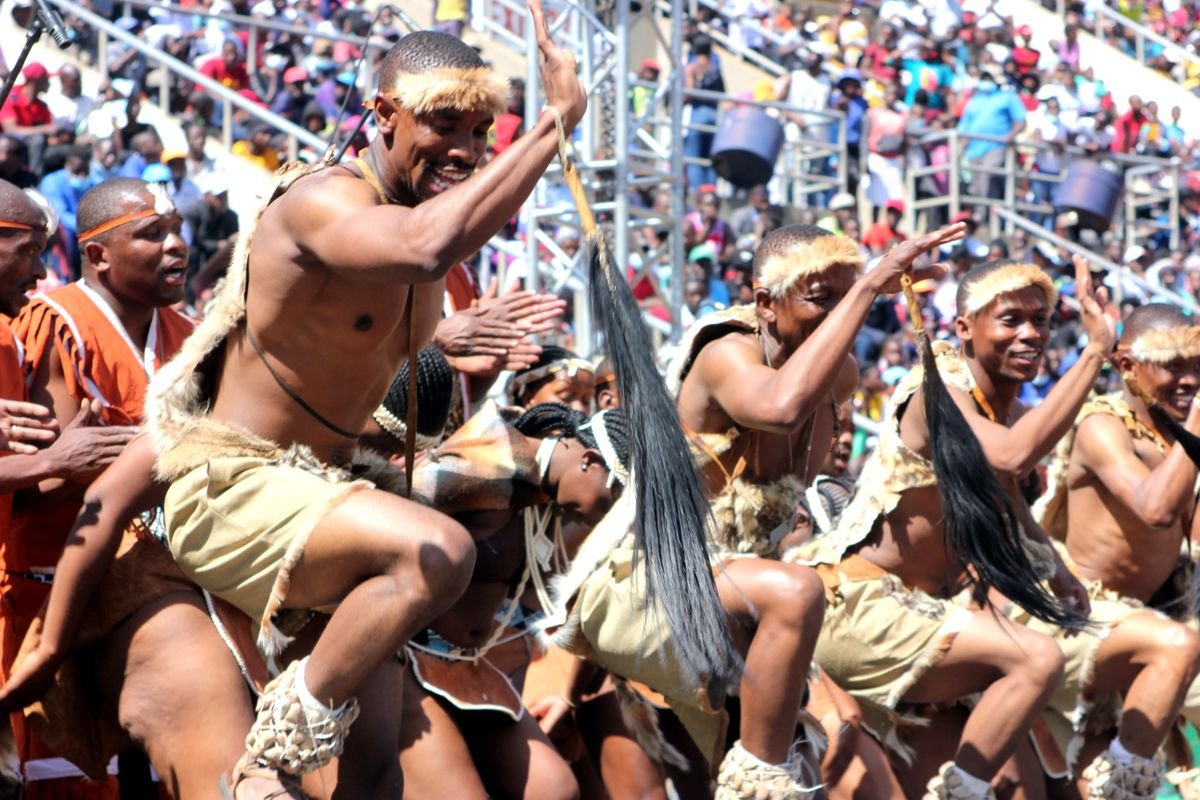
Zimbabwe has a warm, genuinely hospitable culture built on respect for elders, community ties and ubuntu, the philosophy that a person’s well-being is bound to the well-being of those around them. Travellers who take a little time to understand local customs find that doors open easily and interactions shift from polite to genuinely warm. This guide covers the practical etiquette you need for a respectful, enjoyable stay.
Greetings and Social Customs
Greetings matter in Zimbabwe. Rushing past someone without acknowledging them is considered rude, even in urban areas. The standard greeting in Shona is Mhoro (hello) followed by Makadii? (How are you?), with Ndiripo as the usual reply. In Ndebele areas such as Bulawayo and the Matobo Hills, Sawubona (I see you) is the customary opener.
When meeting someone for the first time, handshakes are the norm for both men and women. A two-handed handshake (right hand extended, left hand touching the right forearm) is a mark of particular respect, most appropriate when greeting elders or officials. Women in traditional settings sometimes curtsy slightly as they shake hands; as a visitor this is not expected, but it is noticed and appreciated.
Address people formally until invited to do otherwise. Mr, Mrs, and titles are used widely. Calling an older person by their first name on first acquaintance is considered overly familiar.
Dress Codes
Religious sites: Zimbabwe is predominantly Christian, and church services are formal affairs. If you attend a service at a venue such as Borrowdale Christian Centre in Harare or any rural church, wear smart-casual clothing at minimum: long trousers or a dress below the knee, covered shoulders. Do not wear shorts, sleeveless tops or hats inside a church.
For visits to traditional spiritual sites, including the areas around Matobo Hills associated with Mwari (the Supreme Being in Shona tradition) and spirit mediums, dress conservatively. Covered legs and shoulders show respect and will be expected if you are joining any traditional ceremony.
Safari and wildlife areas: Khaki, olive and neutral colours are practical and appropriate. Brightly coloured clothing is not a problem in camps and lodges, but avoid it in hides or during walking safaris at places like Mana Pools National Park.
Restaurants and lodges: Zimbabwean fine dining requires smart-casual dress as a minimum. At upmarket venues such as Amanzi Restaurant in Harare and the Boma Dinner and Drum Show at Victoria Falls Safari Lodge, flip-flops and beachwear are not appropriate in the evenings. Casual resort wear is fine at pool-side restaurants during the day.
Beaches and water: Zimbabwe is landlocked, so beach etiquette is not relevant. At Lake Kariba and Batoka Gorge, standard resort and active-wear is perfectly acceptable. Topless sunbathing is not practised and would be considered inappropriate.
Tipping Culture
Tipping in Zimbabwe is appreciated but context-dependent.
Restaurants: 10 percent of the bill is the standard tip at sit-down restaurants. Staff wages in the hospitality sector are low, so this amount genuinely matters. At upmarket Harare venues such as Amanzi and The Meikles Hotel dining room, 10 to 15 percent is appropriate. At casual local restaurants and roadside spots, tipping is not expected but rounding up is kind.
Safari guides and camp staff: Safari guides work hard and have significant expertise. The widely accepted rate is USD 10 to 20 per guide per day for a couple, and USD 5 to 10 per day for camp staff (housekeeping, waiters). At high-end properties such as Singita Pamushana Lodge in the Malilangwe Wildlife Reserve or &Beyond Matetsi River Lodge near Victoria Falls, a collective tip box for camp staff is the norm alongside a direct tip to your personal guide.
Drivers: If a driver takes you on a full-day tour, USD 5 to 10 is appropriate. Taxi drivers do not expect tips, though rounding up the fare is a friendly gesture. Uber drivers in Harare receive ratings rather than cash tips.
Do not tip: It is not expected to tip at government sites, national park gates, or in bureaucratic settings. Offering money in those contexts can cause embarrassment.
Photography Rules
Always ask before photographing individuals. This applies at markets such as Mbare Musika in Harare, at rural villages, and at cultural performances. A simple gesture and a smile requesting permission is universally understood. Most people will agree happily; some will ask for a small token of appreciation.
Photography is permitted at most tourist sites including Victoria Falls, Great Zimbabwe National Monument and Hwange National Park. Photography inside the Hill Ruins enclosure at Great Zimbabwe requires a paid permit from the site office. Military installations, government buildings, airports and police stations must never be photographed.
At cultural performances and mbira music events, confirm the rules with the organiser. Some ceremonies and spirit possession rituals prohibit photography entirely, and this will be communicated clearly.
Dining Etiquette
At a local home or traditional meal, expect to wash hands before eating. A small basin of water and a cloth will typically be brought around before the meal begins. Accept this ritual even if your hands are already clean.
Zimbabwean traditional meals revolve around sadza (a thick maize porridge) eaten with relish, meat or vegetables. Sadza is often eaten with the right hand, rolled into a ball and used to scoop up the accompanying dish. Joining this practice, rather than asking for cutlery, is warmly received. If you are unsure, follow the lead of your host.
It is polite to try everything offered. Declining food outright can cause mild offence, particularly in rural settings. A small amount on the plate and a genuine compliment is far better than a flat refusal. Saying Ndinoda zvakawanda (“I enjoy it very much” in Shona) will earn a smile.
At formal restaurants and lodges, standard Western dining etiquette applies.
Behaviour in Homes
Zimbabweans are generous hosts. If you are invited into a home, remove your shoes at the door unless your host specifically says otherwise. Arrive on time or slightly early; lateness without communication is considered disrespectful.
Bring a gift if attending a meal: wine, juice, fruit, or a small treat from a supermarket are all appropriate. Flowers are less common as a host gift than in European traditions.
Elders in the room should be greeted first. If seated, stand to greet an older person entering the room. Conversations about family, the local area and Zimbabwean culture are welcome. Avoid unsolicited opinions about politics, the economy or land ownership — these are complex and sensitive topics that can dampen the warmth of an encounter quickly.
Religious and Cultural Sensitivities
Christianity dominates Zimbabwe’s religious landscape, but traditional Shona and Ndebele spiritual practices remain influential, particularly in rural communities. These are not in conflict in most Zimbabwean worldviews, but traditional ceremonies deserve particular respect from visitors.
If you witness a traditional bira ceremony (a ritual gathering involving mbira music and spirit communication), understand that you are observing a sacred event. Participate only if explicitly invited. Keep noise low and phones away.
The Matobo Hills are sacred to both the Ndebele community and the broader Zimbabwean heritage. Cecil Rhodes is buried at World’s View, but the hills were long revered as a place of ancestral communication before colonisation. Treat the landscape and any shrines with the same respect you would offer a cathedral.
LGBTQ+ expression is not publicly accepted in Zimbabwe and same-sex relationships are criminalised under current law. Travellers should be aware of this and exercise caution.
Zimbabwe’s culture rewards patience, warmth and a genuine curiosity about local life. Small gestures of respect — a greeting in Shona, asking before photographing, sitting to eat with your host — make a far larger impression than any organised cultural tour.