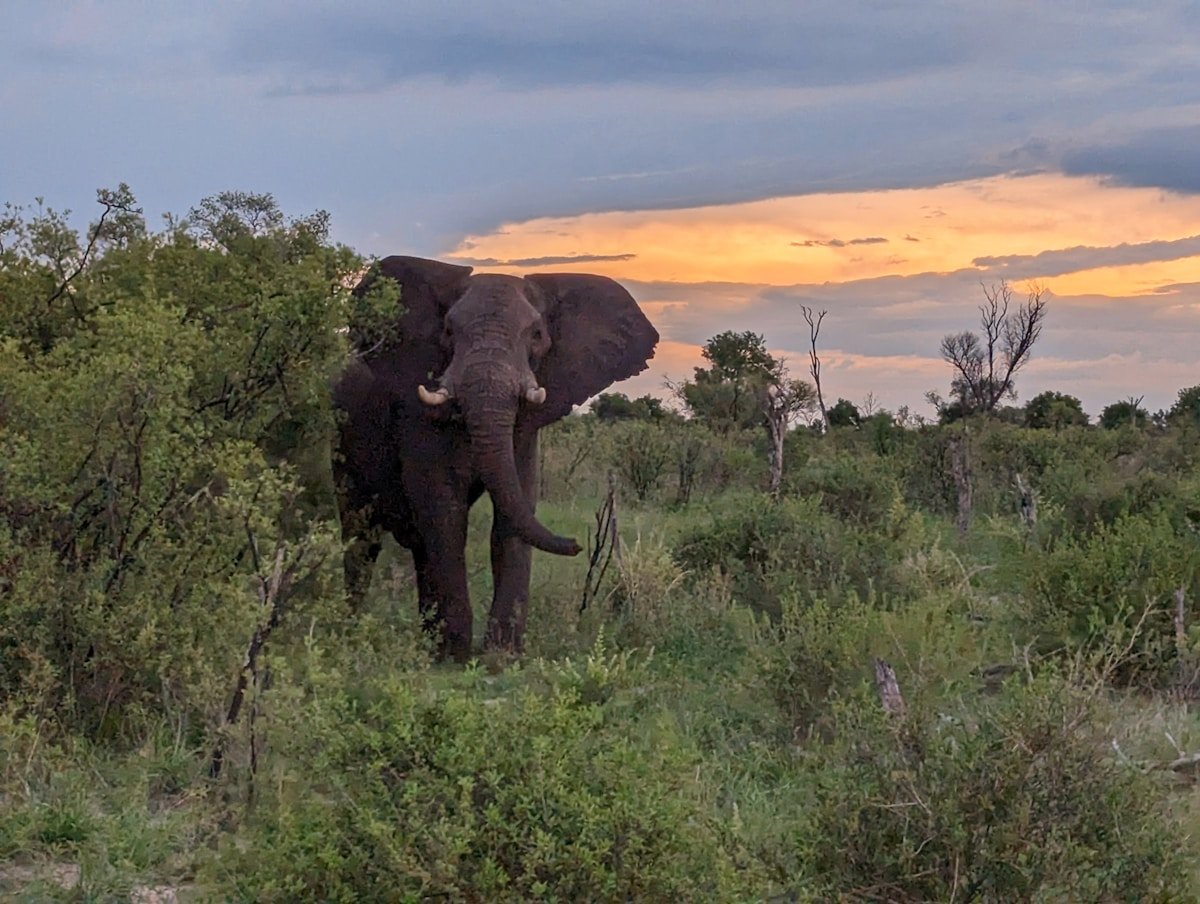
August continues Zimbabwe’s peak safari season with a slight warming trend that makes early morning game drives more comfortable than June or July. The bush is at its driest and barest, water sources have shrunk further, and wildlife viewing reaches its zenith across the country’s national parks. Victoria Falls flow has decreased enough to reveal dramatic cliff structures while still carrying enough water to impress.
Spring Approaching: Warming Days and Rising Dust Across the Dry Bush
August marks the transition from Zimbabwe’s cold dry season into the hot dry season. Days are notably warmer than July, and the morning chill, while still present, is less severe. The air is dry and dust levels increase across the bush. Skies remain cloudless and the quality of light is excellent for photography.
| City | Avg High °C | Avg Low °C | Rain Days | Conditions |
|---|---|---|---|---|
| Harare | 23 | 8 | 0 | Warming, dry, clear |
| Bulawayo | 24 | 8 | 0 | Warm days, cool mornings |
| Victoria Falls | 28 | 10 | 0 | Warm, dry, falls declining |
| Masvingo | 24 | 8 | 0 | Pleasant, sunny |
Victoria Falls Revealing Its Geology: Exposed Cliff Face and Excellent Photography Conditions
August sees Victoria Falls in a revealing state. The flow has decreased substantially from the peak, and significant sections of the basalt cliff face are now exposed, particularly towards the eastern end. The Devil’s Cataract (western section) still carries a strong column of water, while the Main Falls and Rainbow Falls sections show a mix of water curtains and exposed rock. This creates a unique opportunity to appreciate the geological scale of the gorge system. The Rainforest Walk is dry enough to walk comfortably, and spray is minimal. Photography conditions are excellent from all viewpoints.
Mega-Herds at Hwange and Canoe Safaris Past 30-Hippo Pods at Mana Pools
August is when the dry season reaches its full expression. Water is critically scarce in many areas, forcing animals into ever-tighter concentrations around permanent water. The bush is almost completely open, with leafless trees and short, brown grass providing maximum visibility.
August wildlife highlights:
- Mega-herds at Hwange - Hwange National Park is home to one of Africa’s largest elephant populations (approximately 45,000). In August, herds of 500+ elephants have been recorded at single waterholes during the late afternoon. Buffalo herds of 1,000+ are also common
- Mana Pools canoe safaris - Mana Pools offers canoe safaris along the Zambezi where you can paddle past pods of 30+ hippos, watch elephants crossing the river, and spot Nile crocodiles basking on sandbanks
- Predator activity intensifies - With prey concentrated, lion, leopard, hyena and wild dog hunting success rates increase. Dawn and dusk drives regularly produce predator sightings
- Whale-sized catfish - The shrinking Zambezi pools concentrate vundu catfish (Africa’s largest catfish species, reaching 50+ kg), drawing fish eagles and creating unique fishing opportunities
Malaria risk remains low in August but increases slightly as temperatures warm. Continue taking prophylaxis in the Zambezi valley and lowveld areas. Browse current Zimbabwe tours on GetYourGuide - August is peak season, so securing guided safari options early gives you the best choice of operators and camps.
Harare Agricultural Show and Saturday Craft Markets at Victoria Falls
- Harare Agricultural Show - Zimbabwe’s biggest agricultural exhibition, held at the Harare Exhibition Park in August, features livestock competitions, farming equipment displays, food stalls and live entertainment. Entry costs approximately USD 5 per person (as of 2026)
- Victoria Falls Bush Telegraph market - A weekly craft and food market at Elephant’s Walk Shopping Village, operating every Saturday through peak season
Where to Stay and Eat in August: Chikwenya at the Sapi Confluence and Bulawayo’s Cattleman
Mana Pools: Chikwenya Safari Lodge sits at the confluence of the Sapi and Zambezi rivers, offering premium tented suites with views over the Zambezi floodplain. All-inclusive rates start from approximately USD 600 per person per night during August (as of 2026), including game drives, walks and canoe excursions.
Bulawayo: Banff Lodge Hotel in the Burnside suburb offers comfortable rooms from approximately USD 75 per night with a swimming pool and garden setting. For dinner, Cattleman Steak House on Robert Mugabe Way serves excellent T-bone and rump steaks from locally sourced beef (mains from approximately USD 12 as of 2026). Browse current August availability across the country using Search hotels in Zimbabwe on Booking.com.
What to Pack for August: Lighter Fleece Than July but Still Layers for Cool Mornings
August is warmer than June-July but still requires layers for temperature swings:
- A medium-weight fleece or jacket for mornings - still cool but not as biting as July
- Thermal base layer (optional, depending on sensitivity to cold)
- Lightweight, neutral-coloured shirts and trousers for warm afternoons
- A wide-brimmed hat and high-SPF sunscreen - UV intensity is high with clear skies
- Moisturiser and lip balm - the dry air and dust take a toll on skin
- A buff or bandana for dusty game drives
- Binoculars and a telephoto lens - game viewing is at its absolute best
- Comfortable walking shoes for bush walks
- Light insect repellent for evenings as temperatures warm
August Budgeting: Peak High Season - World-Class Game Viewing at Its Highest Price
August is peak high season with the highest prices of the year at most safari lodges. Premium Hwange and Mana Pools camps sell out six months in advance for August. Budget alternatives include self-drive camping at Zimbabwe National Parks campsites (from approximately USD 15 per site per night plus park fees) or staying in Bulawayo or Victoria Falls town and booking day safari trips. The price premium is justified by the quality of game viewing - August in Hwange or Mana Pools is genuinely world-class.
Arrange travel insurance before departure - medical evacuation cover is essential for safaris in remote areas, and August’s high-season demand makes having robust coverage even more important.
For more destination details, see our Bulawayo guide for Matobo Hills rhino tracking, or plan a highlands escape to Nyanga.
Plan Your Trip
August is the month to walk. Mana Pools walking safaris from John’s Camp, Ruckomechi, and Vundu offer lion, wild dog, and elephant encounters on foot that feel unlike anything in a vehicle. World Elephant Day (12 August) brings awareness events to Hwange; some camps run observer game counts at Nyamandhlovu Pan. Painted wolf packs have yearling young in tow - morning drives from Hwange Safari Lodge and Ivory Lodge are consistently rewarding. Victoria Falls’ lower flow opens the Boiling Pot trail and full Grade 5 rapids for white-water rafting. Book walking safaris as early as possible - August slots disappear before July. Arrange travel insurance covering adventure activities and bush walking. Get a Zimbabwe eSIM for camp-to-camp logistics. Flights into Victoria Falls book out weeks ahead.