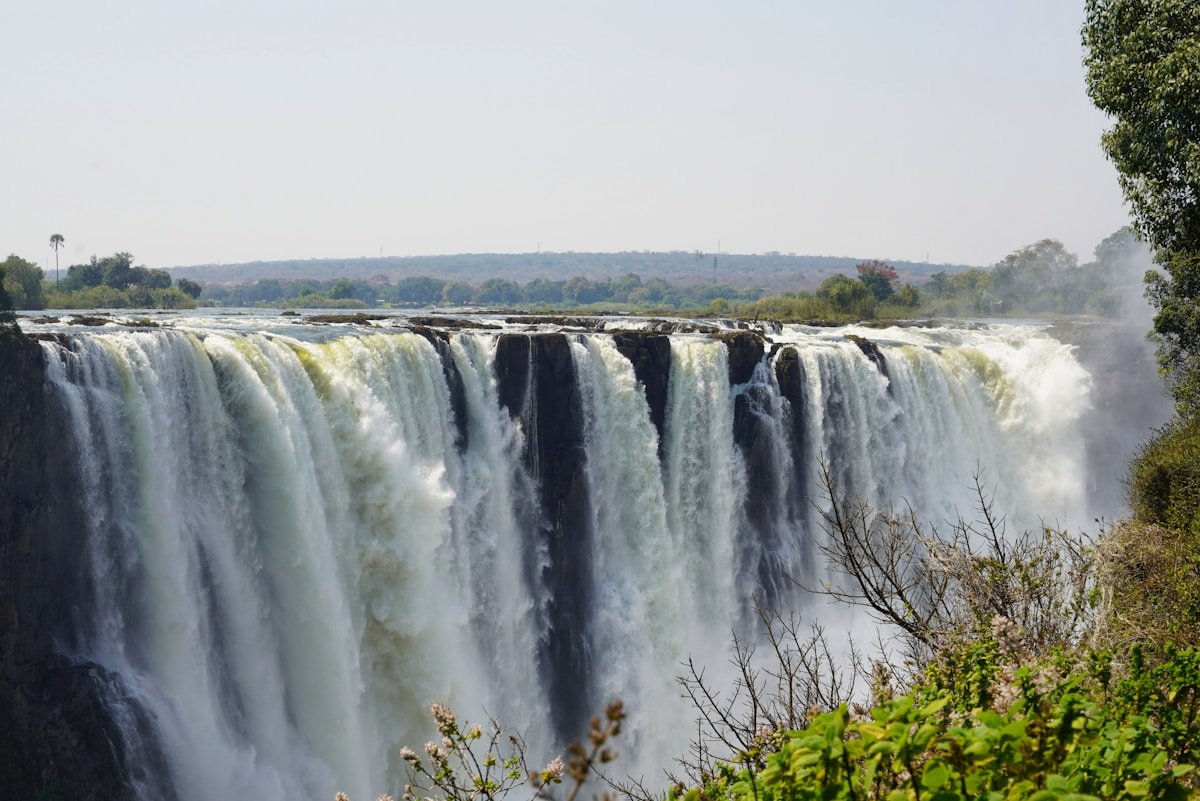
January sits at the heart of Zimbabwe’s green season, bringing afternoon thunderstorms, rising river levels and landscapes transformed into deep shades of green. While this is not peak safari season, it offers a different kind of magic - newborn wildlife, over 470 bird species including migratory visitors from Europe and Asia, and accommodation rates that drop by 30-50% compared to the dry season.
Summer Storms and Humidity: Hot, Wet, and Green Across the Country
January is one of the hottest and wettest months across Zimbabwe. Mornings often start clear and sunny before clouds build through the afternoon, releasing short but intense thunderstorms - typically lasting 30-60 minutes. Humidity sits high across the lowveld and Zambezi valley.
| City | Avg High °C | Avg Low °C | Rain Days | Conditions |
|---|---|---|---|---|
| Harare | 28 | 16 | 18 | Hot, frequent afternoon storms |
| Bulawayo | 29 | 16 | 14 | Warm with regular showers |
| Victoria Falls | 31 | 18 | 16 | Hot, humid, thunderstorms |
| Masvingo | 29 | 17 | 15 | Warm, moderate rainfall |
Victoria Falls Rising: Moderate Flow and Clear Photography Conditions
January marks the beginning of the water level rise at Victoria Falls. The Zambezi is being fed by upstream rains across Angola and Zambia, though the full force has not yet arrived. The falls are flowing moderately - stronger than the October-December low season but still well below the February-May peak. You can see most of the rock face while still enjoying a solid curtain of water. Spray is manageable, meaning photography conditions are good from the Zimbabwean side at the Rainforest Walk.
Emerald Season Safari: Baby Impala, Migratory Birds, and Lush Hwange
January brings what many guides call the “emerald season” across Zimbabwe’s national parks. The bush is thick and green, which makes spotting animals more challenging than in the dry months when vegetation thins out.
That said, January is one of the best months for:
- Baby animals - Impala, wildebeest and zebra drop their young during the green season, and predator activity increases around birthing herds
- Birdwatching - Migratory species arrive from the northern hemisphere. Look for carmine bee-eaters, woodland kingfishers and European rollers
- Fewer crowds - Parks like Hwange and Mana Pools are quieter, with some remote camps closing for the season
Some unpaved roads in Hwange National Park and the Zambezi valley become difficult or impassable after heavy rains. A 4x4 is essential if you plan to self-drive. Guided safari operators adjust their routes to stick to maintained tracks. Browse current Zimbabwe tours on GetYourGuide to check seasonal availability and green season pricing.
Malaria risk is at its highest during January. Consult a travel health specialist about prophylaxis at least four weeks before departure, and use insect repellent and bed nets consistently.
Mbira Gatherings and Green Season Warmups Near Harare
- Harare International Festival of Arts (HIFA) planning season - While the main festival falls later in the year, January sees warm-up events and exhibitions at the National Gallery of Zimbabwe in Harare
- Mbira music gatherings - Informal mbira (thumb piano) sessions take place at Chitungwiza community halls south of Harare through the rainy season, often on weekends
Where to Stay and Eat in January: Green Season Rates in Victoria Falls and Harare
Victoria Falls: The Shearwater Explorers Village offers budget-friendly rooms from approximately USD 65 per night during January - a significant saving over the July-August peak. For dining, try The Three Monkeys restaurant on Parkway Drive for grilled game meat and craft beer (mains from approximately USD 12 as of 2026).
Harare: Hyatt Regency Harare The Meikles on Jason Moyo Avenue is one of Harare’s longest-running hotels with rooms from approximately USD 120 per night in green season. For a meal, head to Amanzi Restaurant in the Borrowdale suburb for contemporary Zimbabwean-fusion dishes (mains from approximately USD 15 as of 2026). Browse current January availability across the country using Search hotels in Zimbabwe on Booking.com.
What to Pack for January: Rain Gear, DEET, and Binoculars
January demands rain-ready gear without sacrificing breathability:
- Lightweight, quick-dry clothing in neutral safari colours (khaki, olive, beige)
- A packable waterproof rain jacket - not a poncho, which snags on thorn bushes
- Waterproof dry bags for cameras, phones and documents
- Insect repellent with at least 30% DEET
- Waterproof hiking shoes or boots with ankle support
- Sunscreen (SPF 50) - UV remains strong even through cloud cover
- A wide-brimmed hat and sunglasses
- Binoculars for birding - January is peak migratory season
January Budgeting: Lowest Lodge Rates of the Year
January is one of the cheapest months to visit Zimbabwe. Lodge rates in Hwange and the Zambezi valley drop by 30-50% compared to the June-October dry season. Internal flights on FlyAfrica and Fastjet occasionally run green season promotions. Park entry fees for Zimbabwe National Parks remain fixed year-round at approximately USD 15 per person per day for international visitors (as of 2026).
Arrange travel insurance before departure - coverage for medical evacuation is essential in remote areas, particularly during the wet season when access to facilities is limited.
For more on planning your route, see our Harare and Victoria Falls city guides. If you are considering a multi-stop trip, our Bulawayo guide covers the southern gateway to Matobo Hills.
Plan Your Trip
January is Zimbabwe’s best month for birding and one of its cheapest for lodges - plan around both. Base yourself in Harare for day trips to Lake Chivero Recreational Park, where carmine bee-eaters peak in January. Victoria Falls’ spray is building; the Shearwater Explorers Village offers green-season rates while the falls gain volume. Check road conditions before self-driving to Gonarezhou - some tracks flood in the wet season. Get travel insurance with medical evacuation cover; arrange a Zimbabwe eSIM before departure since connectivity is limited in the Zambezi Valley. Book flights early - green-season deals fill after Christmas. If you want a car for the Harare–Nyanga circuit, hire one in Harare rather than Victoria Falls.