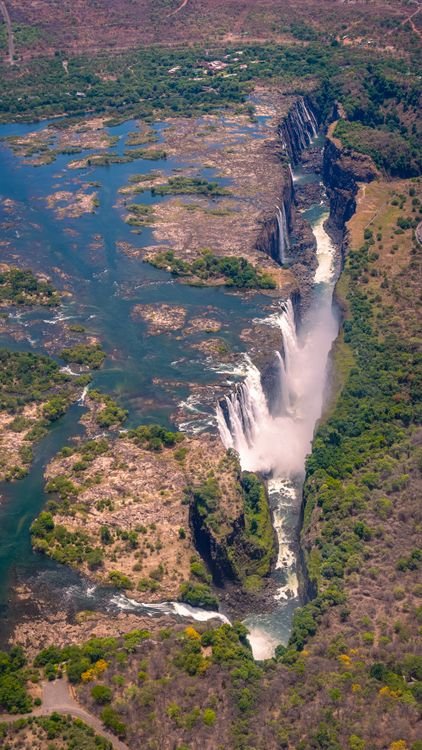
Zimbabwe is not a complicated destination to insure, but it is one where cutting corners on coverage is a genuine mistake. Medical evacuation from a remote safari camp to a hospital in Harare - or further to Johannesburg - costs thousands of dollars. A quality travel insurance policy for Zimbabwe typically runs between $40 and $120 for a two-week trip, depending on your age, home country, and the level of cover you choose. That premium is trivial compared to the bills you could face without it.
Here is what to look for, what to expect to pay, and why some of the cheaper policies fall short for a destination like Zimbabwe.
Before you travel:
- Travel insurance: EKTA - covers medical emergencies, emergency evacuation, trip cancellation, and travel delays
- Confirm adventure activities (white-water rafting, bungee jumping, walking safaris) are explicitly included
- Declare any pre-existing medical conditions at the time of purchase
- Save the insurer’s 24-hour emergency helpline number before you leave home
Why Zimbabwe Specifically Needs Good Cover
Zimbabwe sits at the top of the list of destinations where medical cover matters most. The public healthcare system has been under strain for years - outside Harare and Bulawayo, facilities are very limited. Private clinics in major cities are functional but expensive by local standards, and for serious incidents you may need evacuation to South Africa.
Safari activities add another layer. Walking safaris, game drives, canoe trips on the Zambezi, and white-water rafting at Victoria Falls are all considered adventurous activities. Many standard policies exclude these unless you specifically purchase adventure or extreme sports add-ons. Check the policy wording before you buy - not after.
Remote national parks like Mana Pools and Hwange are hours from the nearest clinic. Medical evacuation from these areas by light aircraft can cost $3,000 to $8,000 depending on the distance and complexity. Without cover, that bill lands entirely with you.
Coverage Types to Prioritise
Medical and hospitalisation. Look for at least $100,000 in medical cover - ideally $250,000 or more. Zimbabwe has no reciprocal healthcare agreements with most countries, so there is no free treatment for visitors. Make sure the policy covers hospitalisation, outpatient treatment, and medication.
Emergency evacuation and repatriation. This is the most critical line item for Zimbabwe. Evacuation cover should be separate from your medical limit, and ideally unlimited or at a minimum $500,000. AMREF Flying Doctors and other air ambulance services in the region are excellent, but they are not cheap.
Trip cancellation and interruption. Zimbabwe trips often involve pre-paid safaris, lodge deposits, and multi-segment flights. Cancellation cover reimburses non-refundable costs if you have to cancel or cut your trip short due to illness, a family emergency, or other covered events. On a Zimbabwe itinerary with multiple safari lodges, easily $2,000–$5,000 or more can be at stake.
Baggage and personal effects. Camera equipment is a big-ticket item for many travellers to Zimbabwe. If you are carrying a DSLR, lenses, or binoculars, check the single-item limit on the policy. Many cheaper policies cap individual items at $200–$300, which will not cover a decent telephoto lens. You may need to declare high-value items separately.
Adventure activities. If you are doing white-water rafting on the Zambezi, bungee jumping at Victoria Falls, or a walking safari, confirm these are explicitly covered. Rafting grade 5 rapids is not covered under basic policies - and the Zambezi below the falls is some of the world’s most demanding white water.
What a Policy Should Cost
For a two-week trip to Zimbabwe, rough price ranges by traveller age:
- Ages 18–35: $40–$70 for solid cover including evacuation and adventure activities
- Ages 36–55: $55–$95
- Ages 56–65: $80–$130
- Ages 65+: $120–$200+
Annual multi-trip policies start from around $150–$250 for under-55 travellers who visit Africa more than once a year. If you are combining Zimbabwe with Zambia, Botswana, or South Africa on the same trip, confirm the policy covers all destinations - most do, but verify.
What to Watch Out For
Pre-existing condition exclusions. Most standard policies exclude pre-existing medical conditions unless you declare them at the time of purchase. If you have a condition and do not declare it, a claim related to that condition will almost certainly be rejected. Declaration usually adds to the premium but is non-negotiable for proper cover.
‘Dangerous region’ clauses. Some policies have blanket exclusions for countries with certain travel advisories. Zimbabwe’s situation is generally stable for travellers, but check whether your home country’s foreign ministry advisory level triggers any exclusions in the policy.
Zimbabwe dollar denominations. Medical facilities in Zimbabwe frequently charge in USD, particularly private clinics. Make sure your insurer pays out in or equivalent to USD - policies that reimburse in local currency with conversion at the invoice date are rarely a problem here, but it is worth confirming.
24-hour emergency line. Any serious insurer will have a round-the-clock emergency helpline. Test this before you travel - the number should be listed prominently on your policy documents. In a genuine emergency in rural Zimbabwe, you need to reach someone immediately.
Recommended Approach
We recommend buying travel insurance through EKTA, which offers solid coverage for African destinations including emergency evacuation, medical expenses, and trip interruption. Policies are underwritten by established insurers and the claims process is straightforward.
When comparing options, use the medical evacuation limit and adventure activity cover as your primary filters - not the headline price. A policy $20 cheaper that excludes evacuation or water sports is not a bargain in Zimbabwe.
When to Buy
Buy your policy immediately after booking your trip - not at the airport. Trip cancellation cover only applies from the date of purchase. If you book a safari in January for a June departure and something goes wrong in March, you want cover in place.
For multi-country southern Africa itineraries, a single policy covering all destinations is simpler and usually cheaper than separate per-country policies.
Quick Checklist Before You Go
- At least $100,000 medical cover (aim for $250,000)
- Emergency evacuation cover of $500,000 or unlimited
- Trip cancellation for non-refundable prepaid costs
- Adventure activities confirmed as covered (rafting, walking safaris)
- Pre-existing conditions declared
- 24-hour emergency helpline number saved in your phone
- High-value camera gear listed separately if needed
Zimbabwe is a destination that rewards preparation. The wildlife, the landscapes, and the warmth of the people make it one of Africa’s most compelling destinations - and a solid insurance policy means nothing stands between you and enjoying it fully.
Plan Your Trip
✈️ Book your flights to Zimbabwe 🛡️ Get travel insurance 📱 Stay connected with an eSIM 🚗 Rent a car