Hwange National Park covers over 14,600 square kilometres of Kalahari sandveld and is Zimbabwe’s largest game reserve. Its reputation for elephant concentrations - the park holds an estimated 45,000–50,000 elephants - makes it one of southern Africa’s most compelling wildlife destinations. Getting there requires some planning, particularly if you are self-driving, because the park’s main waterholes are spread across a large area and not all access roads suit standard vehicles. This guide walks through every practical option.
The Two Main Approaches: Victoria Falls and Bulawayo
Hwange sits roughly between two major towns, making it a natural stop on a circuit of western Zimbabwe.
From Victoria Falls: Victoria Falls town is approximately 100 kilometres north-west of the Hwange Main Camp area, accessed via the A8 highway heading east. The drive from the Victoria Falls town centre to Hwange Main Camp gate takes around 1.5 hours in normal conditions. This is the most common approach for international visitors, as most arrive into Victoria Falls by air or from the Livingstone crossing.
From Bulawayo: Bulawayo is approximately 330 kilometres south-east of Hwange, a drive of roughly 3 hours on the A8 heading north-west. Hwange is a natural stopover point on the Bulawayo–Victoria Falls road, and most visitors doing a Zimbabwe circuit include at least one night in or near the park. The A8 between Bulawayo and Hwange is well-surfaced for most of its length, though potholes appear after the rainy season - allow extra time if you are travelling November through April.
By Air: Hwange National Park Airport
Hwange National Park Airport (IATA: HWN) is a grass-and-gravel airstrip located close to Hwange Main Camp. It is not a commercial airport in the usual sense - no scheduled airlines fly here - but it is regularly used by light aircraft services connecting Hwange to Victoria Falls (approximately 25–30 minutes’ flying time) and Harare (approximately 1.5–2 hours).
Wilderness Air and Safari Par Excellence operate scheduled light aircraft services to Hwange as part of their safari circuit routes in Zimbabwe and Botswana. These services are typically bundled with lodge packages rather than sold as standalone tickets, but some lodges can arrange seat availability on request if you contact them directly.
Charter flights: Several charter companies based in Victoria Falls and Harare can arrange private charter flights to Hwange. If you are staying at one of the higher-end lodges - Camelthorn, Linkwasha, Little Makalolo - private charter is the standard arrival method, and costs are usually included in the package rate.
For budget travellers or those combining Hwange with a road trip, flying to Victoria Falls and self-driving or transferring to Hwange is the most practical and cost-effective approach.
Self-Driving to Hwange
Self-driving is one of the most rewarding ways to experience Hwange. The game density along the main roads near the waterholes is exceptional, and having your own vehicle means you can linger at a waterhole or detour spontaneously in a way that a shared safari vehicle cannot.
Vehicle requirements: For the Main Camp area and the main loop roads around the central waterholes (Nyamandhlovu Pan, Dom Pan, Guvalala Pan), a high-clearance two-wheel-drive vehicle is adequate in dry conditions from May to October. For the secondary roads reaching Sinamatella, Robins Camp, and the park’s northern and western areas, a four-wheel-drive vehicle is strongly recommended year-round and essential in the rainy season.
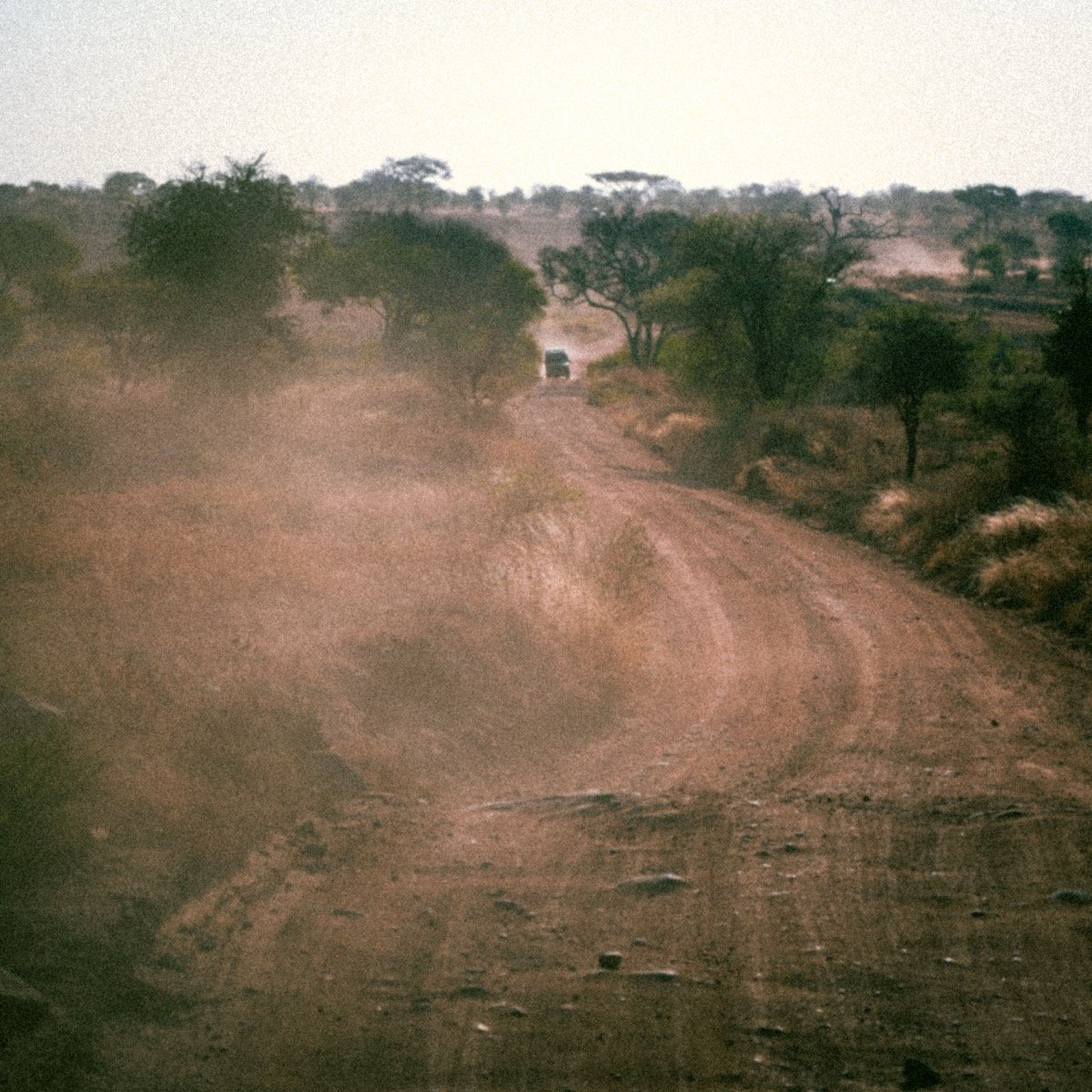
Road conditions: Hwange’s roads range from well-graded gravel (around Main Camp) to sandy tracks (in the remote areas) to mud in the wet season. The sandy Kalahari soil is deceptively soft on some tracks - two-wheel-drive vehicles have become bogged in areas that look firm. If you have any doubt about a track, ask at Main Camp reception before attempting it.
Fuel: There is no fuel available inside Hwange National Park. Fill up in Hwange town (on the A8, just outside the park) or in Victoria Falls before entering. If you are driving from Bulawayo, fill up in Hwange town rather than relying on the last opportunity in Lupane - fuel availability along the A8 outside main towns is inconsistent.
Navigation: Download an offline map (Maps.me or Google Maps offline download) before entering as mobile coverage is absent inside most of the park. The Tracks4Africa app is widely used among experienced self-drivers in Zimbabwe and has good coverage of park roads. The main waterholes are signposted from Main Camp, but secondary tracks are not always clearly marked.
Safari Vehicle Transfers from Victoria Falls
If you are not self-driving, the most common option from Victoria Falls is a guided safari vehicle transfer combined with game drives en route to your lodge. Most lodges in the Hwange area - and day-trip operators in Victoria Falls - offer road transfers that include active game viewing along the A8 and on the approach roads into the park.
Day trips from Victoria Falls: Several operators run full-day Hwange game drives departing Victoria Falls early in the morning and returning by late afternoon. These typically include morning and afternoon game drives in the Main Camp area and lunch at a safari camp. Costs run from approximately USD 150–250 per person depending on the operator and group size. Browse Hwange day trips from Victoria Falls for current options.
Private lodge transfers: If you are booked into one of the private concession lodges (Linkwasha, Somalisa, Little Makalolo, Camelthorn, The Hide), the lodge will arrange your transfer from Victoria Falls Airport or Victoria Falls town directly. Most take between 1.5 and 2.5 hours depending on the lodge’s location within the park. Some lodges use open safari vehicles for the transfer, which doubles as a game drive from the park boundary; others use closed 4x4 vehicles. Confirm with your lodge at booking.
National Park camps (Main Camp, Sinamatella, Robins): These are the self-catering campsite options run by Zimbabwe Parks and Wildlife Management Authority. If you are staying at a national park camp, you are generally expected to be self-driving or to have arranged your own transfer. Contact Zimbabwe Parks directly or through the Zimbabwe Tourism Authority to book chalets and campsites.
Which Entry Gate to Use
Main Camp Gate is the primary entry point and the most straightforward choice for visitors arriving via the A8 from either Victoria Falls or Bulawayo. Turn south off the A8 at Hwange town (the junction is signposted); Main Camp is approximately 10 kilometres from the turnoff. The gate is open from 06:00 to 18:00. Park entry fees are paid here: currently USD 15 per person per day for international visitors and USD 5 per vehicle as of 2026 (verify current fees with Zimbabwe Parks as these change periodically).
Sinamatella Camp Gate is 45 kilometres south of the A8 via a good gravel road. It gives access to the Sinamatella plateau, one of the park’s most scenic areas. Most lodges in the Sinamatella concession area - including Hwange Exclusive Tented Camp and others - use this entry. If you are heading here, add at least 45 minutes to your estimated arrival time from the A8.
Robins Camp and Nantwich Camp are in the far north of the park, accessed via longer gravel approach roads. These are remote camps used primarily by experienced self-drivers and are not suitable for standard vehicles in the rainy season. First-time visitors should not start here.
Planning Your Hwange Visit
When to go: The dry season (May–October) is the best time for game viewing. By September and October, water sources are reduced to a handful of permanent waterholes, and the elephant concentrations around them are extraordinary. The rainy season (November–April) brings green vegetation, newborn animals, and migratory birds, but game is more dispersed and some roads become impassable.
How long to spend: A minimum of two nights is recommended to see the park at different times of day. Three or four nights allows you to reach different sections and experience both the Main Camp waterhole circuit and more remote areas.
What to bring: Zimbabwe’s power grid is unreliable even at major lodges; pack a portable battery for charging devices. Bring cash (USD) for park entry fees and any purchases at Main Camp’s small store. Mobile connectivity is absent inside the park - download maps, accommodation confirmations, and any documents you need before entering.
Browse Hwange safari packages and guided tours - most operators in Victoria Falls can build a combined Victoria Falls and Hwange itinerary, often at a lower total cost than booking each element separately.
Travel insurance: The combination of remote roads, large animals, and limited medical infrastructure in the park area makes travel insurance with medical evacuation cover essential - compare Zimbabwe travel insurance options.