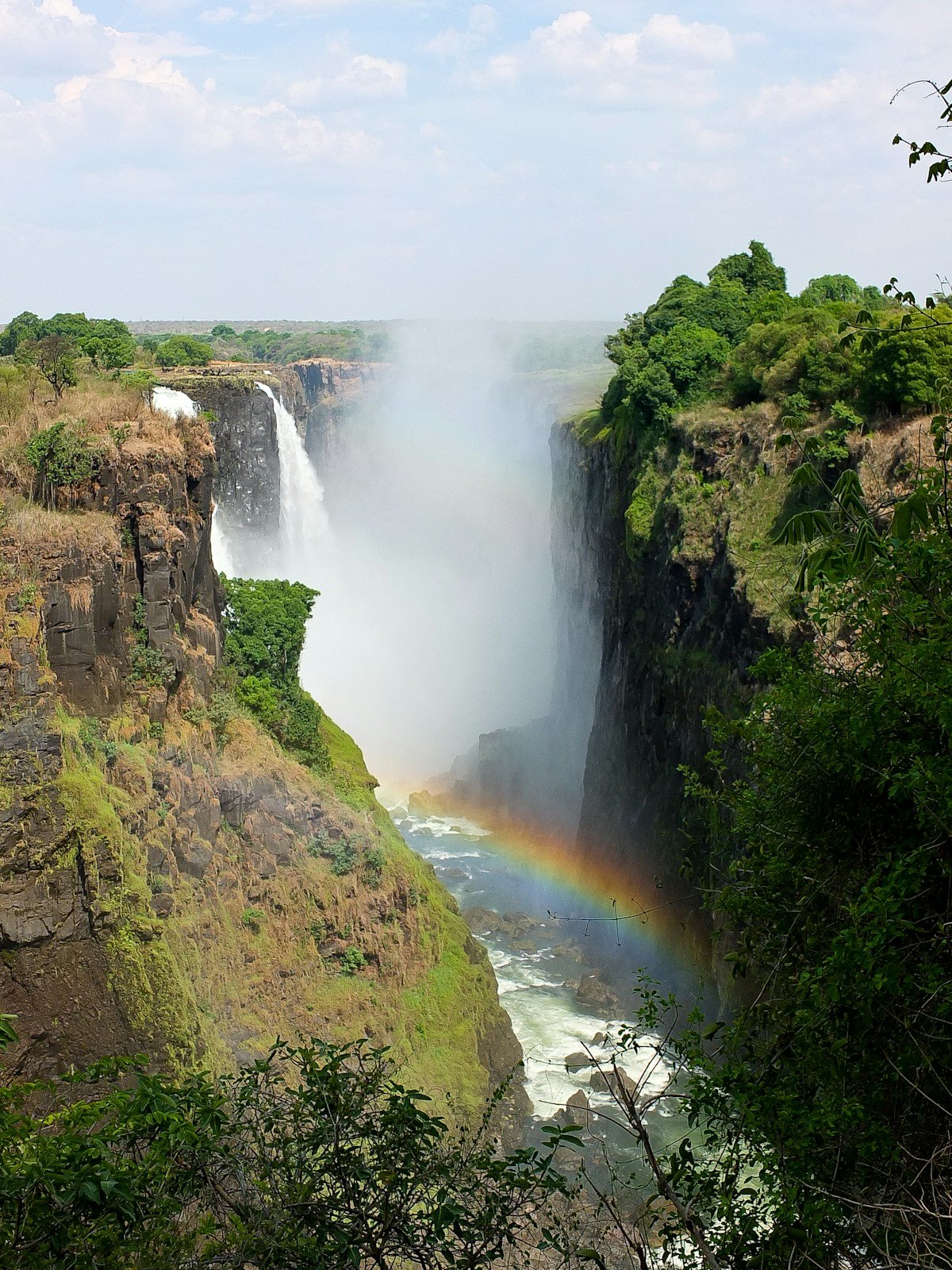
February is Zimbabwe’s wettest month. The green season is in full swing, rivers are swelling, and Victoria Falls begins its dramatic transformation into one of the world’s most powerful waterfalls. While the rains can disrupt travel plans on unpaved roads, February rewards visitors with remarkable wildlife sightings, outstanding birding and accommodation prices at their lowest point of the year.
Peak Rains and Rising Humidity: Zimbabwe’s Wettest Month
February brings the heaviest rainfall across Zimbabwe, with afternoon and evening thunderstorms that can be intense. Mornings are often humid and overcast, though sunshine does break through. The Zambezi valley and lowveld areas are particularly hot and sticky.
| City | Avg High °C | Avg Low °C | Rain Days | Conditions |
|---|---|---|---|---|
| Harare | 28 | 16 | 17 | Hot, heavy afternoon storms |
| Bulawayo | 29 | 16 | 13 | Warm with regular downpours |
| Victoria Falls | 31 | 18 | 15 | Hot, humid, increasing spray |
| Masvingo | 29 | 17 | 14 | Warm, steady rainfall |
Victoria Falls Building Fast: The Zambezi Surge Begins in Earnest
February marks the start of the spectacular rise at Victoria Falls. Upstream rains in Angola and Zambia are now feeding the Zambezi in earnest, and the flow rate increases noticeably week by week. By late February, the curtain of water across the full 1.7-kilometre width of the falls becomes increasingly impressive. Spray starts to intensify, particularly at the eastern end near Danger Point. Photography is still manageable from the western viewpoints. This is the beginning of the falls’ most dramatic period, building towards the March-May peak.
Peak Birding Season: 150+ Species Per Day in Hwange and Mana Pools
The bush is at its densest in February, which makes wildlife spotting more difficult than in the dry season but creates a different kind of beauty. The landscape is a vivid, saturated green that looks nothing like the dusty brown of September or October.
February highlights include:
- Predator-prey dynamics - Lion and wild dog activity intensifies as impala herds with young calves move through the bush. Hwange National Park is one of the best places to observe this
- Breeding birds - Woodland kingfishers, lilac-breasted rollers and southern carmine bee-eaters are in full breeding plumage. Birders regularly log 150+ species in a single day
- Elephant herds - Large breeding herds are spread across the bush rather than concentrated at waterholes, making encounters more natural and less crowded
Some camps in the Zambezi valley and remote corners of Hwange close during February due to road conditions. Those that remain open often offer “green season specials” at 40-50% below peak rates. Browse current Zimbabwe tours on GetYourGuide to find what is running during the green season.
Malaria risk remains high throughout February. Anti-malarial prophylaxis is strongly recommended for all visitors.
Chinhoyi Caves Heritage Walks and ZIFF Submissions Season
- Zimbabwe International Film Festival (ZIFF) submissions - The festival accepts entries through February, with screenings at Theatre in the Park, Harare later in the year
- Chinhoyi Caves cultural weekends - Local guides at Chinhoyi Caves National Park (approximately 135 km northwest of Harare) run weekend storytelling and cultural heritage walks, often featuring local Shona folklore and cave history
Where to Stay and Eat in February: Half-Price Safari Camps and Bulawayo Gems
Hwange: Miombo Safari Camp on the park’s eastern boundary offers intimate tented accommodation from approximately USD 180 per person per night on a full-board basis during green season - roughly half the dry season rate. Game drives and guided walks are included.
Bulawayo: The Nesbitt Castle boutique hotel in the Hillside suburb provides characterful rooms in a castle-style building from approximately USD 85 per night. For dining, head to Indaba Book Cafe on 5th Avenue for excellent brunch dishes and locally roasted coffee (mains from approximately USD 10 as of 2026). Browse current February availability across the country using Search hotels in Zimbabwe on Booking.com.
What to Pack for February: Storm-Grade Waterproofs and a Waterproof Phone Case
February is the month that tests your rain gear most seriously:
- A high-quality waterproof rain jacket (not a lightweight wind shell - you need proper storm protection)
- Waterproof dry bags or stuff sacks for all electronics and documents
- Lightweight, long-sleeved shirts in breathable fabric - they double as sun and insect protection
- Waterproof hiking boots with good tread for muddy trails
- DEET-based insect repellent (at least 30%) and a permethrin-treated travel bed net as backup
- A compact umbrella for town walks
- Binoculars - February birding is exceptional and you will regret not having them
- A waterproof phone case for Victoria Falls visits where spray is increasing
February Budgeting: Best Value of the Entire Year
February offers the best value of the entire year for a Zimbabwe trip. Lodge rates hit their lowest point, and availability is rarely an issue even at popular properties. Internal flights between Harare, Bulawayo and Victoria Falls cost approximately USD 80-150 one way depending on the carrier and how far in advance you book (as of 2026). National park entry fees remain at approximately USD 15 per person per day for international visitors.
Arrange travel insurance before departure - medical evacuation cover is essential in Zimbabwe, especially when travelling to remote camps during the wet season.
For more on the southern route, see our Masvingo guide covering Great Zimbabwe access, or explore Matobo Hills for rhino tracking that runs year-round regardless of rainfall.
Plan Your Trip
February is the wettest and quietest month - Zimbabwe almost to yourself. The Eastern Highlands are at their most dramatic: Mutarazi Falls runs at full volume, the Bunga Forest is alive with Swynnerton’s robin, and mist hangs over the Vumba most mornings. Stay on tarmac; avoid dirt roads into Gonarezhou until April. Painted wolf packs in Hwange are denning with pups - walking activity is limited but game-drive sightings remain good. Lodge rates across Hwange are at their annual low. Book flights a few weeks out for competitive fares, arrange travel insurance, and pick up a Zimbabwe eSIM for Harare and Victoria Falls coverage. A hire car unlocks the Nyanga–Mutare Eastern Highlands loop easily.