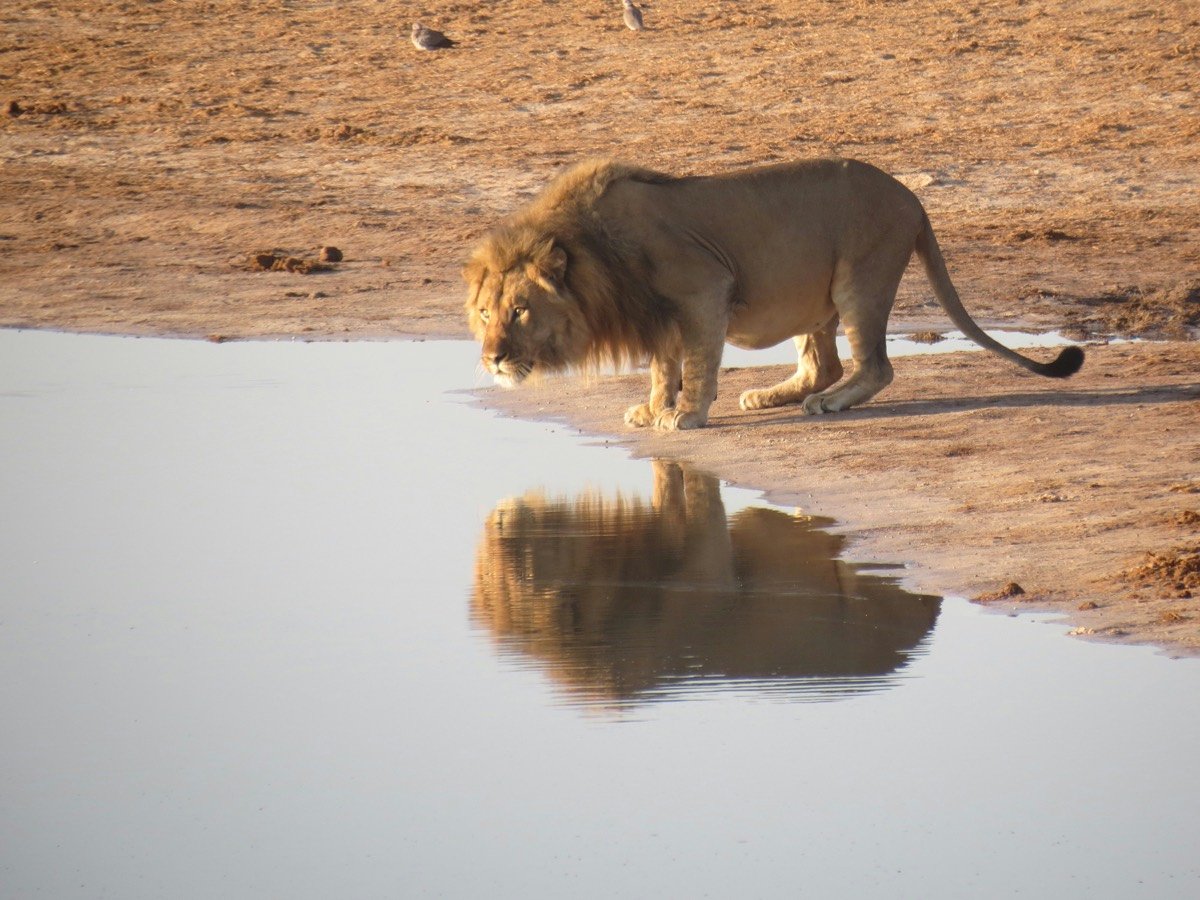
Zimbabwe consistently punches above its weight as a safari destination. You get prolific wildlife, world-class guides, and far fewer other vehicles than you’d encounter in Kenya or South Africa - yet the parks contain the same species. If you want a Big Five safari without convoy viewing at a water hole, Zimbabwe is where to look.
Why Choose Zimbabwe for Safari
The key advantages are density of wildlife, quality of guiding, and access to walking safaris.
Hwange National Park alone holds one of the largest elephant populations on the continent - estimates range from 40,000 to 50,000 individuals as of recent surveys. That figure shapes the entire safari experience: elephant sightings are near-guaranteed, and their presence attracts lion, leopard, and wild dog. Seeing all five of Zimbabwe’s Big Five in a single trip is genuinely achievable, not a stretch goal.
Zimbabwean field guides are trained under a rigorous professional licensing system - FGASA-equivalent qualifications plus mandatory armed escort certification for walking safaris. The result is some of the most knowledgeable bush guides in Africa. Conversations on game drives go deep: ecology, tracking, behaviour, not just species identification.
Zimbabwe also allows walking safaris in designated areas, including all of Mana Pools UNESCO World Heritage Site. This single factor separates it from most competing destinations and defines the experience for many repeat visitors.
Best National Parks for Safari in Zimbabwe
Hwange National Park
At 14,651 km², Hwange is Zimbabwe’s largest national park and the most accessible entry point for first-time visitors. It sits roughly 280 km from Victoria Falls (3–4 hours by road) and has private airstrips served by light aircraft from Victoria Falls, Harare, and Bulawayo.
Hwange’s defining feature is its artificial water holes, pumped year-round by Zimbabwe Parks Authority. These concentrate wildlife in the dry season to a degree that’s unusual even by African standards. During September and October, gatherings of several thousand elephants at a single water hole are documented annually.
Read our full Hwange National Park safari guide for seasonal timing, camp selection, and what to expect on a game drive.
Mana Pools National Park
Mana Pools, a UNESCO World Heritage Site on the Zambezi floodplain, is the destination for specialist safari travellers. Access is from Harare (approximately 370 km) or by light aircraft. The park is open May to October only - the Zambezi floods it during the wet season.
The park is famous for habituated elephants, prolific wild dog sightings, and the unique permission for unguided bush walking. Experienced visitors walk the floodplain independently; everyone else goes with a licensed professional guide. Lions and leopards are present but require patient searching through dense riverine vegetation.
See our Mana Pools wildlife guide for species lists, best areas, and operator recommendations.
Matobo National Park - Rhino and Rock Art
Matobo sits 35 km south of Bulawayo in the Matobo Hills - a landscape of granite kopjes, balancing rocks, and ancient San rock art. It’s the most accessible park in Zimbabwe for visitors based in or passing through Bulawayo, and it holds a specific claim: the highest density of white rhino in Africa within its intensive protection zone.
Matobo’s rhino tracking on foot is the primary draw. You set out with armed rangers, track on foot, and approach on foot to within roughly 20–30 metres. It’s an entirely different experience from vehicle-based game viewing. Lion are also present in the park, along with leopard and a remarkable variety of raptors including the world’s largest concentration of black eagles.
Entry fees for Matobo are approximately USD 15–20 per person as of 2026; check Zimbabwe Parks Authority for current rates. Guided rhino tracking adds a fee per person on top of standard entry - confirm with the parks office in Bulawayo.
Read our full Matobo Hills safari guide for rhino tracking operators, cave painting sites, World’s View, and practical logistics from Bulawayo.
Big Five in Zimbabwe
All five species are present. Elephant and buffalo are common across multiple parks. Lion are reliably seen in Hwange and present in Mana Pools. Leopard sightings are consistent in Hwange but require time. Wild dog - increasingly rare across Africa - are seen regularly in Mana Pools and occasionally in Hwange.
Rhino are the variable factor. White rhino are protected in Matobo’s IPZ and in private conservancies including Imire Rhino and Wildlife Conservancy near Harare. Black rhino numbers are critically low; a small population exists in Hwange’s Intensive Protection Zones but sightings are rare and not publicised to prevent poaching attention.
Our Zimbabwe Big Five guide covers park-by-park breakdown, best camps for each species, and realistic expectations by season.
Best Time for a Zimbabwe Safari
May–October (dry season): Peak game viewing. Vegetation is sparse, water sources are reduced, and animals concentrate predictably. July to October is the most popular window. October is the hottest month (up to 40°C in the Zambezi Valley) but offers the most dramatic wildlife spectacle.
November–April (wet season): Mana Pools closes. Hwange and Matobo remain open. The landscape is green and dramatic. Birding is exceptional - migratory species arrive November–March. Game viewing is harder but still rewarding with local knowledge. Prices at lodges drop 20–40%.
Zimbabwe Safari Costs
Budget (USD 50–150/person/day)
Self-drive camping in national park campsites. Hwange Main Camp has ablution blocks and basic facilities. Sites cost approximately USD 15 per person per night as of 2026 (verify current rates via Zimbabwe Parks Authority bookings online). You’ll need your own 4WD, camping equipment, and food. Park entry runs around USD 20 per person per day in Hwange.
Mid-Range (USD 200–400/person/day, all-inclusive)
Local operator-guided safaris from Hwange Main Camp or Mana Pools. Operators like Backpackers Africa (Hwange; from approximately USD 200/person/day fully guided) and Touch the Wild (Hwange concession area; from around USD 280/person/day) offer guided game drives, accommodation in comfortable tented camps, and meals. These sit in the sweet spot between DIY and luxury - experienced guides, decent camps, fraction of the lodge price.
Luxury (USD 600–1,200+/person/night, fully inclusive)
Private concession lodges on exclusive traversal agreements. The Hide Safari Camp (Hwange; from approximately USD 650/person/night) and Davison’s Camp (Hwange; from USD 500/person/night - part of the Wilderness portfolio) represent the mid-luxury tier. Chikwenya Camp (Mana Pools; Wilderness Safaris; from approximately USD 900/person/night) and Ruckomechi Camp (Mana Pools; from USD 950/person/night) are among the top-end options on the Zambezi. Prices are fully inclusive - accommodation, all meals, activities, and park fees. All prices approximate as of 2026; contact lodges directly for current rates.
How to Book: Self-Drive vs Guided Safari
Self-drive suits experienced bush travellers with a 4WD, high-clearance vehicle, and familiarity with reading animal behaviour. Zimbabwe’s national park tracks are well-signposted and the parks authority offers a booking portal for campsites and national park chalets. The main limitation is that walking safaris require a licensed guide - self-driving does not give you unguided walking access.
Guided safaris give you more wildlife encounters per hour. Experienced trackers read signs you’d miss from a moving vehicle, and professional guides handle logistics, meals, and safety. For first-time safari visitors, a guided package eliminates uncertainty around park entry, routes, and wildlife etiquette.
Fly-in safaris combine efficiency with comfort - short hops on light aircraft between Hwange, Mana Pools, and Victoria Falls in 45–90 minutes. Operators like Wilderness Safaris and African Bush Camps offer fly-in circuit packages that cover two or three parks in a week. Charter flights from Victoria Falls Airport to Hwange airstrip run approximately USD 150–250 per person one-way on scheduled services (confirm with Wilderness Air Zimbabwe or EagleLink).
For most visitors, a 7–10 day trip combining Hwange (3–4 nights) with Mana Pools (3 nights) covers the core Zimbabwe safari experience in a single circuit. For accommodation across all parks and gateway towns, search hotels across Zimbabwe on Booking.com to compare options alongside the private lodge tier.