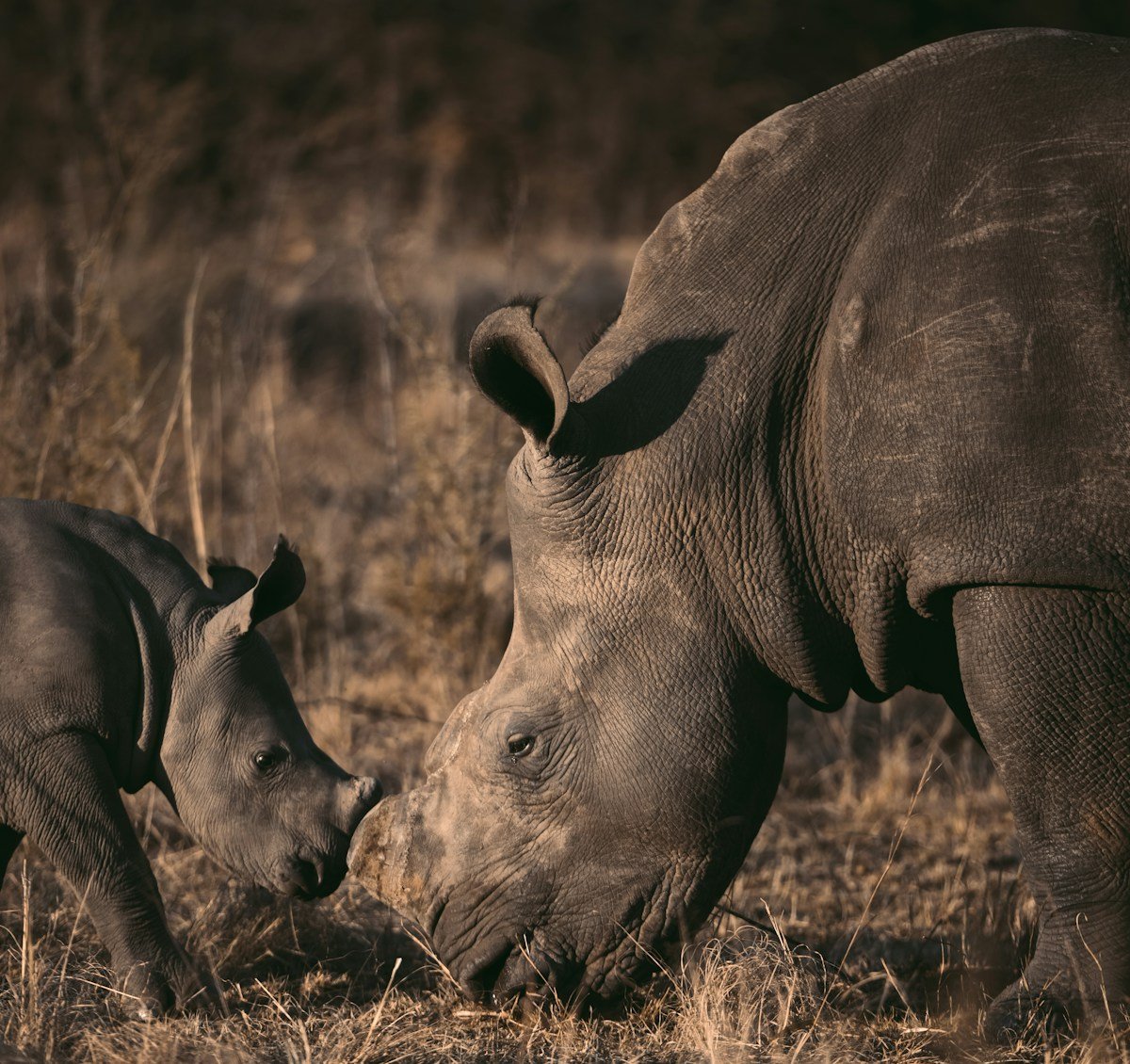
Southern Zimbabwe is the quiet half of the country. Most visitors queue for Victoria Falls and skip Bulawayo, yet the city has one of Africa’s best natural history museums, a UNESCO-listed ruin 20 minutes from the centre, and a 40-minute drive puts you in the granite kopjes of Matobo Hills, where you can walk up to white rhino on foot. This 5-day plan works as a stand-alone trip or as an add-on after the falls (see our 7-day Zimbabwe itinerary for the combined version).
Plan at a Glance
| Day | Base | Main plan |
|---|---|---|
| 1 | Bulawayo | Arrive, railway and city centre walk, Natural History Museum |
| 2 | Bulawayo | Khami Ruins, Mzilikazi Arts and Crafts Centre |
| 3 | Matobo Hills | Dawn rhino tracking, game drive, sunset at the balancing rocks |
| 4 | Matobo Hills | San rock art, World’s View and Rhodes’ grave |
| 5 | Bulawayo | Early walk or drive, onward travel |
Best months are May to October, when the weather is dry and cool. Nights from June to August can drop close to 5 degrees Celsius at Matobo, so pack a fleece. Prices below are approximate and as of 2026.
Day 1: Arrive in Bulawayo
From Victoria Falls, take a coach or shuttle (about 440 km, 5 to 6 hours, approximately USD 25 to 35). From Harare, flights and coaches both run. If you land at Joshua Mqabuko Nkomo International Airport, a taxi to the suburbs costs around USD 15 as of 2026.
Spend the afternoon on foot in the colonial centre, with its wide avenues laid out to turn a team of oxen. Visit the Natural History Museum of Zimbabwe on Leopold Takawira Avenue (entry approximately USD 5, open Tuesday to Sunday). The mammal hall is the draw, along with geology and Ndebele ethnography sections. Allow two to three hours. Our Bulawayo city guide covers the rest of the centre, including the Railway Museum.
For dinner, The Cattleman on Fort Street is the reliable choice for beef. Our Bulawayo restaurant guide has other options.
Where to stay: Holiday Inn Bulawayo and Cresta Churchill Hotel are the dependable mid-range city hotels, Bulawayo Club suits those who like colonial atmosphere, and Burke’s Paradise is the long-running backpacker choice. We compare areas in where to stay in Bulawayo. Check Bulawayo hotel availability for current prices.
Day 2: Khami Ruins and Ndebele Art
Drive west about 20 km to Khami Ruins, a UNESCO World Heritage Site and the capital of the Torwa state between the 15th and 17th centuries after Great Zimbabwe declined. The dry-stone platforms are decorated with chevron and chequer patterns, and few visitors come, so you can walk the hill terraces almost alone. Entry is approximately USD 5, and a local guide for a few dollars more adds context. Read the Khami Ruins guide before you go, or see the UNESCO listing for the official background.
Return for lunch, then visit the Mzilikazi Arts and Crafts Centre, named after the Ndebele founder-king, where sculptors and weavers work on site. Buy soapstone, baskets and paintings directly from the artists. Use the evening to repack for the park, since you will carry less into Matobo than you leave behind in the city.
If you would rather not arrange transport yourself, guided Bulawayo tours combine the museum, Khami and city sights with a driver.
Day 3: Matobo Hills and Rhino Tracking
Matobo National Park lies about 35 km south of Bulawayo, roughly 40 minutes by road. The park is a UNESCO World Heritage cultural landscape of balanced granite boulders, deep valleys and thousands of rock-art sites. Entry is approximately USD 15 per person per day (USD 8 if staying in the park) plus a vehicle fee, paid at the gate (ZimParks tariff; see ZimParks).
Morning: rhino tracking on foot. Walks leave early, usually 6 or 7am, with an armed ranger who follows tracks to find white rhino. On a good morning you stand 20 to 30 metres from them, which is the highlight of this itinerary. ZimParks-guided walks cost roughly USD 25 to 40 on top of entry; lodge-run experiences with transfer cost approximately USD 90 to 120. Wear neutral colours and closed shoes, and book 24 to 48 hours ahead. Our rhino tracking guide compares operators, and you can book a Matobo Hills rhino tracking day trip online if you prefer a packaged transfer.
Afternoon: game drive. Matobo is known for a dense leopard population, though sightings are never guaranteed. You will more reliably see zebra, giraffe, kudu, impala and Verreaux’s eagles circling the cliffs. Finish at the balancing rocks at sunset.
Where to stay inside the park area: Camp Amalinda (Wilderness Safaris) at the luxury end, Big Cave Camp and Matobo Hills Lodge in the mid-range, and ZimParks chalets or camping at Maleme Dam for budget travellers who bring supplies. Our Matobo Hills stay guide has the detail, and you can search Matobo Hills stays for live prices.
Day 4: San Rock Art and World’s View
Matobo holds one of the densest concentrations of San rock paintings in southern Africa, some thousands of years old. Pomongwe Cave is the most accessible, with an interpretive display, while Nswatugi Cave holds some of the finest single animal paintings. A guided visit of two to three hours costs approximately USD 30 to 50 as of 2026, and park entry still applies. Our Matobo rock art guide explains what the painted figures show.
Mid-morning, climb to World’s View (Malindidzimu), the “hill of spirits” where Cecil Rhodes is buried in a granite slab inscribed with his name. The walk from the car park is short and the 360-degree view over kopjes and bush is the best in the park. Our Rhodes grave guide covers the history and the debates around it.
Use the afternoon for a short walk or simply sit at your lodge and watch the eagles. For more options, see Matobo walking trails. The Matobo Hills guide lists others.
Day 5: Return and Onward Travel
Take an early drive or walk (dawn is the best time for wildlife), then return to Bulawayo by late morning. If your flight or coach is in the afternoon, there is time for a final browse at the arts centre or a lunch at Indaba Café near the museum.
Onward from Bulawayo:
- Victoria Falls: coach or shuttle, 5 to 6 hours. See our Victoria Falls 3-day itinerary.
- Harare: coach or flight; see getting to Bulawayo for options.
- South Africa: coaches run to Johannesburg via Beitbridge, and Bulawayo also has flights on some days, so confirm schedules.
Indicative Budget (per person, 4 nights)
| Item | Mid-range estimate (USD) |
|---|---|
| Accommodation (2 nights city, 2 nights Matobo) | 300 to 700 |
| Park entry (3 days) | 45 |
| Rhino tracking | 25 to 120 |
| Guided rock art visit | 30 to 50 |
| Museum, Khami and other entries | 15 |
| Transport and transfers | 80 to 150 |
| Food | 100 to 150 |
A realistic total is USD 600 to 1,200 per person, depending on the lodge. Budget travellers who stay in ZimParks chalets and share taxis can stay near the low end. Zimbabwe is largely a USD economy, so bring small notes.
Practical Notes
- Getting around: Hire a car in Bulawayo (from roughly USD 50 a day) or ask your hotel for a driver. The roads to Matobo are good, but a guide is still needed for walks and rock art. Compare options in our car hire guide.
- Safety: Bulawayo is relaxed in daylight. Use a taxi after dark.
- Insurance: Cover for medical care and trip changes is sensible; arrange Zimbabwe travel insurance before you leave.
- Visa: Most visitors need a visa; see our visa requirements guide.
Book Ahead
Matobo Hills tours and Bulawayo tours cover the transfer, guide and park entry in one booking, which helps if you are travelling without a car.